
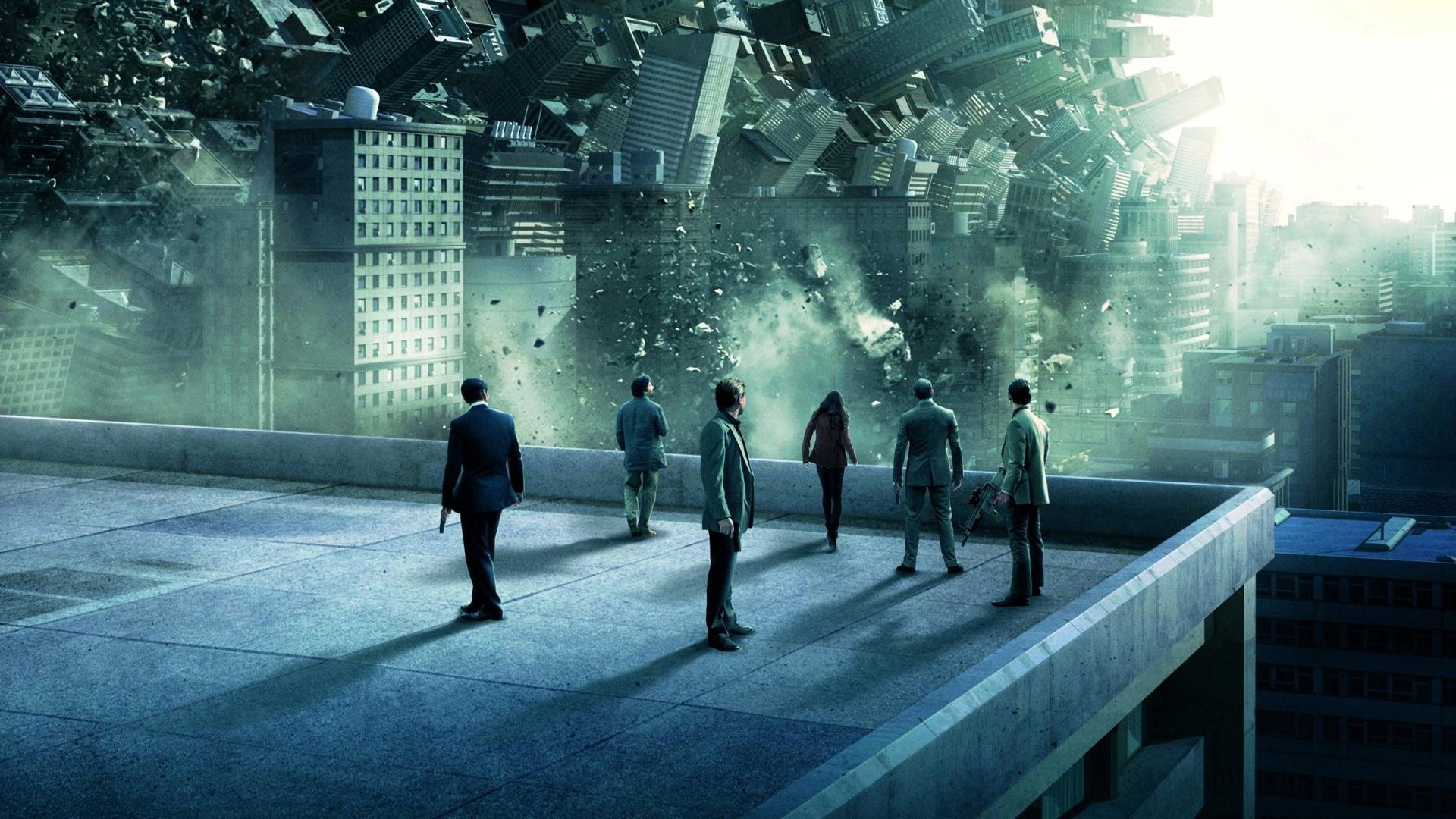
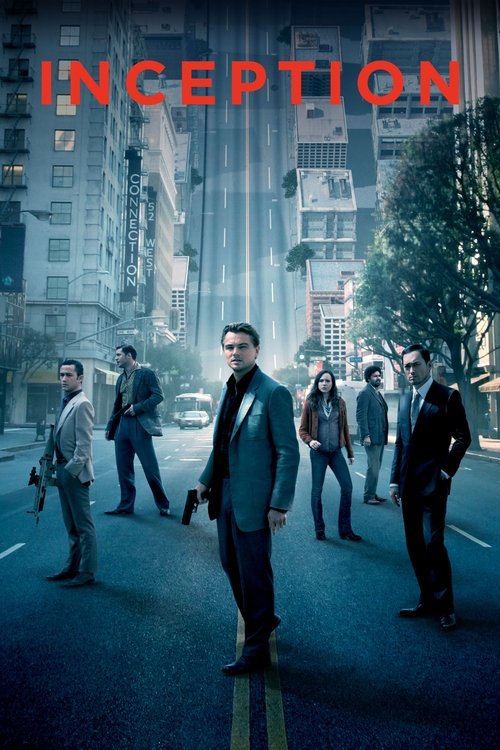
Inception backdrop file.

Movie dossier

Inception

A dream-heist blockbuster where architecture, grief, and action grammar keep folding into the same trap.

Directed by Christopher NolanPG-13Academy AwardBAFTA

Latest video signal

Trailer slot ready

A widescreen slot for the newest official trailer, interview, or scene signal when the page has a playable source.

Why it matters

Inception matters because Nolan makes a difficult premise feel playable without sanding off its sadness. The movie is not only a puzzle about dream levels; it is a grief machine disguised as a heist, where every rule exists to test whether Cobb can stop using design, projection, and momentum to avoid the wound at the center.

Rating
8.8
Year
2010
Runtime
148 min
Genre
Sci-Fi

Craft read

Design

Dream levels built with distinct palettes, physical rules, and clean cross-cutting logic

Emotion

Cobb’s guilt turns exposition into pressure instead of homework

Rewatch value

High, because every set piece doubles as a rule demonstration and a character diagnosis

Themes

griefmemoryrealityidea implantationtime

Cast and context

Cast
Leonardo DiCaprioMarion CotillardTom HardyEllen Page
Keywords

dreams • subconscious • heist • mind bending • reality

Director lane

Christopher Nolan currently has 13 live movie pages in Cinema One.

View director page

Coverage status

Tier
fully authored
Coverage
14/13

A fully shaped Cinema One case: the movie has enough authored context, pathway links, and argument to feel like more than a catalog entry.

Signature scene filedQuote read filedEnding read filedEditorial argument linkedCollection pathway live

Production notes

  • American Cinematographer gives the clean rewatch key: Nolan and Wally Pfister wanted dreams to feel photographically real, so the strangeness usually comes from the environment, not from distancing the camera from reality.
  • The hotel corridor is not just a famous practical stunt. The production built rotating, vertical, and trolley-assisted versions of the hallway so zero gravity could be staged as action rhythm, not visual-effects illustration.
  • Nolan told Wired that the heist structure solved the exposition problem, but the film only worked once Fischer’s mission and Cobb’s story were both based on emotional concepts. That is why the rules keep circling grief rather than merely cleverness.
  • The movie belongs in the Nolan pressure-system lane: a clean mechanism where architecture, time, and guilt keep tightening around one unresolved choice.
Inception watch-next background

Watch-next pathway

What should you do after Inception?

Three intentional continuations: stay with the filmmaker, chase the dominant pressure signal, or jump into the shelf or argument that best explains why this movie belongs here.

Suggest a better next pick
A dark editorial argument room lit by a film projector.

Movie-page argument

Defend Inception.

If this movie has a scene, performance, ending, or idea people underrate, make the case. The best defenses can become future Cinema One argument material.

Small prompts go into the Cinema One review queue.

A dark screening room with a red seat, projector beam, scene cards, and a glowing abstract film frame.

Scene challenge

Pick the scene that proves it.

Cinema One is built around scenes that unlock the movie. Tell us which moment carries the pressure, style, argument, or rewatch charge.

Small prompts go into the Cinema One review queue.

Cinema One case file

The argument this page is making

3 lenses
Core tension

A professional dream architect keeps proving he can build worlds while failing to leave one private room.

Best lens

Watch the exposition as action: every rule earns its place because it will become a physical problem later.

Nolan lane

A bridge between Memento’s subjective trap and Interstellar’s emotional engineering, with blockbuster scale doing the carrying.

Cinema One theory graphics

Visual arguments built for Inception

Not poster art, not recycled trivia, and not fake interface dressing — custom editorial diagrams that make the movie’s philosophy, danger, and afterlife easier to see.

3 graphics
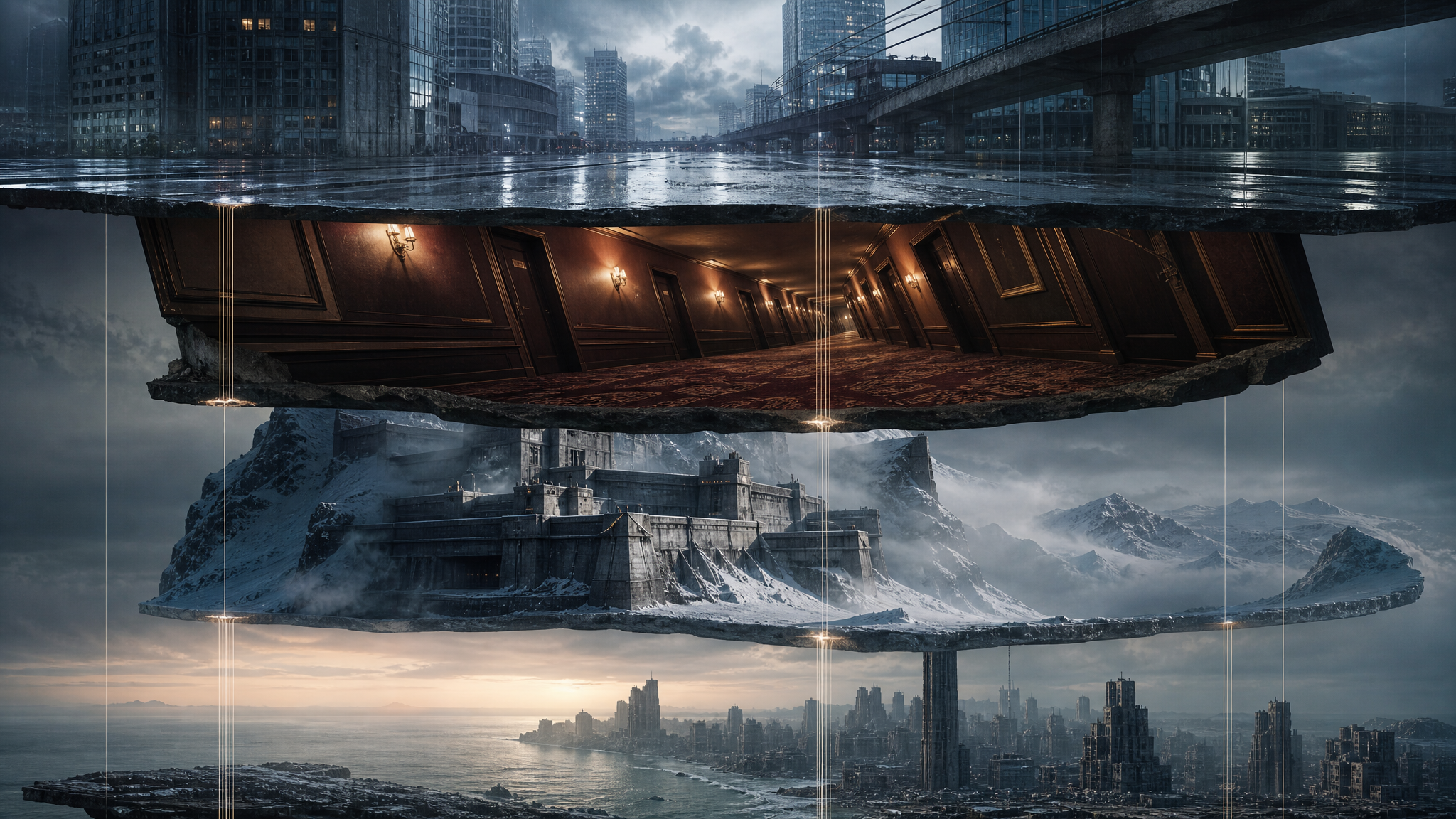
Original Cinema One graphic showing four nested dream layers descending from rain city to hotel corridor, snow fortress, and limbo shoreline.

Dream Layers Cross-Section

Inception becomes easier to feel when the dreams are treated less like vibes and more like stacked pressure chambers. The useful image is a cross-section: each level has its own weather, physics, mission clock, and emotional leak, but the whole structure is still one machine built around Cobb’s refusal to wake up clean.
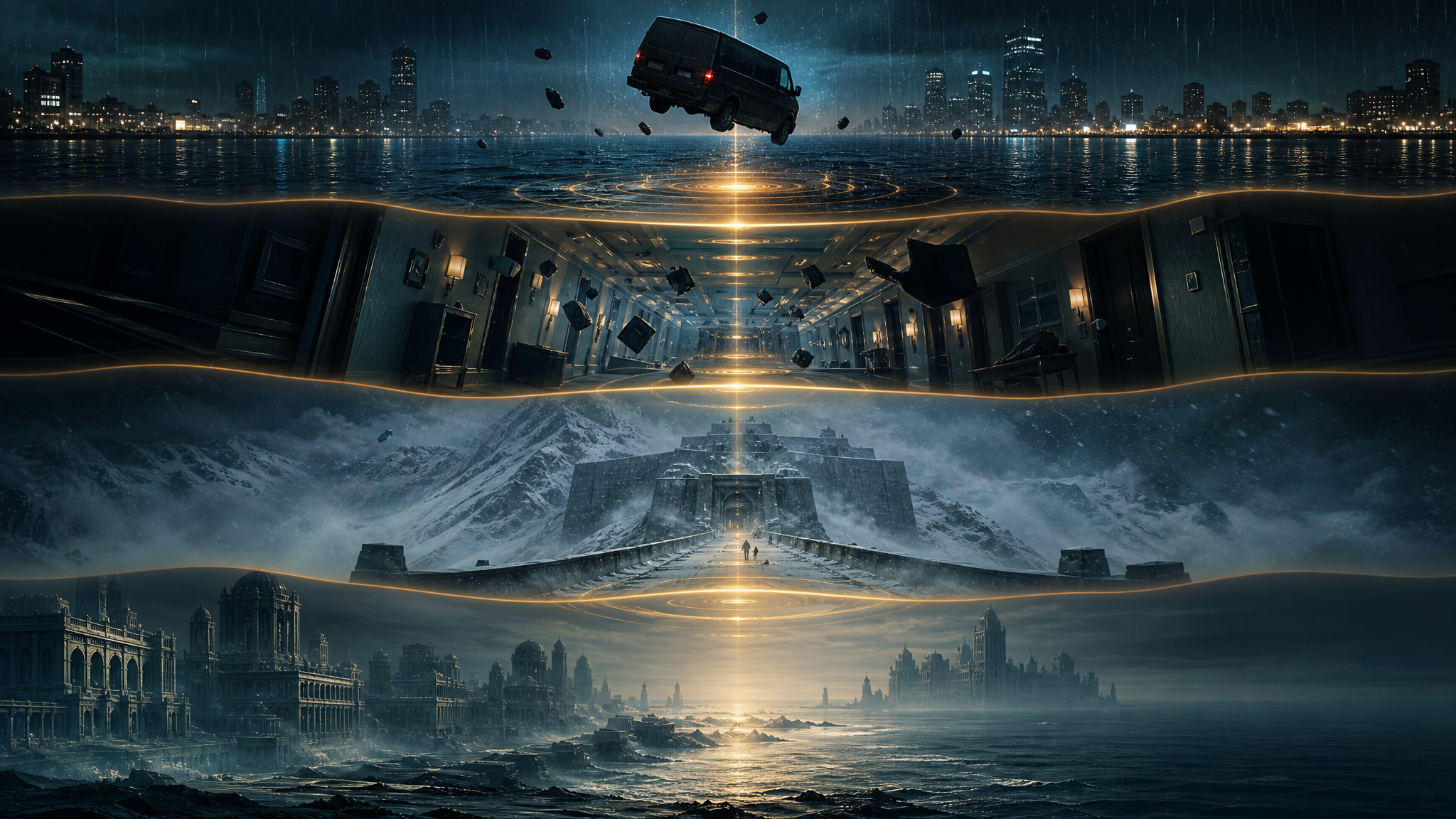
Original Cinema One graphic mapping four synchronized dream levels as time stretches from a falling van to limbo.

Time Dilation Map

The movie’s real flex is not that time slows down. It is that Nolan turns time into choreography. A van falling for seconds can become hallway combat, mountain siege, and decades of limbo pressure because the edit keeps treating every layer as part of the same musical count.

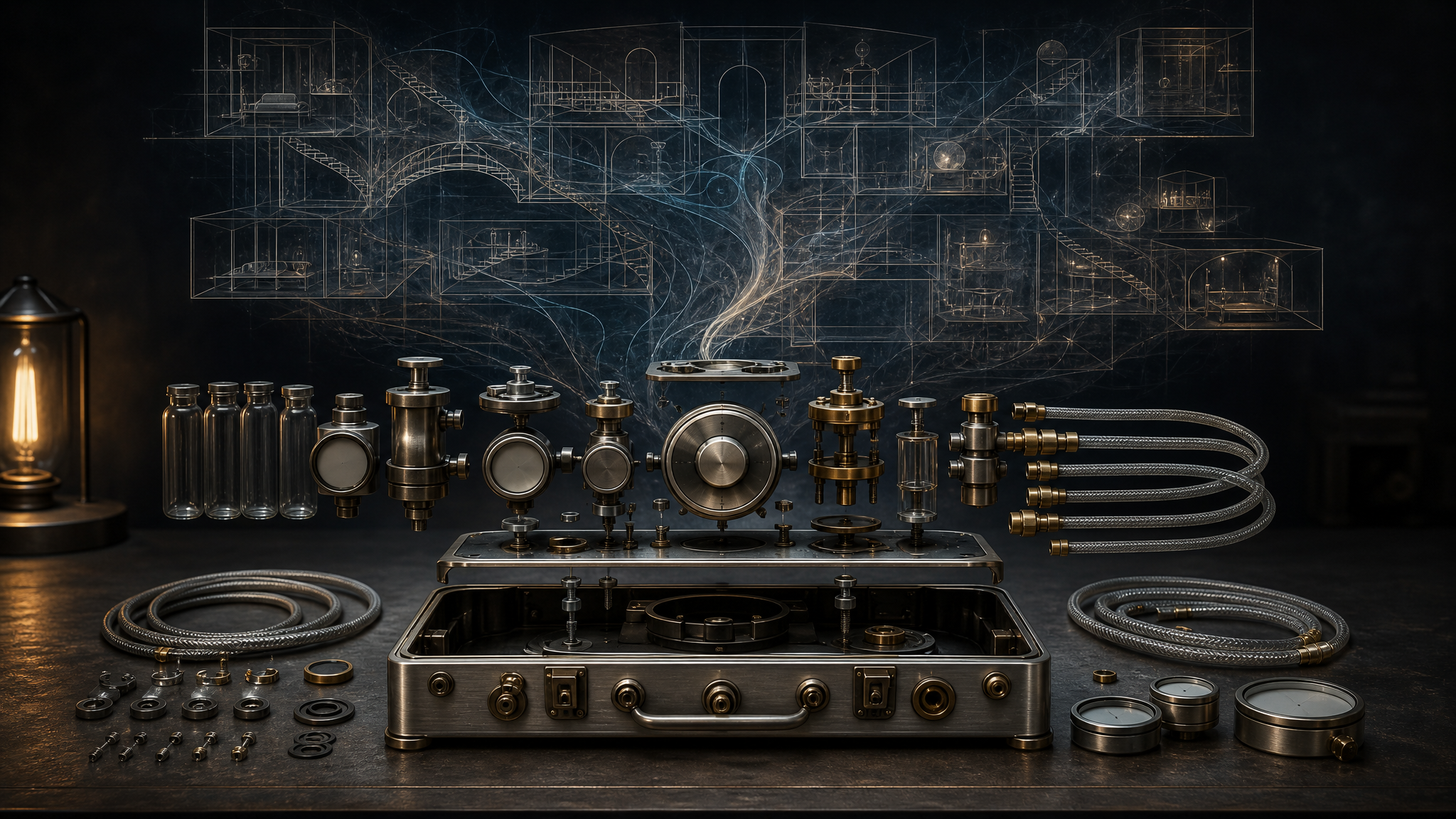
Original Cinema One graphic presenting a dream-sharing sleep machine as an exploded-view study with vials, tubes, dials, and blueprint-like dream traces.

Dream Machine Exploded View

The dream machine is powerful because it is weirdly ordinary: tubes, cases, timers, bodies asleep in public. This graphic treats the hardware as the hinge between heist procedure and subconscious trespass — a handmade device for turning private grief into shared architecture.

Production file

How the movie became this object

Photographic realism makes the impossible playable

Nolan and Pfister’s anti-floating-dream choice is the film’s discipline. Inception works because the dream worlds obey readable surfaces first, then rupture them: a tilting bar, a rotating corridor, a street train with no rails, a fortress floor giving way. The audience learns the rule through contact.

The hallway fight is a thesis, not a flex

The corridor sequence turns the van’s falling motion into Arthur’s problem without pausing to explain the math. The rotating set matters because it lets gravity become editing, choreography, and suspense at once.

Scene architecture

The moments that change the machine

Scene read: the top cut refuses the wrong question

The final cut works because it withholds confirmation after Cobb has already stopped looking. The emotional decision is not whether the top falls for us; it is whether Cobb can walk away from the instrument he used to police reality.

Editorial module

Signature scene: the hallway fight turns rule logic into body impact

The rotating hallway sequence is the showpiece because the movie cashes in its own rulebook. The van falls, gravity disappears, and Arthur has to fight, improvise, and solve logistics inside the same physical sentence.

Editorial module

Line worth carrying forward

"An idea is like a virus" is the cleanest thesis because it applies to Fischer, Mal, Cobb, and the audience at once. The movie’s most dangerous object is not a dream machine; it is a thought that finds an emotional host and starts defending itself.

Editorial module

Why the ending stays alive

The top matters because Nolan cuts after Cobb’s attention has moved elsewhere. The ambiguity is not a puzzle-box gimmick; it is a final test of what the viewer values more, external proof or the character finally refusing to keep feeding the obsession.

Editorial module

Steelman the debate

The sharp critique is that Inception can feel too diagrammed, with dreams that behave more like expensive mission spaces than actual subconscious chaos. The defense is that the diagram is the point: Nolan is not filming dream randomness, he is filming controlled emotional trespass, and the clean machinery lets guilt become the contaminant.