
Tenet
Find the movies with rewatch gravity, live dossiers, and unfinished cases worth deepening.
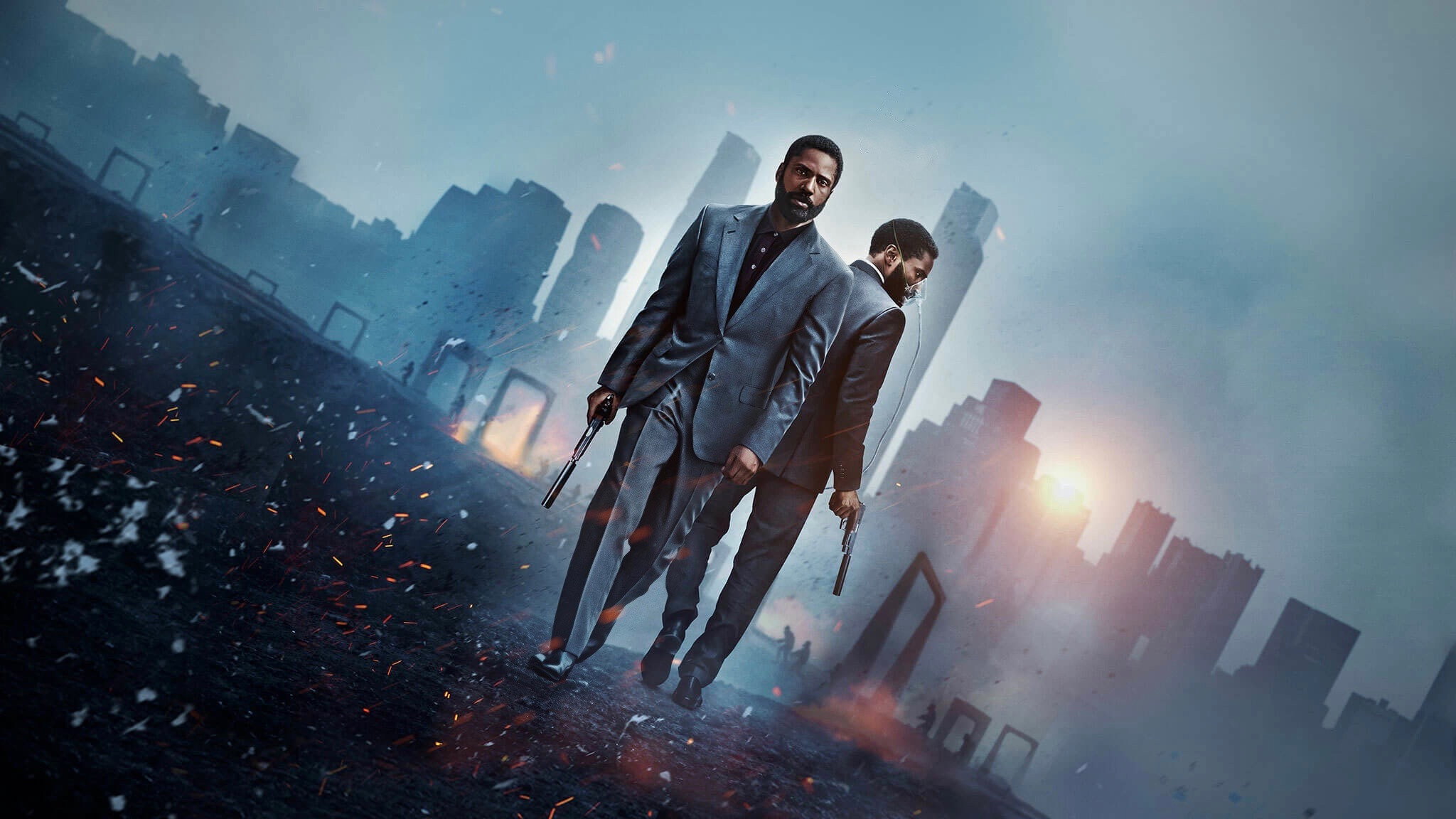
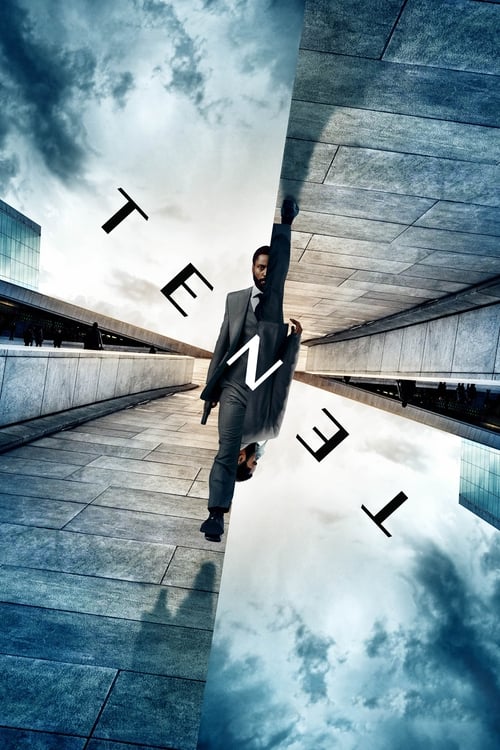
Movie dossier
Tenet
Nolan at his most divisive, most diagrammatic, and maybe most determined to out-engineer expectation.
Latest video signal
Trailer slot ready
A widescreen slot for the newest official trailer, interview, or scene signal when the page has a playable source.
Why it matters
Tenet matters because even when it frustrates people, it shows Nolan pushing his own system to an extreme. It is a valuable page precisely because it is not a consensus comfort title.
Craft read
Inversion, mirrored action, and temporal counterflow
Divisive but undeniably authored
A perfect page for curation because argument is part of the story
Themes
Cast and context
Coverage status
A fully shaped Cinema One case: the movie has enough authored context, pathway links, and argument to feel like more than a catalog entry.
Production notes
- • One of the best examples of a title that benefits from guided curation.
- • The movie should be presented as a conversation piece, not just a score entry.
- • A good page can help explain why the movie fascinates even when it resists easy affection.
Watch-next pathway
What should you do after Tenet?
Three intentional continuations: stay with the filmmaker, chase the dominant pressure signal, or jump into the shelf or argument that best explains why this movie belongs here.
The Dark Knight
The cleanest next move if Christopher Nolan's control, obsessions, or rhythm are what hooked you here.
More time inversion
Use the taste map to find movies, arguments, and shelves that share this page's strongest signal.
Cathedral Scale
Big-screen movies built around scale, countdown pressure, and the feeling that spectacle only matters because consequence rides inside it.
Movie-page argument
Defend Tenet.
If this movie has a scene, performance, ending, or idea people underrate, make the case. The best defenses can become future Cinema One argument material.
Scene challenge
Pick the scene that proves it.
Cinema One is built around scenes that unlock the movie. Tell us which moment carries the pressure, style, argument, or rewatch charge.
Signature scene: the freeway inversion turn
The highway sequence is where Tenet finally makes its thesis tactile. Nolan turns abstraction into impact by letting forward and inverted action occupy the same event, so confusion becomes part of the thrill instead of a bug to hide.
Line worth carrying forward
"Don’t try to understand it. Feel it." The line is both instruction and provocation. Tenet knows that total comprehension is not the only way into a movie, and it challenges the viewer to treat temporal design like sensation before analysis catches up.
Why the ending plays better once you accept the movie’s terms
Tenet lands when you realize the finale is less about one last twist than about duty inside a closed loop. The emotional key is not romance or confession, it is the realization that friendship and sacrifice have already been structured into the mission from the start.
Steelman the debate
The strongest critique is that Tenet can feel so committed to mechanism that human immediacy gets buried under explanation, jargon, and architectural cool. The best defense is that the movie is intentionally extreme. Nolan pushes his fascination with time, systems, and espionage into a near-abstract blockbuster object, and the very alienation some viewers resist is part of what makes it singular.
More from this director
Related picks
Read next
Tenet divides audiences for good reason, but its appeal is inseparable from the feeling that Nolan built a movie where time itself behaves like an antagonist.
Insomnia is often treated like a side assignment, but it already shows Nolan turning moral fatigue and unstable perception into atmosphere.
Dunkirk strips war-movie psychology down to time, space, and immediate peril, then finds feeling inside the compression.