
Dunkirk
Find the movies with rewatch gravity, live dossiers, and unfinished cases worth deepening.
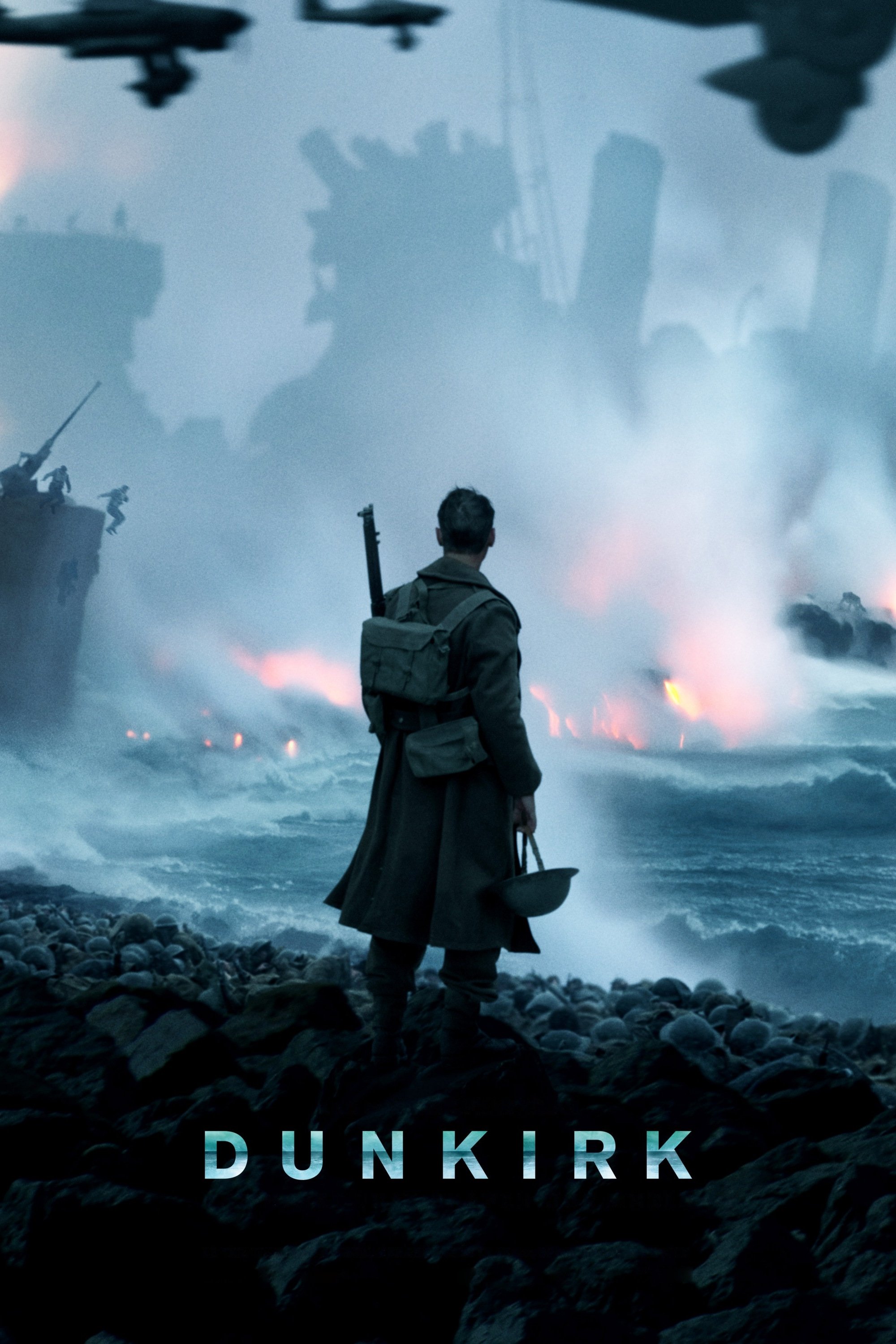
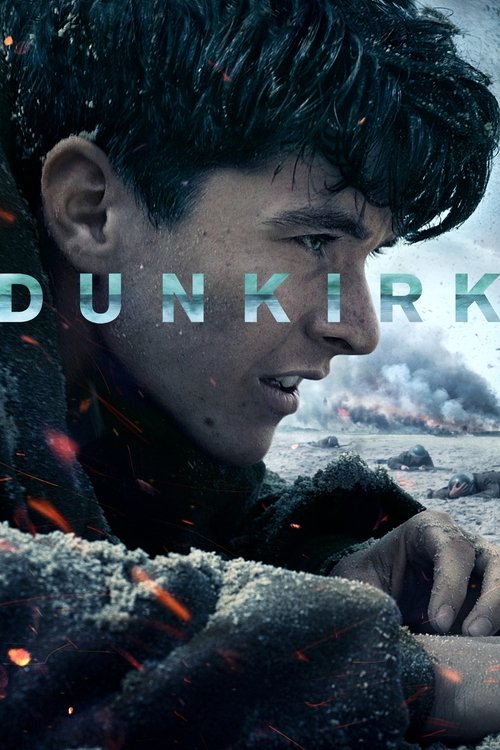
Movie dossier
Dunkirk
A war film stripped down into duration, survival, and formal urgency.
Latest video signal
Trailer slot ready
A widescreen slot for the newest official trailer, interview, or scene signal when the page has a playable source.
Why it matters
Dunkirk is Nolan proving he can tell a massive historical story with very little fat, turning time compression into pure physical anxiety.
Craft read
Land, sea, and air timelines creating converging pressure
Less character biography, more immersion and peril
One of his leanest and most formally disciplined films
Themes
Cast and context
Coverage status
A fully shaped Cinema One case: the movie has enough authored context, pathway links, and argument to feel like more than a catalog entry.
Production notes
- • A major formal Nolan achievement.
- • The stripped-down approach is the point, not a limitation.
- • Should read on the site as a distinct Nolan mode.
Watch-next pathway
What should you do after Dunkirk?
Three intentional continuations: stay with the filmmaker, chase the dominant pressure signal, or jump into the shelf or argument that best explains why this movie belongs here.
The Dark Knight
The cleanest next move if Christopher Nolan's control, obsessions, or rhythm are what hooked you here.
More survival
Use the taste map to find movies, arguments, and shelves that share this page's strongest signal.
Cathedral Scale
Big-screen movies built around scale, countdown pressure, and the feeling that spectacle only matters because consequence rides inside it.
Movie-page argument
Defend Dunkirk.
If this movie has a scene, performance, ending, or idea people underrate, make the case. The best defenses can become future Cinema One argument material.
Scene challenge
Pick the scene that proves it.
Cinema One is built around scenes that unlock the movie. Tell us which moment carries the pressure, style, argument, or rewatch charge.
Signature scene: the little boats arriving out of civilian nowhere
Dunkirk’s emotional pivot is not a speech or a duel, it is the sight of ordinary civilian boats turning rescue into something like collective grace. Nolan keeps the scene plain enough that the force comes from timing, scale, and relief rather than sentimentality.
Line worth carrying forward
"You can practically see it from here." The line condenses the movie’s cruel geometry, home as visible promise and unreachable distance. Dunkirk keeps survival tense by making rescue feel close enough to imagine but never secure enough to trust.
Why the ending feels triumphant and chastened at once
Dunkirk closes by refusing simple victory language. The rescue matters enormously, but Nolan frames it as endurance, humility, and regrouping rather than conquest. That tonal choice is why the ending stirs people without pretending the war has been redeemed.
Steelman the debate
A fair critique is that Dunkirk strips character interiority down so aggressively that the film can feel more admired than felt. The best defense is that its impersonality is strategic. Nolan is trying to make duration, peril, and collective survival the protagonists, and the resulting austerity is exactly what gives the movie its rare pressure.
More from this director
Related picks
Read next
Dunkirk strips war-movie psychology down to time, space, and immediate peril, then finds feeling inside the compression.
Insomnia is often treated like a side assignment, but it already shows Nolan turning moral fatigue and unstable perception into atmosphere.
Tenet divides audiences for good reason, but its appeal is inseparable from the feeling that Nolan built a movie where time itself behaves like an antagonist.