
Dunkirk and the Power of Treating Survival as Pure Duration
Dunkirk strips war-movie psychology down to time, space, and immediate peril, then finds feeling inside the compression.
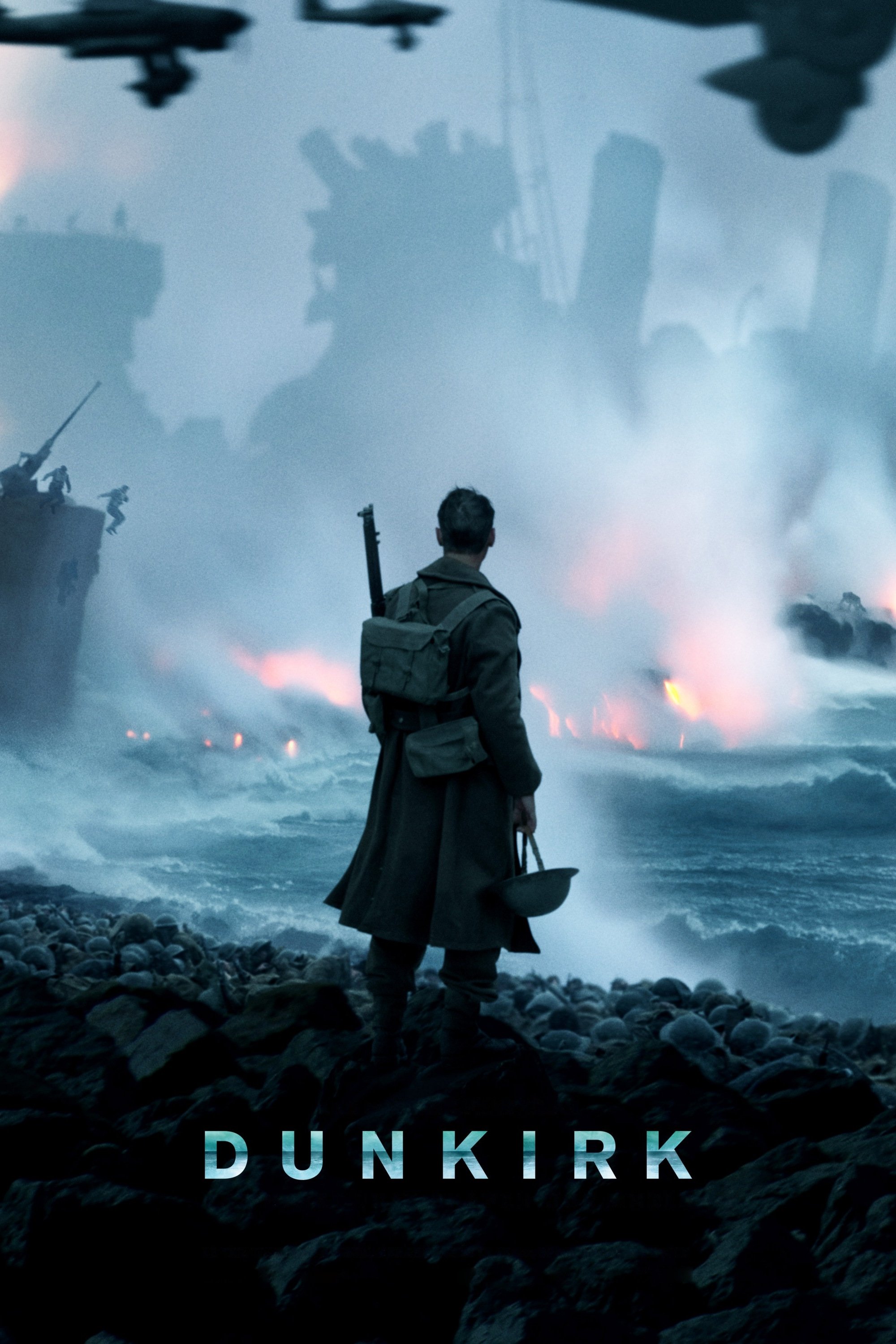
Dunkirk is one of Nolan’s boldest formal moves because it refuses many of the comforts audiences expect from war cinema. There is little speechifying, little backstory, and very little interest in heroic self-explanation. Instead, the film turns evacuation into a temporal machine where air, sea, and land each produce a different form of dread.
War Without the Usual Framing
The movie’s brilliance is that it makes survival itself dramatic enough. Nolan does not need extensive motivational speeches because the conditions are already legible, fuel is low, the beach is exposed, the sea is unstable, and the sky is lethal. Stakes arrive through design.
Compression as Emotion
Dunkirk can look cool from the outside, but its real achievement is how compression becomes feeling. The nested timelines are not there to show off. They let the movie turn waiting, panic, and rescue into one continuous pressure field.
Why It Keeps Rising in Nolan Rankings
For many viewers, Dunkirk improves with distance because its rigor becomes easier to appreciate once you stop asking it to behave like a conventional combat epic. It is a survival symphony, stripped down until rhythm and jeopardy do almost everything.




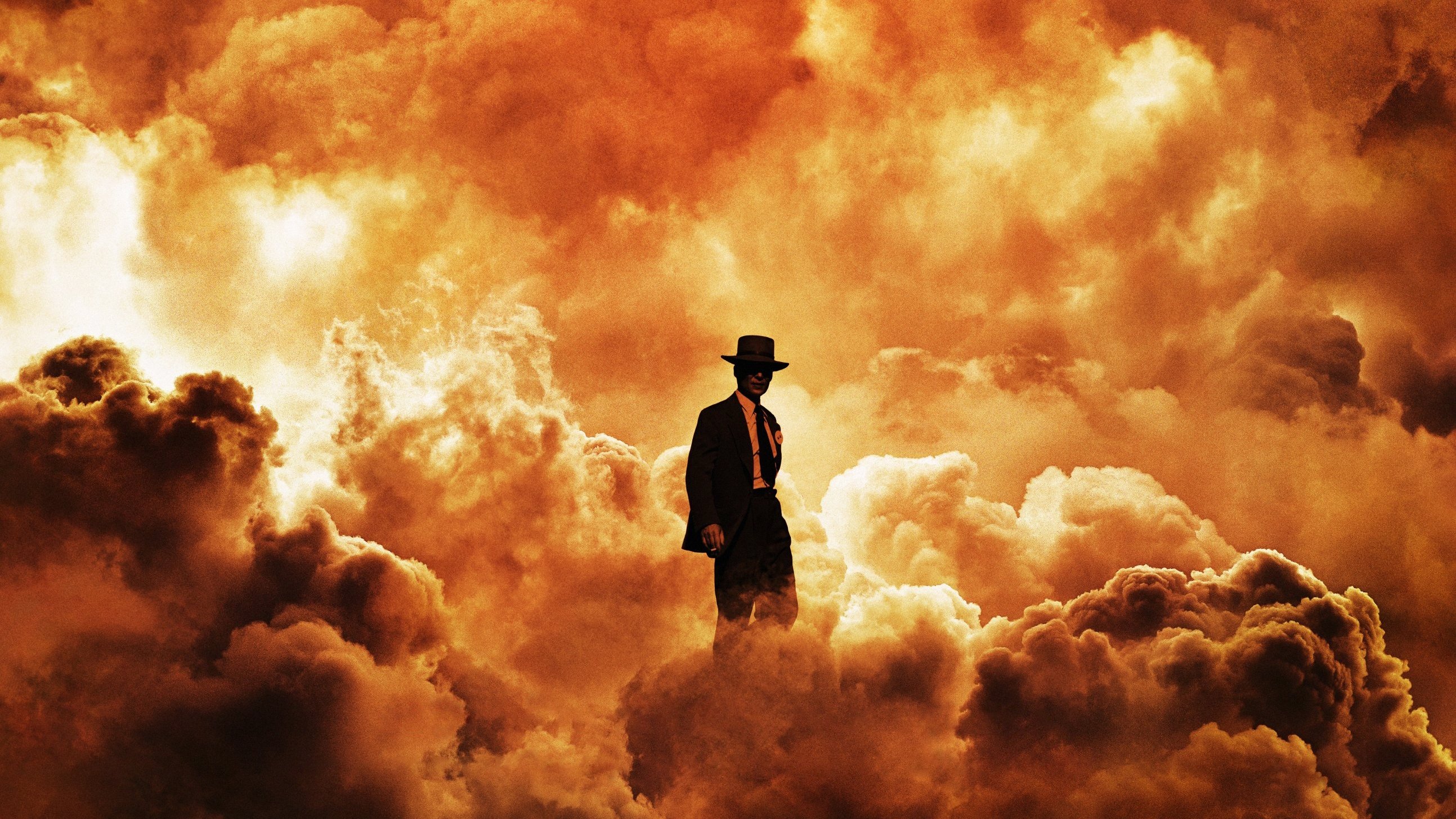
Oppenheimer and the Chain Reaction of Consequence
Nolan’s historical drama feels so alive because it treats hearings, conversations, and scientific breakthroughs like stages of the same moral detonation.
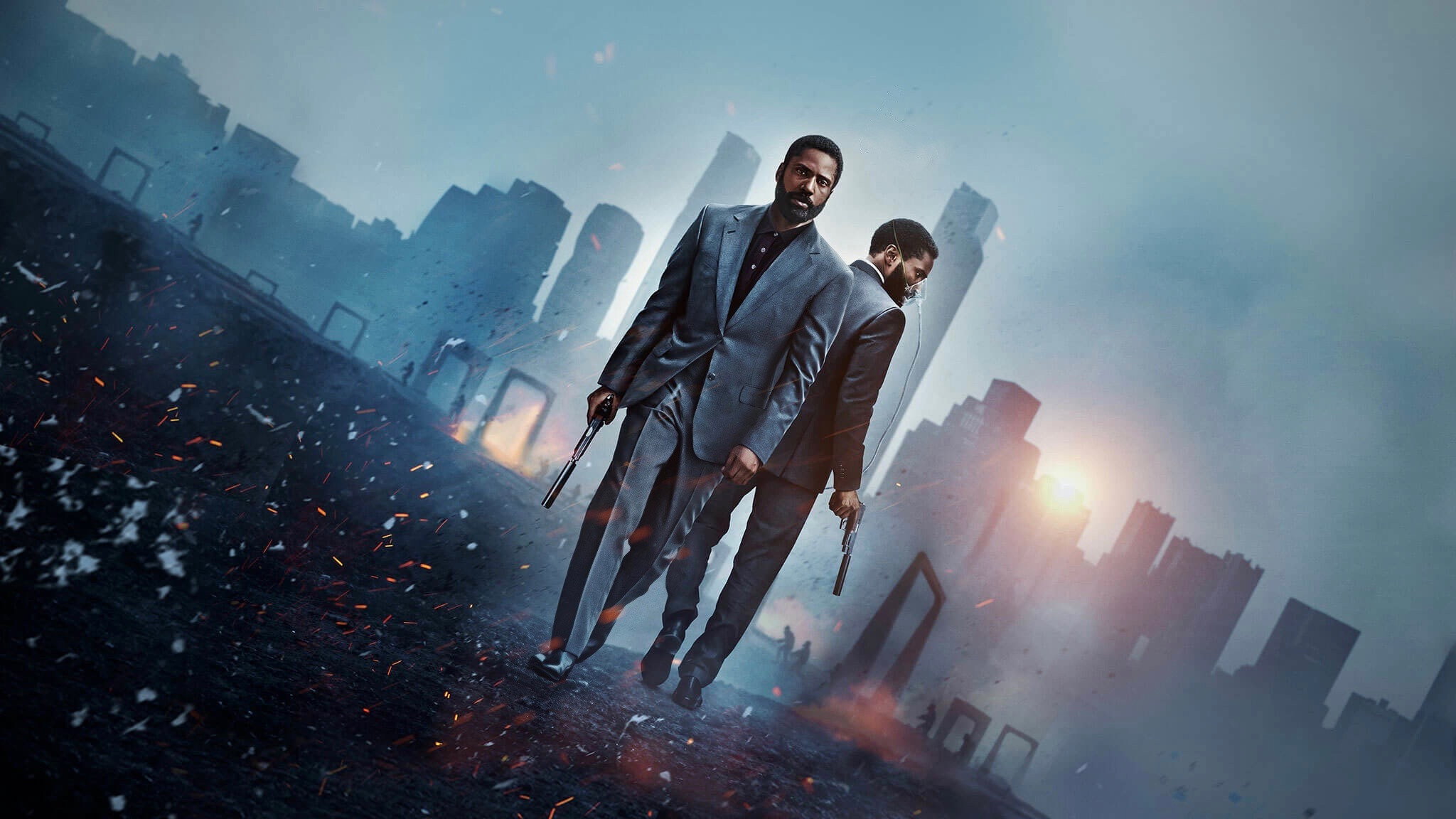
Tenet and the Thrill of a Blockbuster That Refuses to Simplify Its Hostile World
Tenet divides audiences for good reason, but its appeal is inseparable from the feeling that Nolan built a movie where time itself behaves like an antagonist.
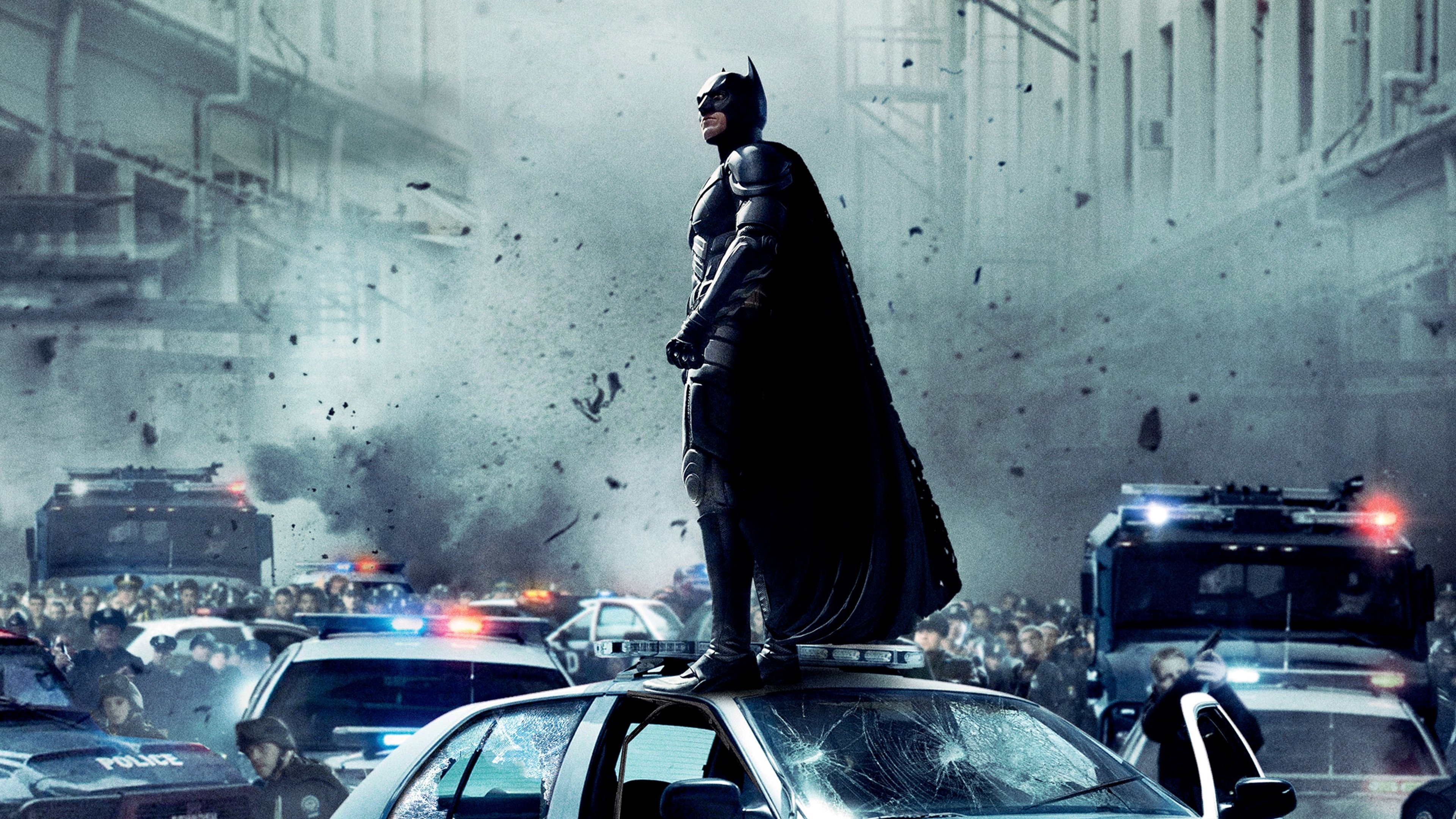
The Dark Knight Rises and the Operatic Cost of Ending a Myth
Messier than The Dark Knight, yes, but also one of Nolan’s biggest swings at turning blockbuster closure into civic and personal reckoning.
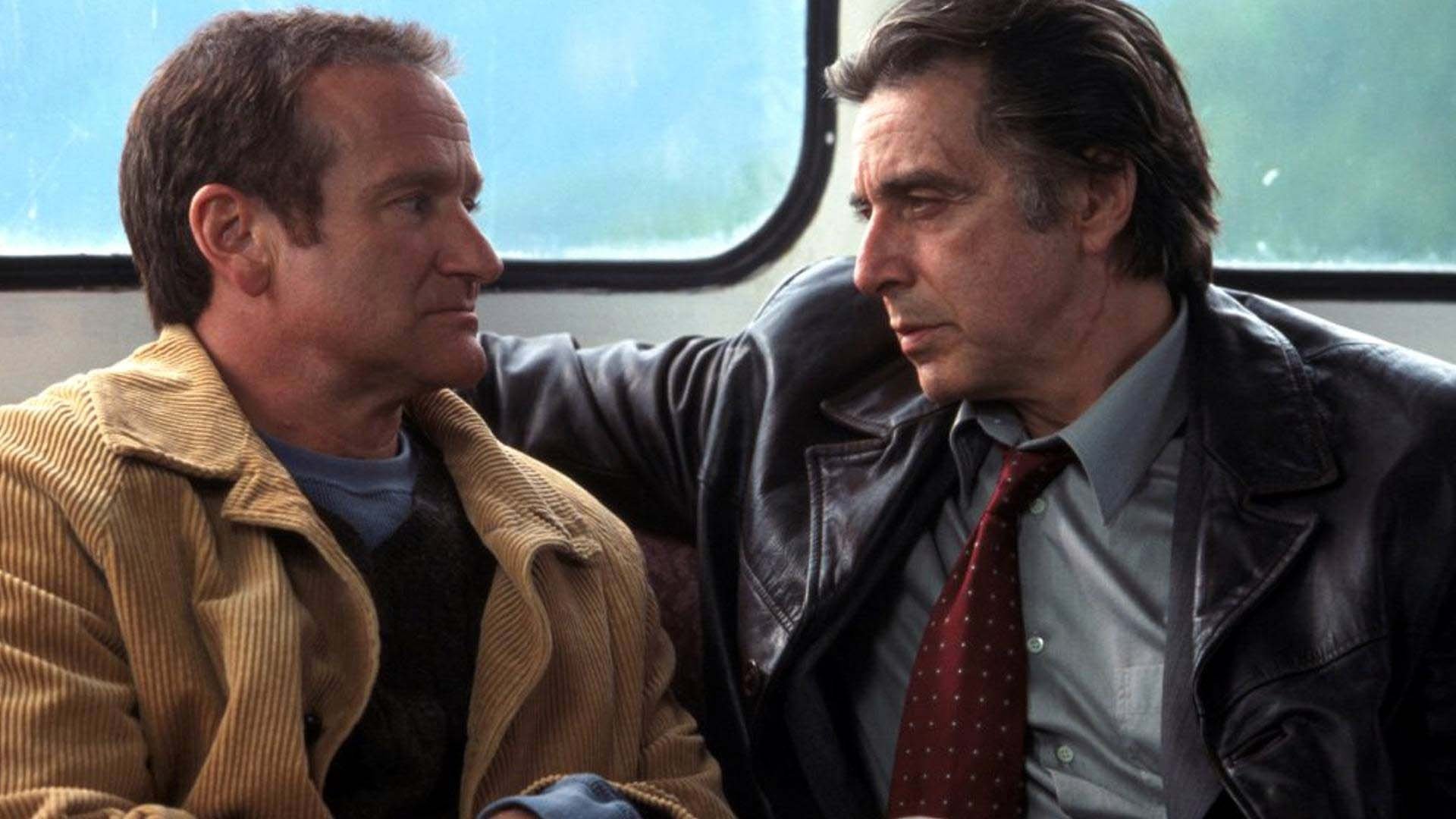
Insomnia and the Nolan Trick of Making Guilt Feel Environmental
Insomnia is often treated like a side assignment, but it already shows Nolan turning moral fatigue and unstable perception into atmosphere.