
The Dark Knight Rises and the Operatic Cost of Ending a Myth
Messier than The Dark Knight, yes, but also one of Nolan’s biggest swings at turning blockbuster closure into civic and personal reckoning.
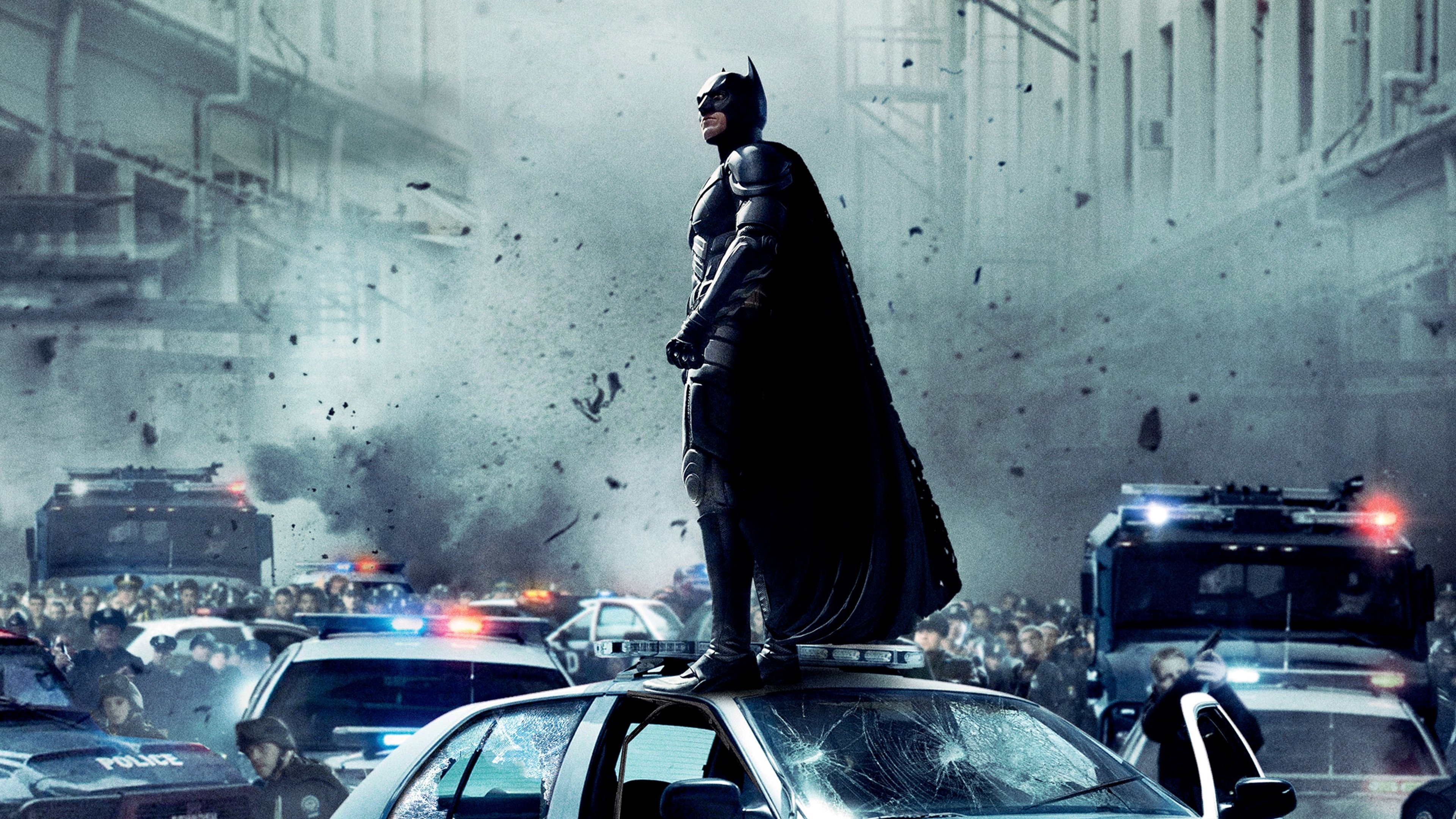
The Dark Knight Rises tends to live in the shadow of its predecessor, but that can hide what is distinctive about it. This is not a film trying to top The Dark Knight beat for beat. It is trying to close a trilogy by asking what happens when a symbol ages, a city softens into complacency, and a hero has to return in a broken state rather than a triumphant one.
Scale as Political Theater
Nolan makes Gotham feel less like a comic-book backdrop and more like a city vulnerable to spectacle, grievance, and opportunistic revolution. Bane’s project is crudely theatrical by design, which gives the movie a fascinating interest in how public myths can be weaponized from both sides.
Bruce Wayne as Worn-Down Figure
One of the film’s strongest ideas is that Bruce begins as a diminished man rather than a functioning guardian. The comeback structure matters because it lets the finale play like recovery and succession at once, not just another chapter in an endless franchise loop.
Why the Finale Lands for Defenders
The movie works best when read as operatic closure rather than precision engineering. It is about inheritance, public morale, and the question of whether a symbol can survive the person who carried it. That is why its emotional register runs so large.
The Dark Knight Rises
2012 • Christopher Nolan
A fire will rise.
Movies to pair with this read
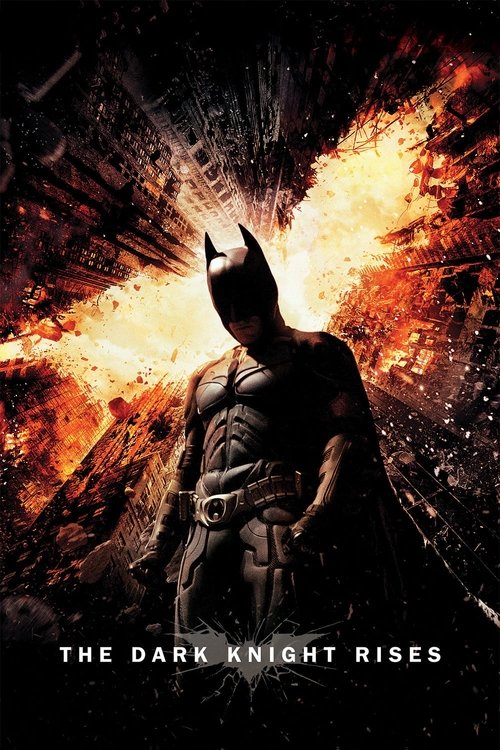


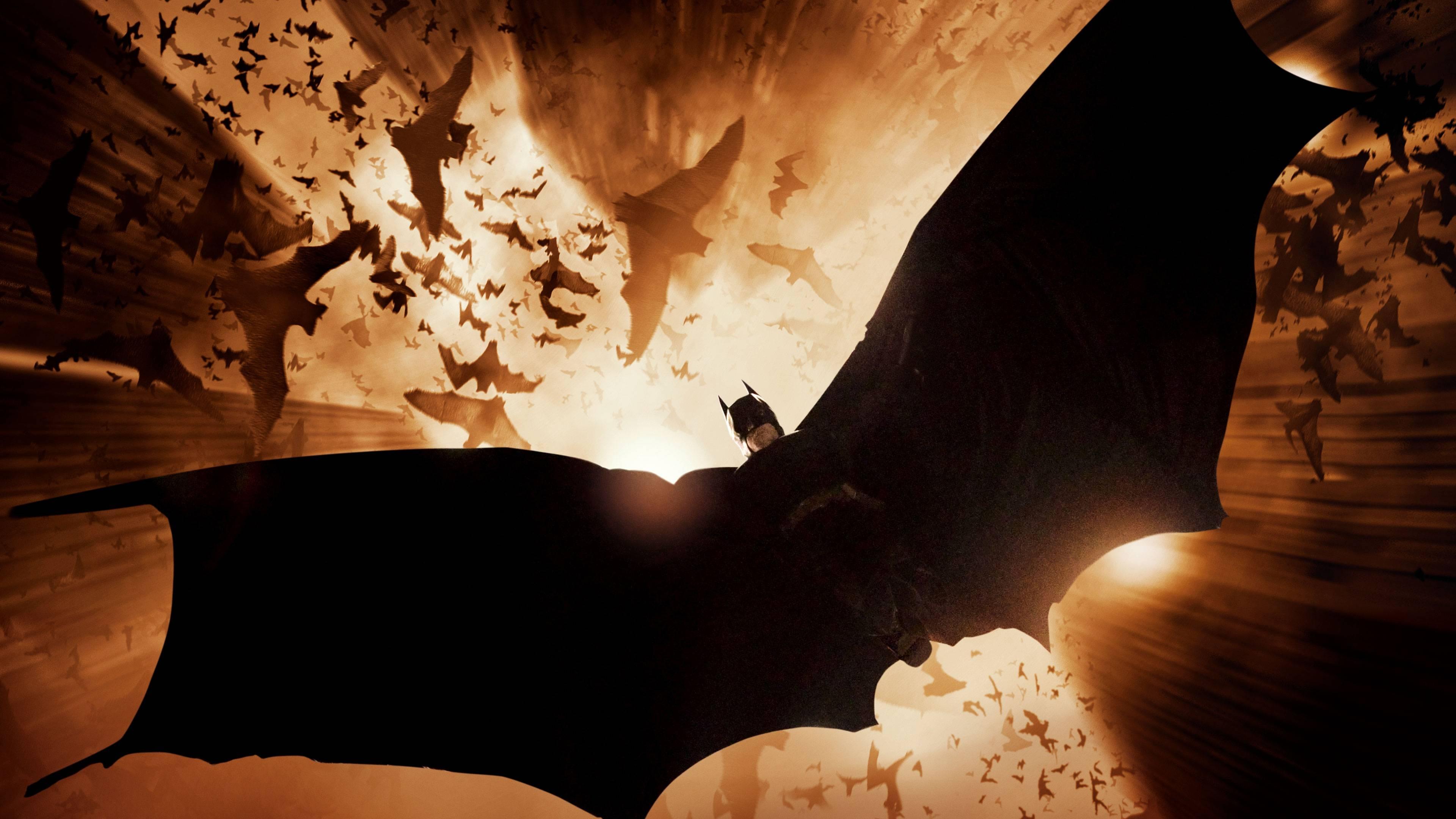
Batman Begins and the Franchise Miracle of Rebuilding the Myth First
Before The Dark Knight became the prestige benchmark, Batman Begins did the harder job of making Batman dramatically credible again.
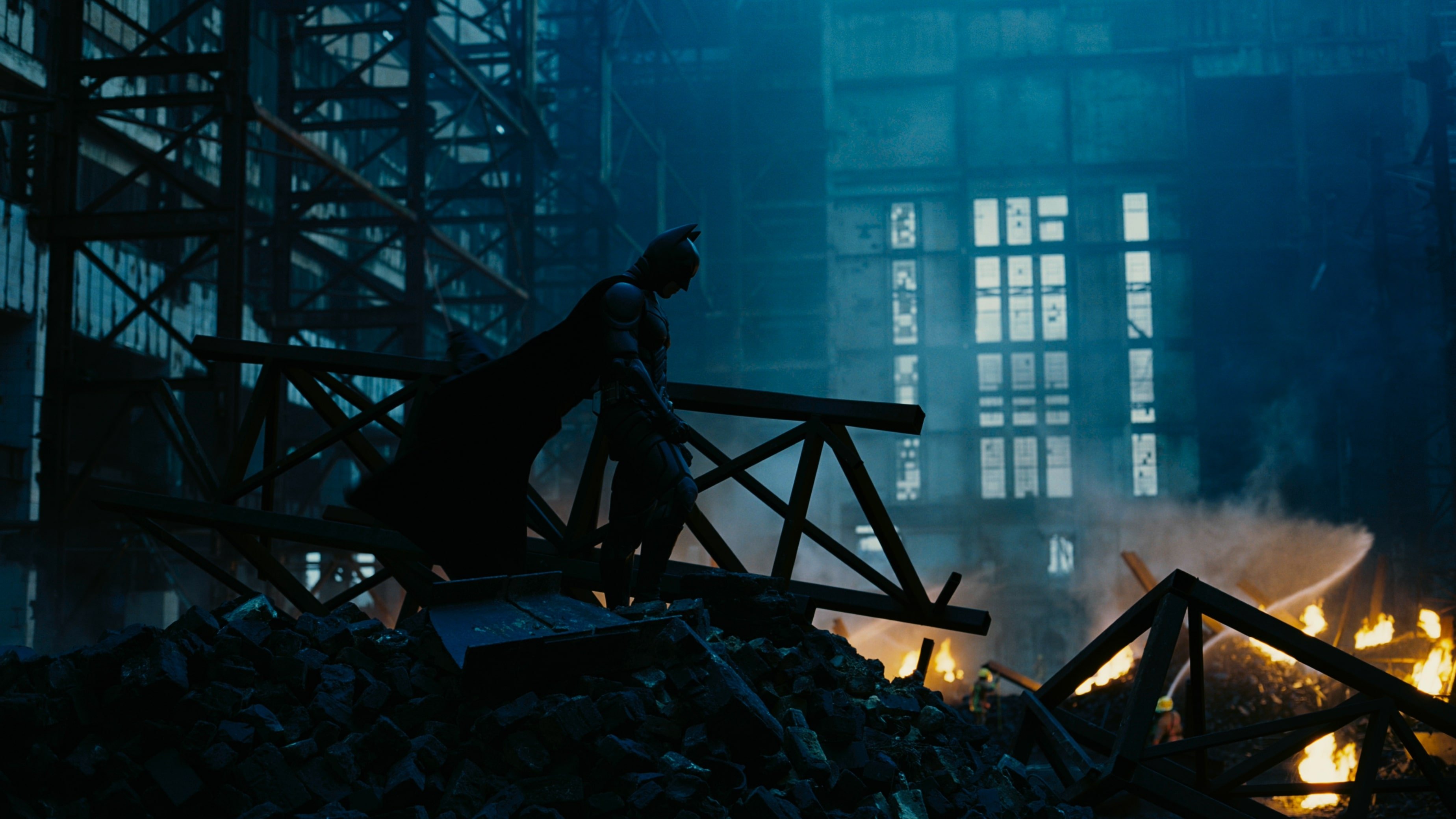
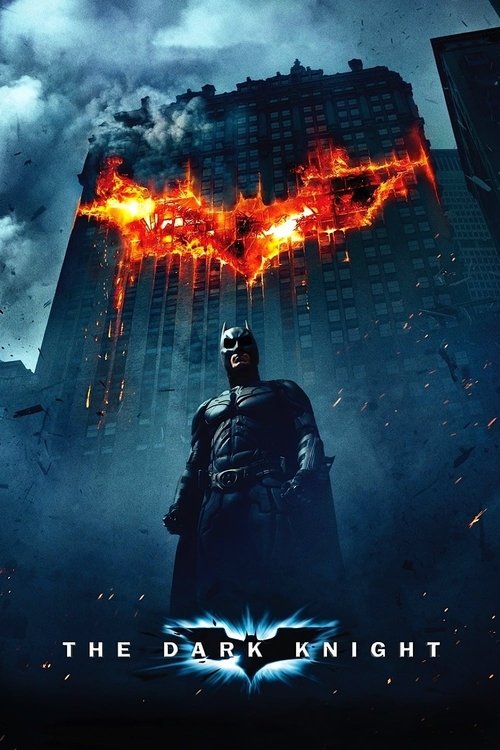
The Dark Knight: Order, Chaos, and the Hero's Moral Dilemma
How Christopher Nolan elevated superhero cinema by exploring the philosophical battle between Batman and the Joker.
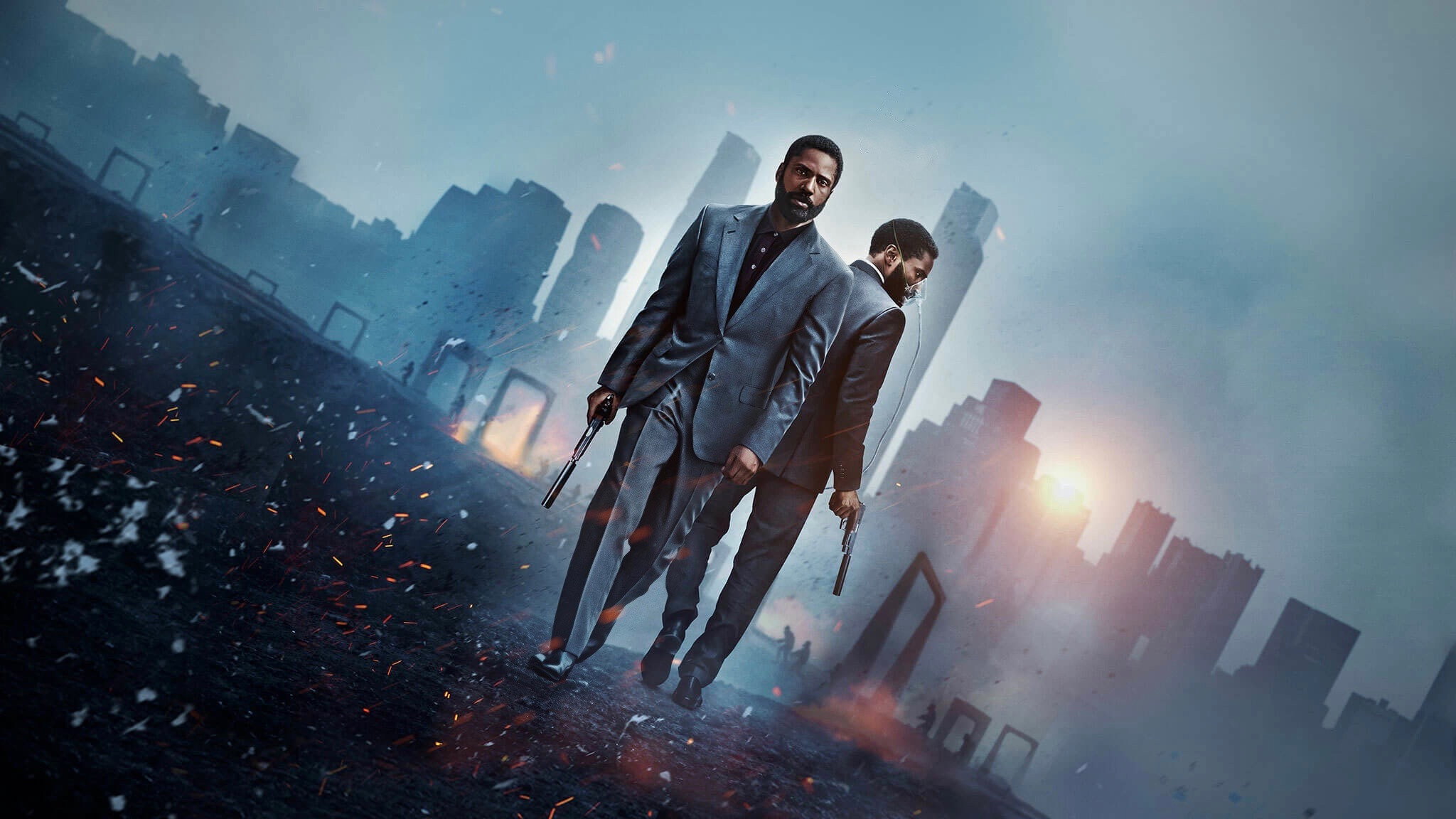
Tenet and the Thrill of a Blockbuster That Refuses to Simplify Its Hostile World
Tenet divides audiences for good reason, but its appeal is inseparable from the feeling that Nolan built a movie where time itself behaves like an antagonist.
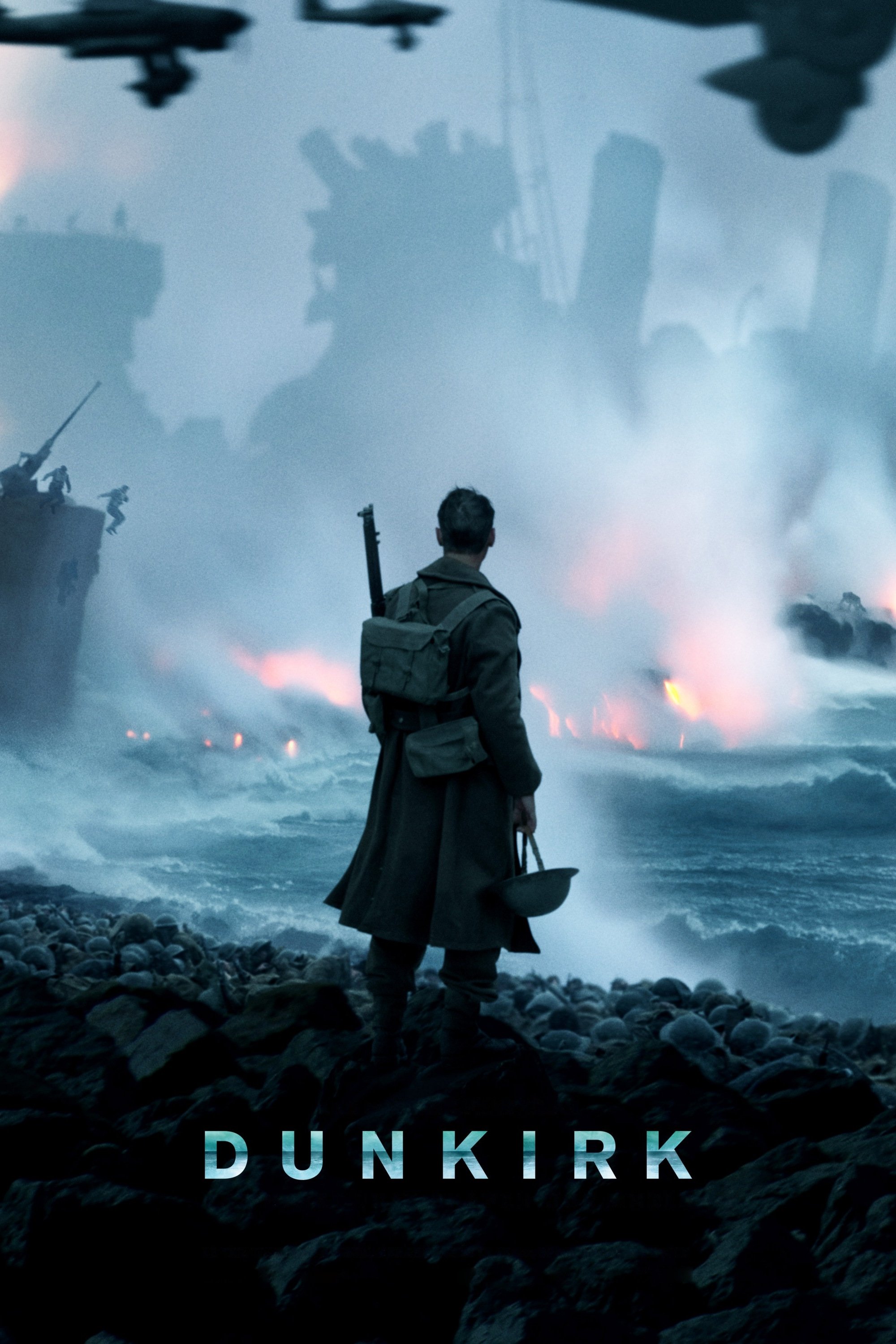
Dunkirk and the Power of Treating Survival as Pure Duration
Dunkirk strips war-movie psychology down to time, space, and immediate peril, then finds feeling inside the compression.