
The Dark Knight Rises
Find the movies with rewatch gravity, live dossiers, and unfinished cases worth deepening.
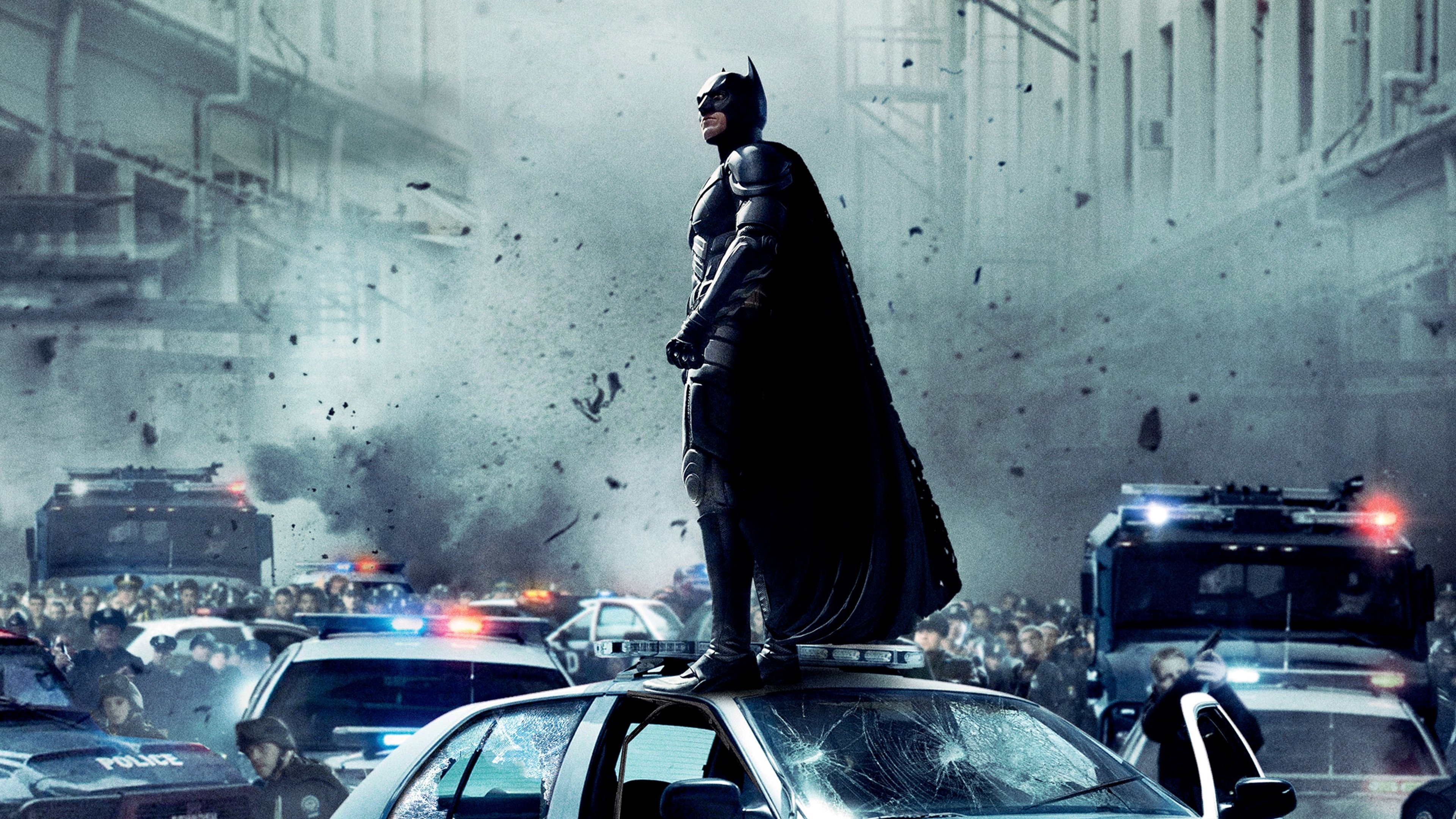
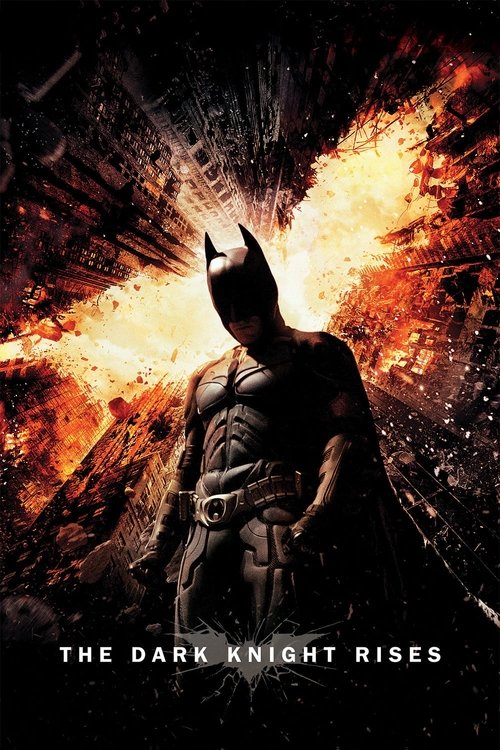
Movie dossier
The Dark Knight Rises
The bruised, oversized finale where Nolan turns superhero closure into siege, collapse, and myth repair.
Latest video signal
Trailer slot ready
A widescreen slot for the newest official trailer, interview, or scene signal when the page has a playable source.
Why it matters
The Dark Knight Rises matters because it completes the trilogy by refusing to chase only escalation. Instead it asks what recovery, exhaustion, class anger, and symbolic rebirth look like after the system has already been broken.
Craft read
Citywide disaster movie wrapped inside superhero mythology
Trilogy closer built around recovery, burden, and return
One of Nolan’s most arguable major films, which makes it ideal for curation
Themes
Cast and context
Coverage status
A fully shaped Cinema One case: the movie has enough authored context, pathway links, and argument to feel like more than a catalog entry.
Production notes
- • Important not to let this become only the not-Dark-Knight page.
- • Bane, Bruce’s broken body, and Gotham under occupation give the film a distinct identity.
- • A good Cinema One page can help frame what the movie is actually attempting beyond franchise wrap-up.
Watch-next pathway
What should you do after The Dark Knight Rises?
Three intentional continuations: stay with the filmmaker, chase the dominant pressure signal, or jump into the shelf or argument that best explains why this movie belongs here.
The Dark Knight
The cleanest next move if Christopher Nolan's control, obsessions, or rhythm are what hooked you here.
More collapse
Use the taste map to find movies, arguments, and shelves that share this page's strongest signal.
Cathedral Scale
Big-screen movies built around scale, countdown pressure, and the feeling that spectacle only matters because consequence rides inside it.
Movie-page argument
Defend The Dark Knight Rises.
If this movie has a scene, performance, ending, or idea people underrate, make the case. The best defenses can become future Cinema One argument material.
Scene challenge
Pick the scene that proves it.
Cinema One is built around scenes that unlock the movie. Tell us which moment carries the pressure, style, argument, or rewatch charge.
Signature scene: Bruce climbing out of the pit
The pit sequence is the movie in miniature, battered body, symbolic ascent, and faith reassembled under pressure. It is mythic in a more overt way than the earlier films, and that willingness to go broad is part of why the scene stays potent.
Line worth carrying forward
"There can be no true despair without hope." The line explains why The Dark Knight Rises keeps reaching for something grander than pure siege mechanics. The movie needs hope present inside collapse, because rebirth only matters if loss first feels total.
Why the ending divides and lands
The finale works best if you accept that Rises is chasing legend as much as realism. Nolan ends on release instead of burden this time, and whether that feels earned depends on how much you buy the trilogy’s turn from urban pressure into mythic closure.
Steelman the debate
The strongest critique is that The Dark Knight Rises is baggy, overstuffed, and less disciplined than its predecessor. The best defense is that its excess is tied to its ambition. The movie is not trying to be a tighter repeat of The Dark Knight, it is trying to stage civic collapse and spiritual restoration at blockbuster scale, which requires a messier kind of grandeur.
More from this director
Related picks
Read next
Messier than The Dark Knight, yes, but also one of Nolan’s biggest swings at turning blockbuster closure into civic and personal reckoning.
Tenet divides audiences for good reason, but its appeal is inseparable from the feeling that Nolan built a movie where time itself behaves like an antagonist.
How Christopher Nolan elevated superhero cinema by exploring the philosophical battle between Batman and the Joker.