Search
Find the right movie, director, article, or collection without falling into database sludge.
Find the strongest way into the room
Find the movie pressure, filmmaker system, shelf, or argument that fits the appetite.
Use the full search page when the question is bigger than a title: pressure rooms, control freaks, survival engines, record-collection movies, and the arguments that connect them.
Search pulse
Recommended route
A cleaner path through “collapse” than a flat result list.
Start with the highest-signal entry, then move through authorship, mood, or argument depending on what the search surfaced.
First click
1Apocalypse Now
Francis Ford Coppola · 1979 · War Drama. Start with the strongest title match, then branch into linked reads and collection lanes.
Then widen the mood
2Paranoia Machines
Containment, distrust, infiltration, and movies that trap characters inside systems they can no longer verify.
Then read the argument
3Aliens and the Brilliant Decision to Turn Survival Horror Into Platoon Panic
A focused read tied to Aliens: Cameron’s sequel works because it does not simply supersize Ridley Scott’s terror. It rebuilds the xenomorph threat around group collapse, siege pressure, and Ripley’s protective ferocity.
Refine this search pass
Movies
Movie matches
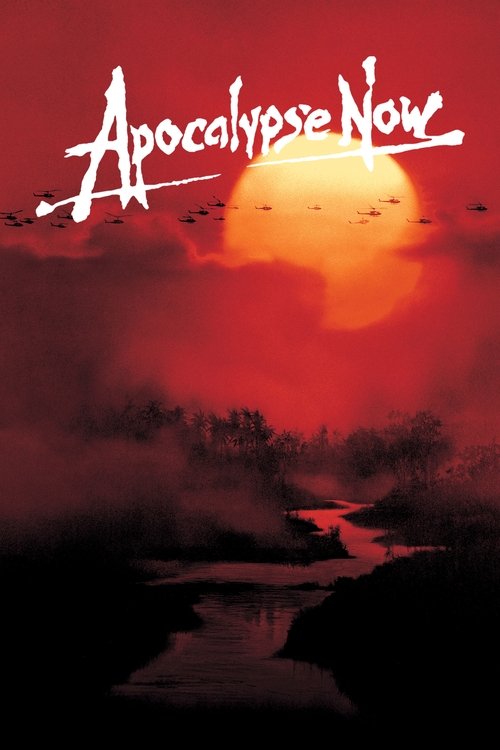
Apocalypse Now
1979Francis Ford Coppola
The horror. The horror.
Next pressure pass: Add an editorial argument card so the page can make a sharper case.
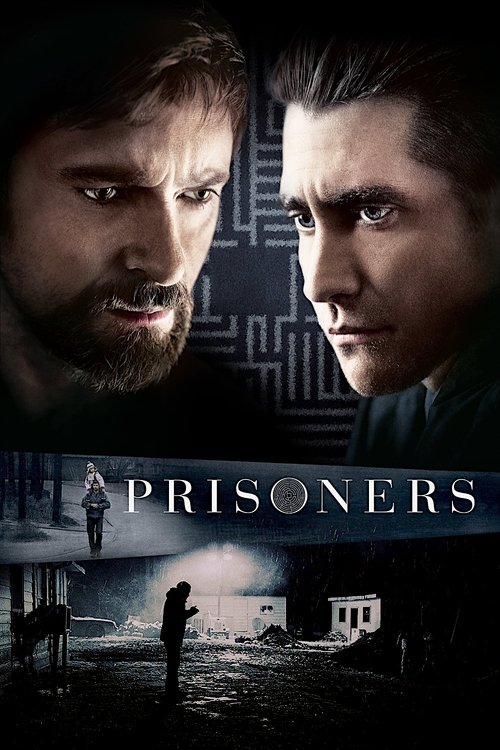
Prisoners
2013Denis Villeneuve
Every moment matters.
Next pressure pass: Add an editorial argument card so the page can make a sharper case.
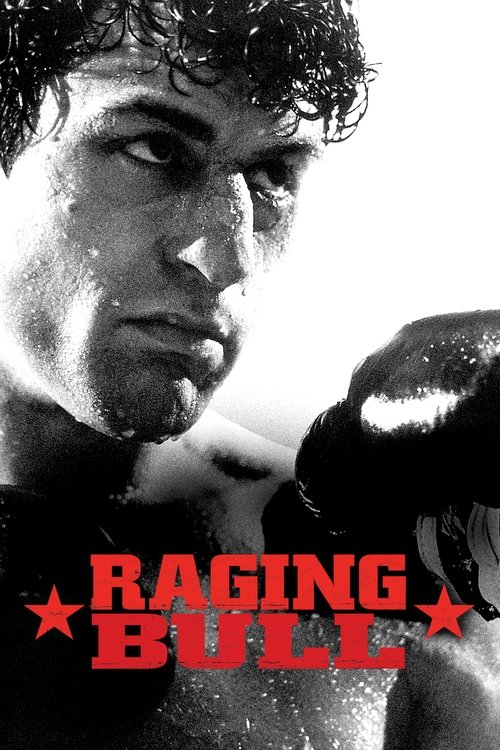
Raging Bull
1980Martin Scorsese
I don’t go down for nobody.
Next pressure pass: This page is in strong shape. Add more authored context only if it serves a bigger lane.
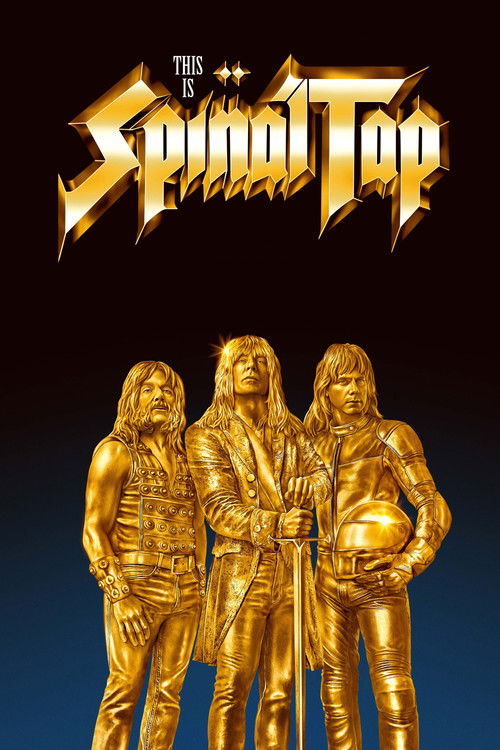
This Is Spinal Tap
1984Rob Reiner
Does for rock and roll what "The Sound of Music" did for hills.
Next pressure pass: This page is in strong shape. Add more authored context only if it serves a bigger lane.
Articles
Editorial matches
Aliens and the Brilliant Decision to Turn Survival Horror Into Platoon Panic
Cameron’s sequel works because it does not simply supersize Ridley Scott’s terror. It rebuilds the xenomorph threat around group collapse, siege pressure, and Ripley’s protective ferocity.
The Godfather Part II and the Inheritance Trap at the Center of Power
Coppola’s sequel expands the family saga by showing how empire building and moral collapse can feel like the same process.
The Thing and the Paranoia Engine of Never Knowing Who Has Changed
John Carpenter’s Antarctic horror masterpiece endures because every creature effect is attached to distrust, isolation, and the collapse of group logic.
Titanic and the Power of Making Industrial Spectacle Feel Emotionally Legible
Titanic lasts because Cameron never treats feeling as the embarrassing part of the enterprise. The romance, class tension, and mechanical catastrophe are all designed to reinforce each other.
Inglourious Basterds and the Thrill of Turning Language Into a Weapon
Tarantino’s war fantasia works because the suspense is not built on firefights first. It is built on who can control the room, the accent, the cover story, and the next sentence.
Get Out and the Horror of Realizing Politeness Is the Trap
Jordan Peele’s breakthrough lands so hard because every smile, compliment, and gesture of welcome feels like part of the extraction system.
Glengarry Glen Ross and the Way Language Becomes Its Own Predatory System
Glengarry Glen Ross still cuts because James Foley stages sales talk as status warfare where every word is either leverage or humiliation.
Goodfellas and the Seduction of a Life That Is Already Rotting
What makes Goodfellas immortal is that Scorsese never separates the rush from the critique. The thrill is the delivery system for the emptiness.
Taxi Driver and the Danger of Letting Alienation Curdle Into Mission
Scorsese’s landmark stays unnerving because it never treats Travis Bickle as a puzzle to solve. It traps us inside a worldview rotting in real time.
Insomnia and the Nolan Trick of Making Guilt Feel Environmental
Insomnia is often treated like a side assignment, but it already shows Nolan turning moral fatigue and unstable perception into atmosphere.
Man on Fire: Tony Scott’s Revenge Movie as Grief Event
What makes Man on Fire hit is not just vengeance. It is the way Tony Scott turns a broken protector’s inner damage into the movie’s whole visual weather system.
Enemy of the State: Surveillance Panic Before Surveillance Became Daily Atmosphere
Tony Scott’s thriller still moves because it understands how terrifying it is when a system can rewrite your life faster than you can explain yourself.
Batman Begins and the Franchise Miracle of Rebuilding the Myth First
Before The Dark Knight became the prestige benchmark, Batman Begins did the harder job of making Batman dramatically credible again.
Interstellar: Engineering, Grief, and the Earnestness That Makes It Work
Interstellar keeps surviving backlash cycles because Nolan ties its cosmic spectacle to separation, time loss, and family grief.
The Dark Knight: Order, Chaos, and the Hero's Moral Dilemma
How Christopher Nolan elevated superhero cinema by exploring the philosophical battle between Batman and the Joker.