
Interstellar: Engineering, Grief, and the Earnestness That Makes It Work
Interstellar keeps surviving backlash cycles because Nolan ties its cosmic spectacle to separation, time loss, and family grief.
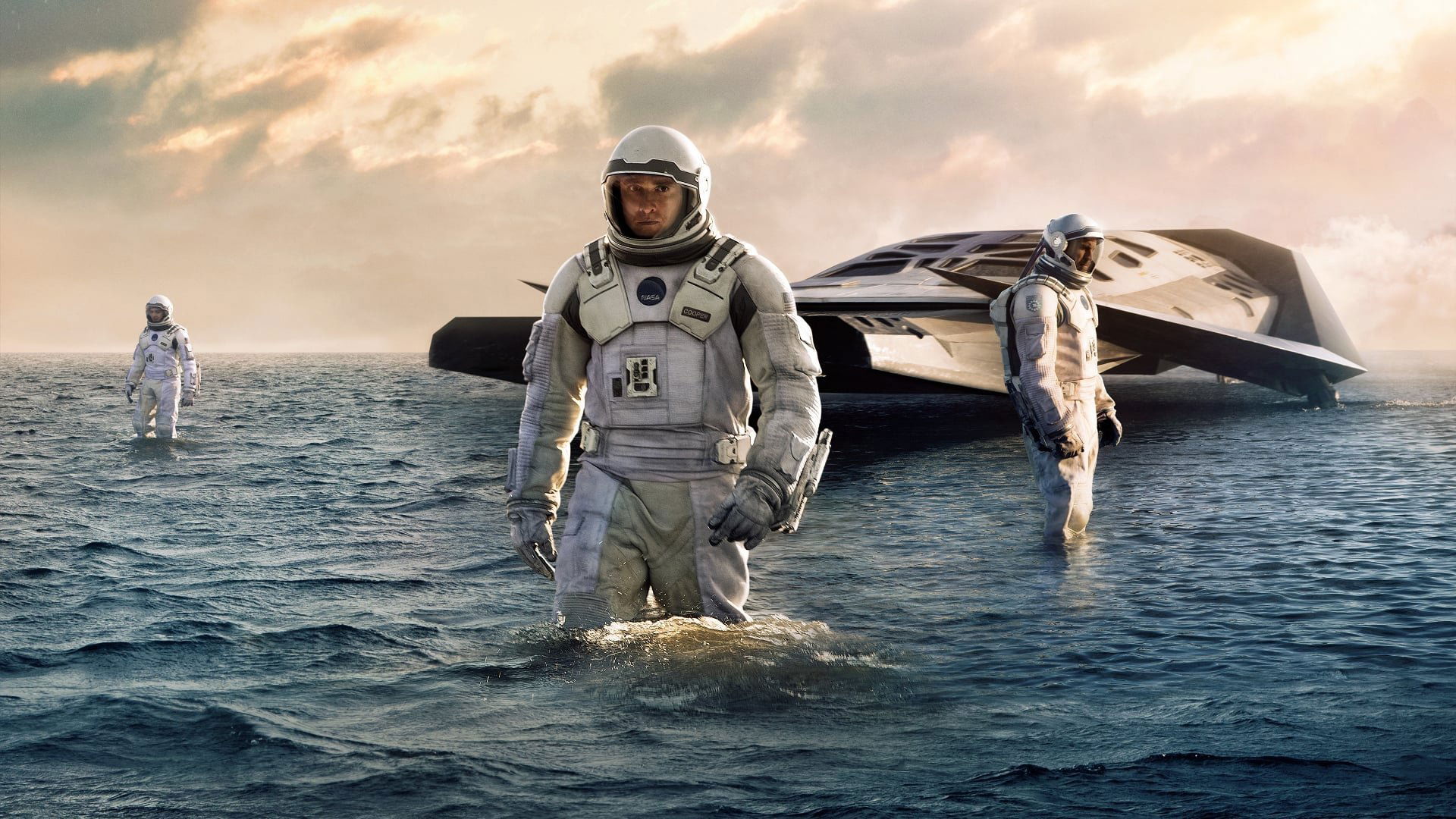
Interstellar works best when you see it not as a science lecture with feelings attached, but as a movie where the engineering is one of the feelings.
Scale With Something at Stake
The wormholes, equations, docking maneuvers, and collapsing timelines matter because the movie gives them emotional pressure. Every scientific problem is also a family problem.
Time as Violence
One of the film’s smartest moves is treating time dilation as heartbreak. Lost years are not abstract here, they arrive as stolen childhood, impossible distance, and guilt that can never be fully repaired.
Why the Earnestness Holds
Interstellar is too sincere for some viewers, but that sincerity is exactly why it lasts. Nolan is trying to make awe and longing hit at the same scale, and the movie would collapse if it acted embarrassed by that ambition.
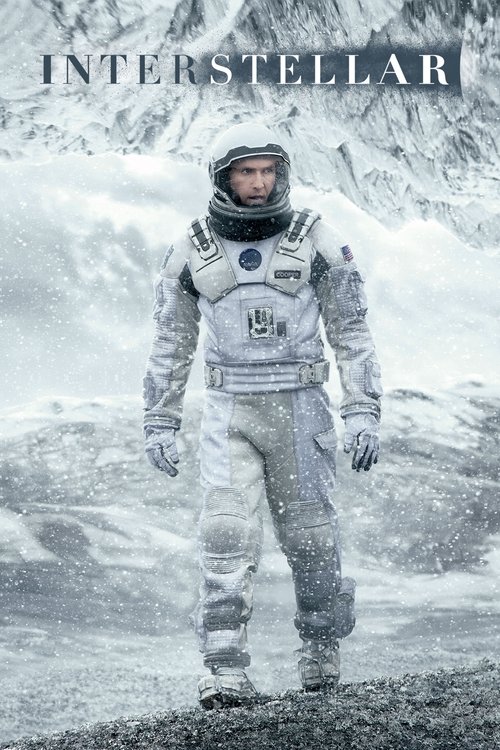
Interstellar
2014 • Christopher Nolan
Mankind was born on Earth. It was never meant to die here.
Movies to pair with this read



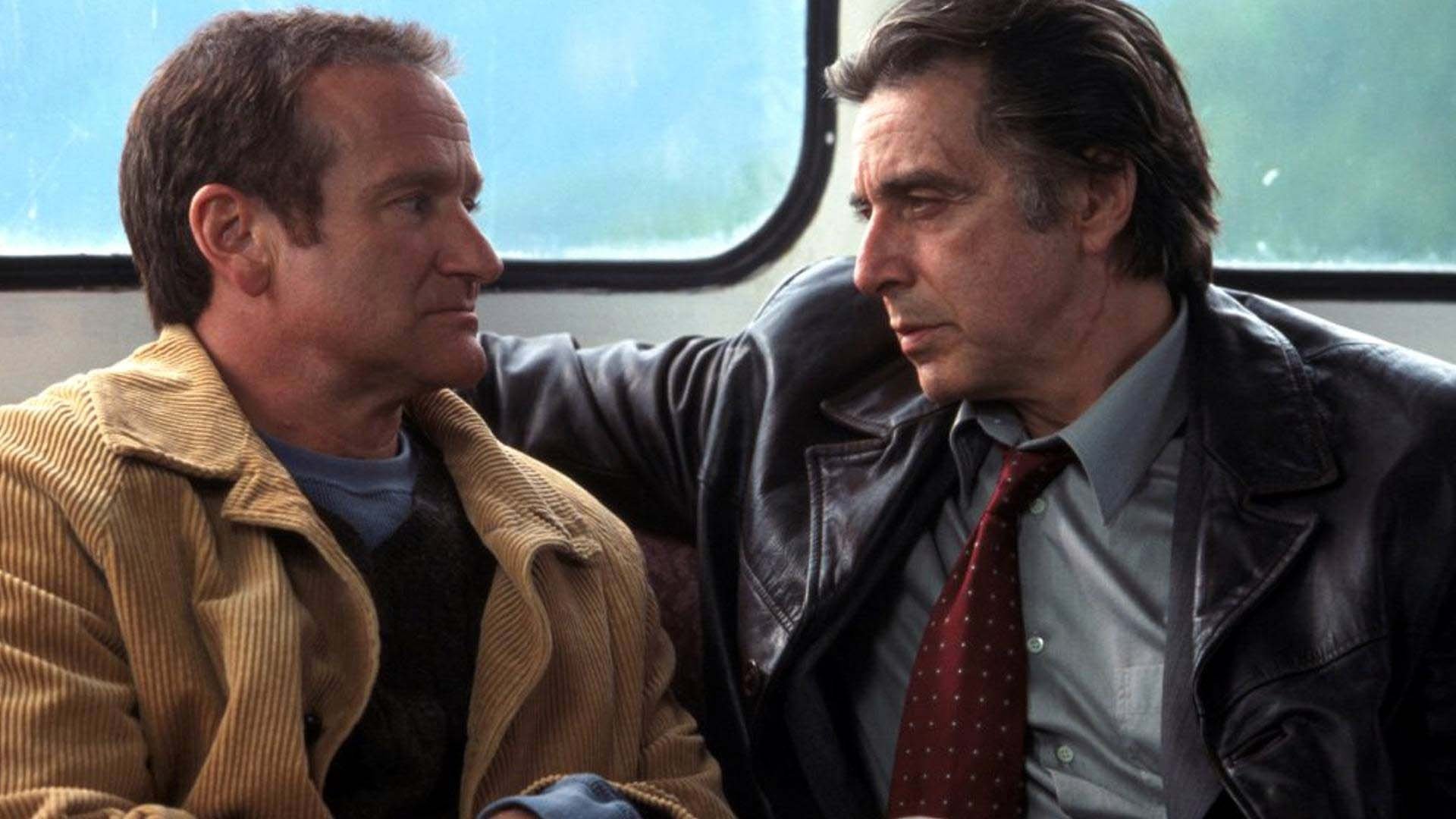
Insomnia and the Nolan Trick of Making Guilt Feel Environmental
Insomnia is often treated like a side assignment, but it already shows Nolan turning moral fatigue and unstable perception into atmosphere.

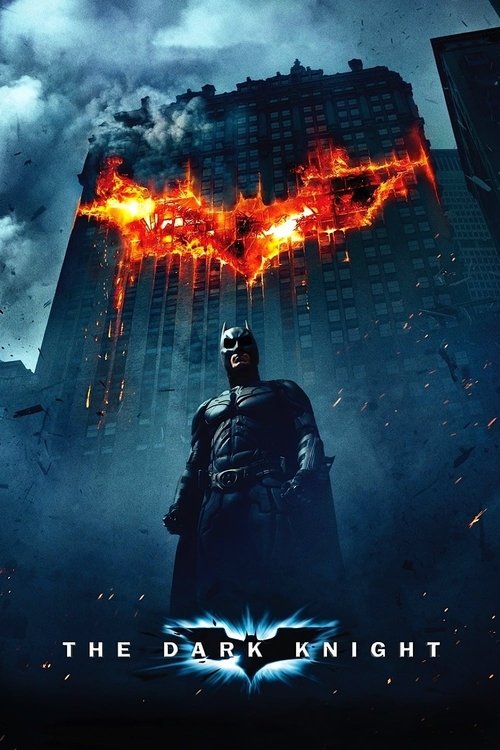
Inception: The Architecture of Dreams and Reality
Christopher Nolan's masterpiece explores the layers of consciousness while questioning the nature of reality itself.
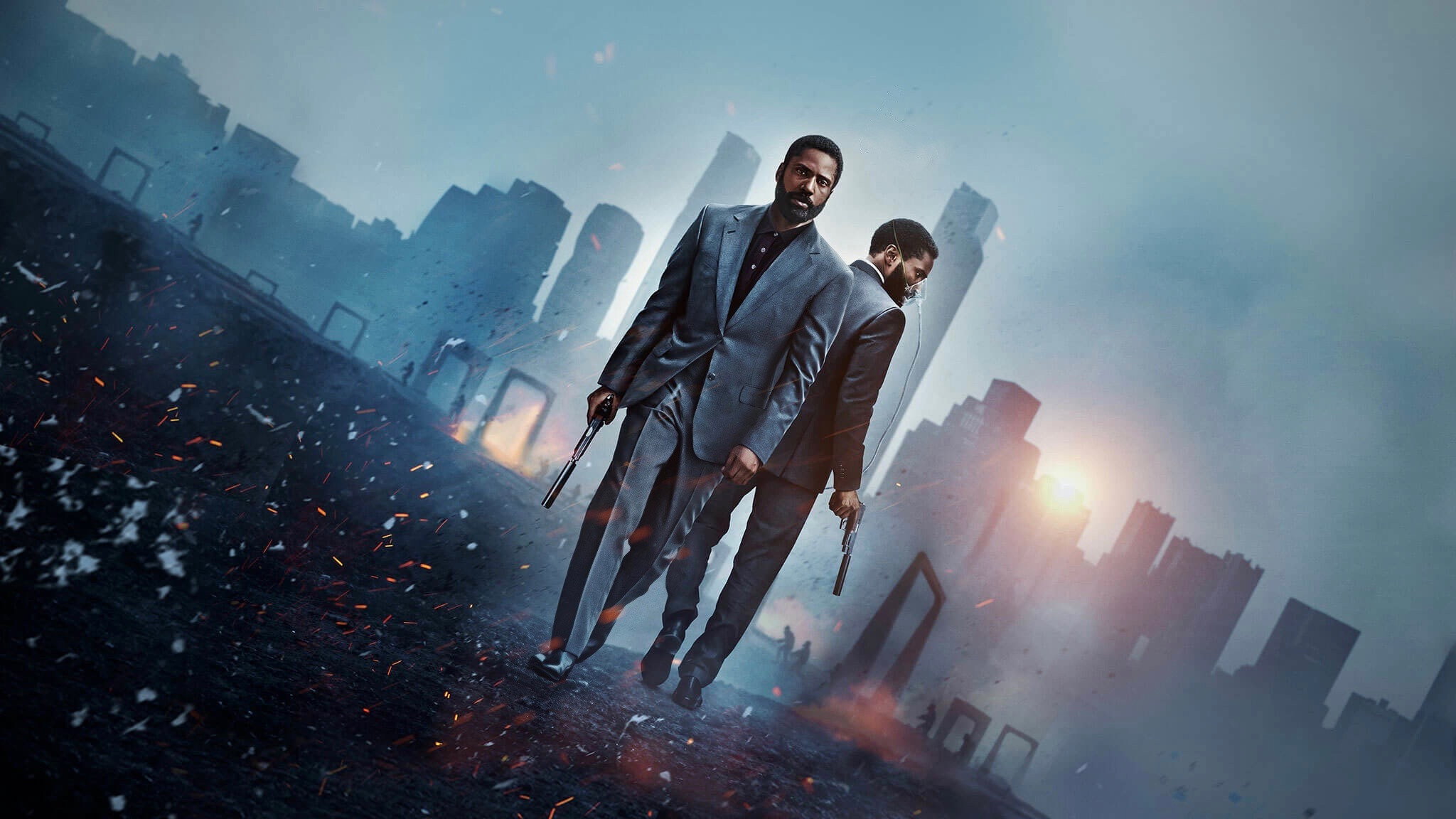
Tenet and the Thrill of a Blockbuster That Refuses to Simplify Its Hostile World
Tenet divides audiences for good reason, but its appeal is inseparable from the feeling that Nolan built a movie where time itself behaves like an antagonist.

Dunkirk and the Power of Treating Survival as Pure Duration
Dunkirk strips war-movie psychology down to time, space, and immediate peril, then finds feeling inside the compression.