Interstellar
Event lane

Cathedral Scale

Big-screen movies built around scale, countdown pressure, and the feeling that spectacle only matters because consequence rides inside it.

Event filmmaking matters most when it still feels authored. These are movies where size is not just budget or noise. It is a delivery system for dread, urgency, sacrifice, and the human cost underneath the image.

large-scalecountdown pressurespectacle with consequence
Start with Interstellar

Why this lane works

What links these picks is not merely size. It is the way they turn scale into emotional or moral architecture, where the image gets larger because the stakes have.

Useful as a blockbuster-defense lane and as a way to connect Nolan-heavy event cinema to other large-format pressure machines.

This shelf exists to name the appetite first, then let the titles argue with each other.

11
Core picks
3
Directors
8.0
Avg rating
1989 to 2026
Year span
10 fully-authored1 strong0 building0 case pending

Ideal for

  • viewers who want event cinema with real pressure under the scale
  • double-features built around deadlines, systems, and massive consequence
  • homepage moments when Cinema One should feel big without turning generic
Program this lane

Three double-feature handoffs for turning the shelf into a night.

Collections should not stop at inventory. These pairings make the editorial path explicit: start sharp, change angle, then decide what the lane is really arguing.

Search this signal

Starter pairing

Interstellar → Dunkirk

Interstellar establishes the large-scale charge; Dunkirk bends that charge into a different shape. Both films keep you inside Christopher Nolan's system, making the second watch feel like a variation instead of a reset. Because the release years sit close together, the pairing plays like two arguments from the same cultural weather.

Open adjacent search
Deeper turn

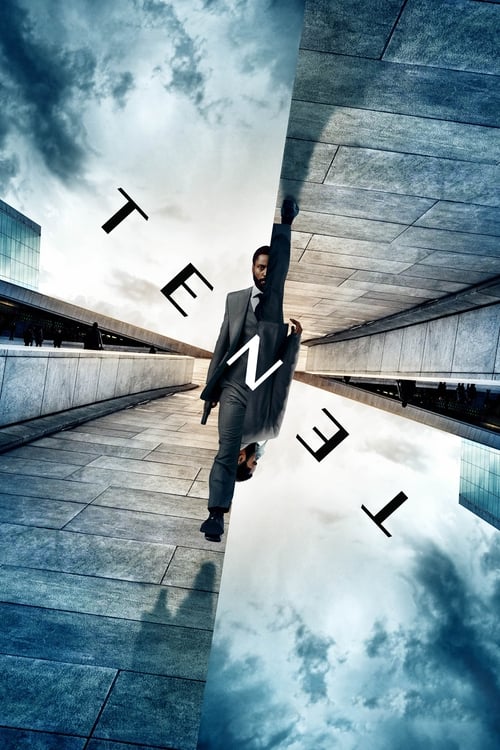
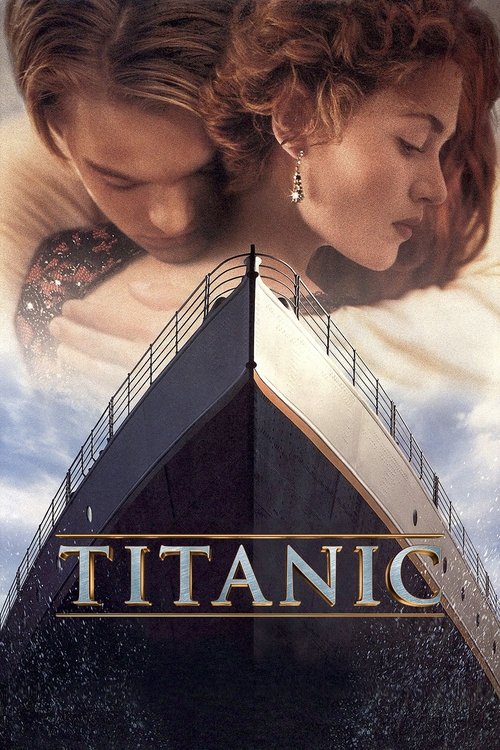
Tenet → Titanic

Tenet establishes the countdown pressure charge; Titanic bends that charge into a different shape. The handoff moves from Christopher Nolan's approach to James Cameron's, so the lane opens wider without losing its signal. The 1997–2020 spread also turns the pairing into a miniature history of the appetite.

Open adjacent search

Late-night close

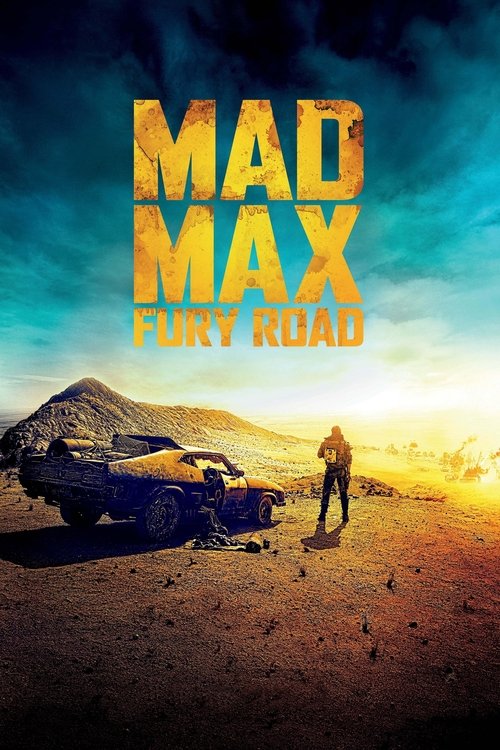
Mad Max: Fury Road → Furiosa: A Mad Max Saga

Mad Max: Fury Road establishes the spectacle with consequence charge; Furiosa: A Mad Max Saga bends that charge into a different shape. Both films keep you inside George Miller's system, making the second watch feel like a variation instead of a reset. Because the release years sit close together, the pairing plays like two arguments from the same cultural weather.

Open adjacent search
Collection picks

The movies that define the lane.

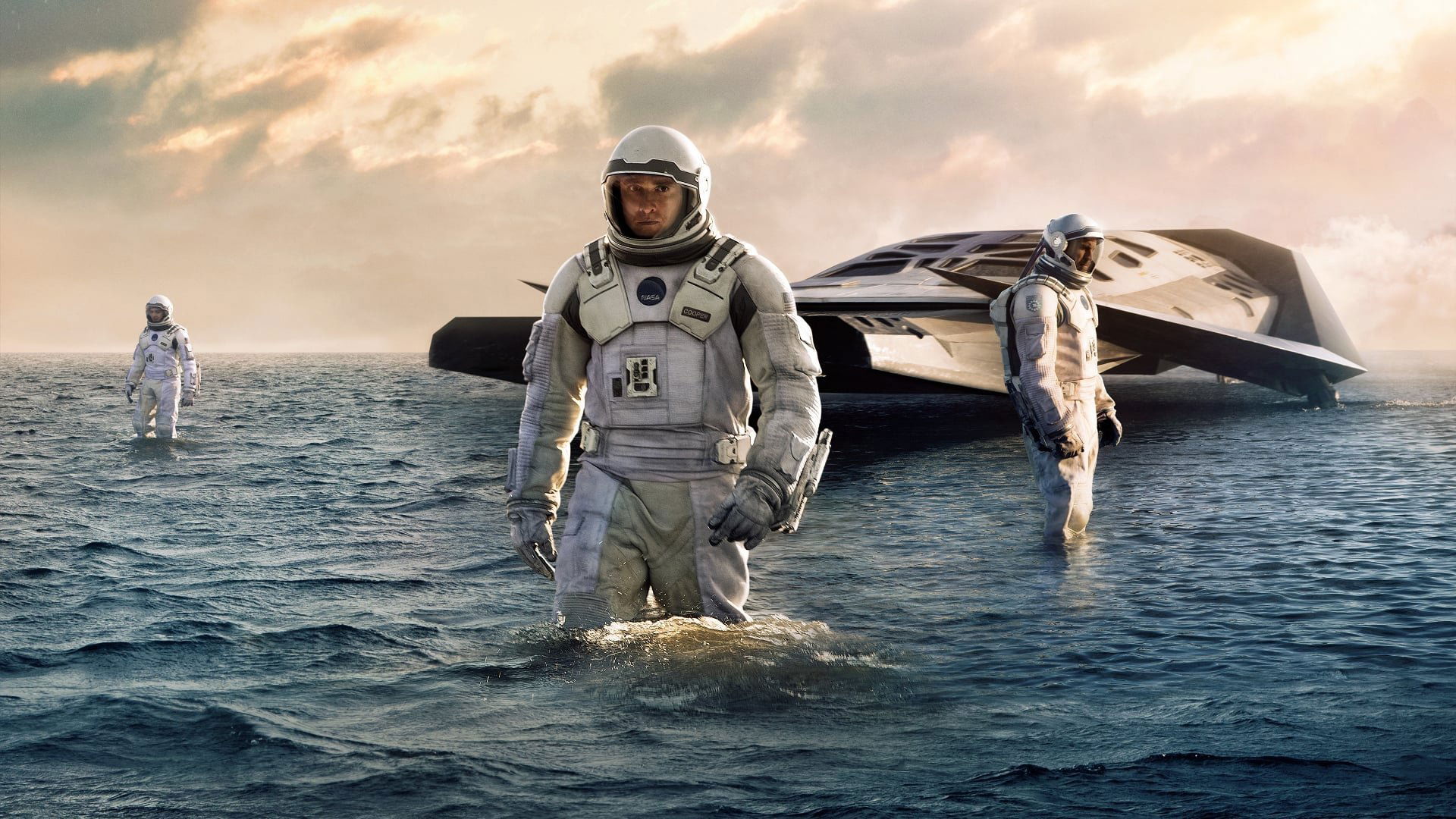
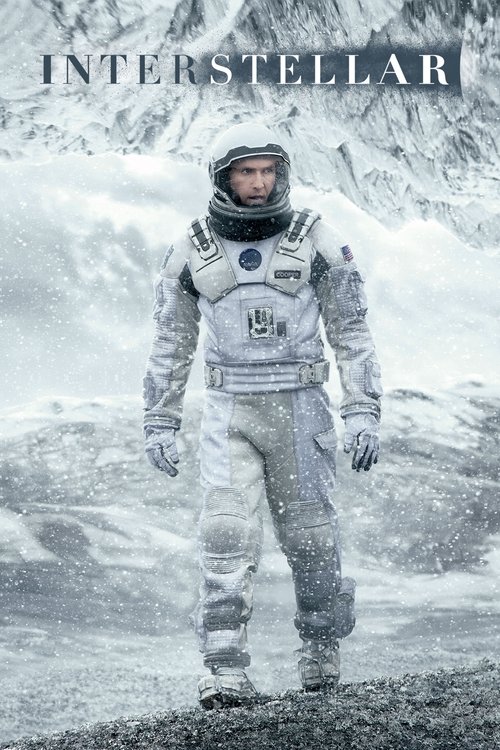
Interstellar
Interstellar
Christopher Nolan2014

A former pilot joins a desperate interstellar mission to find a future for humanity beyond a dying Earth.

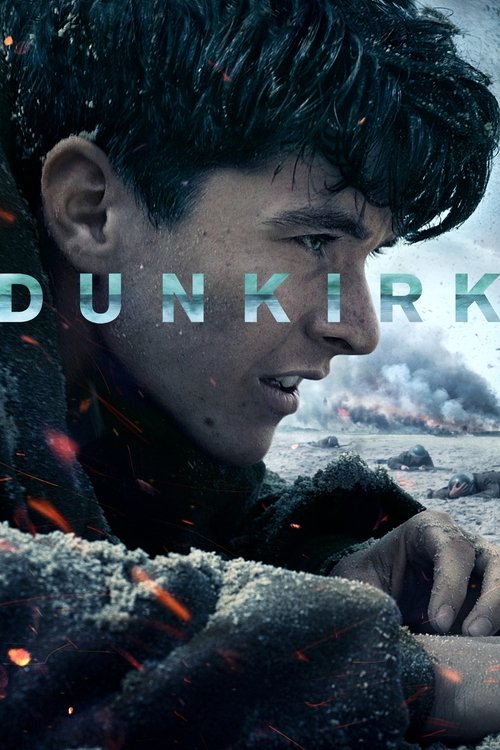
Dunkirk
Dunkirk
Christopher Nolan2017

Soldiers, civilians, and pilots collide across land, sea, and air during the evacuation of Dunkirk.

Oppenheimer
Oppenheimer
Christopher Nolan2023

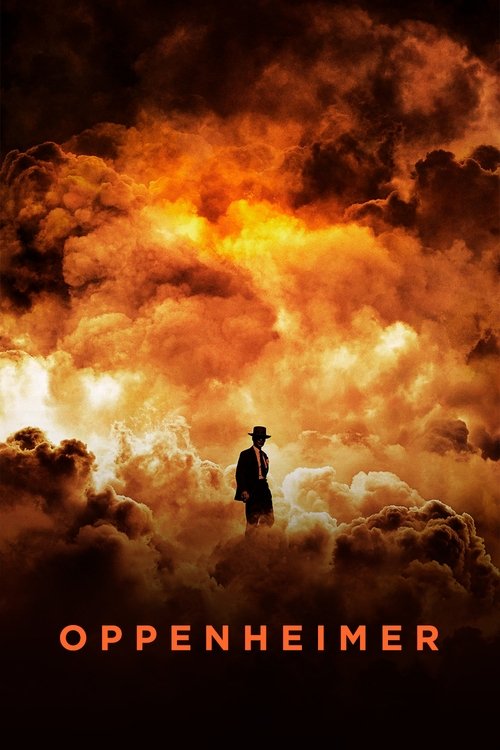
J. Robert Oppenheimer builds the atomic age inside a pressure system of theory, secrecy, ambition, and state power, then watches the achievement become evidence against his soul. Nolan makes biography feel like a countdown, a tribunal, and a nightmare of consequence.

The Dark Knight Rises
Christopher Nolan2012

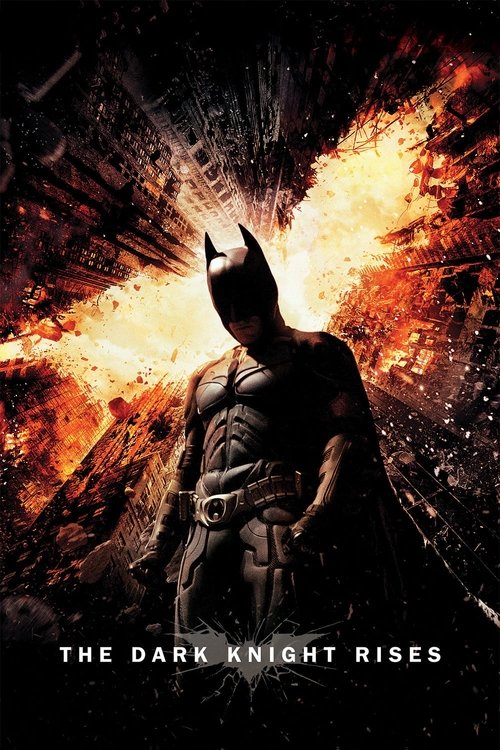
Batman returns from exile when Bane turns Gotham into a siege state and forces Bruce Wayne into one final reckoning.

Tenet
Tenet
Christopher Nolan2020

A covert operative navigates inversion, espionage, and collapsing timelines to stop global catastrophe.

Titanic
Titanic
James Cameron1997

Cameron turns historical disaster into mass-audience feeling, engineering obsession, and a romance broad enough to carry catastrophe at full scale.

The Abyss
The Abyss
James Cameron1989

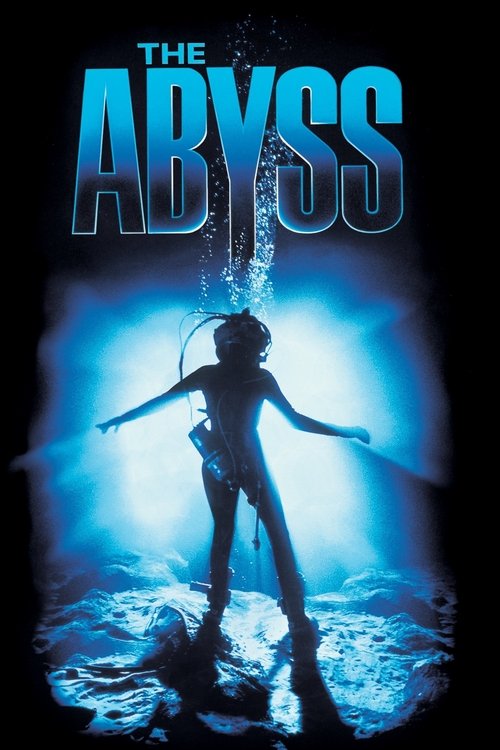
Cameron turns an undersea rescue mission into a pressure-cooker of industrial labor, marital fracture, Cold War panic, and contact-with-the-unknown awe.

Inception
Inception
Christopher Nolan2010

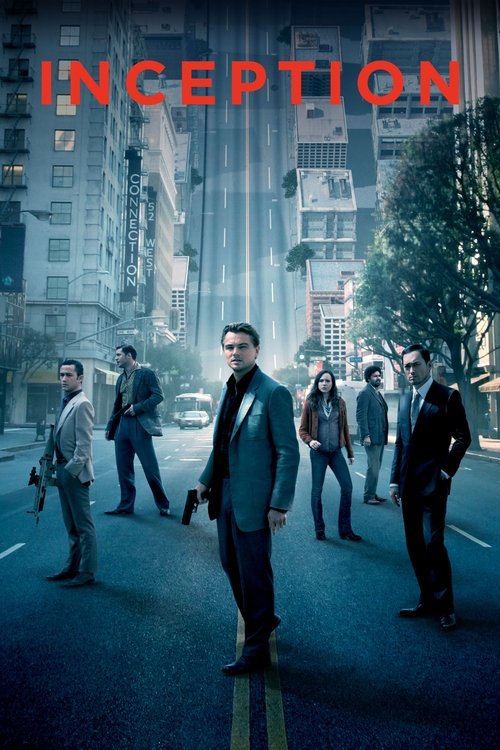
Dom Cobb sells dream theft as a heist job, but Inception keeps revealing the deeper burglary: grief has already invaded his own architecture. Nolan makes the rules legible enough for blockbuster momentum, then lets each level expose a different pressure point: time dilation, guilt, performance, and the dangerous comfort of choosing a dream that hurts less than waking life.

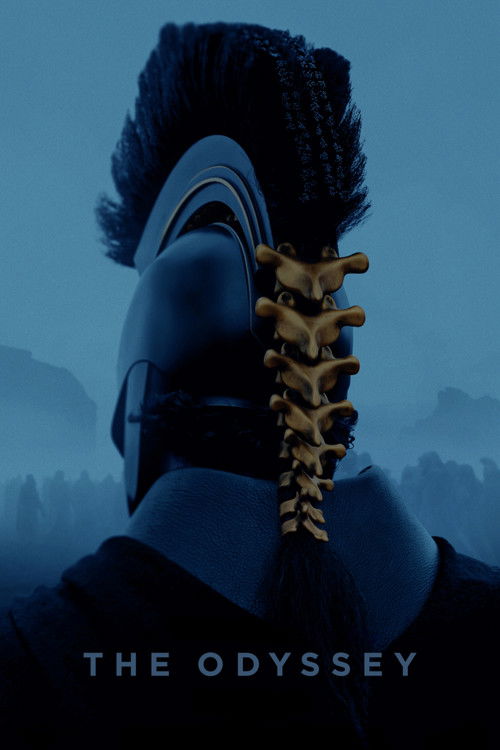
The Odyssey
The Odyssey
Christopher Nolan2026

Nolan’s adaptation of Homer follows Odysseus on a perilous journey home, turning myth into large-format event cinema.

Mad Max: Fury Road
Mad Max: Fury Road
George Miller2015

Max is dragged into Furiosa’s escape route, then the movie turns a desert chase into a clean moral argument about bodies, water, fuel, and who gets to own the future. Fury Road belongs on Cinema One because George Miller builds spectacle like pressure engineering: the route is simple, the image language is ruthless, and every crash, turn, flare, and cut keeps asking whether survival can become rescue instead of just endurance.

Furiosa: A Mad Max Saga
George Miller2024

Furiosa is stolen from the Green Place and spends years learning how the Wasteland turns grief, trade routes, fuel, bullets, and bodies into leverage. Furiosa earns its Thomas Library Spine slot because George Miller refuses to remake Fury Road’s perfect sprint: this is the apprenticeship ledger, where silence, mechanical skill, captivity, and convoy warfare slowly harden into the woman who can eventually turn escape into rescue.