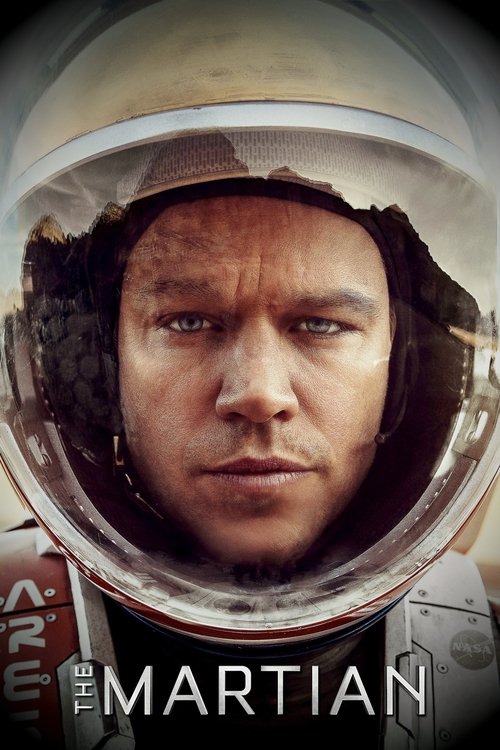
The Martian
Competence lane

Survival Systems

Movies where staying alive means reading rules, terrain, logistics, and bodies faster than the danger can adapt.

The Thomas Library Spine has added several movies built around practical intelligence under pressure. This lane gives those pages a clear discovery path: survival as craft, not just peril.

survival pressurecompetencefield logic
Start with The Martian

Why this lane works

These movies make survival legible: grow the food, map the route, lower the sound, read the terrain, repair the body, or learn the world before it erases you.

Strong launch-pathway lane for recent Thomas Library Spine additions because it connects Mars survival, Wasteland logistics, sound-rule horror, field-footage sci-fi, and formative fantasy without flattening them into one genre bucket.

This shelf exists to name the appetite first, then let the titles argue with each other.

10
Core picks
9
Directors
7.7
Avg rating
1984 to 2024
Year span
1 fully-authored9 strong0 building0 case pending

Ideal for

  • viewers who want problem-solving under pressure instead of abstract peril
  • double-features about people learning the rules of hostile worlds
  • readers moving from action or sci-fi into Cinema One’s competence-cinema shelf
Program this lane

Three double-feature handoffs for turning the shelf into a night.

Collections should not stop at inventory. These pairings make the editorial path explicit: start sharp, change angle, then decide what the lane is really arguing.

Search this signal

Starter pairing

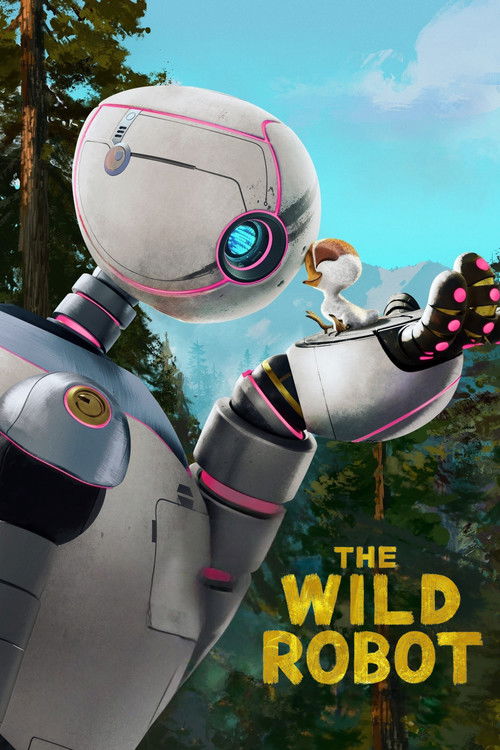
The Martian → The Wild Robot

The Martian establishes the survival pressure charge; The Wild Robot bends that charge into a different shape. The handoff moves from Ridley Scott's approach to Chris Sanders's, so the lane opens wider without losing its signal. Because the release years sit close together, the pairing plays like two arguments from the same cultural weather.

Open adjacent search
Deeper turn

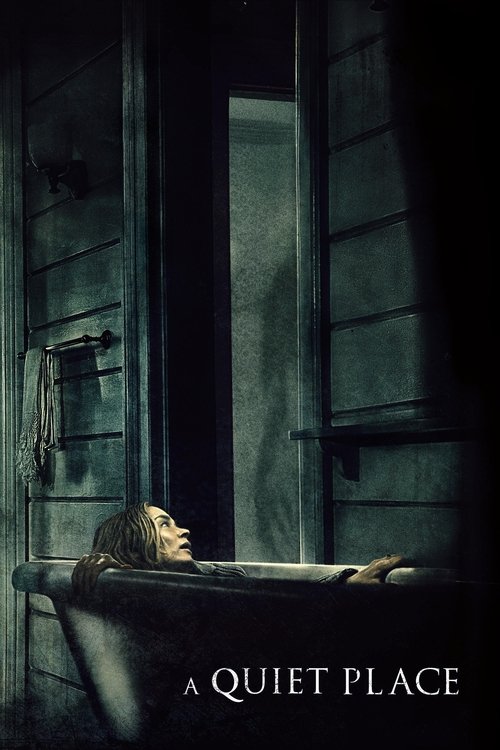
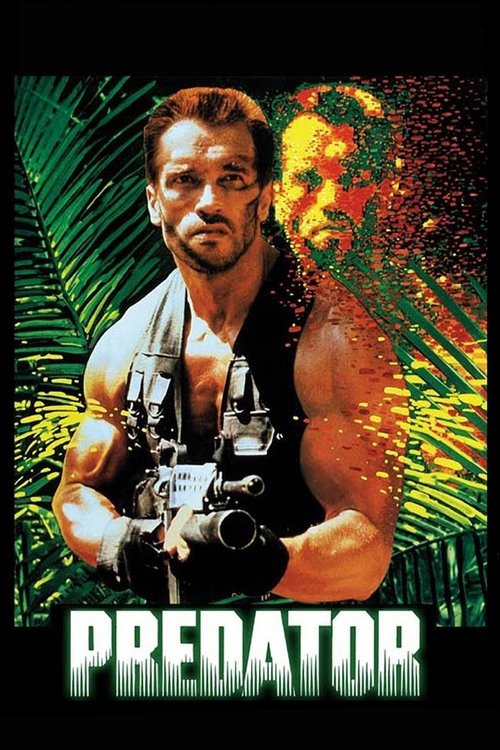
A Quiet Place → Predator

A Quiet Place establishes the competence charge; Predator bends that charge into a different shape. The handoff moves from John Krasinski's approach to John McTiernan's, so the lane opens wider without losing its signal. The 1987–2018 spread also turns the pairing into a miniature history of the appetite.

Open adjacent search

Late-night close

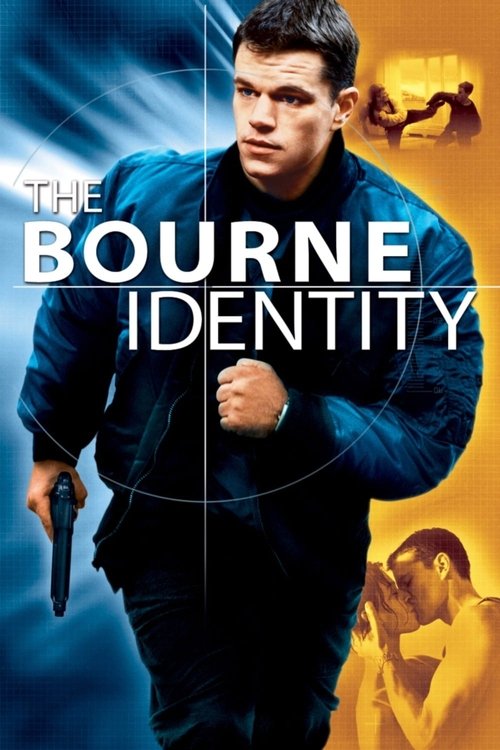
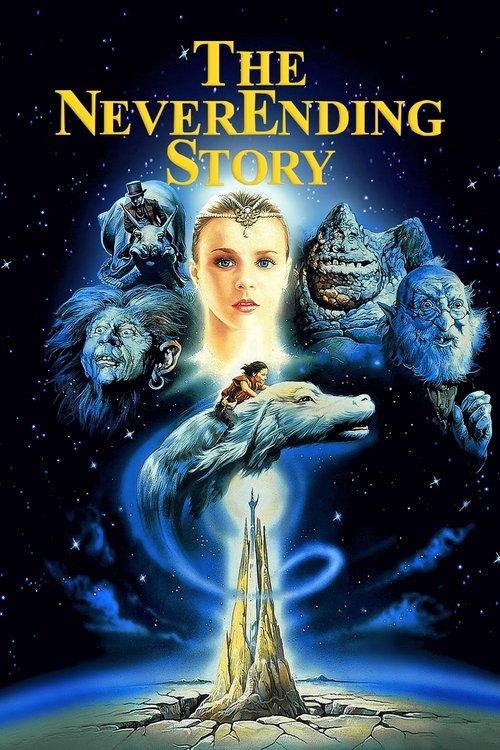
The Bourne Identity → The NeverEnding Story

The Bourne Identity establishes the field logic charge; The NeverEnding Story bends that charge into a different shape. The handoff moves from Doug Liman's approach to Wolfgang Petersen's, so the lane opens wider without losing its signal. The 1984–2002 spread also turns the pairing into a miniature history of the appetite.

Open adjacent search

Collection picks

The movies that define the lane.

The Martian
The Martian
Ridley Scott2015

Mark Watney is left for dead on Mars and turns survival into a daily engineering problem: grow food, make water, fix the Hab, keep the math moving, and refuse the drama of despair. The Martian earns its Thomas Library Spine slot because Ridley Scott makes competence feel like warmth. It is rescue cinema with jokes, duct tape, mission-room pressure, and rewatch gravity built around the pleasure of watching smart people refuse to quit on each other.

The Wild Robot
The Wild Robot
Chris Sanders2024

Roz washes onto an island built for instinct, weather, hunger, migration, and loss, then learns that survival is not the same thing as belonging. The Wild Robot earns its Thomas Library Spine slot because Chris Sanders makes family animation feel like craft-pressure cinema: a synthetic helper has to read the room without a room, and the movie turns adaptation, parenthood, disability, flight, and grief into a painterly rewatch engine instead of safe comfort sludge.

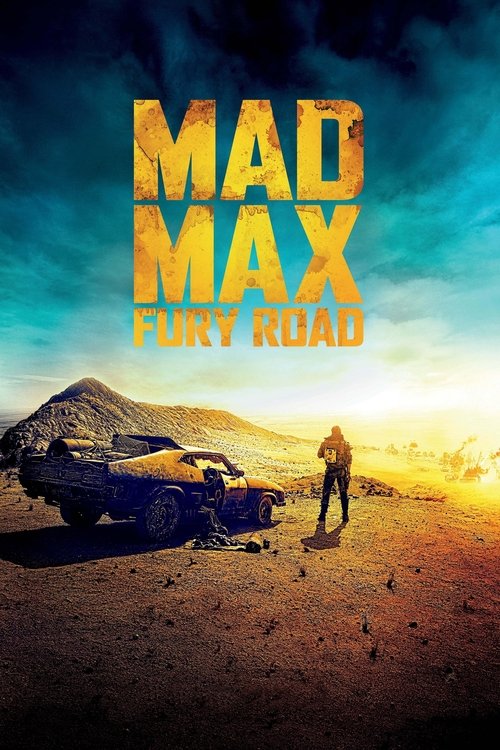
Mad Max: Fury Road
Mad Max: Fury Road
George Miller2015

Max is dragged into Furiosa’s escape route, then the movie turns a desert chase into a clean moral argument about bodies, water, fuel, and who gets to own the future. Fury Road belongs on Cinema One because George Miller builds spectacle like pressure engineering: the route is simple, the image language is ruthless, and every crash, turn, flare, and cut keeps asking whether survival can become rescue instead of just endurance.

Furiosa: A Mad Max Saga
George Miller2024

Furiosa is stolen from the Green Place and spends years learning how the Wasteland turns grief, trade routes, fuel, bullets, and bodies into leverage. Furiosa earns its Thomas Library Spine slot because George Miller refuses to remake Fury Road’s perfect sprint: this is the apprenticeship ledger, where silence, mechanical skill, captivity, and convoy warfare slowly harden into the woman who can eventually turn escape into rescue.

A Quiet Place
A Quiet Place
John Krasinski2018

The Abbott family survives by turning ordinary life into choreography: sand paths, bare feet, signed sentences, painted floorboards, and one rule that makes every dropped object feel like a loaded gun. A Quiet Place earns its Thomas Library Spine slot because Krasinski makes silence active instead of empty. The movie is a family melodrama under creature-feature pressure, where love means knowing exactly how much sound the world can survive.

Predator
Predator
John McTiernan1987

Dutch’s rescue team enters the jungle like a wall of muscle, weapons, and confidence, then the movie patiently turns that confidence into heat, fear, and bad information. Predator belongs on Cinema One because McTiernan makes a macho action vehicle mutate into survival horror: the bodies get bigger while the tactical advantage keeps shrinking, until all that is left is mud, traps, silence, and one professional learning he is no longer the apex predator.

District 9
District 9
Neill Blomkamp2009

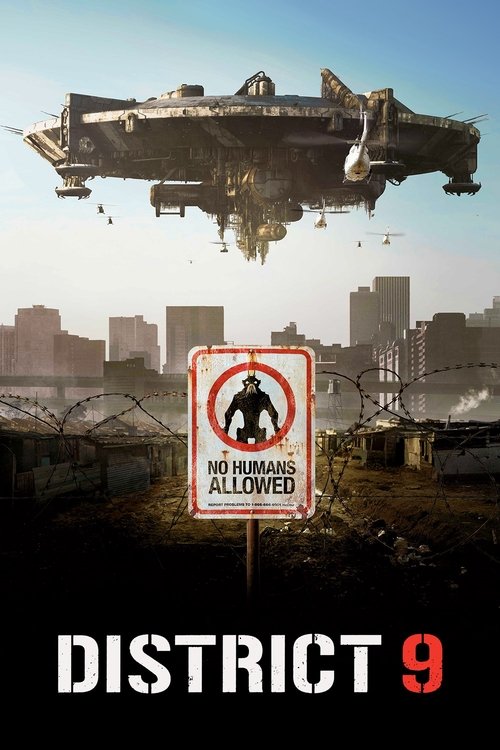
An alien refugee camp outside Johannesburg becomes a corporate eviction zone, then a low-level bureaucrat gets infected by the thing he has been trained to dehumanize. District 9 belongs on Cinema One because it gives the Thomas Library Spine a nasty sci-fi pressure room: documentary texture, body horror, apartheid memory, weapons-grade spectacle, and one coward learning empathy the hard way.

The Creator
The Creator
Gareth Edwards2023

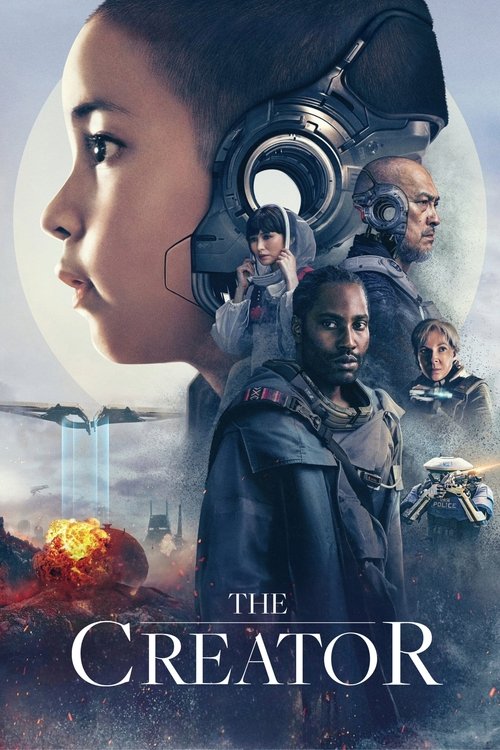
Joshua is sent back into a war zone to destroy a childlike AI weapon, then finds the mission turning into a custody battle between grief, empire, and the possibility that the enemy is more alive than the briefing allowed. The Creator earns its Thomas Library Spine slot because Gareth Edwards makes original-scale science fiction feel handmade: temples, rice fields, tanks, robots, and retro machinery share the same dust, giving the movie rewatch gravity even when its politics stay blunt.

The Bourne Identity
The Bourne Identity
Doug Liman2002

Jason Bourne wakes up with no name, two bullets in his back, and a body that knows violence before his mind knows why. The Bourne Identity earns its Thomas Library Spine slot because Doug Liman turns amnesia into action grammar: passports, maps, stairwells, train stations, and close-quarters fights all become clues to a man trying to outrun the system that built him without becoming only its weapon.

The NeverEnding Story
Wolfgang Petersen1984

Bastian hides inside a stolen book and finds Fantasia collapsing under the Nothing, but The NeverEnding Story works because its fantasy grammar is secretly about grief, shame, and the danger of giving up the inner life. Petersen gives the movie enough tactile creature-shop wonder to feel like a real place, then keeps asking the harder childhood question: what happens when fear convinces a kid that stories, names, wishes, and courage no longer matter?