
The NeverEnding Story
Find the movies with rewatch gravity, live dossiers, and unfinished cases worth deepening.
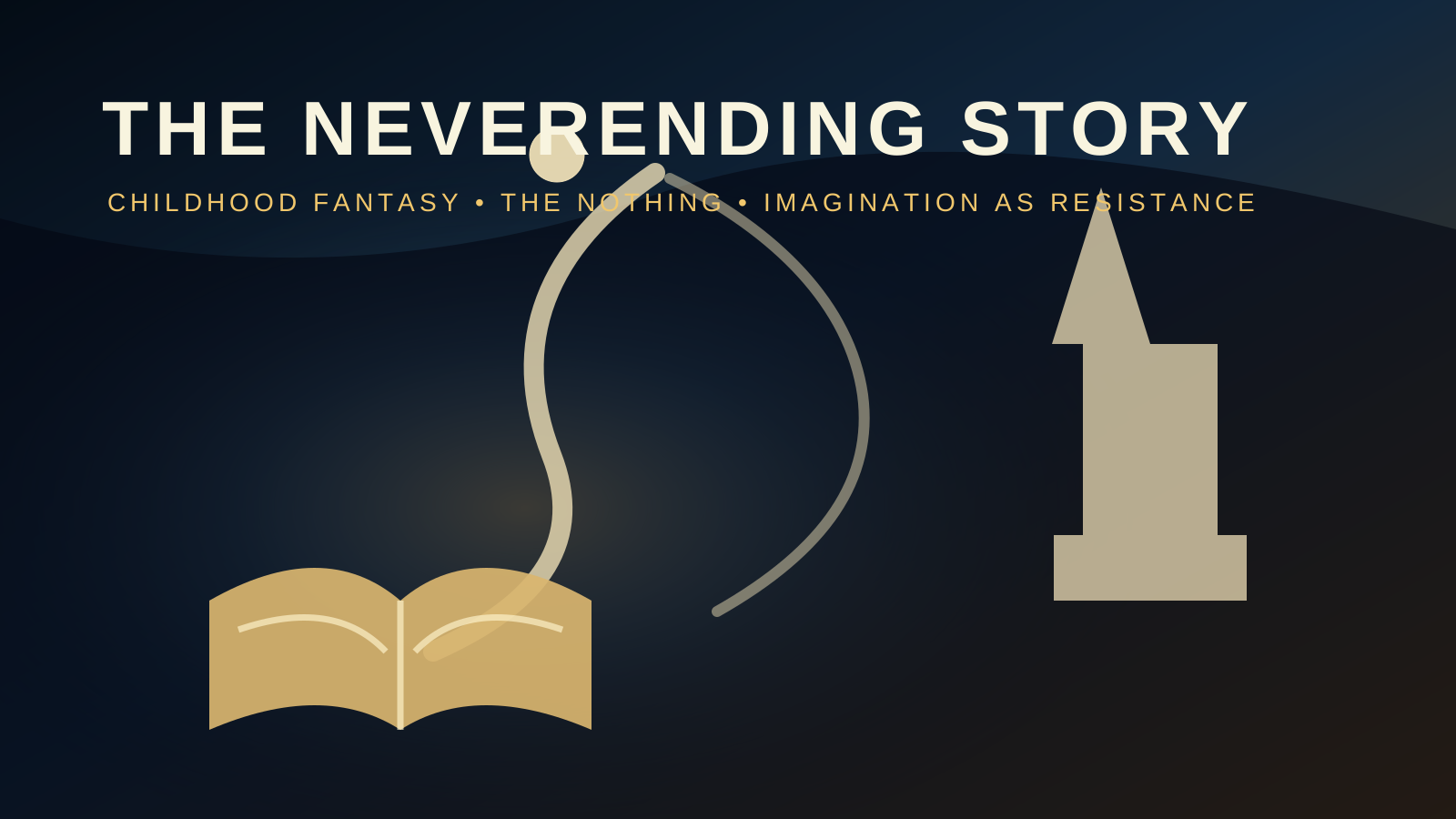
Movie dossier
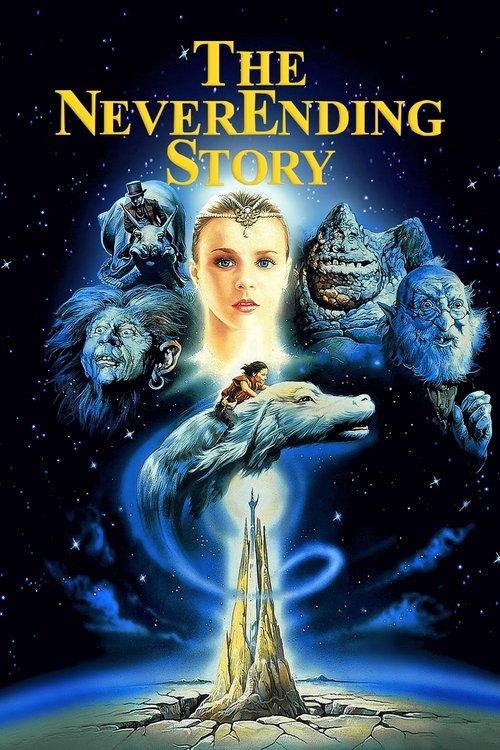
The NeverEnding Story
Wolfgang Petersen turns a boy, a book, and a luckdragon into childhood fantasy with real grief under the glitter.
Latest video signal
Trailer slot ready
A widescreen slot for the newest official trailer, interview, or scene signal when the page has a playable source.
Why it matters
The NeverEnding Story fills a Thomas Library Spine gap that is not about macho pressure or cult violence; it is about formative movie memory. The film belongs because it understands that childhood fantasy works best when the wonder has a wound underneath it. Bastian is not escaping into Fantasia because life is cute. He is hiding from grief, humiliation, and a world that has started treating imagination as useless. The Nothing is the perfect villain for that fear: not a monster with a plan, but the blankness that arrives when stories stop feeling worth defending.
Craft read
A nested-book adventure where Bastian’s private grief keeps answering Atreyu’s public quest through Fantasia
The movie keeps fantasy tactile — mud, stone, fur, puppets, matte skies, giant sets — so the threat of erasure feels like a place being emptied, not an abstract metaphor
What reads as kid wonder on first watch becomes a sharper adult movie about depression, naming, memory, and why imagination needs to be practiced like courage
Themes
Cast and context
fantasia • falkor • atreyu • bastian • the nothing • childhood fantasy • luckdragon • wolfgang petersen
Coverage status
A strong case file with real editorial shape: enough craft, context, and connection to guide a serious watch.
Production notes
- • The Numbers lists the film as a Warner Bros. July 1984 release with a reported $27 million production budget, unusually large scale for a European-led fantasy production at the time.
- • Box Office Mojo records the original domestic-heavy theatrical run at just over $20 million worldwide, which helps explain why the film’s true power became its home-video, cable, and childhood-memory afterlife.
- • The movie adapts the first half of Michael Ende’s novel and relocates the audience’s entry point through Bastian reading the quest, turning spectatorship itself into the pressure system.
- • The film’s creature work matters because Falkor, the Rock Biter, Morla, and Gmork make Fantasia feel handmade and vulnerable; the puppetry and production design become emotional architecture, not nostalgia wallpaper.
Watch-next pathway
What should you do after The NeverEnding Story?
Three intentional continuations: stay with the filmmaker, chase the dominant pressure signal, or jump into the shelf or argument that best explains why this movie belongs here.
More Thomas Library Spine
Use the taste map to find movies, arguments, and shelves that share this page's strongest signal.
Survival Systems
Movies where staying alive means reading rules, terrain, logistics, and bodies faster than the danger can adapt.
Movie-page argument
Defend The NeverEnding Story.
If this movie has a scene, performance, ending, or idea people underrate, make the case. The best defenses can become future Cinema One argument material.
Scene challenge
Pick the scene that proves it.
Cinema One is built around scenes that unlock the movie. Tell us which moment carries the pressure, style, argument, or rewatch charge.
Signature scene: the Swamp of Sadness is the movie refusing to lie
Artax sinking in the Swamp of Sadness is the unlock because the film stops treating fantasy as safe decoration. The scene is simple, cruel, and unforgettable: Atreyu cannot out-brave despair by yelling at it. That is why it lasts. The movie teaches young viewers that sadness can be heavier than heroism, then spends the rest of the story arguing that names, wishes, friendship, and imagination are still ways to fight back.
Line worth carrying forward
“People who have no hopes are easy to control.” That is the whole Cinema One case for the movie. The NeverEnding Story is not asking whether fantasy is real in a literal sense; it is asking what happens to people when they surrender the capacity to imagine anything beyond the world that is hurting them.
Why the ending still works
The ending is messy in the way childhood wish fulfillment is messy: enormous, emotional, a little vindictive, and completely sincere. Bastian naming the Childlike Empress is not a puzzle solution. It is a kid accepting that his voice belongs inside the story. After a movie about erasure, that is enough.
Steelman the debate
The fair critique is that The NeverEnding Story softens and simplifies Michael Ende’s stranger, more philosophical book, especially by stopping halfway through the novel’s larger argument. The defense is that Petersen’s film has its own clean movie logic: it turns the reading experience into a pressure room and makes childhood imagination feel physical, endangered, and worth defending.
More from this director
Related picks
Read next
The Wizard of Oz still feels alive because it makes fantasy tactile, frightening, and emotionally precise instead of merely whimsical.
Interstellar keeps surviving backlash cycles because Nolan ties its cosmic spectacle to separation, time loss, and family grief.
The real reason to track Dune: Messiah early is that it could force blockbuster franchise culture to sit inside consequence instead of momentum.