
Purple Rain
Find the movies with rewatch gravity, live dossiers, and unfinished cases worth deepening.
Movie dossier
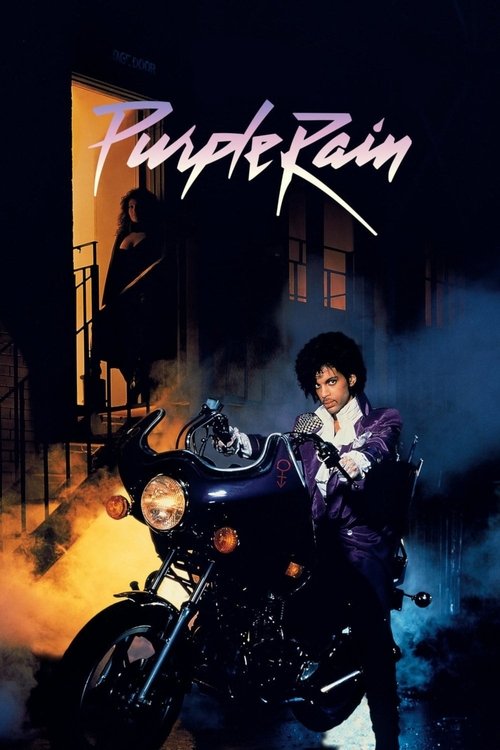
Purple Rain
Prince turns the backstage musical into a Minneapolis pressure room where every song is a confession with a spotlight on it.
Latest video signal
Trailer slot ready
A widescreen slot for the newest official trailer, interview, or scene signal when the page has a playable source.
Why it matters
Purple Rain matters here because it expands the Thomas Library Spine into record-collection cinema: not a polite music biopic, not a concert film, and not a database-friendly genre object. It is a movie about genius learning that command is not the same as honesty. The Kid can control the stage, the motorcycle silhouette, the color palette, and the room’s sexual voltage, but the film keeps asking whether control means anything if he cannot stop repeating the damage at home. That tension is why the page belongs on Cinema One: the songs are famous, but the rewatch charge is watching performance become an argument with the performer.
Craft read
A backstage musical shaped like a feud between charisma, family damage, romance, band politics, and the need to make pain public
Every room asks who owns the image: Prince, Morris Day, Apollonia, The Revolution, the father, the club crowd, or the song itself
The musical numbers keep changing function — seduction, ego, punishment, apology, release — until the title track finally feels earned instead of merely iconic
Themes
Cast and context
prince • first avenue • minneapolis • purple rain • the revolution • record-collection movie • music video era
Coverage status
A strong case file with real editorial shape: enough craft, context, and connection to guide a serious watch.
Production notes
- • AFI records that Prince and managers Robert Cavallo, Joseph Ruffalo, and Steven Fargnoli initiated the project after 1999, aiming to pair the next album with a feature film during the early-1980s rise of music-video culture.
- • AFI notes Warner Bros. guaranteed distribution after seeing the songs and treatment even though theatrical long-form music videos were still a risky bet; the final budget was about $7 million from independent investors.
- • Principal photography began in Minneapolis on 1 Nov 1983, with exteriors at First Avenue and 7th Street Entry and interiors built on soundstages inside an abandoned locomotive repair shop on Cedar Lake.
- • The Library of Congress later selected Purple Rain for the National Film Registry, useful evidence that the movie’s afterlife outgrew its “expensive video” dismissal.
Watch-next pathway
What should you do after Purple Rain?
Three intentional continuations: stay with the filmmaker, chase the dominant pressure signal, or jump into the shelf or argument that best explains why this movie belongs here.
More record-collection movie
Use the taste map to find movies, arguments, and shelves that share this page's strongest signal.
Stand by Me
A nearby Cinema One pick when you want a different angle on musical drama energy.
Movie-page argument
Defend Purple Rain.
If this movie has a scene, performance, ending, or idea people underrate, make the case. The best defenses can become future Cinema One argument material.
Scene challenge
Pick the scene that proves it.
Cinema One is built around scenes that unlock the movie. Tell us which moment carries the pressure, style, argument, or rewatch charge.
Signature scene: “Purple Rain” as public apology
The title-track performance is the unlock because the movie finally stops letting The Kid use talent as cover. The guitar solo is still command, still spectacle, still Prince bending the room to him, but the song changes the contract: now the bravado has to carry regret. The crowd is not just applauding a hit. It is watching a man make his private damage legible without explaining it away.
Line worth carrying forward
“Dearly beloved, we are gathered here today to get through this thing called life.” It belongs here because Purple Rain understands pop as survival language. The movie is messy, theatrical, and sometimes cruel, but that opening promise is the whole bargain: style is not decoration when it is the only way the wound can speak.
Steelman the debate
The fair critique is that Purple Rain can be clumsy as drama, especially in how it handles Apollonia and The Kid’s cruelty. The defense is not that the movie is spotless. The defense is that its roughness is bound up with the thing that still makes it electric: an artist turning his own mythology, band ecosystem, city, family ghost, and stage language into a feature-length act of self-exposure.
Shows up in
Collection pathway still being shaped.
More from this director
Related picks
Read next
Benjamin Button matters because Fincher treats the reverse-aging premise less like a trick than a way to make timing itself feel tragic.
The real reason to track Dune: Messiah early is that it could force blockbuster franchise culture to sit inside consequence instead of momentum.
Fincher’s Dragon Tattoo remake endures because research, pattern recognition, and bruised trust become as gripping as any chase scene.