
District 9
Find the movies with rewatch gravity, live dossiers, and unfinished cases worth deepening.

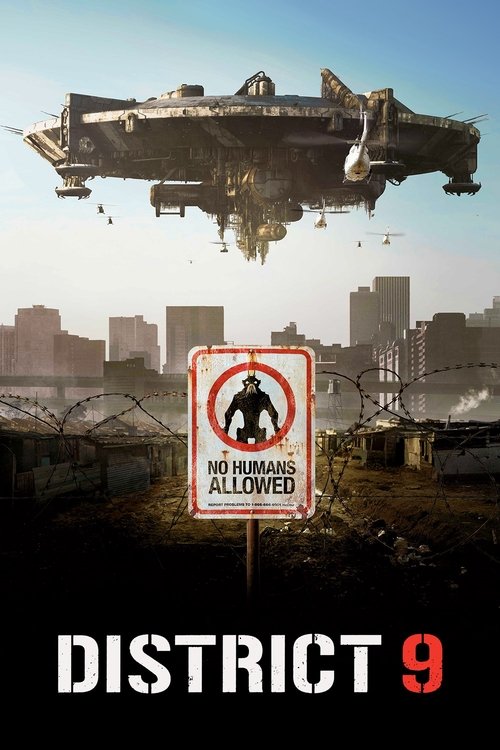
Movie dossier
District 9
Neill Blomkamp turns alien invasion spectacle into refugee-camp pressure, corporate cruelty, and body-horror empathy.
Latest video signal
Trailer slot ready
A widescreen slot for the newest official trailer, interview, or scene signal when the page has a playable source.
Why it matters
District 9 matters here because it is not clean spaceship awe. It is sci-fi with dirt under its nails: eviction notices, armed contractors, medical labs, street interviews, Nigerian gang mythology, and a hero who begins as a collaborator inside the machine. The movie’s rewatch gravity comes from that collision. Blomkamp gives the audience a pulpy mech-and-alien-action payoff, but the engine underneath is uglier and sharper: who gets called a person when a system needs them moved, studied, harvested, or sold.
Craft read
Mockumentary reportage mutates into fugitive thriller, body horror, and combat spectacle without losing the camp-pressure premise
Bureaucracy, racism, corporate weapons research, and survival panic all squeeze Wikus until his identity stops being administratively convenient
The first watch remembers the prawns and the mech; later watches feel how carefully the movie weaponizes casual dehumanizing language
Themes
Cast and context
alien refugees • johannesburg • apartheid allegory • mockumentary • body horror • corporate violence • neill blomkamp
Coverage status
A strong case file with real editorial shape: enough craft, context, and connection to guide a serious watch.
Production notes
- • The New York Times interview with Blomkamp frames the film’s Johannesburg setting and apartheid charge as the reason the story exists, not a detachable metaphor laid on top of the genre machinery.
- • District 9 grew from Blomkamp’s short Alive in Joburg, carrying over the interview/news-footage grammar that makes the alien presence feel like a civic crisis being managed on camera.
- • The visual-effects trick is tonal as much as technical: the aliens have to read as physically present inside dusty handheld footage, so the spectacle feels reported before it feels mythic.
Watch-next pathway
What should you do after District 9?
Three intentional continuations: stay with the filmmaker, chase the dominant pressure signal, or jump into the shelf or argument that best explains why this movie belongs here.
More alien refugees
Use the taste map to find movies, arguments, and shelves that share this page's strongest signal.
Tension Machines
Command decisions, brinkmanship, pressure, and movies that tighten the screws scene by scene.
Movie-page argument
Defend District 9.
If this movie has a scene, performance, ending, or idea people underrate, make the case. The best defenses can become future Cinema One argument material.
Scene challenge
Pick the scene that proves it.
Cinema One is built around scenes that unlock the movie. Tell us which moment carries the pressure, style, argument, or rewatch charge.
Signature scene: the eviction raid turns paperwork into violence
The eviction sequence is the whole movie in miniature. Wikus smiles through forms, signatures, translation failure, armed backup, and casual threat, treating the camp like a compliance problem until the camera catches the cruelty baked into the process. The genius is that the scene does not begin as action. It begins as administration, which is exactly why the violence feels so rotten when it arrives.
Line worth carrying forward
“This is not some little planet. This is our planet.” The line lands because it sounds like crowd-pleasing human defiance, then curdles. District 9 keeps asking who gets to say “our” when fear, property, and power are doing the grammar.
Why the ending keeps the wound open
The metal flower ending works because it refuses blockbuster cleanliness. Wikus is not redeemed by one good fight; he is left altered, hidden, and still reaching for the person who loved him before the system renamed his body. The movie gives him tenderness, but not escape.
Steelman the debate
The fair critique is that District 9 can turn South African trauma into genre fuel and sometimes draws with a blunt marker. The defense is that the bluntness is part of its attack: this is a movie about systems that do not whisper. It makes the metaphor loud, ugly, funny, and violent because the social machinery it is satirizing is loud, ugly, funny, and violent too.
Shows up in
Command decisions, brinkmanship, pressure, and movies that tighten the screws scene by scene.
The lane where personality beats polish and cult energy becomes part of the pleasure.
Movies where staying alive means reading rules, terrain, logistics, and bodies faster than the danger can adapt.
Cold systems, synthetic threats, and movies where technology stops feeling like a tool and starts feeling like an adversary.
More from this director
Related picks
Read next
Fincher’s Dragon Tattoo remake endures because research, pattern recognition, and bruised trust become as gripping as any chase scene.
Panic Room works because Fincher turns walls, sightlines, and delays into the whole suspense engine instead of treating them as setup for louder thrills.
Fincher’s luxury paranoia machine still lands because every escalation turns wealth, control, and self-protection into liabilities instead of armor.