
Oppenheimer
Find the movies with rewatch gravity, live dossiers, and unfinished cases worth deepening.
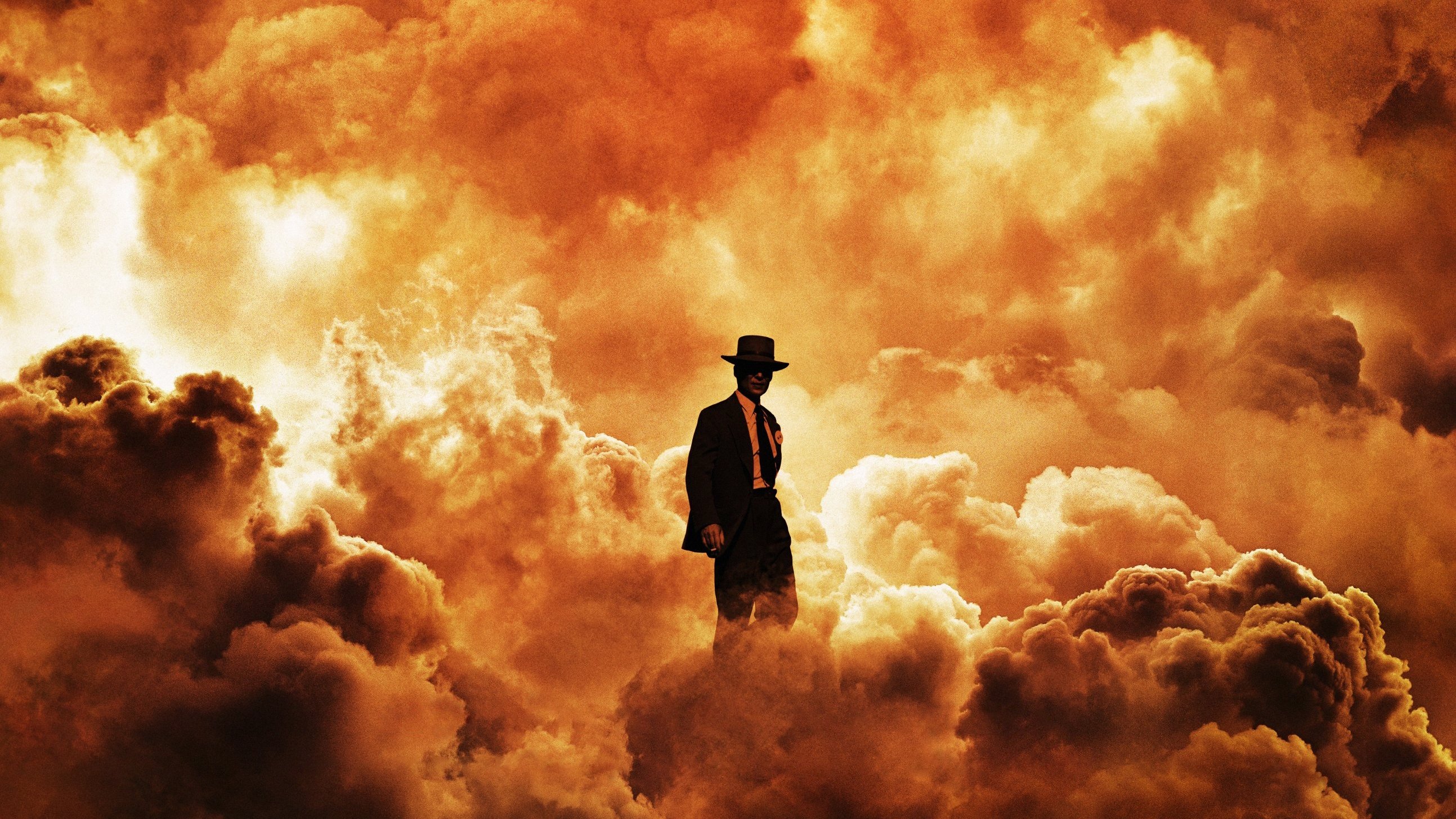
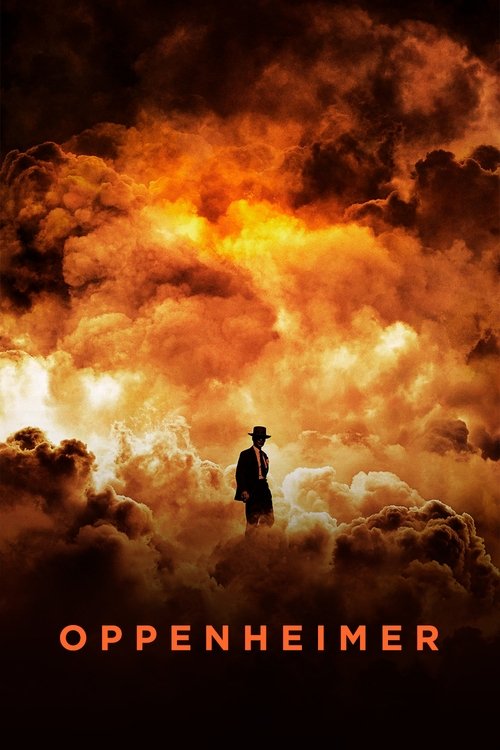
Movie dossier
Oppenheimer
Nolan turns biography into a countdown thriller, a security-hearing trap, and a moral aftershock machine where genius keeps outrunning conscience.
Latest video signal
Trailer slot ready
A widescreen slot for the newest official trailer, interview, or scene signal when the page has a playable source.
Why it matters
Oppenheimer matters here because it proves Nolan can make talk, paperwork, theory, reputation, and courtroom memory feel as pressurized as any chase. This is not awards-prestige homework; it is a control-room movie about brilliant people building a force they cannot morally contain, then watching institutions turn the achievement into evidence, leverage, and nightmare. The rewatch charge lives in the form: color as Oppenheimer’s subjective rush, black-and-white as Strauss’s counter-file, IMAX close-ups as interrogation, and the Trinity test as triumph curdling before the sound even arrives.
Craft read
Biography treated as thriller, tribunal, and systems-collapse case file
Color follows Oppenheimer’s subjective momentum while black-and-white turns Strauss’s account into a competing file
The second watch tracks how camera distance, sound delay, hearing-room rhythm, and institutional language keep converting achievement into consequence
Themes
Cast and context
Coverage status
A fully shaped Cinema One case: the movie has enough authored context, pathway links, and argument to feel like more than a catalog entry.
Production notes
- • American Cinematographer’s Nolan interview gives the page its clearest formal key: color scenes stay physically close to Oppenheimer’s point of view, while black-and-white scenes move closer to Strauss and view Oppenheimer through longer lenses, turning format into competing testimony.
- • The film required new large-format black-and-white stock through Kodak and FotoKem; that matters because the hearing-room material is not nostalgia texture, but a different evidentiary surface inside the same IMAX grammar.
- • Nolan singled out the Trinity test’s interactive lighting as a major craft problem: explosion color and timing had to hit Murphy’s face with precision, making the blast visible as witness reaction before it becomes spectacle.
- • ASC coverage also points to custom optics, 65mm negative, macrophotography effects, and wireless lighting systems as part of the movie’s experiential design; Oppenheimer’s craft case is that analog discipline becomes psychological pressure, not period prestige wallpaper.
Watch-next pathway
What should you do after Oppenheimer?
Three intentional continuations: stay with the filmmaker, chase the dominant pressure signal, or jump into the shelf or argument that best explains why this movie belongs here.
The Dark Knight
The cleanest next move if Christopher Nolan's control, obsessions, or rhythm are what hooked you here.
More genius
Use the taste map to find movies, arguments, and shelves that share this page's strongest signal.
Obsession Engines
Movies where ambition, rivalry, guilt, or control become the whole machine.
Movie-page argument
Defend Oppenheimer.
If this movie has a scene, performance, ending, or idea people underrate, make the case. The best defenses can become future Cinema One argument material.
Scene challenge
Pick the scene that proves it.
Cinema One is built around scenes that unlock the movie. Tell us which moment carries the pressure, style, argument, or rewatch charge.
Cinema One case file
The argument this page is making
The bomb project can be completed by intelligence, money, security, and logistics; the moral meaning cannot be contained by any of those systems.
A case-file epic where every room is asking who controls the official story: scientist, soldier, politician, witness, rival, or history itself.
The bridge between Memento’s fractured testimony, The Dark Knight’s escalation ethics, and Interstellar’s large-format awe under human cost.
Make the craft legible enough that the movie stops reading as prestige biography and starts reading as pressure engineering.
Production file
How the movie became this object
Format becomes testimony
The color and black-and-white split is not only chronology decoration. Nolan and van Hoytema use camera distance and lens behavior to make two accounts fight for authority: Oppenheimer’s fevered subjective rush against Strauss’s colder institutional counter-file.
Large-format intimacy is the trap
Oppenheimer uses IMAX less as landscape brag than as facial pressure. The huge frame makes thought, panic, calculation, resentment, and guilt impossible to hide; close-ups become hearing rooms before the hearings officially begin.
The Trinity test is staged as witness pressure
The blast matters because the movie delays ordinary release. Light arrives before sound, faces register before applause can stabilize the moment, and the achievement immediately starts converting into dread. Nolan makes the audience sit inside the gap between event and comprehension.
Analog craft with modern engineering underneath
The new 65mm black-and-white workflow, custom optics, macrophotography, and long-range lighting network are not tech trivia. They explain why the film feels handmade and impossible at once: history is tactile, but the pressure moving through it is engineered with terrifying precision.
Signature scene: the Trinity test
The Trinity sequence lands because Nolan treats anticipation as terror. The blast is spectacular, yes, but the more lasting choice is the suspended sound and aftermath, which make triumph curdle into dread almost immediately.
Line worth carrying forward
"Now I am become Death, the destroyer of worlds" matters here because the film refuses to leave it as a museum quote. It becomes the language of self-recognition after irreversible action.
Why the ending closes like a nightmare
Oppenheimer ends by making private conversation feel apocalyptic. After all the hearings and political maneuvering, Nolan reduces the film to a recognition of what was set in motion, and that contraction is exactly what makes the ending terrifying.
Steelman the debate
A smart critique is that Oppenheimer can seem so infatuated with velocity and intensity that it risks aestheticizing catastrophe. The strongest defense is that the movie uses momentum as entrapment. Its propulsion is not celebration, it is a way of showing how intellect, ambition, and institutions can outrun moral control.
Shows up in
Movies where ambition, rivalry, guilt, or control become the whole machine.
Cold systems, synthetic threats, and movies where technology stops feeling like a tool and starts feeling like an adversary.
Big-screen movies built around scale, countdown pressure, and the feeling that spectacle only matters because consequence rides inside it.
More from this director
Related picks
Read next
Nolan’s historical drama feels so alive because it treats hearings, conversations, and scientific breakthroughs like stages of the same moral detonation.
Insomnia is often treated like a side assignment, but it already shows Nolan turning moral fatigue and unstable perception into atmosphere.
Tenet divides audiences for good reason, but its appeal is inseparable from the feeling that Nolan built a movie where time itself behaves like an antagonist.