
Oppenheimer and the Chain Reaction of Consequence
Nolan’s historical drama feels so alive because it treats hearings, conversations, and scientific breakthroughs like stages of the same moral detonation.
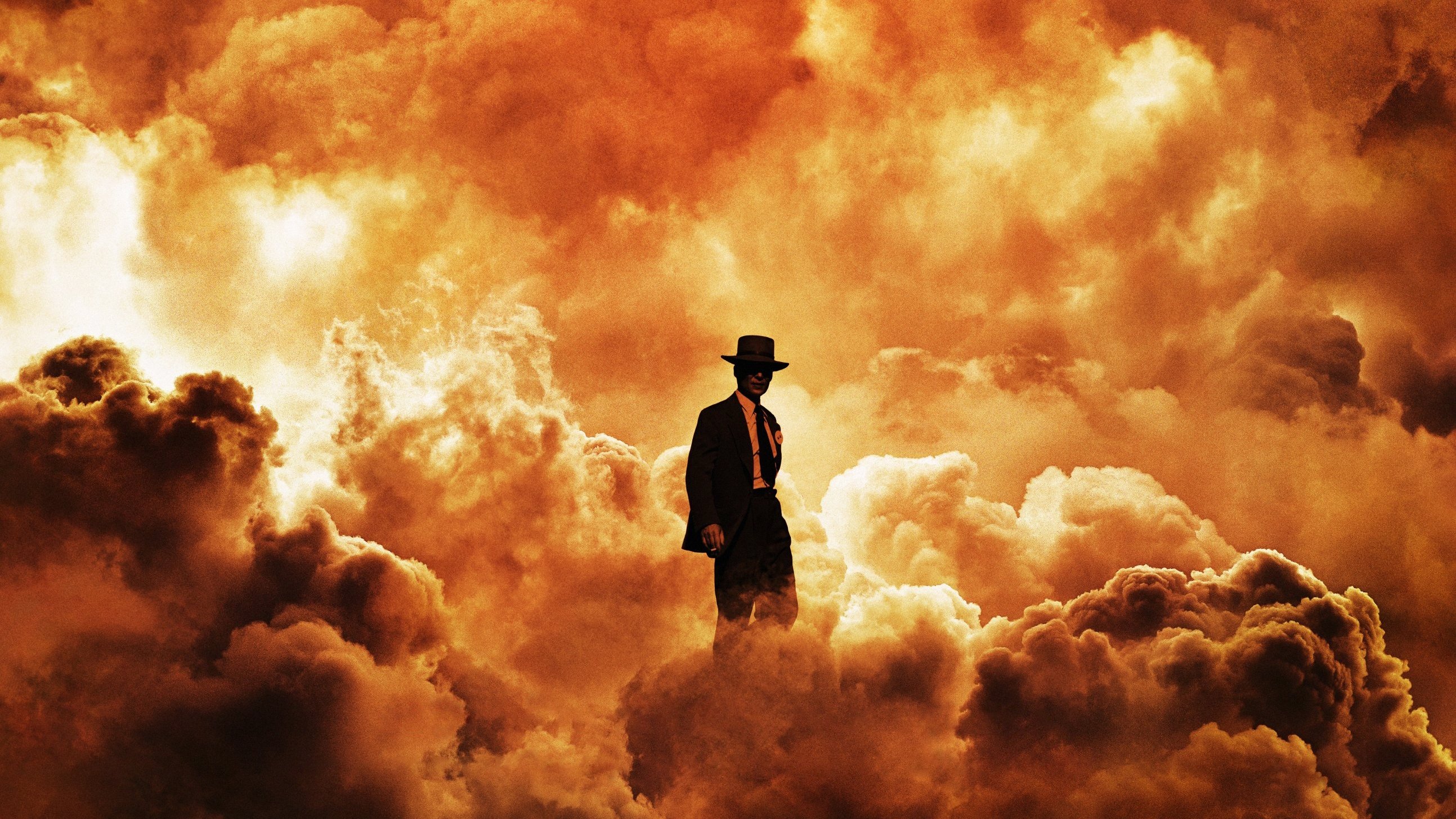
Oppenheimer is remarkable for how little it relies on traditional action while still moving with genuine urgency. The movie understands that ideas, institutions, and ego can produce suspense every bit as intense as physical danger.
Biography as Pressure System
Nolan avoids the museum-piece trap by building the film around momentum. Scientific ambition, wartime necessity, personal vanity, and bureaucratic retaliation all stack on top of one another until the whole life starts to feel unstable.
The Trinity Test Is Not the Whole Point
The test sequence is extraordinary, but the film’s lasting power comes from what happens after. Oppenheimer keeps showing that consequence does not end at the breakthrough, it begins there.
Why It Feels Like Event Cinema for Adults
The movie trusts an audience to follow dense dialogue, political positioning, and moral fallout without flattening them into homework. That confidence is a big part of why the film feels like such a meaningful recent studio landmark.
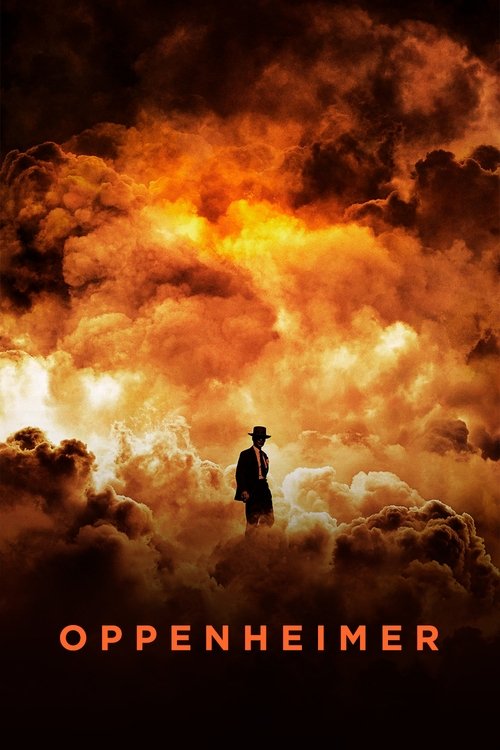
Oppenheimer
2023 • Christopher Nolan
The world forever changes.
Movies to pair with this read



Cathedral Scale
Big-screen movies built around scale, countdown pressure, and the feeling that spectacle only matters because consequence rides inside it.
Machine Nightmares
Cold systems, synthetic threats, and movies where technology stops feeling like a tool and starts feeling like an adversary.
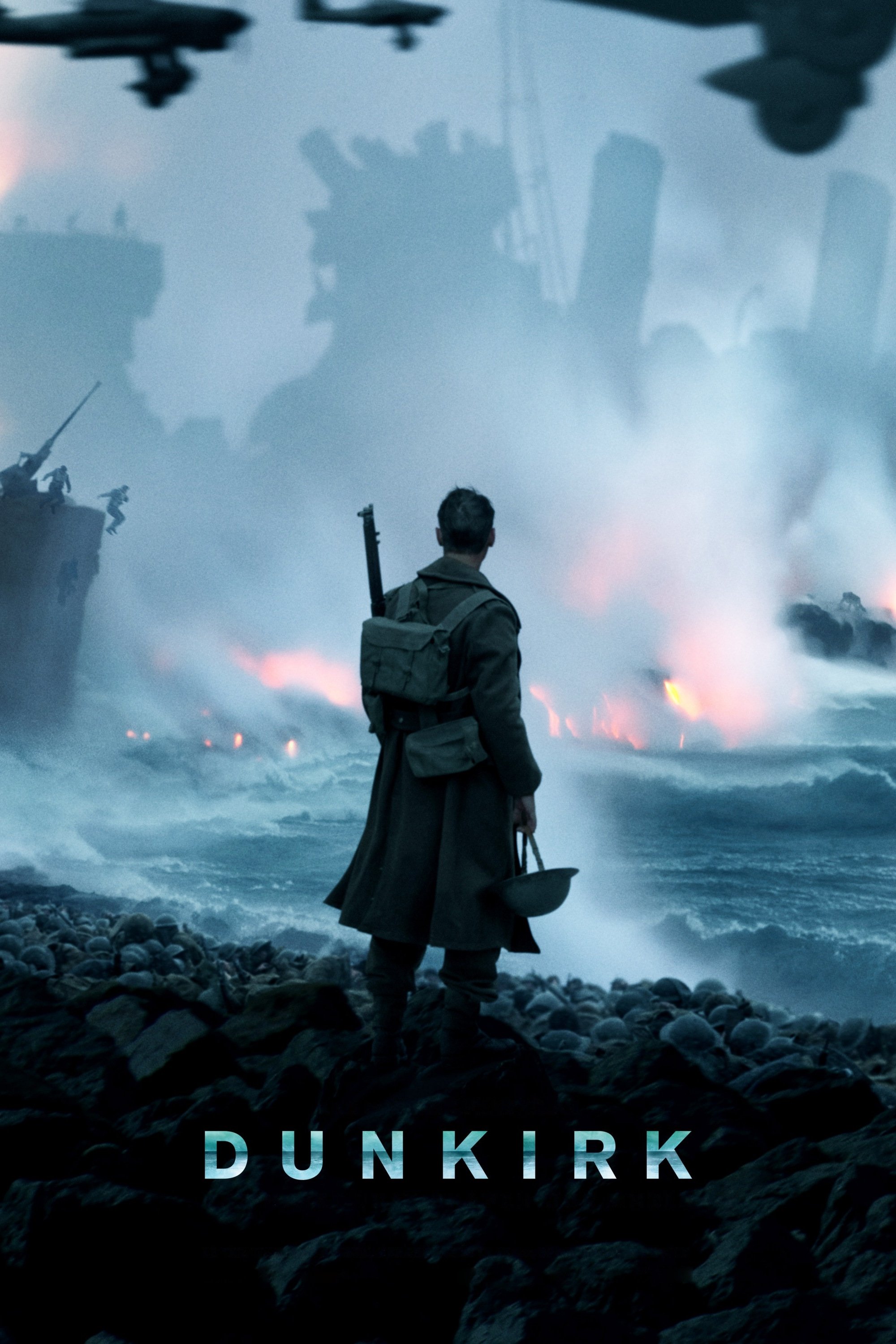
Dunkirk and the Power of Treating Survival as Pure Duration
Dunkirk strips war-movie psychology down to time, space, and immediate peril, then finds feeling inside the compression.
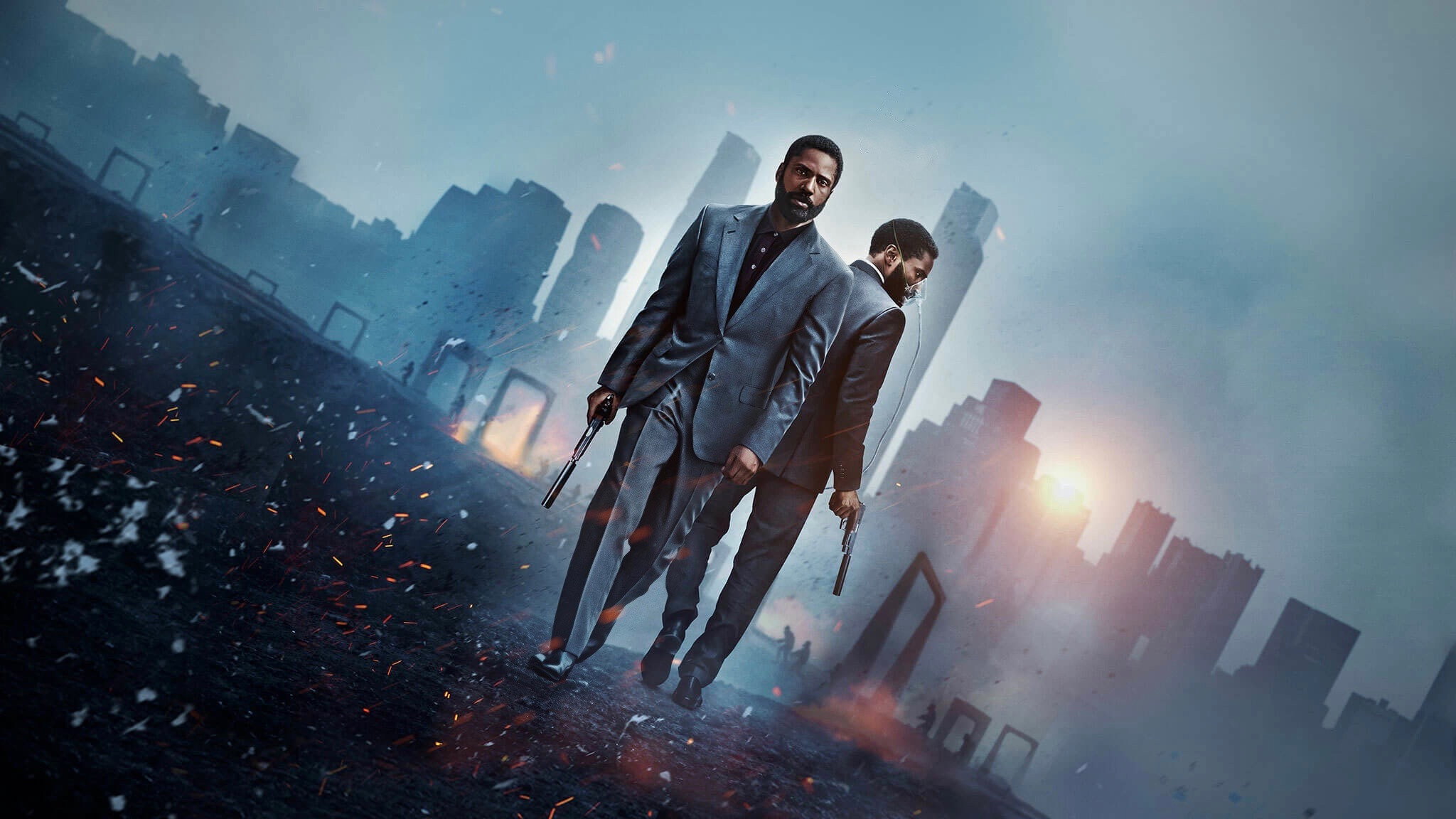
Tenet and the Thrill of a Blockbuster That Refuses to Simplify Its Hostile World
Tenet divides audiences for good reason, but its appeal is inseparable from the feeling that Nolan built a movie where time itself behaves like an antagonist.
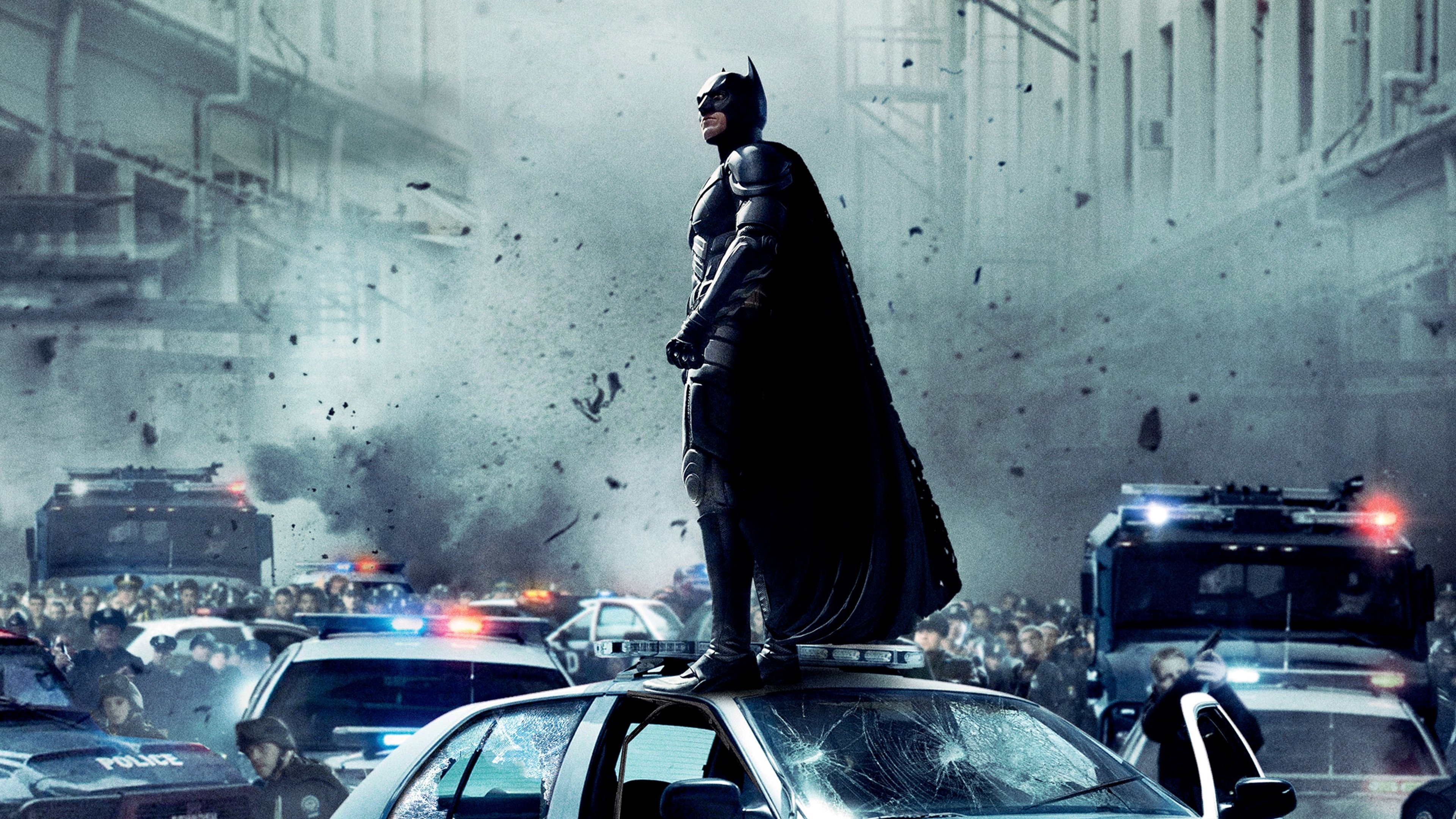
The Dark Knight Rises and the Operatic Cost of Ending a Myth
Messier than The Dark Knight, yes, but also one of Nolan’s biggest swings at turning blockbuster closure into civic and personal reckoning.
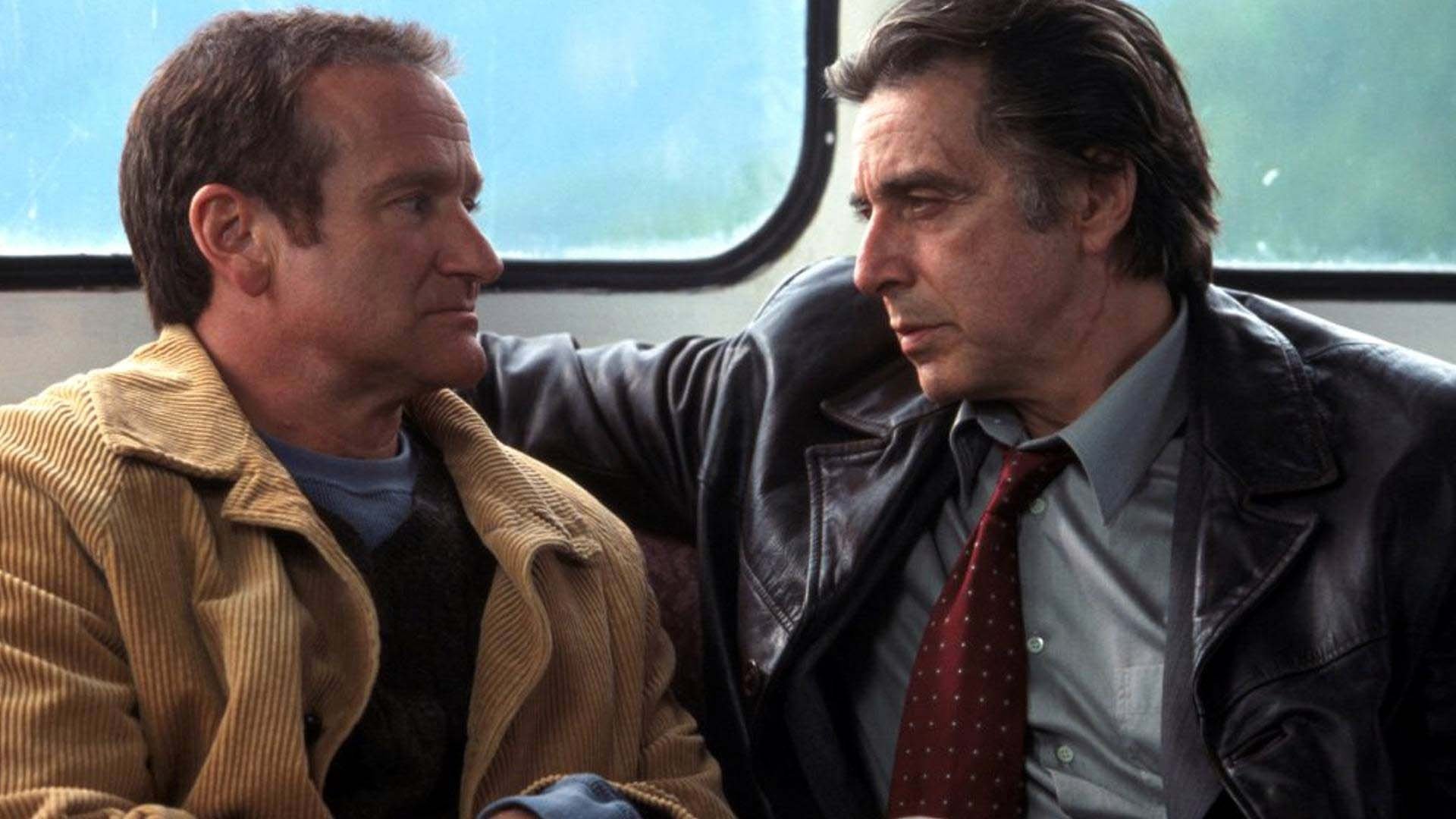
Insomnia and the Nolan Trick of Making Guilt Feel Environmental
Insomnia is often treated like a side assignment, but it already shows Nolan turning moral fatigue and unstable perception into atmosphere.