
The Abyss and the Risky Beauty of Turning Industrial Pressure Into Contact Cinema
Cameron’s undersea epic stays alive because it never treats labor, machinery, and emotional damage as setup for the awe. They are the price of reaching it.
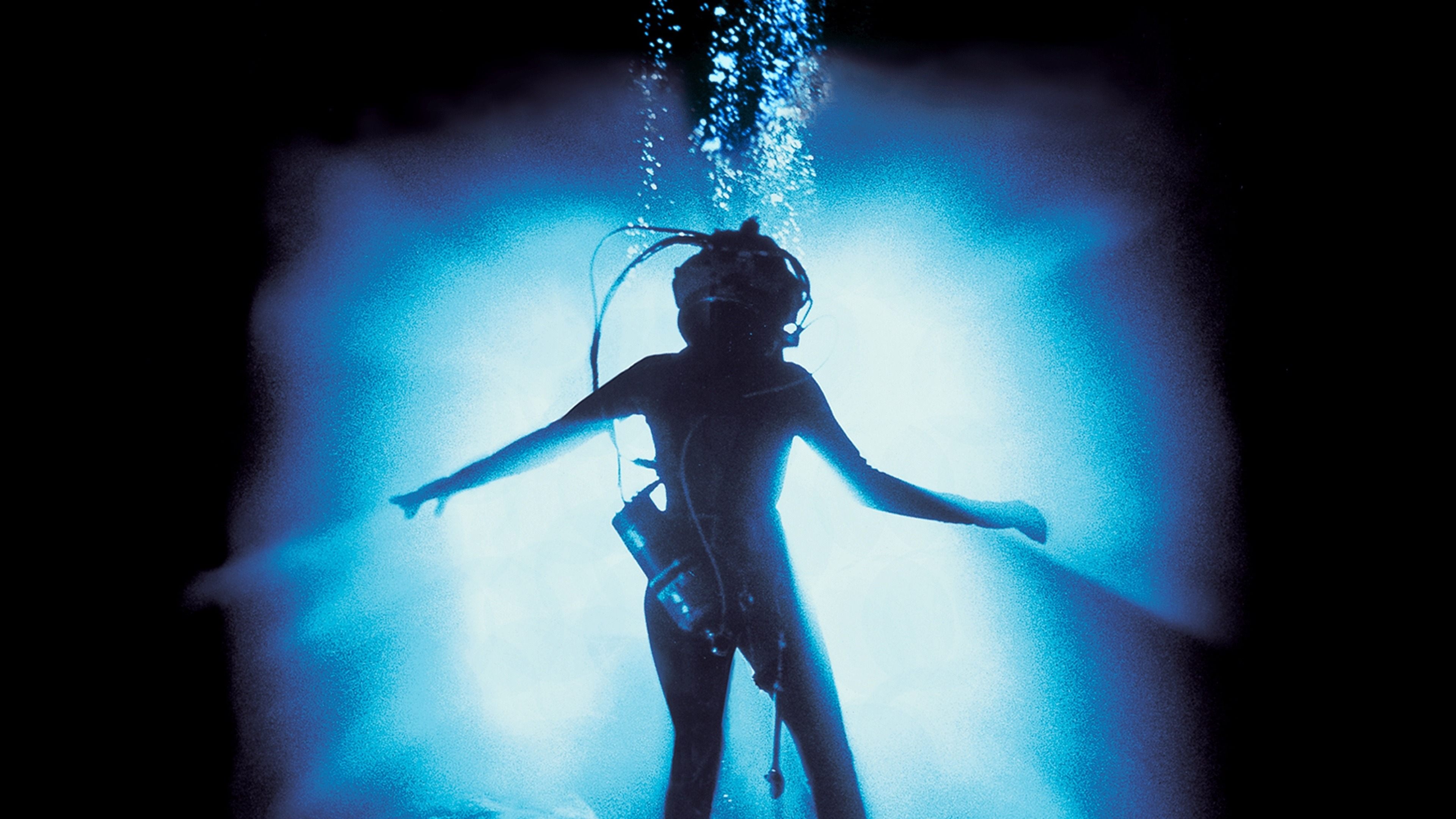
The Abyss is one of James Cameron’s most revealing films because you can watch several future careers trying to emerge from inside it at once. There is the hard-systems Cameron who loves procedure, pressure gauges, and equipment failure. There is the blockbuster engineer who wants giant physical jeopardy to read clearly at every beat. And there is the Cameron who keeps reaching toward wonder, trying to earn transcendence through ordeal instead of dropping it in from nowhere.
Why the Work Detail Matters
What gives the movie its grip is that the underwater station feels inhabited by people doing jobs, not by archetypes waiting for the plot to happen. Repairs, dives, oxygen limits, decompression danger, and hardware improvisation all have dramatic weight. Cameron understands that if the labor feels real, the danger will too.
Marital Damage as Structural Pressure
Bud and Lindsey are not decorative character texture pasted onto a tech thriller. Their frayed history is part of the movie’s central pressure system. The deeper the mission goes, the less space either of them has left to posture. That is why the resuscitation scene hits so hard: procedure becomes confession by other means.
How the Movie Earns Its Awe
The ending only works because Cameron spends so much time making metal, water, fear, and exhaustion tactile. When the unknown finally arrives, it does not feel like a genre swerve away from the real movie. It feels like the reward for surviving long enough to discover that the real scale of the story was larger than military panic and human grievance.
The Abyss
1989 • James Cameron
A place on earth more awesome than anywhere in space.
Movies to pair with this read




Machine Nightmares
Cold systems, synthetic threats, and movies where technology stops feeling like a tool and starts feeling like an adversary.
Cathedral Scale
Big-screen movies built around scale, countdown pressure, and the feeling that spectacle only matters because consequence rides inside it.

Titanic and the Power of Making Industrial Spectacle Feel Emotionally Legible
Titanic lasts because Cameron never treats feeling as the embarrassing part of the enterprise. The romance, class tension, and mechanical catastrophe are all designed to reinforce each other.

True Lies and the Strange Art of Making Marital Farce Play at Blockbuster Scale
Cameron’s action-comedy stays watchable because it never treats the marriage plot as filler. Embarrassment, deception, and spectacle are all part of the same propulsion system.

Aliens and the Brilliant Decision to Turn Survival Horror Into Platoon Panic
Cameron’s sequel works because it does not simply supersize Ridley Scott’s terror. It rebuilds the xenomorph threat around group collapse, siege pressure, and Ripley’s protective ferocity.

Terminator 2 and the Blockbuster Miracle of Making Machine War Feel Personal
James Cameron’s sequel gets larger, louder, and more advanced, but it stays alive because every escalation feeds the movie’s protector-child-parent triangle.