
Aliens and the Brilliant Decision to Turn Survival Horror Into Platoon Panic
Cameron’s sequel works because it does not simply supersize Ridley Scott’s terror. It rebuilds the xenomorph threat around group collapse, siege pressure, and Ripley’s protective ferocity.
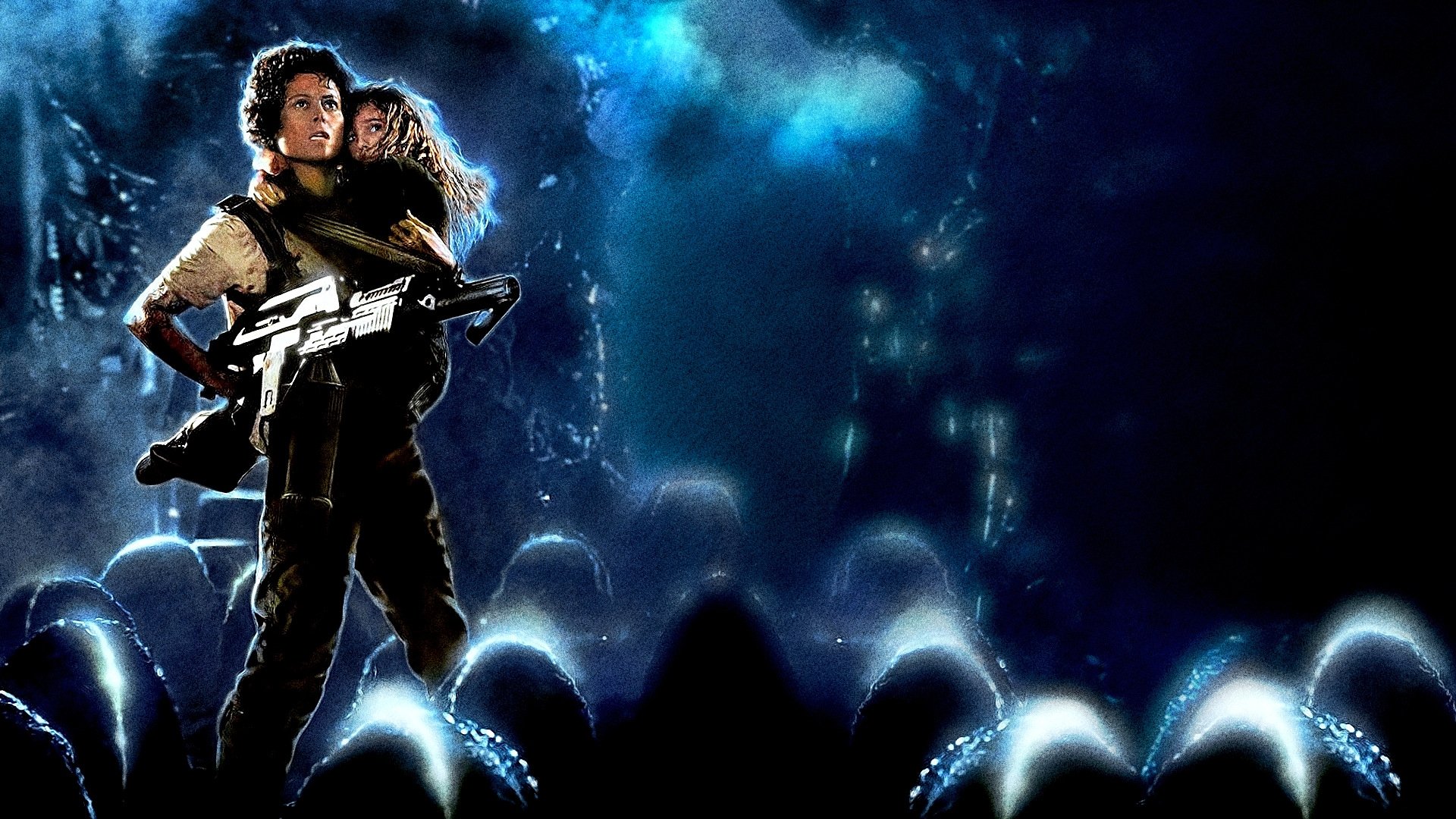
Aliens is one of the clearest examples of a sequel understanding that fidelity does not mean repetition. Cameron keeps the xenomorph nightmare intact, but he translates it into a different dramatic grammar, one built around Marines, bad intel, collapsing command, and the sick realization that superior firepower can still be totally useless.
Escalation Through Tactical Failure
The movie gets stronger every time a system fails. Motion trackers, sealed rooms, military planning, confidence in equipment, each one turns from reassurance into proof that the colony is already lost. Cameron stages competence breaking down in public, which is why the film feels so tense even before the queen arrives.
Ripley as the Moral Center of the Machine
What stops Aliens from becoming empty combat spectacle is Ripley. Sigourney Weaver gives the movie its human line of force, and Cameron is smart enough to build the entire back half around her refusal to treat Newt as collateral. The film is louder than Alien, but it is also more openly about protection.
Why the Final Rescue Still Hits
The power-loader climax is iconic because it lands as emotional payoff before it lands as visual payoff. Ripley has already gone back into hell once. The final fight feels earned because the whole movie has been sharpening her from survivor into defender.
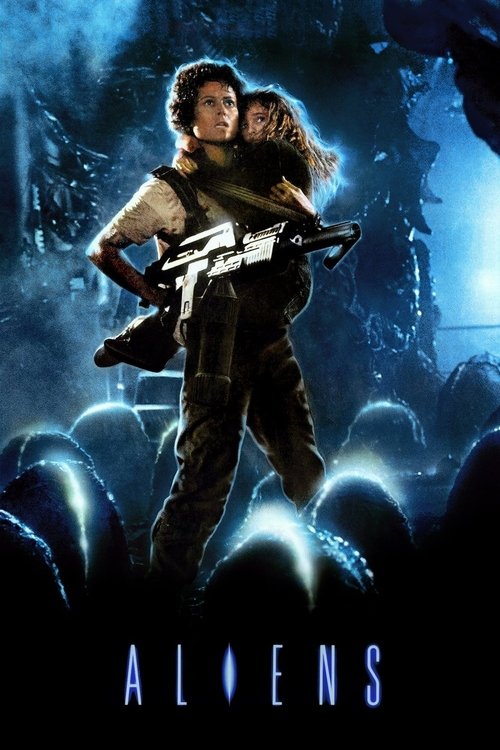
Aliens
1986 • James Cameron
There are some places in the universe you don’t go alone.
Movies to pair with this read




Machine Nightmares
Cold systems, synthetic threats, and movies where technology stops feeling like a tool and starts feeling like an adversary.
Paranoia Machines
Containment, distrust, infiltration, and movies that trap characters inside systems they can no longer verify.
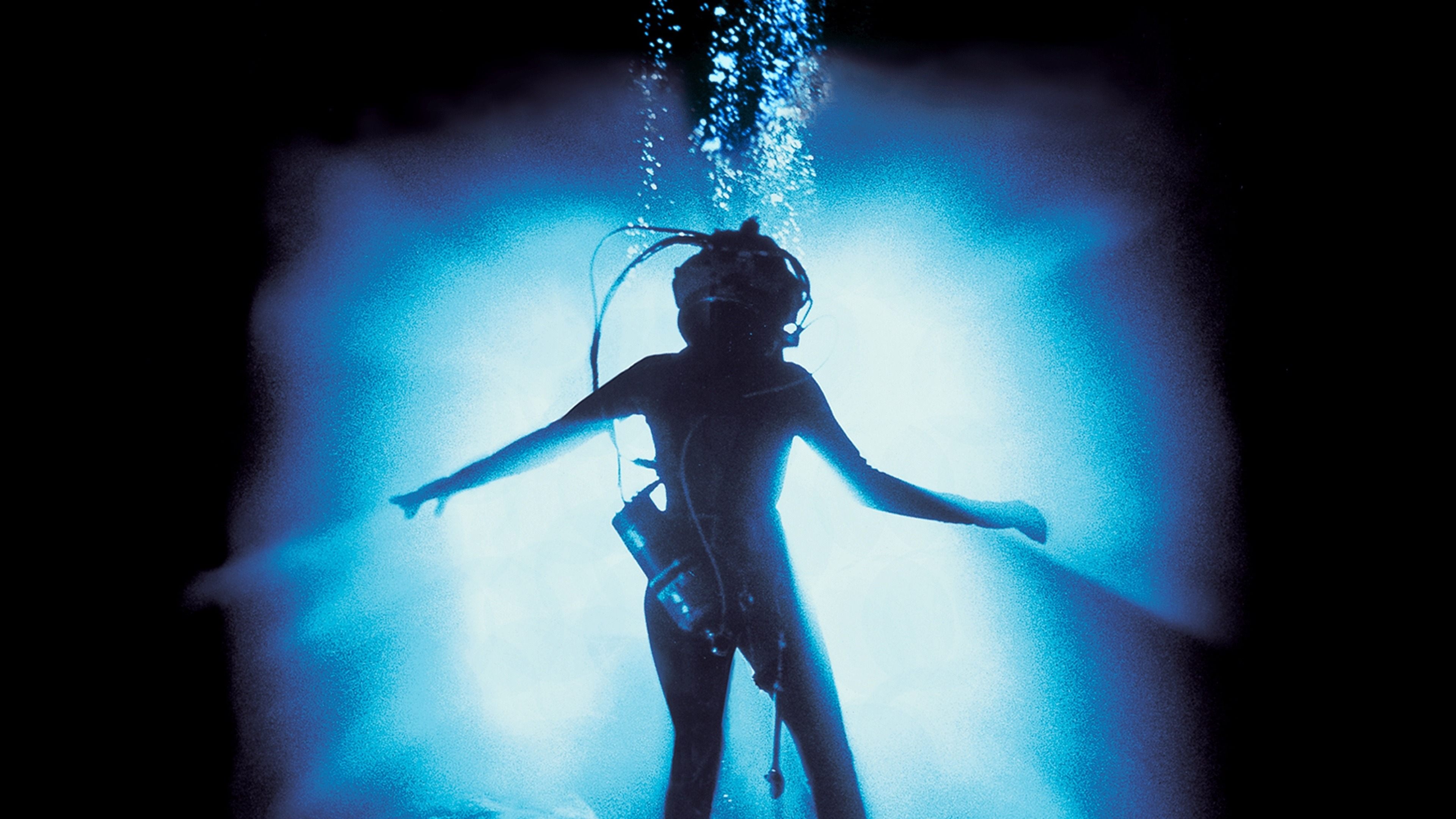
The Abyss and the Risky Beauty of Turning Industrial Pressure Into Contact Cinema
Cameron’s undersea epic stays alive because it never treats labor, machinery, and emotional damage as setup for the awe. They are the price of reaching it.

True Lies and the Strange Art of Making Marital Farce Play at Blockbuster Scale
Cameron’s action-comedy stays watchable because it never treats the marriage plot as filler. Embarrassment, deception, and spectacle are all part of the same propulsion system.
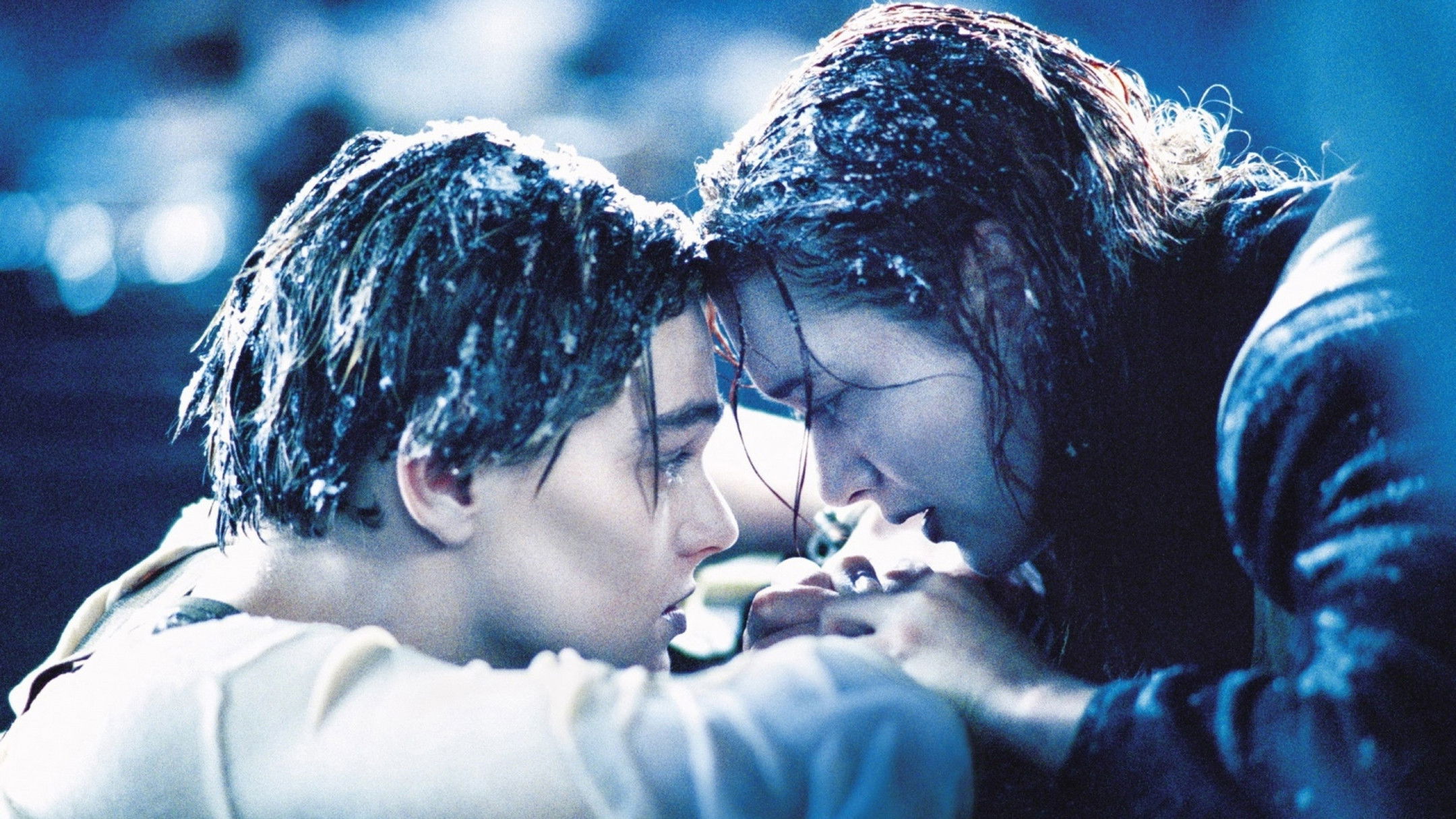
Titanic and the Power of Making Industrial Spectacle Feel Emotionally Legible
Titanic lasts because Cameron never treats feeling as the embarrassing part of the enterprise. The romance, class tension, and mechanical catastrophe are all designed to reinforce each other.
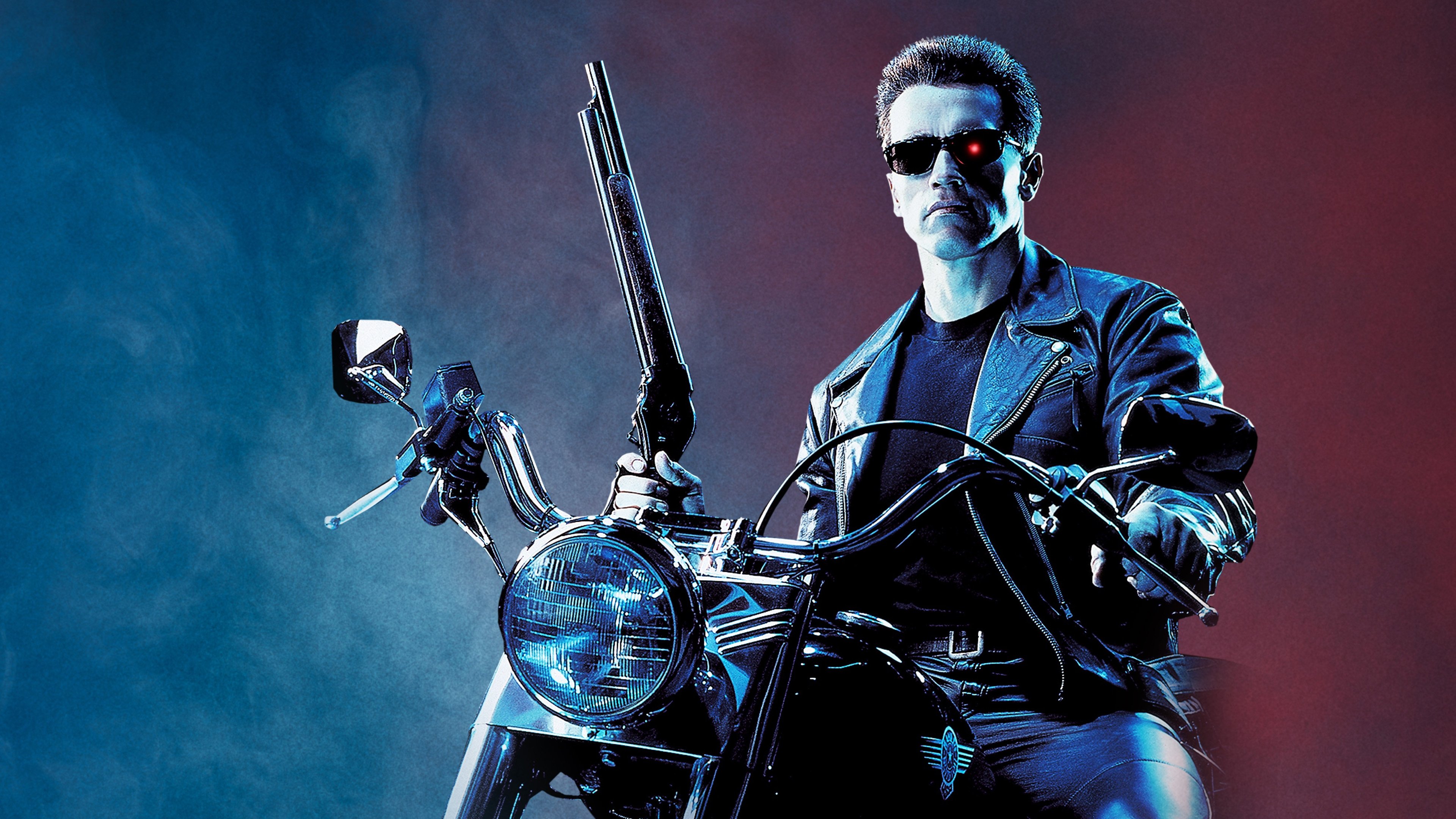
Terminator 2 and the Blockbuster Miracle of Making Machine War Feel Personal
James Cameron’s sequel gets larger, louder, and more advanced, but it stays alive because every escalation feeds the movie’s protector-child-parent triangle.