Terminator 2: Judgment Day
Find the movies with rewatch gravity, live dossiers, and unfinished cases worth deepening.
Movie dossier
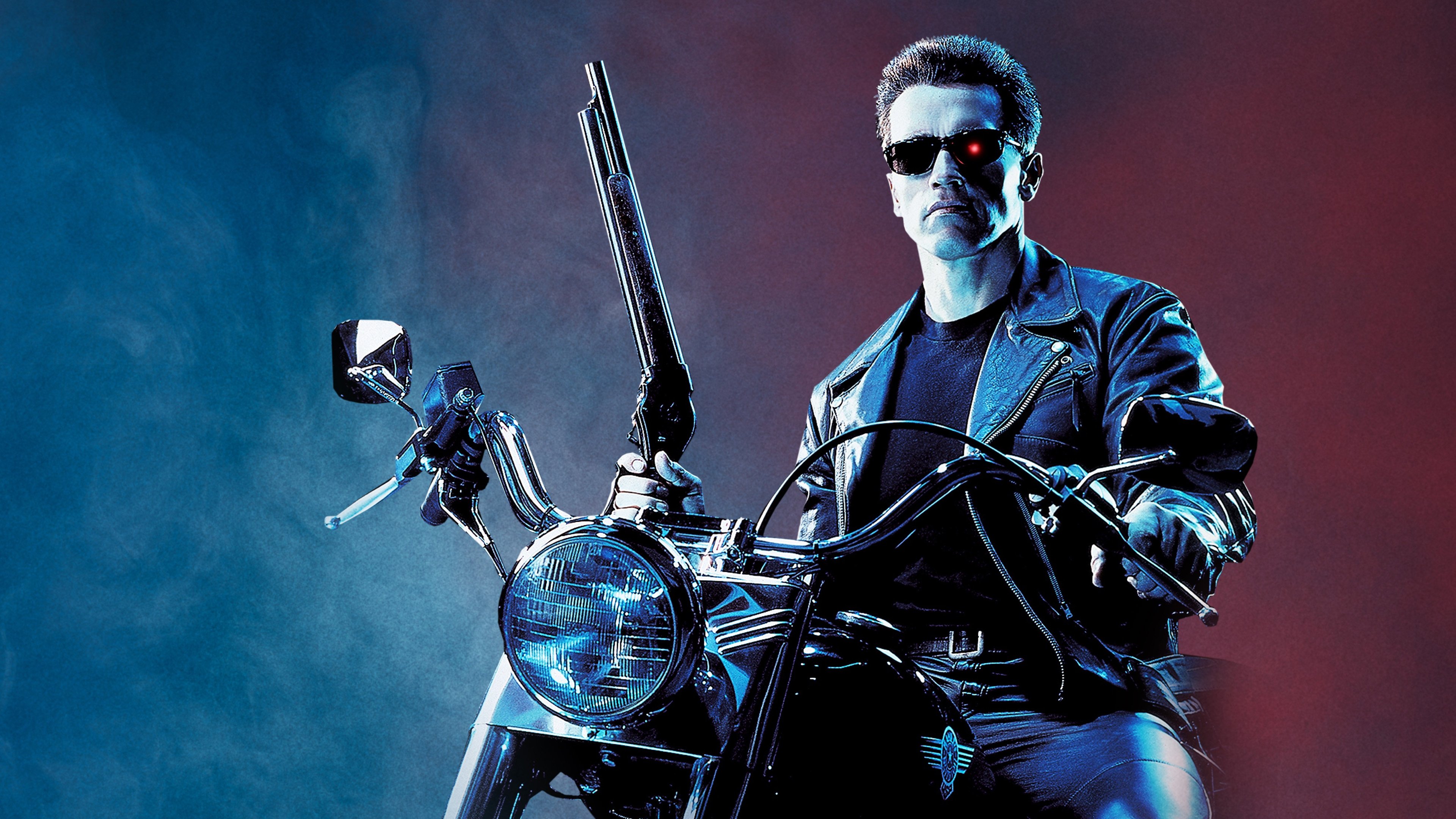
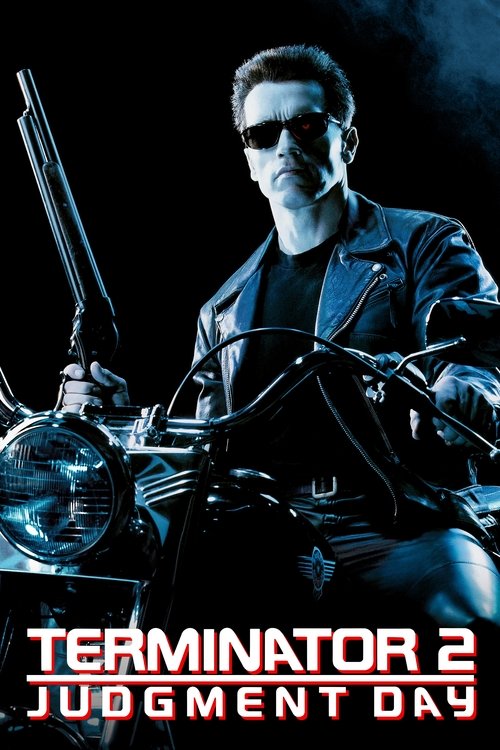
Terminator 2: Judgment Day
Cameron’s blockbuster landmark where chase mechanics, machine dread, and unexpected tenderness all survive the scale-up.
Latest video signal
Trailer slot ready
A widescreen slot for the newest official trailer, interview, or scene signal when the page has a playable source.
Why it matters
Terminator 2 matters because it is one of the rare gigantic sequels that feels more expansive and more emotionally legible than the original at once. Cameron turns apocalypse mythology into a family-in-motion movie without losing the cold force that made The Terminator work.
Craft read
Bigger budget, cleaner action grammar, and relentless forward motion
Sarah, John, and a machine learning duty create the film’s strange warmth
A benchmark for sequel escalation and 1990s blockbuster craft
Themes
Cast and context
Coverage status
A fully shaped Cinema One case: the movie has enough authored context, pathway links, and argument to feel like more than a catalog entry.
Production notes
- • Robert Patrick’s T-1000 is one of the great pursuit-villain inventions because he feels calm, modern, and unstoppable.
- • Linda Hamilton gives the movie its edge by refusing to play Sarah Connor as soft reassurance.
- • A must-have flagship Cameron page and a major machine-nightmare discovery title.
Watch-next pathway
What should you do after Terminator 2: Judgment Day?
Three intentional continuations: stay with the filmmaker, chase the dominant pressure signal, or jump into the shelf or argument that best explains why this movie belongs here.
Aliens
The cleanest next move if James Cameron's control, obsessions, or rhythm are what hooked you here.
More fate
Use the taste map to find movies, arguments, and shelves that share this page's strongest signal.
Machine Nightmares
Cold systems, synthetic threats, and movies where technology stops feeling like a tool and starts feeling like an adversary.
Movie-page argument
Defend Terminator 2: Judgment Day.
If this movie has a scene, performance, ending, or idea people underrate, make the case. The best defenses can become future Cinema One argument material.
Scene challenge
Pick the scene that proves it.
Cinema One is built around scenes that unlock the movie. Tell us which moment carries the pressure, style, argument, or rewatch charge.
Cinema One case file
The argument this page is making
A sequel that turns the monster into protector without losing the dread that machines may inherit the future.
Blockbuster spectacle with a moral engine: action, VFX, family repair, and anti-nuclear terror all moving in the same direction.
Bigger hardware, clearer emotion, cleaner geography, and action scenes that escalate like engineering problems.
Defend the blockbuster craft, not just the nostalgia. T2 works because every effect, chase, and sacrifice is tied to Sarah and John’s fear of the future.
Production file
How the movie became this object
The villain as liquid inevitability
The T-1000 is not just a new effect. It is a new kind of threat: adaptable, blank, reflective, and almost impossible to pin down.
Sarah as trauma prophet
Sarah Connor is heroic and frightening because she has already mentally survived the apocalypse. The movie lets her be right without making her stable.
Effects serving clarity
The VFX endure because Cameron uses them as behavior and story logic, not decoration. The liquid metal always means pursuit, deception, or survival math.
Scene architecture
The moments that change the machine
The canal chase
The sequence is pure Cameron: spatially clean, mechanically escalating, and emotionally legible because John’s survival is always the point.
Dyson’s house
The movie pauses the chase to make apocalypse ethical and personal. The future is not abstract when one family is forced to see what their work enables.
Steel mill sacrifice
The ending earns its sentiment because the machine has learned enough to become loss. Cameron turns hardware into farewell.
Cultural afterlife
What people did with it afterward
Sequel as upgrade myth
T2 is one of the cleanest examples of sequel escalation that actually deepens the premise instead of just inflating it.
The image of preventable doom
Its nuclear nightmare and “no fate” mantra remain potent because the movie believes action can matter even inside systems built for catastrophe.
Blockbuster grammar standard
The film remains a benchmark for action clarity: geography, motive, machine behavior, and emotional stakes rarely drift apart.
Signature scene: the canal chase
The canal pursuit is Cameron stating the movie’s whole contract with the audience. Every spatial beat is crystal clear, every vehicle move communicates character, and the escalation never feels empty because John’s terror and Sarah’s disbelief are riding inside the action design.
Line worth carrying forward
"No fate but what we make for ourselves" gives the movie its soul. It turns the series away from pure doom and into a harder, more painful hope that the future can be altered only through choice, labor, and sacrifice.
Why the ending still hits
The finale works because Cameron understands that emotional payoff has to cost something. The steel-mill climax delivers spectacle, but the last sacrifice reframes the whole movie around chosen disappearance, making the ending feel mournful, not merely victorious.
Steelman the debate
A strong pushback is that Terminator 2 trades some of the first film’s horror nastiness for crowd-pleasing scale and sentiment. The best defense is that the softening is selective, not total. Cameron keeps the machinery of dread, then adds emotional readability so the movie can function as action ecstasy and tragic warning at once.
More from this director
Related picks
Read next
James Cameron’s sequel gets larger, louder, and more advanced, but it stays alive because every escalation feeds the movie’s protector-child-parent triangle.
Cameron’s sequel works because it does not simply supersize Ridley Scott’s terror. It rebuilds the xenomorph threat around group collapse, siege pressure, and Ripley’s protective ferocity.
The Terminator still hits because Cameron strips a huge sci-fi premise down to one merciless chase and lets horror logic do the rest.