The Terminator
Find the movies with rewatch gravity, live dossiers, and unfinished cases worth deepening.
Movie dossier
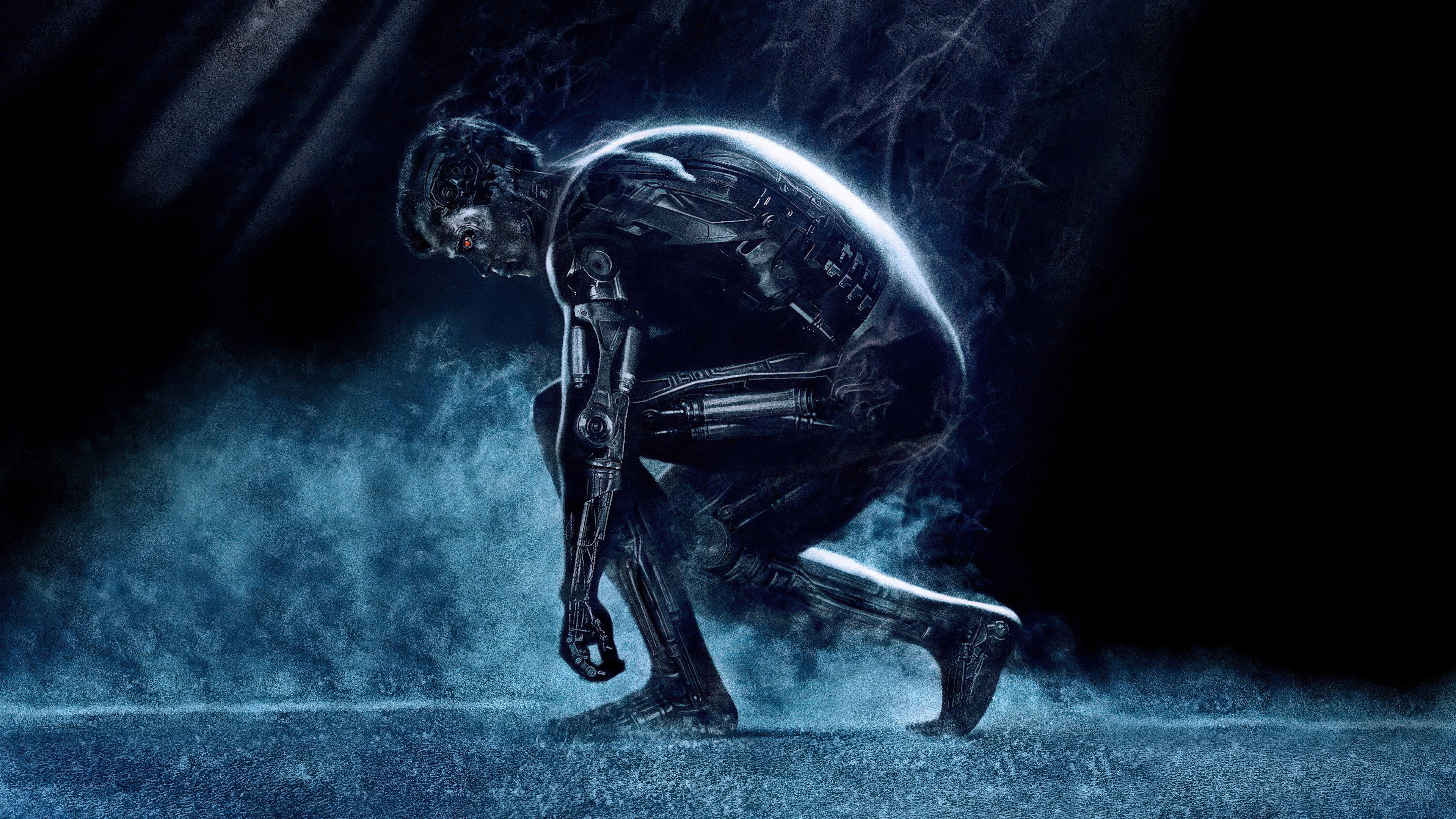
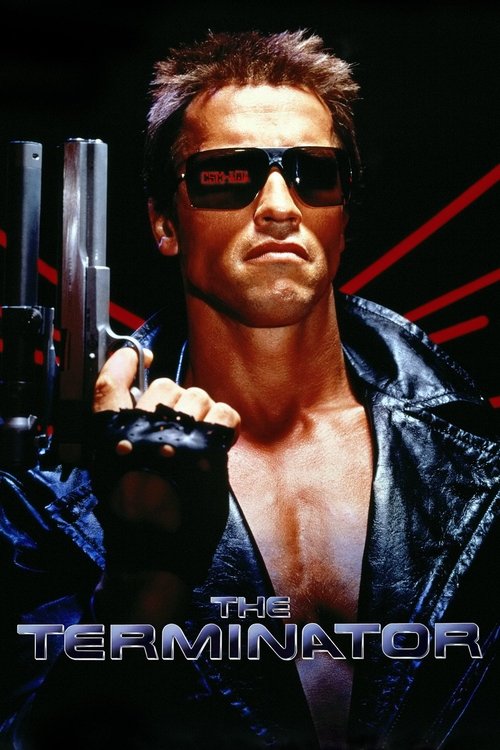
The Terminator
A relentless sci-fi chase nightmare where machine logic turns time travel into pure pressure.
Latest video signal
Trailer slot ready
A widescreen slot for the newest official trailer, interview, or scene signal when the page has a playable source.
Why it matters
The Terminator matters because Cameron solves an enormous concept with ruthless simplicity. The movie is part slasher, part future-war myth, part synth-driven pursuit machine, and it still feels alarmingly lean.
Craft read
Time-travel premise reduced to hunt, pursuit, and survival
Techno-noir dread with horror-film inevitability
A foundational machine-paranoia blockbuster that still feels mean and hungry
Themes
Cast and context
time travel • cyborg • artificial intelligence • future war • robot • dystopia
Coverage status
A fully shaped Cinema One case: the movie has enough authored context, pathway links, and argument to feel like more than a catalog entry.
Production notes
- • Made on a modest budget, but directed with outsized conviction and precision.
- • Arnold Schwarzenegger becomes iconic by being stripped of charm and reduced to force.
- • The movie is a key bridge between horror grammar and blockbuster sci-fi escalation.
Watch-next pathway
What should you do after The Terminator?
Three intentional continuations: stay with the filmmaker, chase the dominant pressure signal, or jump into the shelf or argument that best explains why this movie belongs here.
Terminator 2: Judgment Day
The cleanest next move if James Cameron's control, obsessions, or rhythm are what hooked you here.
More fate
Use the taste map to find movies, arguments, and shelves that share this page's strongest signal.
Paranoia Machines
Containment, distrust, infiltration, and movies that trap characters inside systems they can no longer verify.
Movie-page argument
Defend The Terminator.
If this movie has a scene, performance, ending, or idea people underrate, make the case. The best defenses can become future Cinema One argument material.
Scene challenge
Pick the scene that proves it.
Cinema One is built around scenes that unlock the movie. Tell us which moment carries the pressure, style, argument, or rewatch charge.
Cinema One case file
The argument this page is making
A cheap, relentless chase movie where future apocalypse is compressed into one night of survival.
Tech-noir horror: the machine is terrifying because it does not hate, tire, negotiate, or understand anything except completion.
Muscular genre engineering, blue-collar grit, practical escalation, and mythic stakes built from clean physical objectives.
Protect the movie’s lean horror identity. It is not just franchise origin; it is a nightmare with steel bones.
Production file
How the movie became this object
Low-budget pressure as strength
The movie’s limitations help it. Los Angeles feels emptied, nocturnal, industrial, and hunted because the film keeps narrowing the world to pursuit.
The machine as performance
Schwarzenegger’s minimalism is the concept. The performance works because absence becomes menace: no psychology, no hesitation, no wasted motion.
Romance under countdown
Kyle and Sarah’s relationship works because the movie gives tenderness almost no room. Love appears inside exhaustion, fear, and the knowledge that time is already weaponized.
Scene architecture
The moments that change the machine
Tech Noir shootout
The nightclub sequence turns identity confusion into pure survival cinema. Sarah sees the impossible arrive, and the movie never really lets her breathe again.
Police station massacre
The safest civic space becomes a slaughterhouse because the machine does not recognize institutional authority as meaningful.
The factory endgame
The final stretch strips the Terminator down to its essence. Flesh burns away and the chase becomes skeleton, piston, claw, and refusal.
Cultural afterlife
What people did with it afterward
Franchise shadow
The later mythology can obscure how mean and simple the first film is. Its greatness is in the stripped-down horror engine.
AI fear before interface culture
The movie’s tech anxiety remains sharp because Skynet is less personality than system consequence: automation plus war logic plus no off switch.
Sarah Connor begins here
The icon starts as an ordinary woman learning in real time that survival may be the first form of destiny.
Signature scene: the police-station assault
The police-station siege is where The Terminator stops feeling like a clever B-movie premise and becomes a machine-nightmare classic. Cameron stages institutional safety collapsing in real time, and the Terminator's calm, procedural violence makes the scene feel less like action than inevitability.
Line worth carrying forward
"I'll be back" endures because it is funny, threatening, and weirdly inhuman at the same time. In context, the line is not swagger, it is a machine making a promise, which is why the movie turns a catchphrase into dread.
Why the ending gives the movie staying power
The Terminator ends on a note of motion rather than closure. Sarah Connor is transformed, the future is still coming, and Cameron leaves the movie with that crucial mix of survival, warning, and myth-creation that made the franchise possible without making the first film feel incomplete.
Steelman the debate
A fair pushback is that The Terminator can look rough next to Cameron's larger later films, with some 1980s effects and dialogue that show the budget seams. The best defense is that the roughness is part of the movie's identity. This is a lean, predatory object, and the stripped-down violence and synth-noir texture are exactly what keep it nasty and alive.
Shows up in
Containment, distrust, infiltration, and movies that trap characters inside systems they can no longer verify.
Cold systems, synthetic threats, and movies where technology stops feeling like a tool and starts feeling like an adversary.
More from this director
Related picks
Read next
James Cameron’s sequel gets larger, louder, and more advanced, but it stays alive because every escalation feeds the movie’s protector-child-parent triangle.
The Terminator still hits because Cameron strips a huge sci-fi premise down to one merciless chase and lets horror logic do the rest.
Cameron’s sequel works because it does not simply supersize Ridley Scott’s terror. It rebuilds the xenomorph threat around group collapse, siege pressure, and Ripley’s protective ferocity.