Batman Begins
Find the movies with rewatch gravity, live dossiers, and unfinished cases worth deepening.
Movie dossier
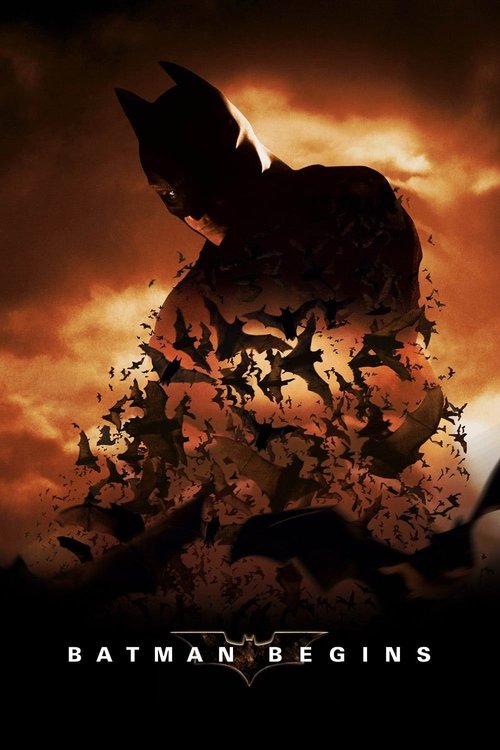
Batman Begins
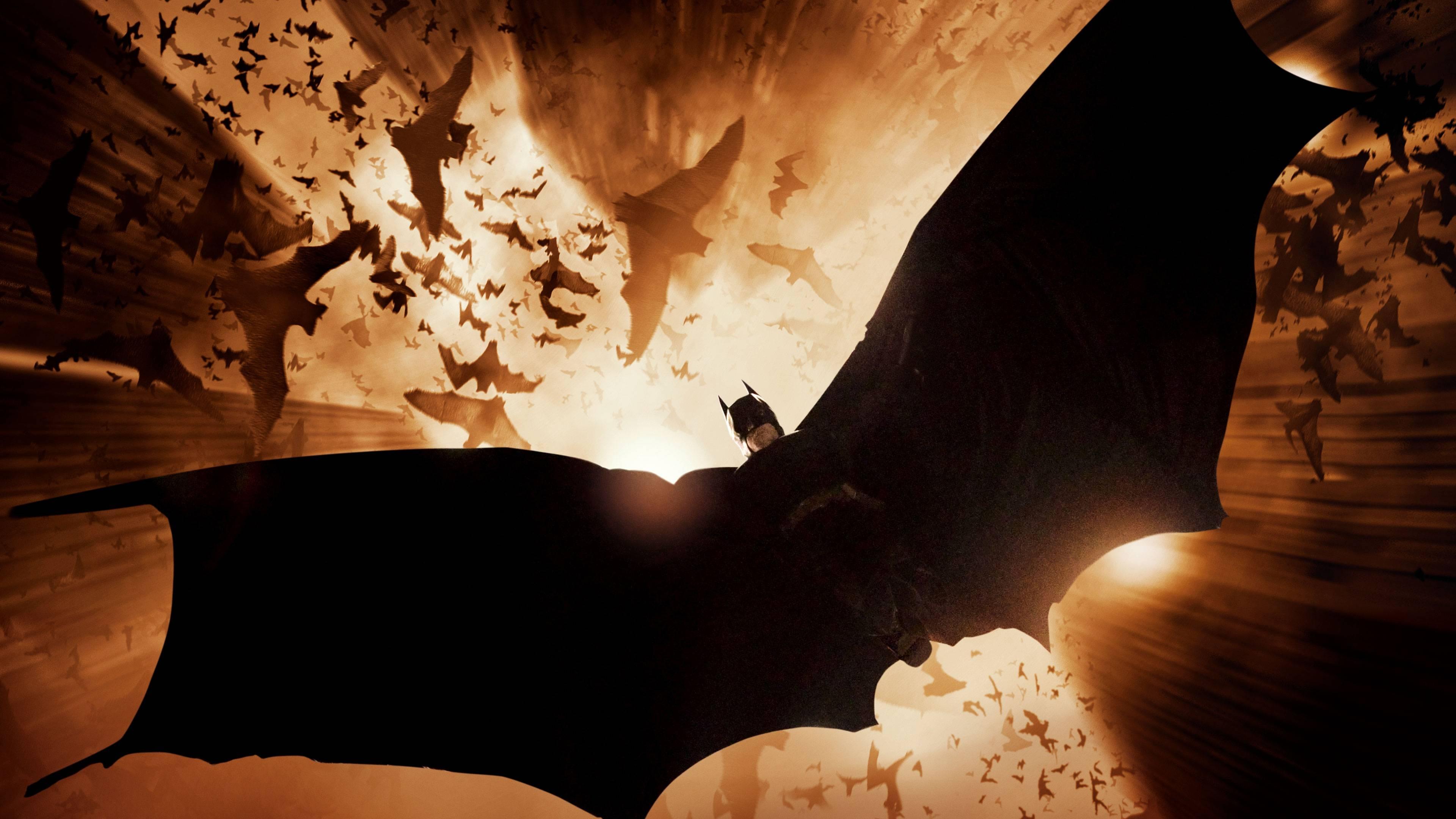
Christopher Nolan rebuilds Batman as fear training, urban procedure, and moral self-construction instead of cape mythology on autopilot.
Latest video signal
Trailer slot ready
A widescreen slot for the newest official trailer, interview, or scene signal when the page has a playable source.
Why it matters
Batman Begins matters here because it is the Nolan Batman movie most likely to be treated as setup when it is really the operating manual. The movie keeps asking one question from different angles: what happens when a traumatized rich kid tries to turn fear into a public instrument without becoming another zealot in a mask? That is why the origin still has rewatch gravity. The training, the cave, the tumbler, the Narrows, the toxin, and the Wayne name all become pressure systems around Bruce learning that theatrical intimidation is only useful if a moral line survives underneath it.
Craft read
An origin story built as diagnosis: grief becomes anger, anger seeks discipline, and discipline has to choose between justice and purification
Every mentor figure offers Bruce a different operating system for fear: Alfred protects the person, Ducard weaponizes trauma, Fox gives tools, Rachel names the moral cost
The second watch is about infrastructure: how the cave, suit, symbol, antidote, monorail, and Gotham geography are assembled before The Dark Knight can weaponize them
Themes
Cast and context
Coverage status
A fully shaped Cinema One case: the movie has enough authored context, pathway links, and argument to feel like more than a catalog entry.
Production notes
- • American Cinematographer’s production coverage is the useful craft key: Nolan and Wally Pfister approached Gotham with low-key photographic grit and practical staging, making the superhero frame feel closer to crime thriller and urban procedure than weightless comic spectacle.
- • ASC also details the practical ambition behind the chase and Batmobile material, including stunt and effects planning around physical rigs; that matters because the Tumbler reads like a violent tool inside traffic instead of a digital toy.
- • AFI’s catalog record anchors the film’s creative spine around Christopher Nolan, David S. Goyer, Wally Pfister, Nathan Crowley, and Lee Smith, useful because Batman Begins is a systems movie in production form too: writing, design, camera, and edit all serve the same grounded-origin argument.
- • The movie’s best franchise contribution is not just darkness. It is causality. Every later Batman choice has an earlier material reason: the cave is explored, the suit is modified, the car is sourced, the signal is negotiated, and the symbol is built like civic infrastructure with a warning label.
Watch-next pathway
What should you do after Batman Begins?
Three intentional continuations: stay with the filmmaker, chase the dominant pressure signal, or jump into the shelf or argument that best explains why this movie belongs here.
The Dark Knight
The cleanest next move if Christopher Nolan's control, obsessions, or rhythm are what hooked you here.
More fear
Use the taste map to find movies, arguments, and shelves that share this page's strongest signal.
Tension Machines
Command decisions, brinkmanship, pressure, and movies that tighten the screws scene by scene.
Movie-page argument
Defend Batman Begins.
If this movie has a scene, performance, ending, or idea people underrate, make the case. The best defenses can become future Cinema One argument material.
Scene challenge
Pick the scene that proves it.
Cinema One is built around scenes that unlock the movie. Tell us which moment carries the pressure, style, argument, or rewatch charge.
Production file
How the movie became this object
Fear is not theme wallpaper; it is the control system
Batman Begins keeps turning fear into different jobs. It paralyzes Bruce in the cave, humiliates him at the opera, becomes training language in the League, becomes a weapon through Scarecrow, then becomes Batman’s public theater. The page’s best lens is not “how Bruce becomes Batman.” It is how many people try to own fear before Bruce decides what it is allowed to do.
The grounded style works because everything has a supplier
Nolan’s Gotham feels heavier than most superhero cities because the movie keeps showing procurement. The suit comes from military tech, the Tumbler from Wayne Applied Sciences, the cave from family history, the signal from police trust, and the antidote from procedural problem-solving. The fantasy survives because the movie makes the machinery accountable.
Scene architecture
The moments that change the machine
Architecture note: the first half moves forward by looking backward
The flashback structure works because each memory answers the present training beat beside it. The well, the alley, the court, the gun, and the exile are not biography pauses; they are evidence files. Nolan is teaching the audience how Bruce’s fear got built before he teaches Bruce how to use it.
Signature scene: the Narrows gas attack turns private trauma into civic nightmare
The Narrows climax is the unlock because every idea in the movie becomes physical at once. Fear toxin makes perception hostile, the monorail turns Wayne family optimism into a delivery system for catastrophe, Batman has to stop the mentor who taught him discipline, and Gotham’s poor become the first bodies asked to absorb elite ideology. It is superhero action as infrastructure failure.
Line worth carrying forward
“It’s not who I am underneath, but what I do that defines me.” The line survives because it gives the origin a moral escape hatch. Bruce can dress fear in symbol and theater, but the movie keeps insisting identity only matters when it becomes behavior under pressure.
Why the ending matters beyond sequel setup
The final Gordon rooftop scene is not only a Joker tease. It is the bill arriving. Batman has created a new kind of public symbol, and the city is already answering with escalation. That is why Batman Begins earns its place beside The Dark Knight: the sequel is not a tonal jump, it is the consequence of a weaponized idea entering civic life.
Steelman the debate
The fair knock is that Batman Begins can feel more schematic than electric, especially beside The Dark Knight’s crime-siege momentum. The defense is that the schematic quality is the point. This is Nolan building the machine in front of us, making every later mythic image pay rent through fear, grief, procurement, and moral choice.
More from this director
Related picks
Read next
Before The Dark Knight became the prestige benchmark, Batman Begins did the harder job of making Batman dramatically credible again.
Tenet divides audiences for good reason, but its appeal is inseparable from the feeling that Nolan built a movie where time itself behaves like an antagonist.
How Christopher Nolan elevated superhero cinema by exploring the philosophical battle between Batman and the Joker.