
The Godfather Part II
Find the movies with rewatch gravity, live dossiers, and unfinished cases worth deepening.
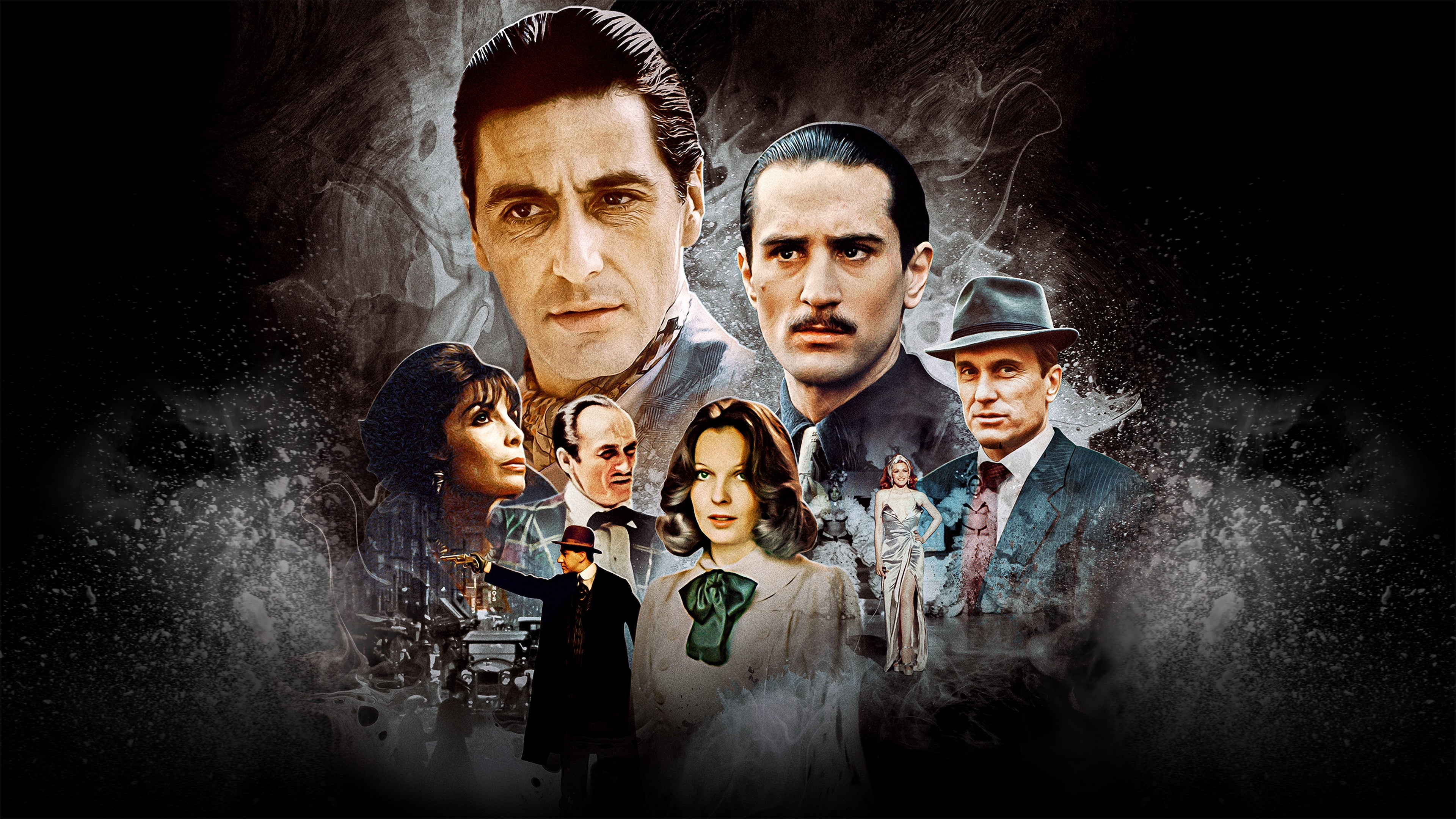
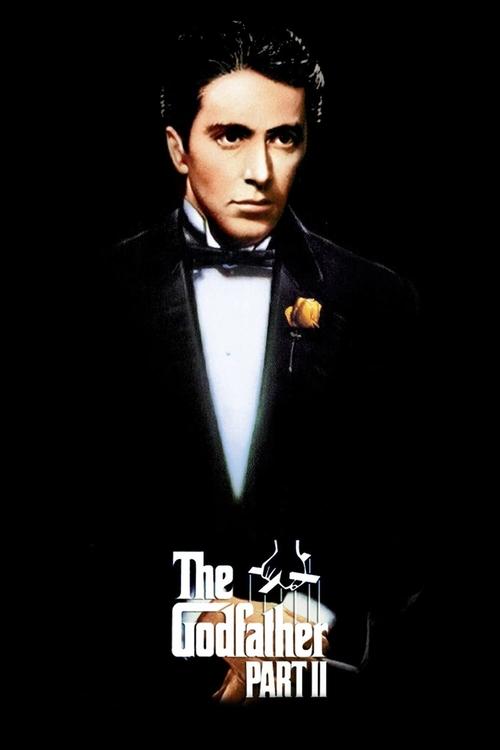
Movie dossier
The Godfather Part II
The sequel that widens the empire while narrowing the soul.
Latest video signal
Trailer slot ready
A widescreen slot for the newest official trailer, interview, or scene signal when the page has a playable source.
Why it matters
The Godfather Part II matters because it refuses the comfort of expansion as triumph. By pairing Vito’s rise with Michael’s spiritual collapse, Coppola turns inheritance into a story about what power costs when it becomes the only language left in a family.
Craft read
Dual timeline design that compares ascent and corrosion rather than merely filling in backstory
Colder, lonelier, and more fatalistic than the first film
One of the rare sequels that deepens the original instead of extending it mechanically
Themes
Cast and context
mafia • prequel • sequel • family saga • cuba • new york • power
Francis Ford Coppola currently has 4 live movie pages in Cinema One.
View director pageCoverage status
A strong case file with real editorial shape: enough craft, context, and connection to guide a serious watch.
Production notes
- • Gordon Willis told an AFI seminar, reprinted by American Cinematographer, that Part II took ten months and moved from Lake Tahoe to Los Angeles, the Dominican Republic, New York, Trieste, and Sicily; that sprawl matters because Coppola uses a bigger map to make Michael feel less reachable.
- • Willis described the Ellis Island opening as deliberately overexposed for a bleached-out feeling, while the contemporary material ran darker; the film’s visual history lesson is baked into exposure, not just costumes and sets.
- • The Academy record is part of the sequel’s meaning: ten nominations and six wins, including Best Picture, Director, Adapted Screenplay, and Supporting Actor for De Niro. Prestige did not soften the film’s verdict; it made a colder gangster epic the new sequel benchmark.
- • Important anchor for sequel discourse and for the Coppola lane because it proves expansion can be an autopsy rather than franchise inflation.
Watch-next pathway
What should you do after The Godfather Part II?
Three intentional continuations: stay with the filmmaker, chase the dominant pressure signal, or jump into the shelf or argument that best explains why this movie belongs here.
The Godfather
The cleanest next move if Francis Ford Coppola's control, obsessions, or rhythm are what hooked you here.
More inheritance
Use the taste map to find movies, arguments, and shelves that share this page's strongest signal.
The sequel that proves expansion can also mean spiritual contraction.
Strong for sequel debates, power-and-isolation lanes, and “films that deepen rather than repeat.”
Movie-page argument
Defend The Godfather Part II.
If this movie has a scene, performance, ending, or idea people underrate, make the case. The best defenses can become future Cinema One argument material.
Scene challenge
Pick the scene that proves it.
Cinema One is built around scenes that unlock the movie. Tell us which moment carries the pressure, style, argument, or rewatch charge.
Cinema One case file
The argument this page is making
A sequel about expansion as spiritual collapse: the empire grows while the family meaning evaporates.
Parallel origin story and autopsy: Vito’s rise still has community texture, while Michael’s reign becomes colder, richer, and lonelier.
Memory, capitalism, immigration, silence, and family ritual arranged as American tragedy across generations.
Make the page argue why “bigger” here means morally emptier, not merely more epic.
Production file
How the movie became this object
Parallel structure as judgment
The Vito and Michael timelines do not simply explain each other. They accuse each other: Vito turns violence into neighborhood power with family warmth still visible around the edges, while Michael turns inherited power into a climate where warmth cannot survive.
Willis makes history visible in exposure
Gordon Willis described the Ellis Island material as overexposed for a bleached-out effect and the contemporary material as darker. That craft choice gives the page a rewatch key: the past does not look warmer because it is morally clean; it looks like an origin myth already being processed into memory.
Power without rooms to live in
Michael wins spaces by emptying them. The Lake Tahoe compound, Senate hearing, Havana rooms, and final lakeside silence all feel bigger than the first film’s interiors, yet less inhabitable. The sequel’s scale is a trap: more territory, fewer people who can speak honestly inside it.
America as transaction
The film expands from neighborhood protection to senators, casinos, Cuba, and corporate scale. The family business becomes American business, and Coppola makes that promotion feel like contamination rather than success.
Scene architecture
The moments that change the machine
Young Vito in Little Italy
The early Vito passages carry texture and community, making his criminal rise feel rooted in survival and local codes.
The Senate hearing
Michael’s power enters public theater. Respectability and criminality now speak the same institutional language, but Pacino’s stillness makes the scene feel less like exposure than containment: every answer is another wall going up.
The birthday flashback
The late family-table memory is devastating because it briefly restores noise, teasing, dissent, and ordinary sibling life before the film returns us to Michael alone. Coppola does not need a speech about what power cost him; the missing voices do the accounting.
Fredo on the lake
The murder lands because the movie has made family both sacred word and disposable obstacle. The lake is calm, the act is quiet, and that quiet is the horror: Michael protects the empire by erasing the last fragile piece of home.
Cultural afterlife
What people did with it afterward
The rare sequel argument
Part II endures because it does not repeat the first film’s pleasures. It turns the myth into a ledger and shows what the first victory really purchased.
Prestige crime template
Its influence is everywhere in longform crime storytelling: parallel timelines, dynastic rot, business language, and lonely men mistaking control for destiny.
The final image problem
Michael alone is one of American cinema’s cleanest verdicts: total control, total emptiness, no one left to command who matters.
Signature scene: Michael confronts Fredo in Havana
The Havana confrontation is where family bond and political violence fuse completely. Michael’s kiss is not melodramatic flourish; it is a verdict delivered in public disguise. The revolution outside is rewriting a country, but Coppola keeps the wound on Fredo’s face because the empire is cracking first as family knowledge.
Line worth carrying forward
"Keep your friends close, but your enemies closer" lasts because it turns paranoia into operating philosophy. In Part II, strategy has completely overrun intimacy, and the line sounds less clever than spiritually ruinous.
Why the ending leaves such a chill
The film closes on memory rather than catharsis, which is exactly why it hurts. Coppola ends by reminding you that warmth, argument, and family life once existed, making Michael’s present emptiness feel chosen as much as inherited.
Steelman the debate
Some viewers admire Part II more than they love it, seeing grandeur, prestige, and scale where the first film felt warmer and more immediate. The strongest defense is that the emotional frost is the point. This is a sequel about what happens after consolidation, when power remains but belonging has burned away.
Shows up in
Collection pathway still being shaped.
More from this director
Related picks
Read next
Coppola’s sequel expands the family saga by showing how empire building and moral collapse can feel like the same process.
Francis Ford Coppola's masterpiece transformed the crime genre and established the template for modern epic filmmaking.
Coppola’s surveillance classic cuts deepest when you read it as a movie about professionalism failing to protect the conscience that hides behind it.