
The Godfather
Find the movies with rewatch gravity, live dossiers, and unfinished cases worth deepening.
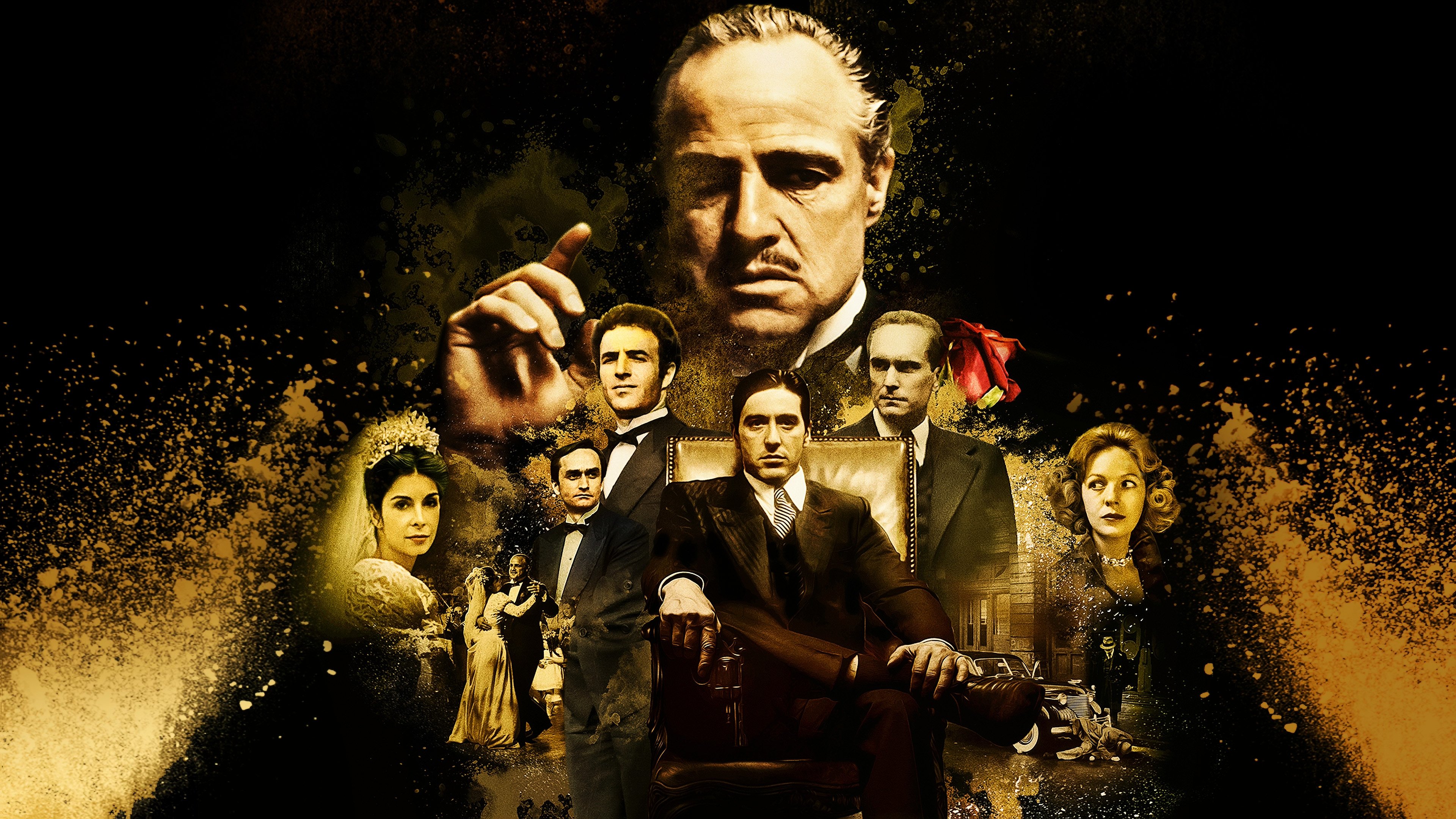
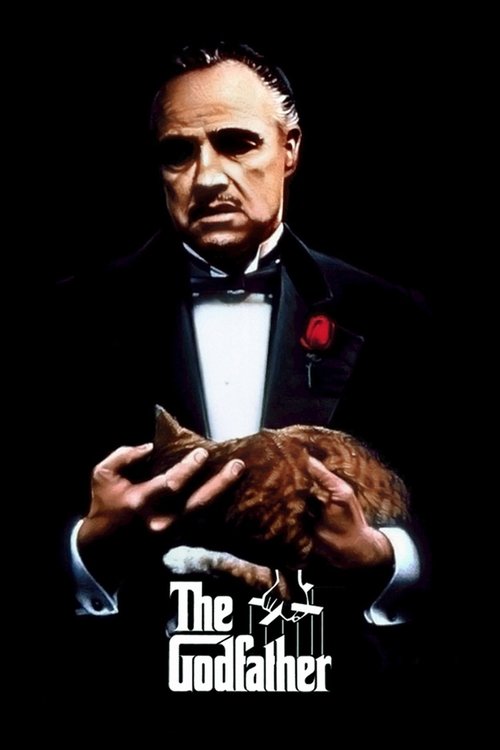
Movie dossier
The Godfather
The crime saga as family tragedy, ritual, and inheritance engine.
Latest video signal
Trailer slot ready
A widescreen slot for the newest official trailer, interview, or scene signal when the page has a playable source.
Why it matters
The Godfather is one of the essential pages for Cinema One because it turns gangster material into something larger, a film about family structure, assimilation, masculinity, succession, and the quiet way power rewrites intimacy.
Craft read
Epic without losing the feeling of rooms, glances, and obligations
Michael’s transformation gives the movie its tragic spine
Still one of the clearest American canon touchstones
Themes
Cast and context
mafia • family business • sicily • organized crime • succession • honor
Francis Ford Coppola currently has 4 live movie pages in Cinema One.
View director pageCoverage status
A fully shaped Cinema One case: the movie has enough authored context, pathway links, and argument to feel like more than a catalog entry.
Production notes
- • American Cinematographer’s 1971 set interview with Gordon Willis is the page’s rewatch key: he described The Godfather as brown-and-black, sometimes hanging on the edge of what the audience can see, closer to a bad-color newspaper photograph than polished prestige gloss.
- • Willis’s location principle, “See what you’re looking at,” explains why the movie’s rooms feel discovered rather than decorated; the shadows make power feel domestic, not theatrical.
- • Coppola’s family-meal rehearsals matter because they turn casting into hierarchy: the Corleones feel lived-in before the plot starts testing them.
- • The oranges are useful only when stripped of cheap trivia. Paramount’s 50th-anniversary notes tie them to Dean Tavoularis needing bright points inside Willis’s low-light design and to Coppola’s Italy symbol, which makes them color pressure, not a magic death code.
- • A cornerstone Cinema One page because its canon status can hide the live wire: every ritual image is also a transaction.
Watch-next pathway
What should you do after The Godfather?
Three intentional continuations: stay with the filmmaker, chase the dominant pressure signal, or jump into the shelf or argument that best explains why this movie belongs here.
The Godfather Part II
The cleanest next move if Francis Ford Coppola's control, obsessions, or rhythm are what hooked you here.
More family
Use the taste map to find movies, arguments, and shelves that share this page's strongest signal.
Tension Machines
Command decisions, brinkmanship, pressure, and movies that tighten the screws scene by scene.
Movie-page argument
Defend The Godfather.
If this movie has a scene, performance, ending, or idea people underrate, make the case. The best defenses can become future Cinema One argument material.
Scene challenge
Pick the scene that proves it.
Cinema One is built around scenes that unlock the movie. Tell us which moment carries the pressure, style, argument, or rewatch charge.
Cinema One case file
The argument this page is making
A family drama where love, power, tradition, and corruption become impossible to separate.
The American dream as inheritance system: family loyalty gives Michael identity, then slowly consumes his soul.
Classical control, shadow, ritual, faces, rooms, and quiet decisions staged with tragic patience.
Do not treat it like homework canon. Make the page show why the movie still moves: every power choice costs a private human piece.
Production file
How the movie became this object
Ritual as structure
Weddings, baptisms, meals, meetings, and funerals are not background color. They are the architecture of power, showing how family and business share the same bloodstream.
Willis’s darkness is moral architecture
The low light is not prestige mood. Willis’s own “newspaper photograph in bad color” language points to a world where faces, rooms, and authority are only partly available. The viewer has to lean into the Corleone space the same way outsiders have to ask permission to enter it.
Michael as the negative coming-of-age
The movie is a transformation story, but the transformation is spiritual narrowing. Michael becomes decisive by becoming unreachable.
The room as battlefield
Coppola’s rooms feel ceremonial because the real violence often happens before the bullets: seating, silence, glances, who is allowed to speak, who must wait.
Scene architecture
The moments that change the machine
The opening request
The first scene defines the whole moral universe: justice, favor, debt, family, America, and performance all negotiated in shadow.
The restaurant murder
The scene is great because Michael’s decision arrives physically before it arrives theatrically. The train noise turns interior panic into external pressure.
The baptism crosscut
The ending fuses religion, murder, and succession so completely that Michael’s new identity becomes both coronation and damnation.
Cultural afterlife
What people did with it afterward
Canon that still breathes
The danger with The Godfather is museum treatment. Its life is in performance pressure, family intimacy, and the horror of competence used for evil.
Language of power
So much later crime cinema borrows its shadows, rituals, and patriarchal gravity that the original can seem familiar until you feel how patiently it moves.
Michael’s tragedy as modern template
The arc remains potent because it is not simply corruption from outside. Michael chooses the family by becoming the version of himself best suited to destroy it.
Signature scene: the baptism cross-cutting
The baptism sequence is the movie stating its whole argument with terrifying clarity. Coppola does not cut between faith and violence as contrast; he makes them share one rhythm. Michael renounces Satan while his orders erase rivals, so the sacrament becomes coronation, alibi, and damnation in the same motion.
Line worth carrying forward
"I'm gonna make him an offer he can't refuse" endures because it sounds almost courteous while describing absolute coercion. The line is the movie in miniature, elegance wrapped around violence, family language used as an instrument of control.
Why the ending seals the tragedy
The ending does not need spectacle because the door closing on Kay says everything. Michael has not just inherited a business, he has crossed into a moral position that requires distance, secrecy, and permanent performance even inside marriage.
Steelman the debate
A fair pushback is that The Godfather has been canonized so heavily that its craft can start to feel embalmed by prestige. The best answer is to watch how alive it still is, funny, sensual, intimate, and terrifying, with every domestic scene quietly feeding the larger tragedy.
More from this director
Related picks
Read next
Coppola’s sequel expands the family saga by showing how empire building and moral collapse can feel like the same process.
Francis Ford Coppola's masterpiece transformed the crime genre and established the template for modern epic filmmaking.
Coppola’s surveillance classic cuts deepest when you read it as a movie about professionalism failing to protect the conscience that hides behind it.