
RoboCop and the Horror of Being Rebuilt for Efficiency
Paul Verhoeven’s classic is not just a cyborg action movie, it is a brutal joke about what happens when corporate logic gets hold of the human body.
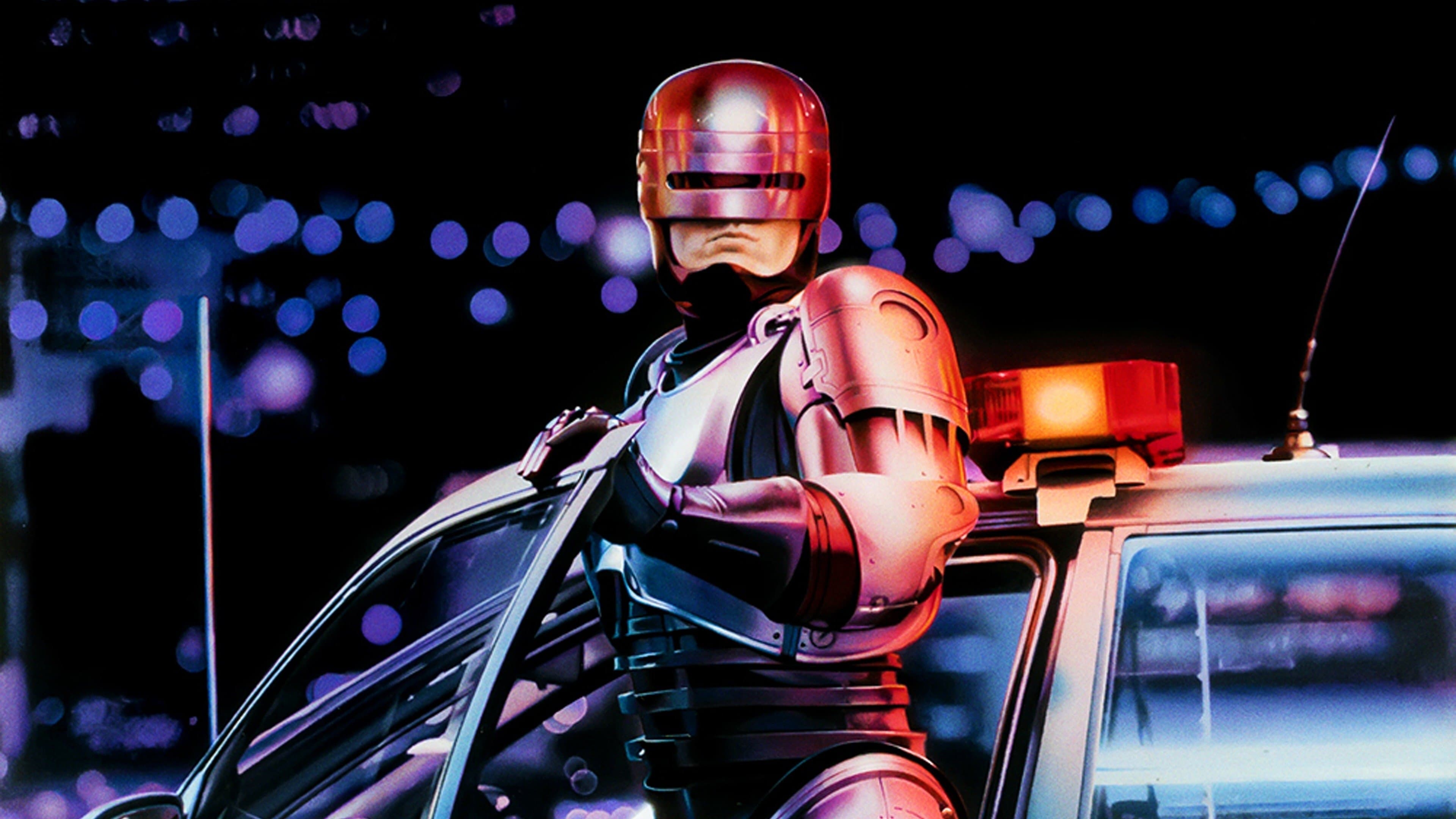
RoboCop still feels nasty in the best way because it understands that privatized power does not only control cities, it rewrites people. Verhoeven turns Murphy into both hero and product, then refuses to let us forget the violence required to make that transformation look useful.
Satire That Never Leaves the Action Behind
The movie’s fake commercials, idiot news breaks, and boardroom cynicism are not side garnish. They make the whole world feel spiritually purchased, which is why the action scenes land as more than efficient set pieces. Every burst of force sits inside a social order that has already normalized cruelty.
Why Murphy Matters
What gives RoboCop its staying power is that the machine never fully erases the man. Murphy’s return of memory turns a concept movie into a tragedy about identity under corporate ownership, and Peter Weller’s precision makes that reclamation feel physical.
The Movie’s Ongoing Relevance
RoboCop ages well because the target keeps mutating without disappearing. Media saturation, public systems handed to private actors, and the language of efficiency over dignity all still feel uncomfortably close to the world outside the screen.
RoboCop
1987 • Paul Verhoeven
Part man. Part machine. All cop.
Movies to pair with this read





Machine Nightmares
Cold systems, synthetic threats, and movies where technology stops feeling like a tool and starts feeling like an adversary.
Becoming and Authorship
Movies about identity under construction, feminine self-authorship, and the pressure to turn feeling, ambition, and image into a life.

Barbie and the Risk of Becoming a Person Inside a Brand
Gerwig’s blockbuster works because it treats corporate fantasy as both playground and problem, then finds real feeling in the tension between the two.
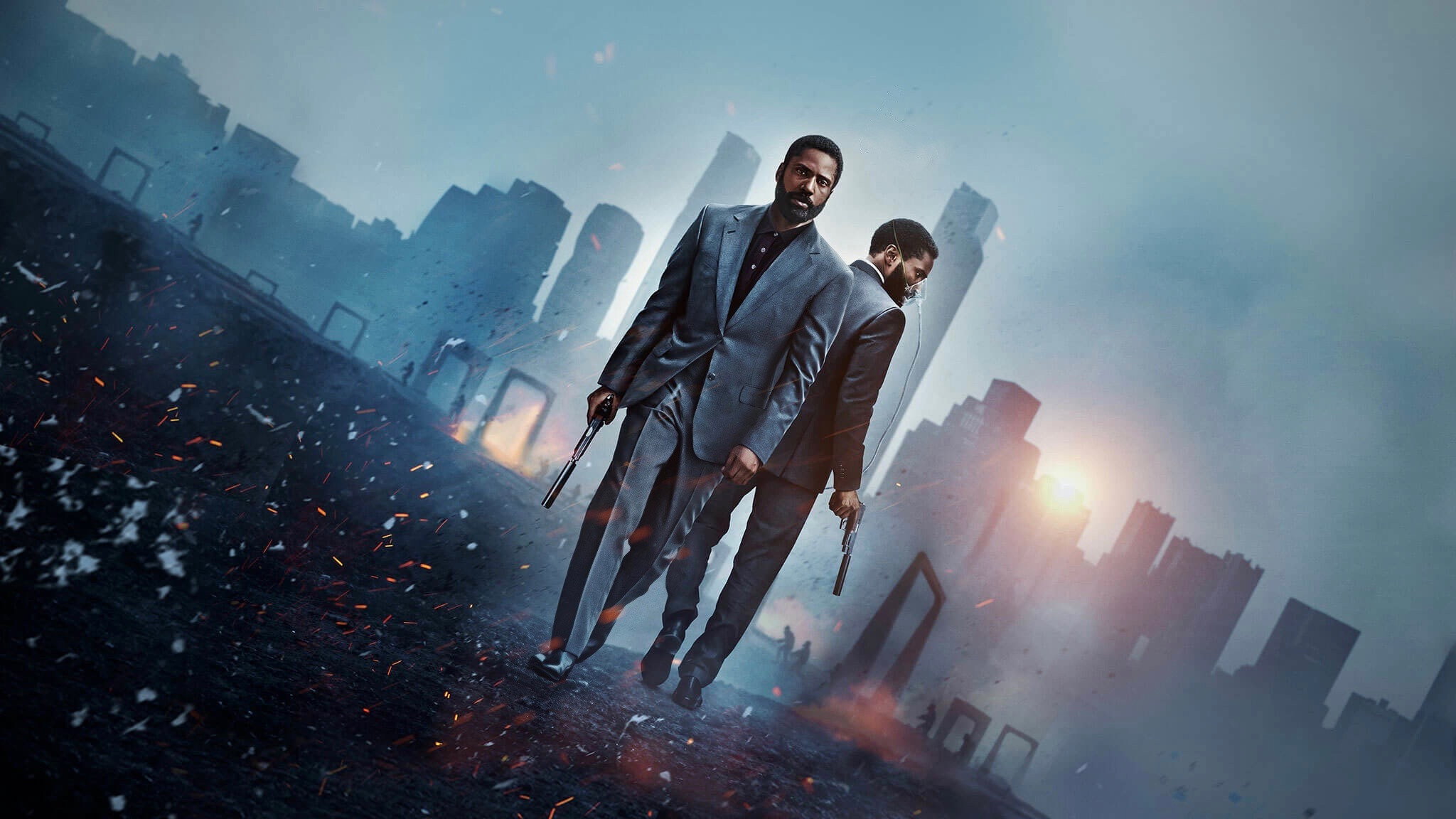
Tenet and the Thrill of a Blockbuster That Refuses to Simplify Its Hostile World
Tenet divides audiences for good reason, but its appeal is inseparable from the feeling that Nolan built a movie where time itself behaves like an antagonist.
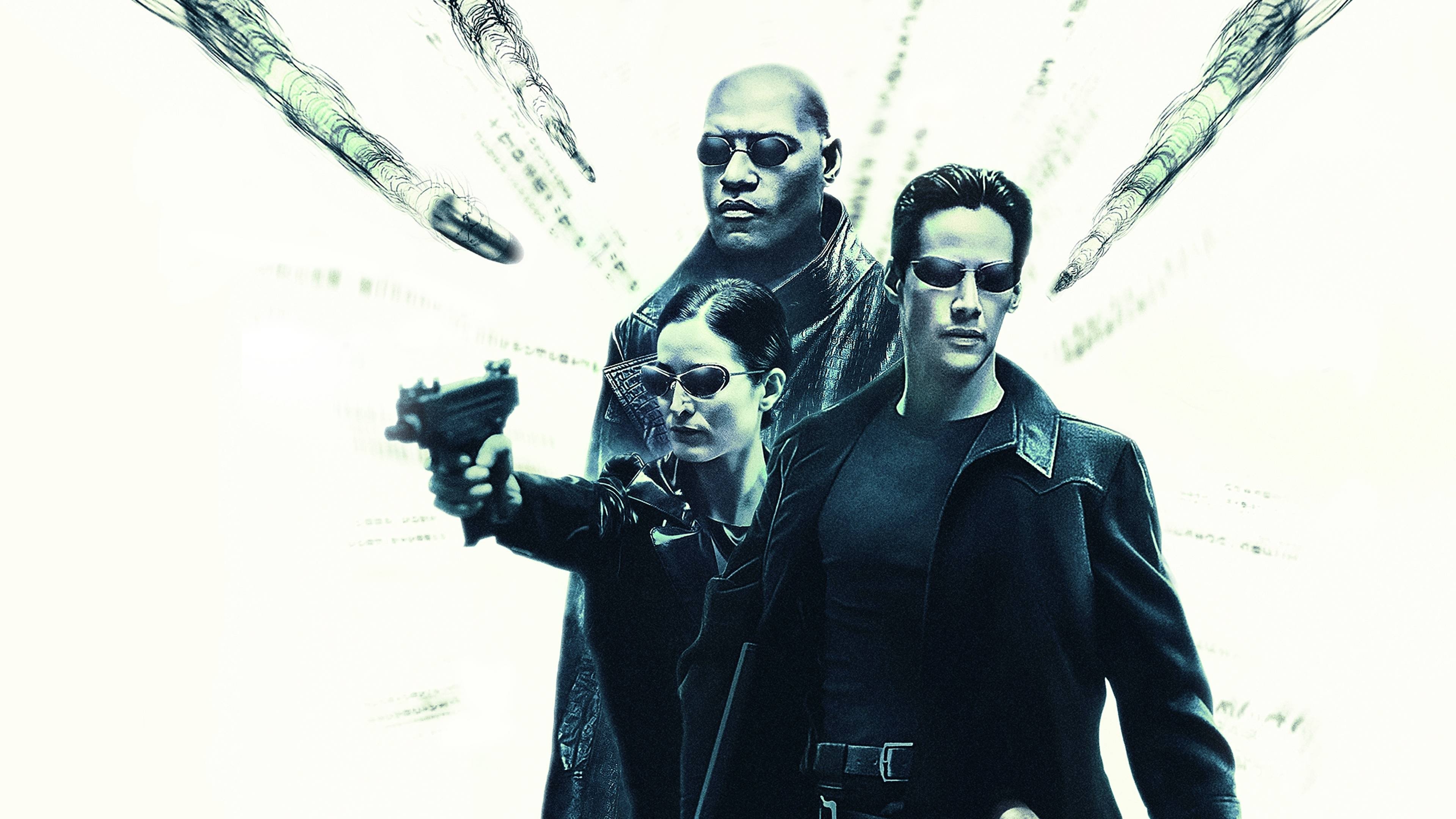
The Matrix and the Moment Blockbusters Learned to Think in Code
The Matrix changed action cinema because the Wachowskis made philosophy, rebellion, and image-system cool feel like the same piece of entertainment.

The Abyss and the Risky Beauty of Turning Industrial Pressure Into Contact Cinema
Cameron’s undersea epic stays alive because it never treats labor, machinery, and emotional damage as setup for the awe. They are the price of reaching it.