Scene 1•Movieclips•Corporate satire
ED-209
The boardroom massacre is Verhoeven’s whole method: slapstick, horror, bureaucracy, and product-demo absurdity detonating in the same room.
Find the movies with rewatch gravity, live dossiers, and unfinished cases worth deepening.
Movie dossier
A corporate-future action satire where identity, violence, and privatized power fuse into one ruthless machine.
Latest video signal
A widescreen slot for the newest official trailer, interview, or scene signal when the page has a playable source.
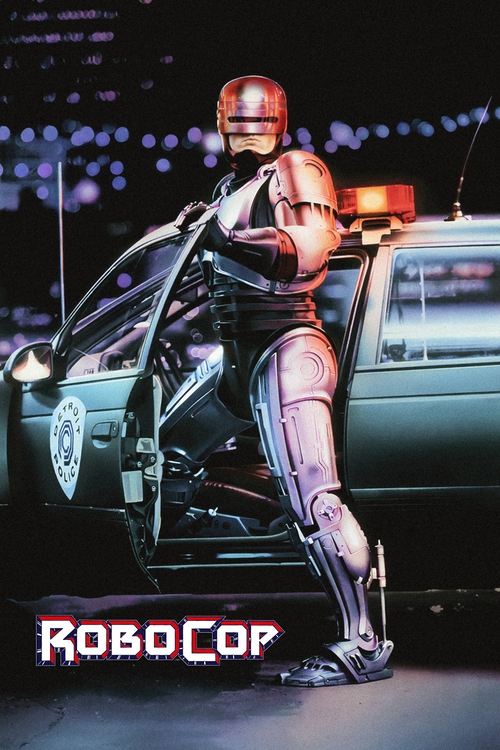
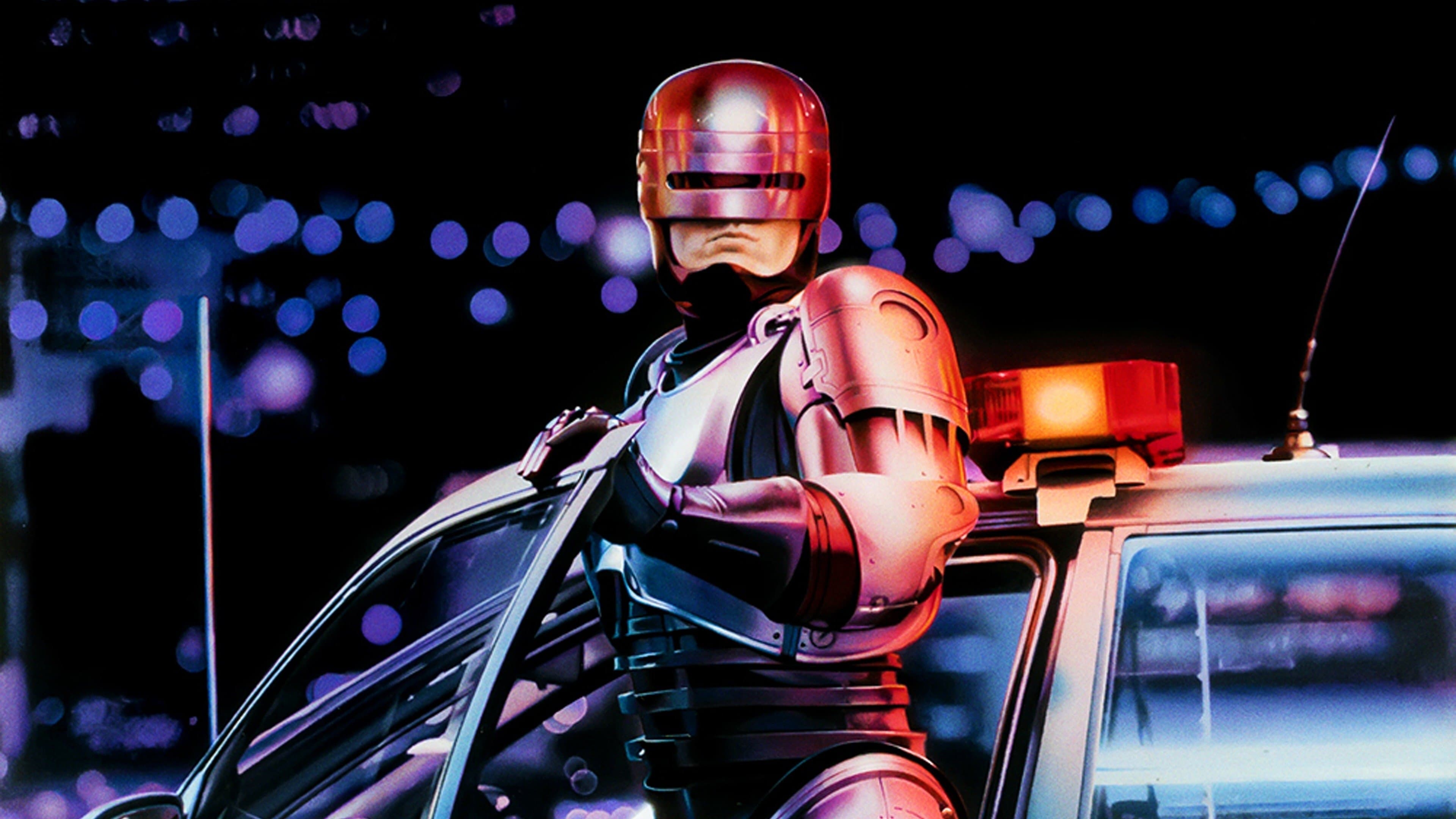
RoboCop matters because Verhoeven figured out how to make a movie that is thrilling on the surface and corrosive underneath. It is a cyborg action classic, but it is also one of the sharpest studio-era attacks on corporate cruelty and media numbness.
Deadpan satire, ultraviolence, and sincere hero myth held in unstable balance
Near-future Detroit imagined as a privatized civic collapse
A foundational machine-age action text that still feels politically awake
A fully shaped Cinema One case: the movie has enough authored context, pathway links, and argument to feel like more than a catalog entry.
Watch-next pathway
Three intentional continuations: stay with the filmmaker, chase the dominant pressure signal, or jump into the shelf or argument that best explains why this movie belongs here.
The cleanest next move if Paul Verhoeven's control, obsessions, or rhythm are what hooked you here.
Use the taste map to find movies, arguments, and shelves that share this page's strongest signal.
Cold systems, synthetic threats, and movies where technology stops feeling like a tool and starts feeling like an adversary.
Movie-page argument
If this movie has a scene, performance, ending, or idea people underrate, make the case. The best defenses can become future Cinema One argument material.
Scene challenge
Cinema One is built around scenes that unlock the movie. Tell us which moment carries the pressure, style, argument, or rewatch charge.
Cinema One case file
A corporation can build the body, brand the product, and own the directives, but it cannot fully erase the person underneath.
A savage action satire where corporate comedy, body horror, and resurrection myth keep colliding.
Violence, absurdity, fake media, and religious imagery used to make America look both ridiculous and monstrous.
Keep the page funny and brutal at once; RoboCop dies if it becomes only cool armor nostalgia.
Production file
RoboCop works because the jokes are not separate from the violence. The boardroom, commercials, news breaks, and street crime all belong to the same diseased civic system.
The horror is not only that Murphy is killed. It is that his remains are repackaged as a product with a law-enforcement logo.
The movie keeps daring the audience to laugh, wince, cheer, and feel guilty for cheering. That unstable response is the point.
Scene architecture
The boardroom scene is perfect because corporate failure is treated as both slapstick and death sentence. The machine is absurd until it is not.
The execution is cruel because the movie needs resurrection to feel compromised. Hero origin and violation are inseparable.
RoboCop’s identity returns, but the programming still protects power. The hero can fight crime before he can fight ownership.
Cultural afterlife
RoboCop’s design became pop iconography, but the movie keeps dragging the viewer back to the corporate sickness inside the cool silhouette.
Its privatization jokes, media rot, militarized policing, and product language keep renewing the movie’s bite. The future caught up to the punchline.
RoboCop becomes more than a concept movie once Murphy’s buried identity starts pushing through the corporate chassis. The power of the mirror and visor moments is that Verhoeven lets a product become a person again, without pretending the system that built him has stopped being monstrous.
"Dead or alive, you’re coming with me" lands because it is both action-movie command and corporate programming loop. The line is memorable not just for toughness, but because the film keeps asking who is speaking when Murphy speaks.
The ending works because RoboCop earns a note of reclaimed identity while keeping the larger world rotten. Murphy gets a fragment of selfhood back, but Verhoeven never suggests that one victory has healed the corporate order surrounding him.
A fair critique is that RoboCop can seem tonally split, half savage satire and half crowd-pleasing action object. The best defense is that the split is the design. Verhoeven wants the exhilaration to implicate the viewer, because the movie is partly about how easily entertainment and brutality start feeding each other.
A swipeable set of scene-level evidence: the moments worth replaying because they carry the movie’s rhythm, style, argument, or rewatch gravity.
The boardroom massacre is Verhoeven’s whole method: slapstick, horror, bureaucracy, and product-demo absurdity detonating in the same room.
Murphy’s death is deliberately punishing because the movie needs the corporate resurrection to feel obscene, not heroic by default.
The punchline works because corporate language becomes the loophole for justice. RoboCop beats the system by obeying its stupid rule exactly.
A perfect Verhoeven grotesque: comic, disgusting, cruel, and unforgettable. The satire keeps mutating back into meat.
The machine fight matters because RoboCop is both product and person, while ED-209 is pure corporate stupidity with guns.
Paul Verhoeven’s classic is not just a cyborg action movie, it is a brutal joke about what happens when corporate logic gets hold of the human body.
The real reason to track Dune: Messiah early is that it could force blockbuster franchise culture to sit inside consequence instead of momentum.
Cameron’s sequel works because it does not simply supersize Ridley Scott’s terror. It rebuilds the xenomorph threat around group collapse, siege pressure, and Ripley’s protective ferocity.