
Barbie and the Risk of Becoming a Person Inside a Brand
Gerwig’s blockbuster works because it treats corporate fantasy as both playground and problem, then finds real feeling in the tension between the two.

Barbie would be much easier to dismiss if it were only a clever package. What makes it stick is that Greta Gerwig turns the package into the subject. The movie knows it is selling a fantasy, interrogating a fantasy, and depending on a fantasy all at once.
Plastic Design, Real Anxiety
Barbie Land is funny because it is totalized toy logic, but Gerwig uses that artificiality to create a real pressure point. Once mortality, embarrassment, and sadness enter the picture, the whole comic system starts vibrating differently. The production design is not just decoration. It is the structure that makes the existential turn legible.
Why the Split Response Matters
The movie remains productive because the argument around it belongs to the text. Some viewers see daring tonal control and a genuine cultural essay; others see a brand laundering itself through self-awareness. The film’s value is that it makes that contradiction visible instead of hiding it.
From Satire to Choice
Barbie ultimately works because it narrows toward embodiment. After all the bright conceptual play, the ending lands on awkwardness, vulnerability, and ordinary personhood. That scale shift is what saves the movie from becoming pure discourse. Gerwig knows the fantasy only matters if someone can step out of it.
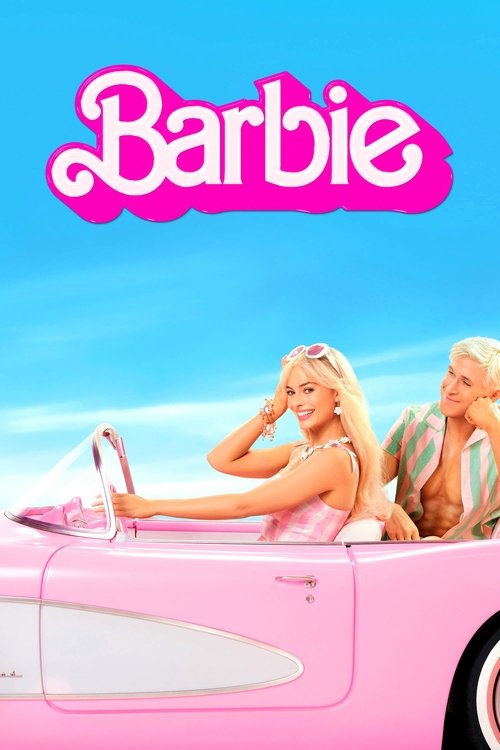
Barbie
2023 • Greta Gerwig
She’s everything. He’s just Ken.
Movies to pair with this read




Becoming and Authorship
Movies about identity under construction, feminine self-authorship, and the pressure to turn feeling, ambition, and image into a life.
Women-Directed Pressure Rooms
Women-directed films where genre, image, bodies, and self-invention become pressure systems instead of soft-focus sidebars.
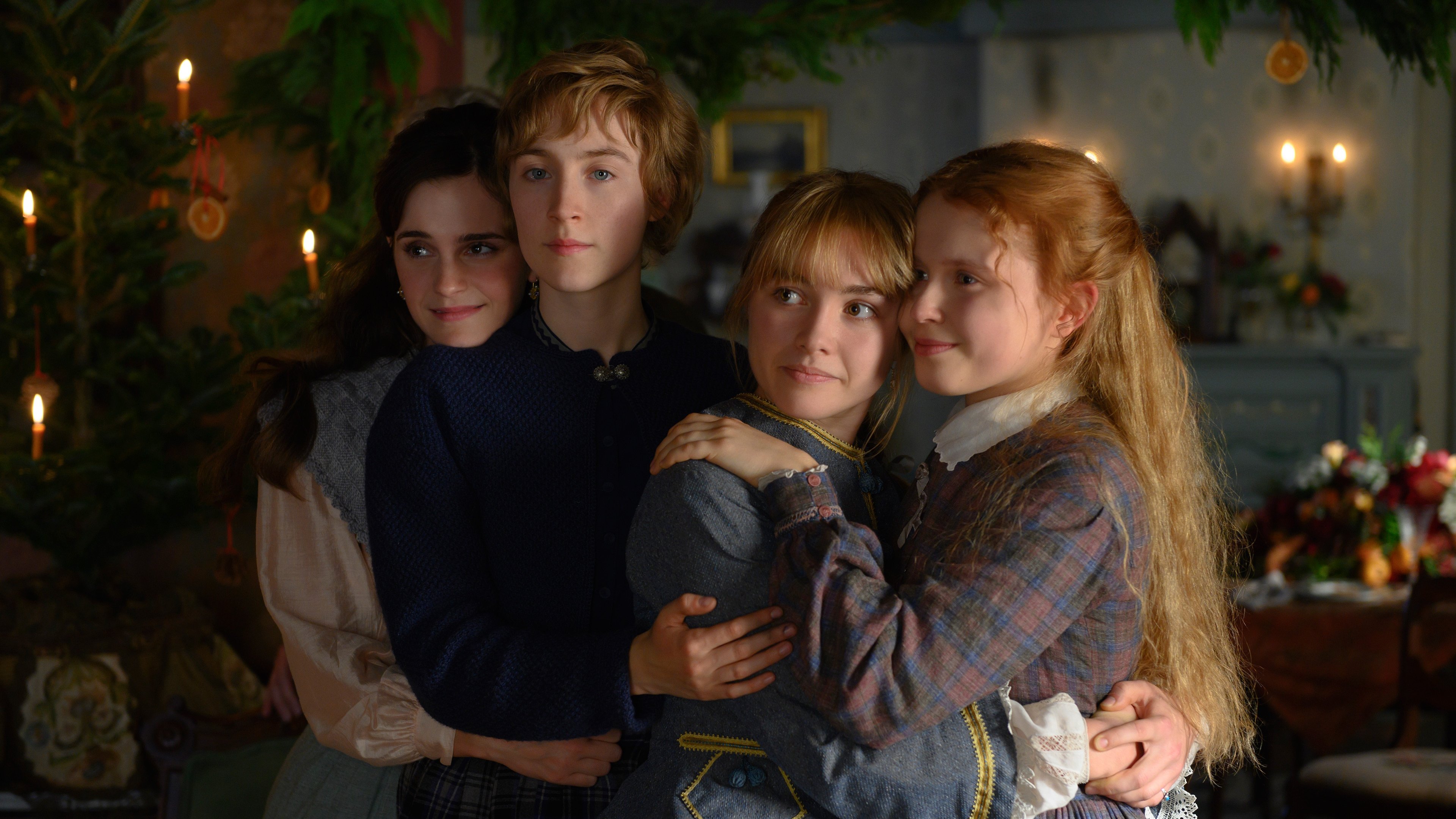
Little Women and the Price of Turning a Life Into an Ending
Greta Gerwig’s adaptation becomes great by refusing to separate romance, money, authorship, and the pressure to make a satisfying story out of a complicated life.

Lady Bird and the Power of Making a Whole World Out of One Hometown
Greta Gerwig’s debut hits so hard because it understands that local detail, class stress, and family friction are not limits on scope. They are the scope.

RoboCop and the Horror of Being Rebuilt for Efficiency
Paul Verhoeven’s classic is not just a cyborg action movie, it is a brutal joke about what happens when corporate logic gets hold of the human body.

Get Out and the Horror of Realizing Politeness Is the Trap
Jordan Peele’s breakthrough lands so hard because every smile, compliment, and gesture of welcome feels like part of the extraction system.