
Barbie
Find the movies with rewatch gravity, live dossiers, and unfinished cases worth deepening.
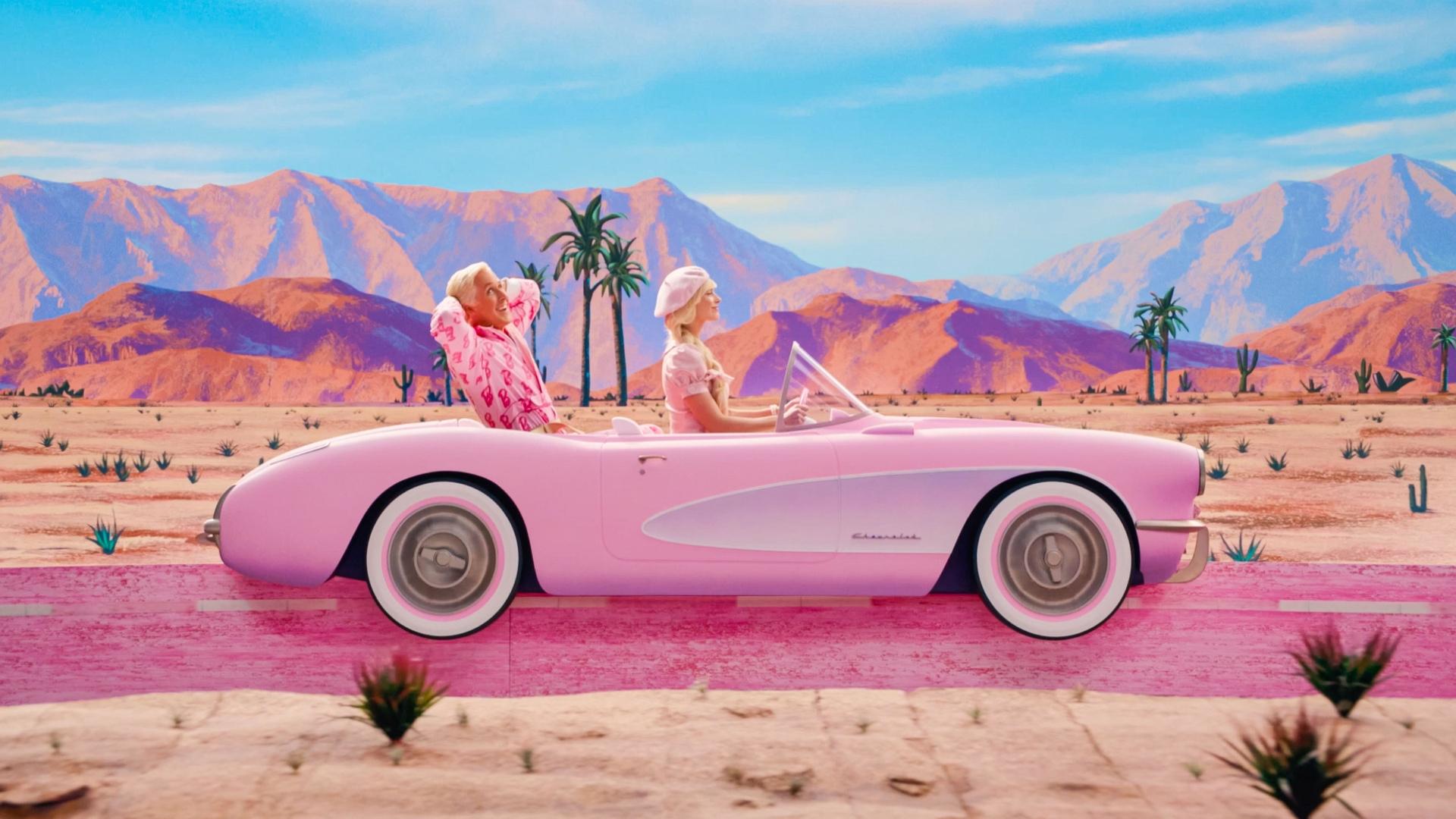
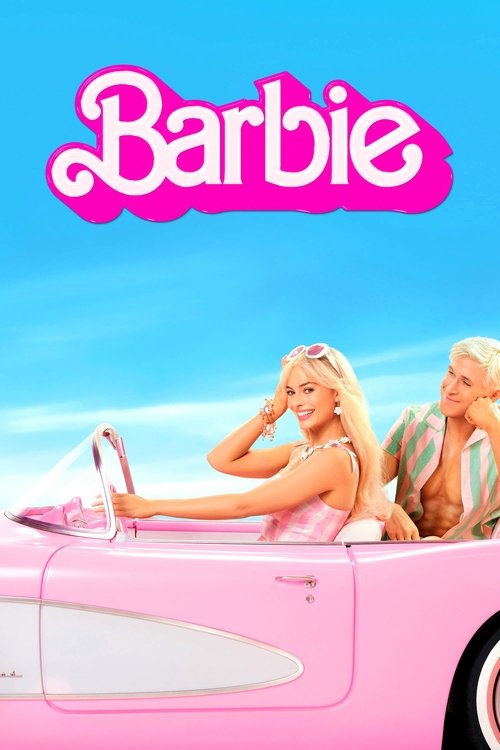
Movie dossier
Barbie
A candy-colored studio phenomenon where Gerwig turns corporate iconography into a live debate about femininity, fantasy, and performance.
Latest video signal
Trailer slot ready
A widescreen slot for the newest official trailer, interview, or scene signal when the page has a playable source.
Why it matters
Barbie matters because it is one of the rare giant contemporary studio hits that actually feels argued. Gerwig uses the brand familiarity as both bait and subject, letting the movie play as comedy, meta-text, cultural essay, and emotional coming-into-personhood story at once.
Craft read
Camp, sincerity, satire, and melancholy all held in the same frame
Plastic-world production logic turned into expressive comic space
A true event movie that still carries a strong authorial signature
Themes
Cast and context
Coverage status
A fully shaped Cinema One case: the movie has enough authored context, pathway links, and argument to feel like more than a catalog entry.
Production notes
- • The production design is doing conceptual work, not just aesthetic work, because Barbie Land has to feel like a toy logic made spatial.
- • Margot Robbie and Ryan Gosling keep the movie buoyant by playing sincerity and absurdity at the same time.
- • A necessary page if Cinema One wants to talk about contemporary blockbusters without collapsing into franchise fatigue clichés.
Watch-next pathway
What should you do after Barbie?
Three intentional continuations: stay with the filmmaker, chase the dominant pressure signal, or jump into the shelf or argument that best explains why this movie belongs here.
Little Women
The cleanest next move if Greta Gerwig's control, obsessions, or rhythm are what hooked you here.
More femininity
Use the taste map to find movies, arguments, and shelves that share this page's strongest signal.
Manufactured Dreams
Movies about performance, mythmaking, show-business machinery, and the strange cost of turning fantasy into public image.
Movie-page argument
Defend Barbie.
If this movie has a scene, performance, ending, or idea people underrate, make the case. The best defenses can become future Cinema One argument material.
Scene challenge
Pick the scene that proves it.
Cinema One is built around scenes that unlock the movie. Tell us which moment carries the pressure, style, argument, or rewatch charge.
Signature scene: Barbie meets ordinary sadness on the bench
The bench scene is where Barbie reveals it is not just a joke machine. Gerwig lets the movie pause long enough for beauty, aging, and mortal feeling to enter the plastic fantasy, and that tonal risk is what gives the broader satire real depth.
Line worth carrying forward
"It is literally impossible to be a woman." The monologue lands because it turns diffuse cultural pressure into plain speech without pretending the speech alone solves anything. Gerwig uses it as recognition, not cure.
Why the ending chooses personhood over punchline
Barbie ends well because Gerwig resists the temptation to make self-awareness the final joke. The movie narrows toward choice, embodiment, and ordinary human awkwardness, which is exactly the scale shift it needs after all the candy-colored abstraction.
Steelman the debate
A strong critique is that Barbie wants to satirize corporate feminism while still benefiting from it, which can make the movie feel strategically compromised. The best defense is that the compromise is partly the subject. Gerwig is working inside the machine and making that entanglement visible enough to become text rather than hidden condition.
Shows up in
Movies about performance, mythmaking, show-business machinery, and the strange cost of turning fantasy into public image.
Movies about identity under construction, feminine self-authorship, and the pressure to turn feeling, ambition, and image into a life.
Women-directed films where genre, image, bodies, and self-invention become pressure systems instead of soft-focus sidebars.
More from this director
Related picks
Read next
Gerwig’s blockbuster works because it treats corporate fantasy as both playground and problem, then finds real feeling in the tension between the two.
Greta Gerwig’s adaptation becomes great by refusing to separate romance, money, authorship, and the pressure to make a satisfying story out of a complicated life.
Greta Gerwig’s debut hits so hard because it understands that local detail, class stress, and family friction are not limits on scope. They are the scope.