
Little Women
Find the movies with rewatch gravity, live dossiers, and unfinished cases worth deepening.
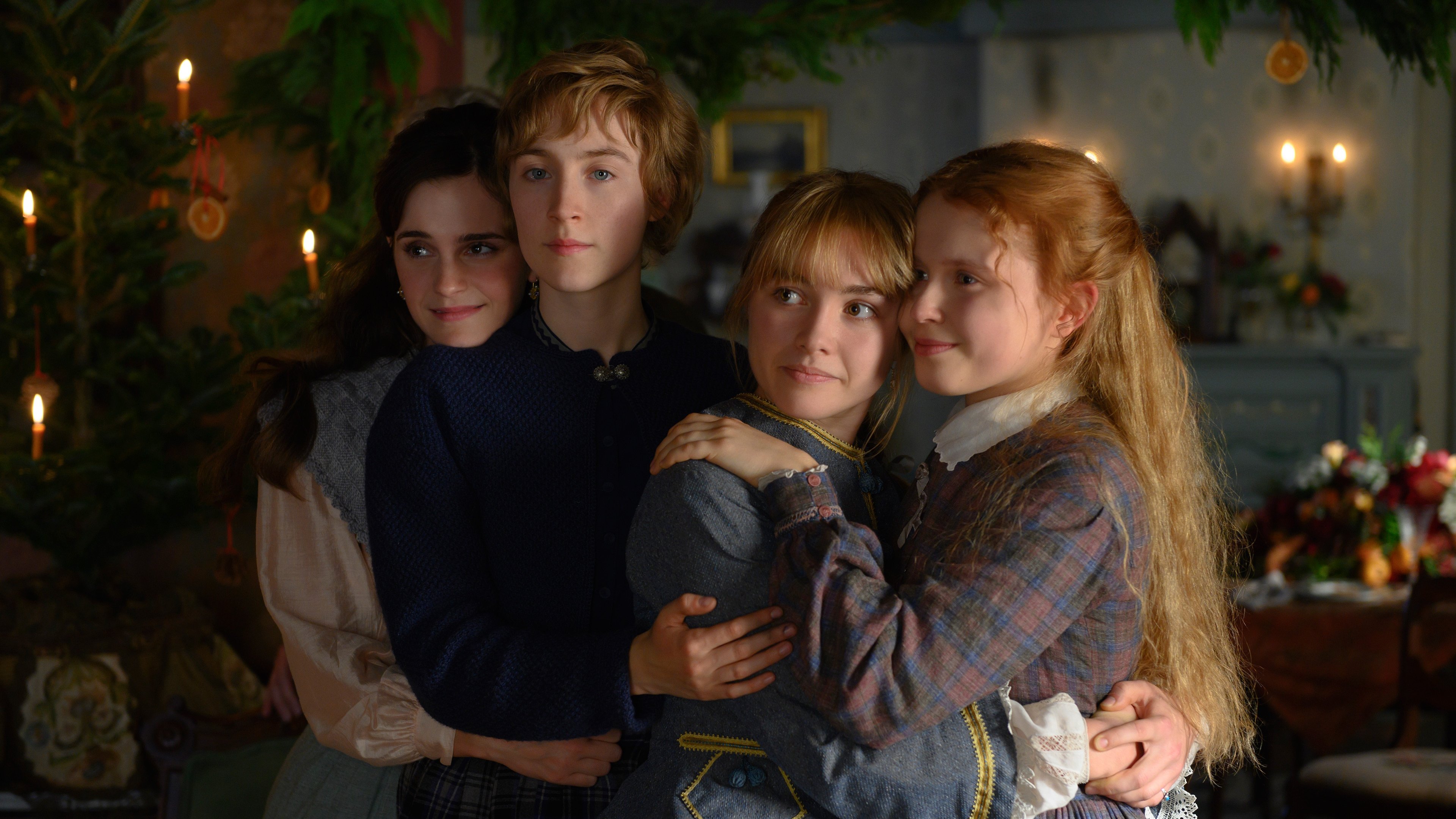
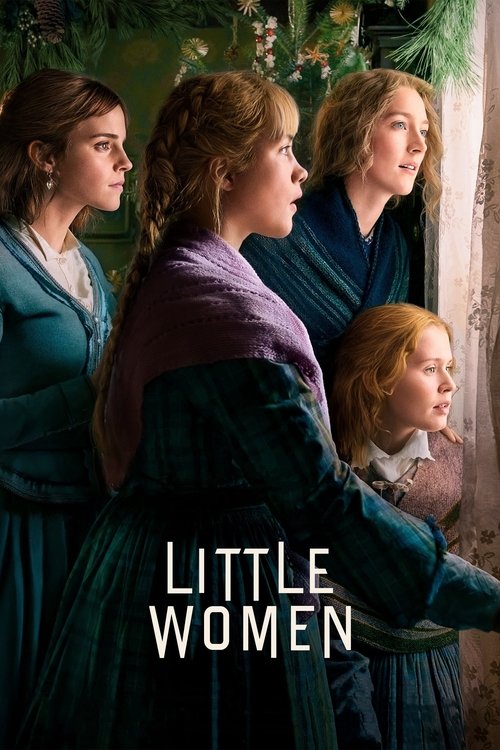
Movie dossier
Little Women
Gerwig’s adaptation triumph, turning a beloved novel into a movie about authorship, structure, and sisterhood all at once.
Latest video signal
Trailer slot ready
A widescreen slot for the newest official trailer, interview, or scene signal when the page has a playable source.
Why it matters
Little Women matters because Gerwig does not merely modernize Alcott or politely preserve her. She reorganizes the material so memory, ambition, romance, money, and artistic self-determination all sharpen each other, which is why the film feels classical and newly urgent at the same time.
Craft read
Braided timelines that make maturation and memory actively converse
A sisterhood movie energized by distinct rhythms and competing wants
A model case for changing form in order to reveal the book more clearly
Themes
Cast and context
Coverage status
A fully shaped Cinema One case: the movie has enough authored context, pathway links, and argument to feel like more than a catalog entry.
Production notes
- • Gerwig’s nonlinear structure is not decorative; it intensifies the emotional comparison between youth and adulthood.
- • Saoirse Ronan and Florence Pugh give the movie its friction and warmth by refusing to flatten Jo and Amy into easy opposites.
- • An essential page for adaptation arguments and for proving period films can feel brisk, modern, and emotionally exact without losing texture.
Watch-next pathway
What should you do after Little Women?
Three intentional continuations: stay with the filmmaker, chase the dominant pressure signal, or jump into the shelf or argument that best explains why this movie belongs here.
Lady Bird
The cleanest next move if Greta Gerwig's control, obsessions, or rhythm are what hooked you here.
More authorship
Use the taste map to find movies, arguments, and shelves that share this page's strongest signal.
Becoming and Authorship
Movies about identity under construction, feminine self-authorship, and the pressure to turn feeling, ambition, and image into a life.

Movie-page argument
Defend Little Women.
If this movie has a scene, performance, ending, or idea people underrate, make the case. The best defenses can become future Cinema One argument material.
Scene challenge
Pick the scene that proves it.
Cinema One is built around scenes that unlock the movie. Tell us which moment carries the pressure, style, argument, or rewatch charge.
Signature scene: Jo negotiates the ending with the publisher
Gerwig’s smartest stroke may be turning the publishing negotiation into part of the climax. The scene makes authorship, commerce, and happy-ending convention collide in one place, letting the movie argue about Little Women while still becoming a stirring adaptation of it.
Line worth carrying forward
"Women, they have minds, and they have souls, as well as just hearts." The line survives because Gerwig lets it function as conviction, frustration, and artistic mission all at once, not just heritage-literature uplift.
Why the ending keeps opening outward
Little Women ends so powerfully because Gerwig refuses to fully collapse fiction, compromise, and desire into one answer. The final stretch gives Jo an ending, a negotiation, and an object she made, which keeps the movie emotionally satisfying while leaving interpretation alive.
Steelman the debate
A reasonable pushback is that Gerwig’s cleverness, especially the reframing of the ending, risks feeling a little too pleased with itself. The strongest response is that the intelligence serves the material. She is not decorating Alcott from above; she is making visible the book’s long-running tensions around art, marriage, and market pressure.
Shows up in
Movies about identity under construction, feminine self-authorship, and the pressure to turn feeling, ambition, and image into a life.
Women-directed films where genre, image, bodies, and self-invention become pressure systems instead of soft-focus sidebars.
More from this director
Related picks
Read next
Greta Gerwig’s adaptation becomes great by refusing to separate romance, money, authorship, and the pressure to make a satisfying story out of a complicated life.
Gerwig’s blockbuster works because it treats corporate fantasy as both playground and problem, then finds real feeling in the tension between the two.
Greta Gerwig’s debut hits so hard because it understands that local detail, class stress, and family friction are not limits on scope. They are the scope.