
Lady Bird and the Power of Making a Whole World Out of One Hometown
Greta Gerwig’s debut hits so hard because it understands that local detail, class stress, and family friction are not limits on scope. They are the scope.

Lady Bird feels so alive because Greta Gerwig never treats adolescence like a generic universal stage. She treats it as something that happens in specific houses, specific parking lots, specific schools, and under very specific money pressures.
Specificity as Velocity
The movie moves quickly, but it never feels thin. Gerwig writes with enough precision that every argument, fashion choice, audition, college fantasy, and humiliating pivot tells you something about class aspiration and self-invention at once.
Marion Is Not an Obstacle
One of the film’s smartest choices is refusing to flatten Lady Bird’s mother into a lesson or a villain. Marion is hard on her daughter because life is hard on her too, which lets love arrive in the movie as pressure, annoyance, sacrifice, and attention all braided together.
Why the Hometown Matters
Lady Bird becomes richer once you see Sacramento as more than backdrop. Gerwig turns place into emotional geometry, something the protagonist is trying to escape until she realizes it formed the language she uses to understand herself in the first place.
Lady Bird
2017 • Greta Gerwig
Fly away home.
Movies to pair with this read





Becoming and Authorship
Movies about identity under construction, feminine self-authorship, and the pressure to turn feeling, ambition, and image into a life.
Women-Directed Pressure Rooms
Women-directed films where genre, image, bodies, and self-invention become pressure systems instead of soft-focus sidebars.

Barbie and the Risk of Becoming a Person Inside a Brand
Gerwig’s blockbuster works because it treats corporate fantasy as both playground and problem, then finds real feeling in the tension between the two.

Little Women and the Price of Turning a Life Into an Ending
Greta Gerwig’s adaptation becomes great by refusing to separate romance, money, authorship, and the pressure to make a satisfying story out of a complicated life.
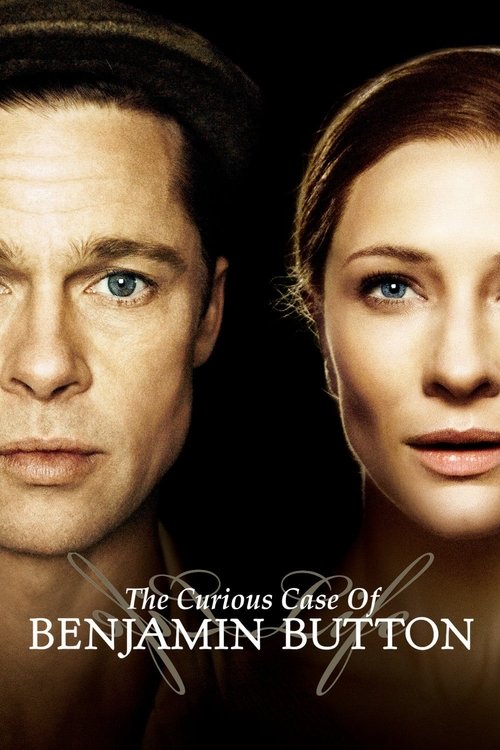
The Curious Case of Benjamin Button and the Sadness of Meeting Life Out of Sequence
Benjamin Button matters because Fincher treats the reverse-aging premise less like a trick than a way to make timing itself feel tragic.

Aliens and the Brilliant Decision to Turn Survival Horror Into Platoon Panic
Cameron’s sequel works because it does not simply supersize Ridley Scott’s terror. It rebuilds the xenomorph threat around group collapse, siege pressure, and Ripley’s protective ferocity.