Zero Dark Thirty
Authorship lane

Women-Directed Pressure Rooms

Women-directed films where genre, image, bodies, and self-invention become pressure systems instead of soft-focus sidebars.

Cinema One has enough women-directed breadth to program by craft rather than by category. This lane connects action procedure, social dread, pop surfaces, erotic noir, historical command, horror inheritance, and becoming stories through the way each filmmaker turns style into consequence.

authored pressuregenre craftself-making
Start with Zero Dark Thirty

Why this lane works

These movies do not share one genre; they share a refusal to let surface stay decorative. Procedure, costume, combat, rooms, bodies, myth, and pop design all become ways of asking who gets to author a self under pressure.

Public-facing breadth lane for existing women-directed pages, built to connect craft and discovery without adding new titles or treating authorship as homework.

This shelf exists to name the appetite first, then let the titles argue with each other.

21
Core picks
11
Directors
7.1
Avg rating
1987 to 2023
Year span
3 fully-authored18 strong0 building0 case pending

Ideal for

  • viewers tracing authorship through pressure, genre, and performance
  • double-features where craft matters more than easy representation labels
  • readers moving from Bigelow intensity into Kusama dread, Coppola interiors, Prince-Bythewood physicality, and Gerwig self-making
Program this lane

Three double-feature handoffs for turning the shelf into a night.

Collections should not stop at inventory. These pairings make the editorial path explicit: start sharp, change angle, then decide what the lane is really arguing.

Search this signal

Starter pairing

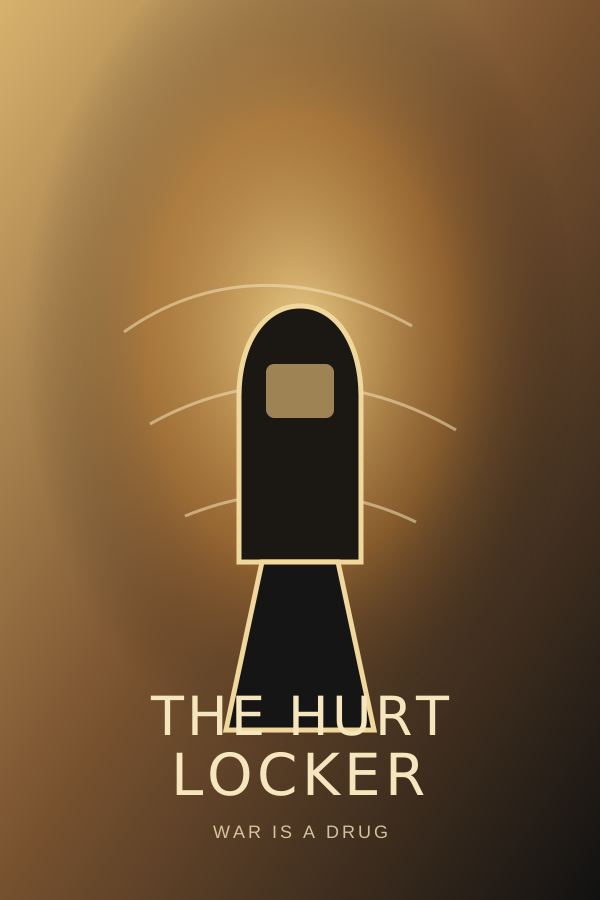
Zero Dark Thirty → The Hurt Locker

Zero Dark Thirty establishes the authored pressure charge; The Hurt Locker bends that charge into a different shape. Both films keep you inside Kathryn Bigelow's system, making the second watch feel like a variation instead of a reset. Because the release years sit close together, the pairing plays like two arguments from the same cultural weather.

Open adjacent search

Deeper turn

The Virgin Suicides → The Old Guard

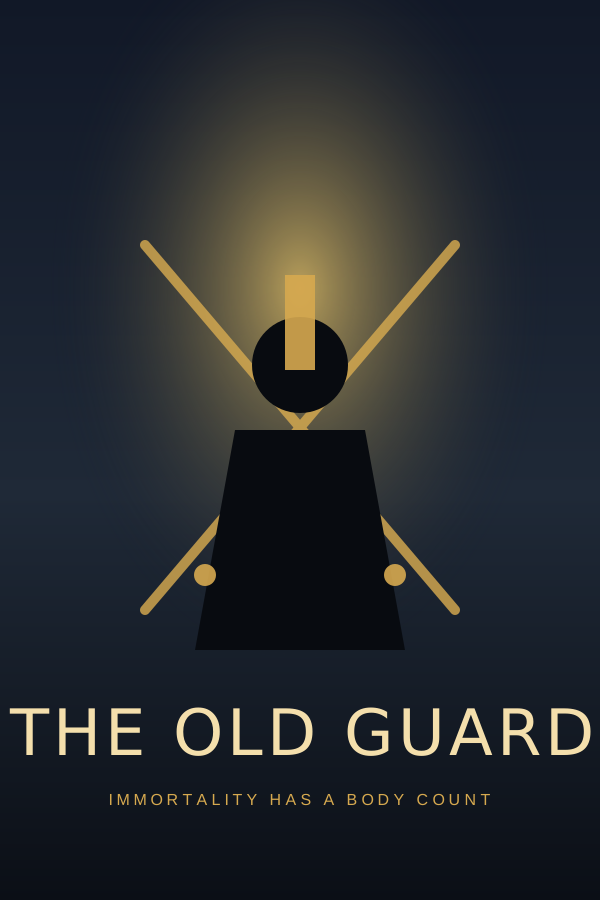
The Virgin Suicides establishes the genre craft charge; The Old Guard bends that charge into a different shape. The handoff moves from Sofia Coppola's approach to Gina Prince-Bythewood's, so the lane opens wider without losing its signal. The 1999–2020 spread also turns the pairing into a miniature history of the appetite.

Open adjacent search

Late-night close

Little Women → Barbie

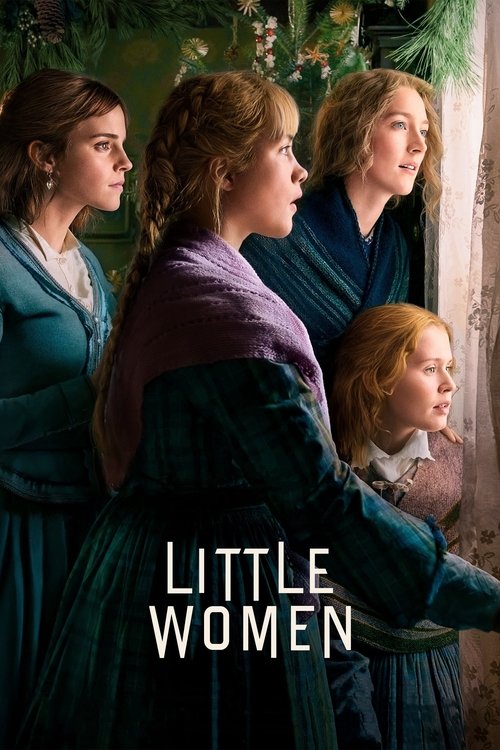
Little Women establishes the self-making charge; Barbie bends that charge into a different shape. Both films keep you inside Greta Gerwig's system, making the second watch feel like a variation instead of a reset. Because the release years sit close together, the pairing plays like two arguments from the same cultural weather.

Open adjacent search
Collection picks

The movies that define the lane.

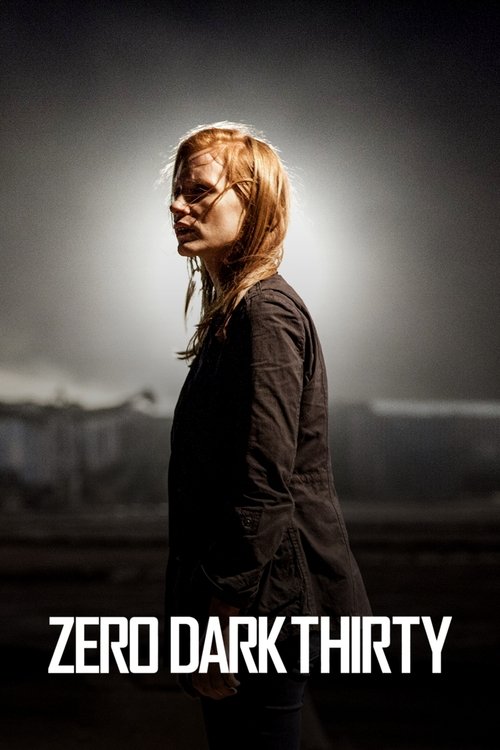
Zero Dark Thirty
Zero Dark Thirty
Kathryn Bigelow2012

Maya follows a decade of fragments, detainee rooms, courier leads, dead ends, and institutional doubt until the hunt becomes a life she can no longer put down. Zero Dark Thirty belongs on Cinema One because Bigelow turns procedure into obsession: no triumphal music, no clean moral bath, just a case-file movie where command pressure, intelligence work, and personal cost keep tightening toward a raid staged almost like breath control.

The Hurt Locker
The Hurt Locker
Kathryn Bigelow2008

Sergeant William James joins an Iraq EOD team and treats every bomb like an argument with death that only he can win. The Hurt Locker belongs on Cinema One because Bigelow strips war cinema down to procedure, heat, breath, dust, and addiction: not a victory story, but a pressure-room character study about a man who can only feel organized when everything around him might explode.

Point Break
Point Break
Kathryn Bigelow1991

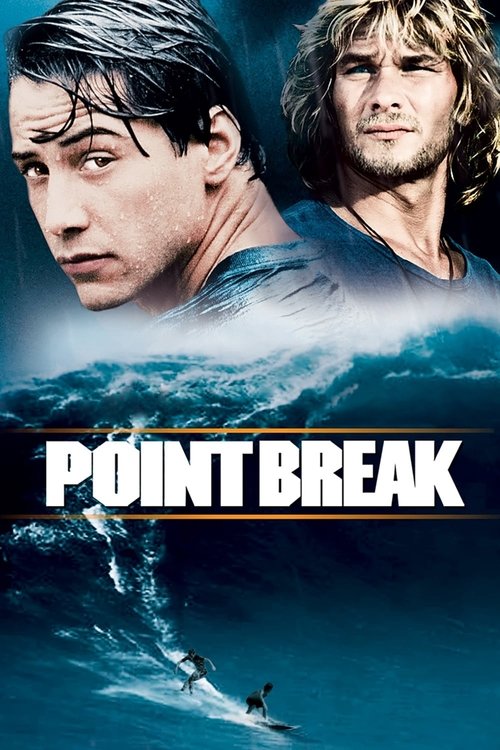
An undercover FBI agent enters a Southern California surf crew and finds the bank-robbery case turning into an addiction to risk, friendship, and Bodhi’s beautiful death-wish logic. Point Break belongs on Cinema One because Kathryn Bigelow makes action feel spiritual without letting it go soft: foot chases, surf breaks, skydiving, and loyalty tests all become one pressure system about men who confuse freedom with escalation.

Strange Days
Strange Days
Kathryn Bigelow1995

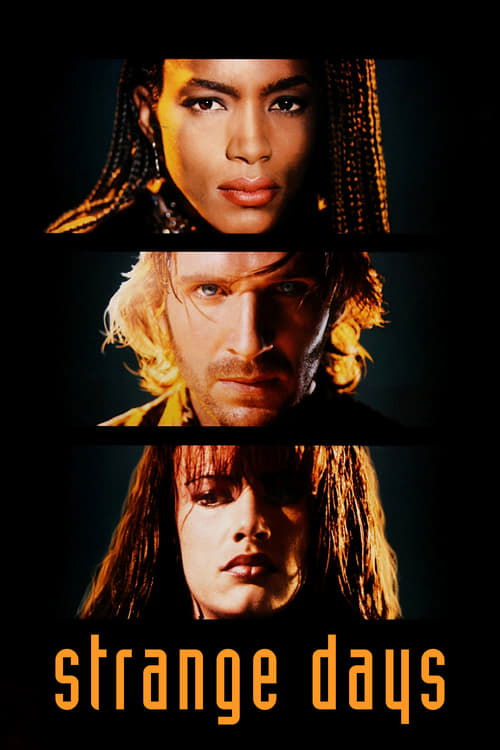
Lenny Nero sells other people’s memories like street drugs while Los Angeles counts down to the millennium, then a recorded murder turns his nostalgia addiction into evidence. Strange Days belongs on Cinema One because Bigelow makes the future feel tactile and dirty: every SQUID clip is a pleasure trap, every police line is a pressure room, and Angela Bassett’s Mace keeps cutting through Lenny’s self-pity with actual moral command.

Near Dark
Near Dark
Kathryn Bigelow1987

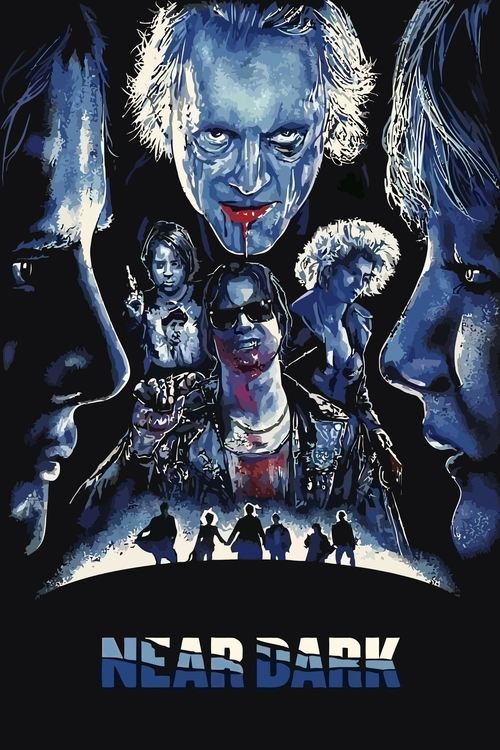
Caleb falls for Mae on an Oklahoma night road and gets pulled into a roaming vampire family where romance, hunger, and outlaw belonging all come with a body count. Near Dark strengthens Cinema One’s Kathryn Bigelow lane because it treats vampire myth as a western pressure system: stolen vans, cheap motels, barroom violence, sunup deadlines, Tangerine Dream haze, and Bill Paxton turning every grin into a threat with teeth.

Jennifer's Body
Jennifer's Body
Karyn Kusama2009

Jennifer Check comes back from a botched rock-band sacrifice with a hunger that makes every hallway, boy, and friendship wound feel combustible. Jennifer's Body belongs on Cinema One because Karyn Kusama and Diablo Cody turn teen horror into a pressure room about desire, performance, and female friendship: the demon is literal, but the sharper bite is how quickly a culture misreads a girl when it has already decided what kind of monster it wants her to be.

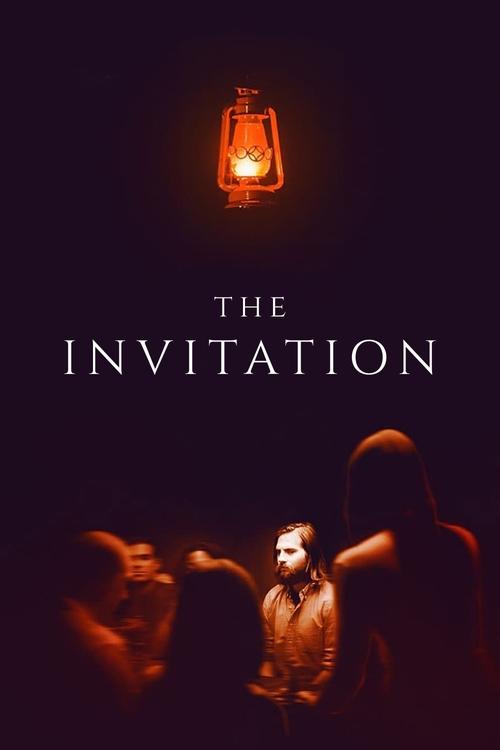
The Invitation
The Invitation
Karyn Kusama2015

Will returns to his former home for a dinner party thrown by his ex-wife, then spends the night trapped between grief, etiquette, and the sick feeling that politeness is being used as a weapon. The Invitation belongs in Cinema One because Karyn Kusama turns one Los Angeles house into a social pressure cooker: every toast, locked door, missing phone, and too-smooth smile asks whether suspicion is trauma speaking or the only sane read of the room.

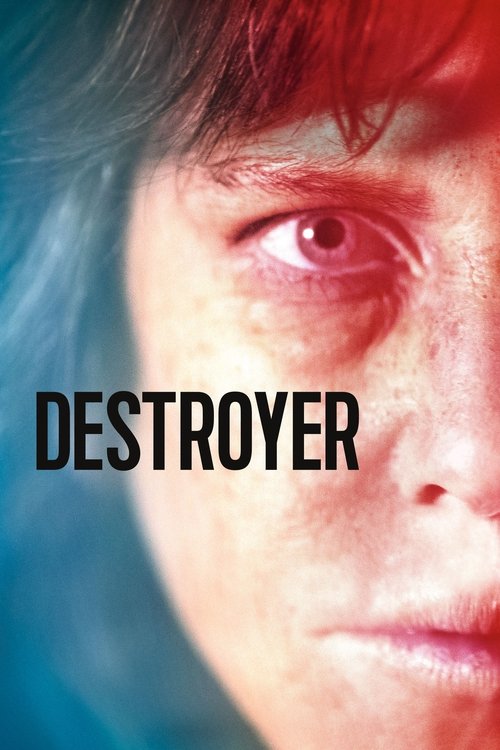
Destroyer
Destroyer
Karyn Kusama2018

Erin Bell drags herself through Los Angeles chasing the old undercover job that wrecked her, but Destroyer is not just damaged-cop wallpaper. It deepens Cinema One’s Karyn Kusama lane because the movie treats noir as physical consequence: sun-blasted streets, exhausted movement, tactical memory, and Nicole Kidman’s closed-off stare all turn the case into a body that cannot stop paying interest on one past mistake.

Lost in Translation
Lost in Translation
Sofia Coppola2003

Bob and Charlotte drift through the Park Hyatt, karaoke rooms, neon streets, sleepless mornings, and the strange relief of being understood by someone who will soon disappear. Lost in Translation strengthens Cinema One’s women-director breadth because Sofia Coppola makes loneliness feel designed rather than vague: Tokyo is not wallpaper, it is a pressure system of distance, glamour, comedy, and borrowed time where the romance works precisely because it cannot be owned.

The Virgin Suicides
The Virgin Suicides
Sofia Coppola1999

The Lisbon sisters are watched, mythologized, and misunderstood by neighborhood boys who keep mistaking mystery for knowledge. The Virgin Suicides strengthens Cinema One’s women-director breadth lane because Sofia Coppola makes a debut about looking without possession: sunburned suburbia, pop melancholy, religious control, teen dread, and Air’s score all turn memory into a beautiful trap that cannot save the girls it keeps replaying.

The Old Guard
The Old Guard
Gina Prince-Bythewood2020

A cell of immortal warriors keeps taking mercenary jobs until a new Marine joins the bloodline and forces the team to measure survival against purpose. The Old Guard earns a Cinema One breadth slot because Gina Prince-Bythewood makes superhero-adjacent action feel bodily and mournful: punches have weight, history has fatigue, and Charlize Theron’s Andy moves like someone whose competence has outlived her faith in the mission.

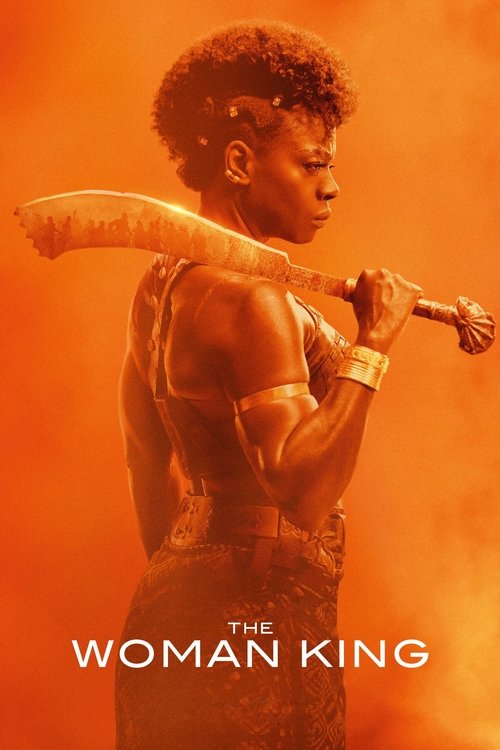
The Woman King
The Woman King
Gina Prince-Bythewood2022

Nanisca leads the Agojie through training, court politics, trauma, and war while the kingdom of Dahomey faces the violence of empire and the slave trade. The Woman King strengthens Cinema One’s women-director breadth lane because Gina Prince-Bythewood treats historical action as body-pressure drama: discipline, formation, sisterhood, and command become the movie’s engine, and Viola Davis makes leadership feel like a wound held upright.

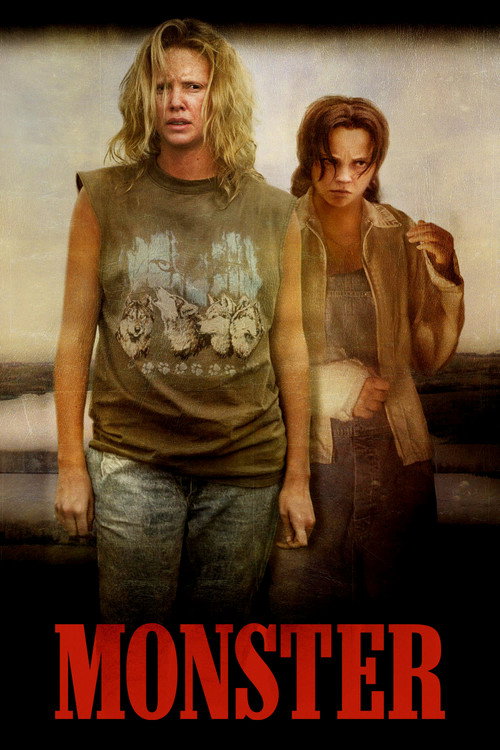
Monster
Monster
Patty Jenkins2003

Aileen Wuornos meets Selby Wall while already living inside damage, hunger, fear, and escalating violence, but Monster works because Patty Jenkins never lets the true-crime hook become a clean spectator sport. The movie strengthens Cinema One’s women-director breadth lane by treating transformation as moral pressure: Charlize Theron disappears into the role, but the point is not the makeover. The point is how performance, camera distance, and bruised tenderness keep forcing the audience to see a person where the headline wants a category.

Wonder Woman
Wonder Woman
Patty Jenkins2017

Diana leaves Themyscira for a world at war and discovers that heroism is not a clean myth waiting to be proven; it is a choice made inside mud, gas, grief, compromise, and human weakness. Wonder Woman strengthens Cinema One’s women-director breadth lane because Patty Jenkins treats iconography as emotional craft: the bracelets, shield, battlefield walk, and moral clarity matter only because the movie keeps testing whether compassion can survive first contact with history.

The Piano
The Piano
Jane Campion1993

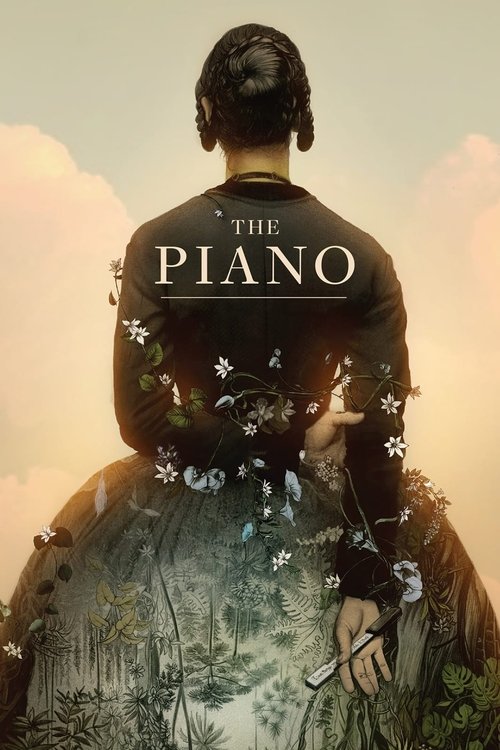
Ada arrives in nineteenth-century New Zealand with her daughter, her piano, and a silence nobody around her knows how to read, then finds the instrument traded into a bargain where desire, property, violence, and self-command keep changing hands. The Piano strengthens Cinema One’s women-director breadth lane because Jane Campion makes repression physical: mud, surf, keys, fingers, glances, and withheld speech turn period drama into a pressure system about who gets to own a woman’s voice.

Candyman
Candyman
Nia DaCosta2021

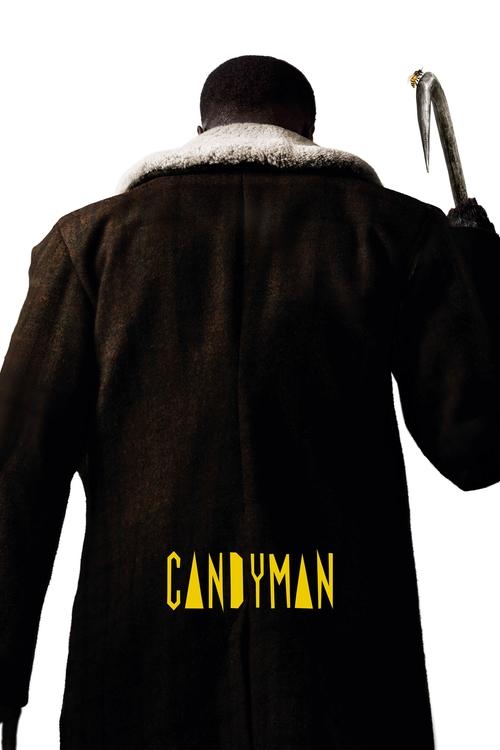
Anthony McCoy turns the Cabrini-Green legend into gallery material, then discovers that myth, art, trauma, and real estate have teeth. Candyman belongs on Cinema One because Nia DaCosta makes the mirror dare bigger than a slasher hook: the movie is about who gets turned into folklore, who profits from the image, and how gentrification can polish a neighborhood while leaving the wound active underneath.

Promising Young Woman
Emerald Fennell2020

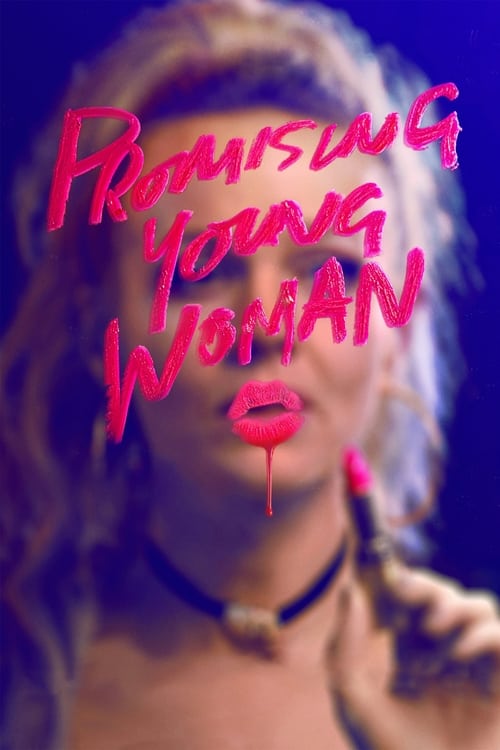
Cassie Thomas moves through coffee shops, bars, medical-school ghosts, pastel costumes, and weaponized politeness while grief keeps setting the trap. Promising Young Woman belongs in Cinema One because Emerald Fennell turns the revenge thriller into a poisoned pop object: surface sweetness, nice-guy casting, brittle jokes, and Carey Mulligan's stillness all keep asking how much violence a culture can hide inside ordinary permission.

American Psycho
American Psycho
Mary Harron2000

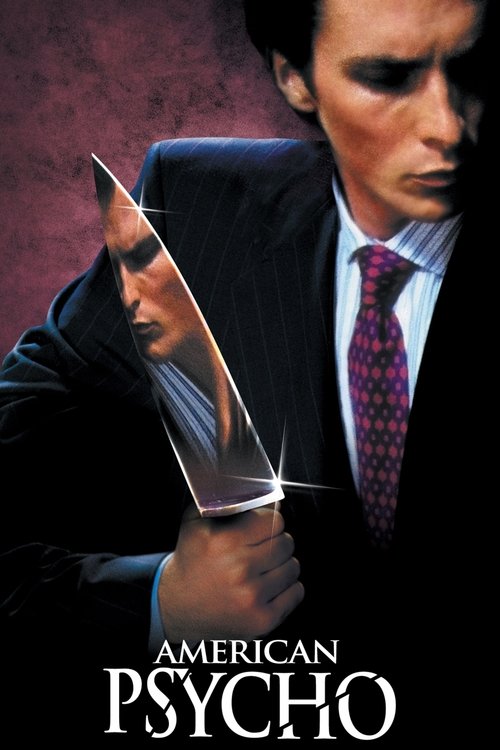
Patrick Bateman moves through restaurants, business cards, skin routines, and murder fantasies with the same dead showroom smile. American Psycho belongs on Cinema One because Mary Harron turns Wall Street masculinity into horror-comedy evidence: the monster is not hidden under the suit; the suit is part of the monster.

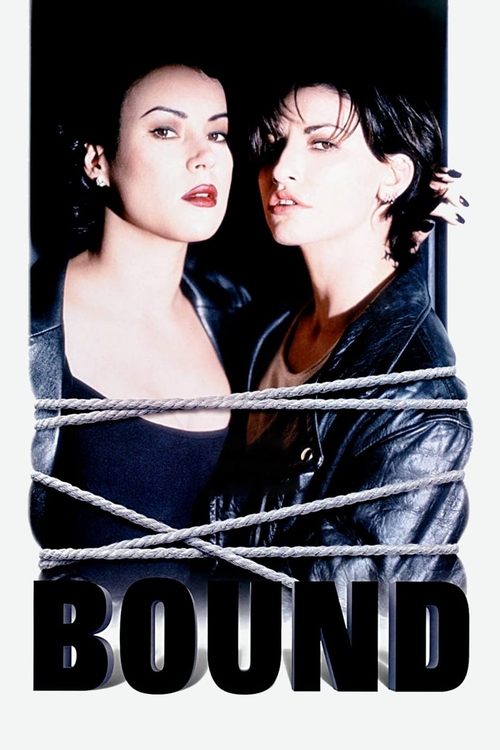
Bound
Bound
Lana Wachowski & Lilly Wachowski1996

Corky, a tough ex-con renovating an apartment, falls for Violet, the girlfriend of a volatile mobster, and the two women build a dangerous plan to steal Mafia money and escape together.

Little Women
Little Women
Greta Gerwig2019

Gerwig reshapes Alcott’s novel into a lively, emotionally intelligent adaptation about authorship, sisterhood, ambition, and the price of making a life in public.

Barbie
Barbie
Greta Gerwig2023

Gerwig turns Mattel IP into a bright, self-aware studio fantasia about femininity, performance, fantasy worlds, and the uneasy work of becoming a person.