
The Invitation
Find the movies with rewatch gravity, live dossiers, and unfinished cases worth deepening.
Movie dossier
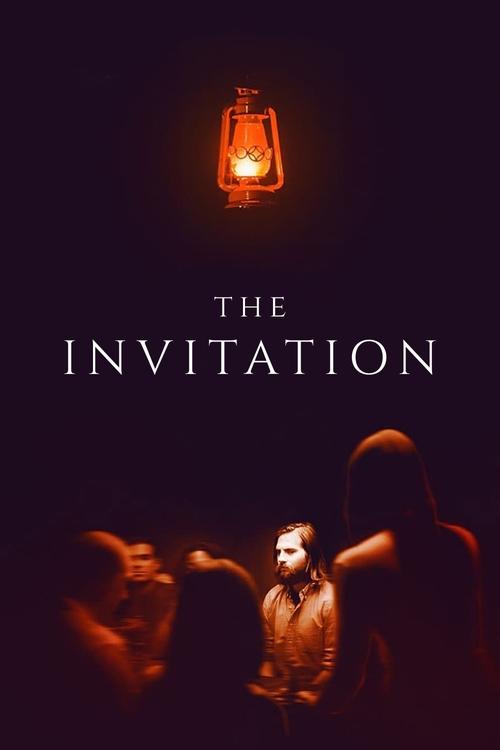
The Invitation
Karyn Kusama makes a dinner party into grief horror, where manners keep asking the audience to doubt its own alarm system.
Latest video signal
Trailer slot ready
A widescreen slot for the newest official trailer, interview, or scene signal when the page has a playable source.
Why it matters
The Invitation matters here because it expands the Karyn Kusama lane with a movie that is almost all social pressure before it becomes bloodletting. The hook is cruelly simple: Will may be traumatized, rude, or right, and Kusama keeps the audience trapped in that uncertainty long enough for every normal dinner-party gesture to become evidence. It is a women-directed breadth upgrade that still fits the Cinema One appetite for pressure rooms, damaged perception, and endings that change the size of the whole movie.
Craft read
A slow-burn reunion thriller built from etiquette, grief, suspicion, and delayed confirmation
Will is both the emotional wound in the room and the only guest willing to interrupt the room’s performance of healing
Once the ending is known, the pleasure shifts to tracking how many social cues were warnings hiding under hospitality
Themes
Cast and context
karyn kusama • dinner party • grief • cult • paranoia • slow burn • los angeles • social horror
Coverage status
A strong case file with real editorial shape: enough craft, context, and connection to guide a serious watch.
Production notes
- • Kusama told Collider she was drawn to the script’s “economy precision” and its formal daring in forcing the audience to squirm, which explains why the movie withholds release instead of chasing constant shocks.
- • In the same Collider interview, Kusama framed Will as the organizing key: a man who does not want to be present, disrupts the group, and remains sympathetic even as the film tests his reliability.
- • Vox’s interview usefully labels the film “emotional horror,” with Kusama discussing grief, belief systems, and the danger of ideas that promise protection while deforming the people clinging to them.
Watch-next pathway
What should you do after The Invitation?
Three intentional continuations: stay with the filmmaker, chase the dominant pressure signal, or jump into the shelf or argument that best explains why this movie belongs here.
Destroyer
The cleanest next move if Karyn Kusama's control, obsessions, or rhythm are what hooked you here.
More grief
Use the taste map to find movies, arguments, and shelves that share this page's strongest signal.
Women-Directed Pressure Rooms
Women-directed films where genre, image, bodies, and self-invention become pressure systems instead of soft-focus sidebars.
Movie-page argument
Defend The Invitation.
If this movie has a scene, performance, ending, or idea people underrate, make the case. The best defenses can become future Cinema One argument material.
Scene challenge
Pick the scene that proves it.
Cinema One is built around scenes that unlock the movie. Tell us which moment carries the pressure, style, argument, or rewatch charge.
Signature scene: the red lantern ending widens the wound
The final look across the hills works because it converts one house of dread into a whole city of dread without explaining the machinery to death. Kusama earns the image by keeping the movie domestic and intimate for so long; when the red lanterns appear, the story does not expand like a twist. It expands like infection.
Line worth carrying forward
“There is nothing to be afraid of.” The line is terrifying because it sounds like reassurance and instruction at the same time. In The Invitation, comfort language keeps functioning as crowd control: if everyone agrees to be fine, the person naming danger becomes the problem.
Why the ending refuses closure
Kusama has said she likes endings that ask more questions than they answer, and this one makes that taste productive. The movie begins as a private wound between former spouses, then ends by revealing a grief system large enough to light the hills. Closure was never coming; that promise was the trap.
Steelman the debate
The critique is that The Invitation is too slow if you need horror to announce itself early. The defense is that the slowness is the weapon. Kusama makes the viewer perform the same social calculation as the guests: how much weirdness do you excuse before politeness becomes complicity?
More from this director
Related picks
Read next
Fincher’s Dragon Tattoo remake endures because research, pattern recognition, and bruised trust become as gripping as any chase scene.
Panic Room works because Fincher turns walls, sightlines, and delays into the whole suspense engine instead of treating them as setup for louder thrills.
Fincher’s luxury paranoia machine still lands because every escalation turns wealth, control, and self-protection into liabilities instead of armor.