
You Were Never Really Here
Find the movies with rewatch gravity, live dossiers, and unfinished cases worth deepening.
Movie dossier
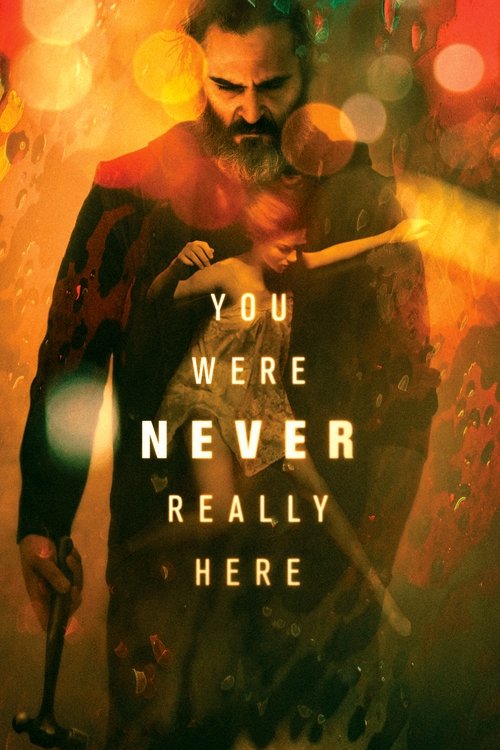
You Were Never Really Here
Lynne Ramsay strips the rescue thriller down to trauma, surveillance, sound, and a body trying not to collapse under its own history.
Latest video signal
Trailer slot ready
A widescreen slot for the newest official trailer, interview, or scene signal when the page has a playable source.
Why it matters
You Were Never Really Here matters here because it gives Cinema One a women-directed thriller lane with real pressure, not polite breadth. The premise could have become a righteous hammer movie: damaged veteran finds kidnapped girl, punishes monsters, restores order. Ramsay denies that release. She keeps cutting around the expected impact, using CCTV distance, broken memory, Jonny Greenwood’s nerve-wire score, and Joaquin Phoenix’s exhausted physicality to make violence feel less like power than evidence. The result is a case-file movie where the case is not only the girl in danger; it is the man whose survival instincts have become indistinguishable from damage.
Craft read
A rescue mission that keeps refusing revenge-movie cleanliness until the genre becomes a trauma scan
Joe can read exits, rooms, threats, and tools, but he cannot fully read the damage his body is still carrying
The second watch is about noticing what Ramsay withholds: impact, explanation, catharsis, and the easy fantasy of a clean rescue
Themes
Cast and context
lynne ramsay • joaquin phoenix • trauma thriller • cctv violence • jonny greenwood • rescue mission • neo noir
Coverage status
A strong case file with real editorial shape: enough craft, context, and connection to guide a serious watch.
Production notes
- • The Cannes official record anchors the film as a 2017 Competition title that won Best Actor for Joaquin Phoenix and Best Screenplay for Lynne Ramsay, which matters because the page is built around both body-as-evidence performance and ruthless structural compression.
- • In Film4’s cinematographer commentary, Tom Townend says the brothel assault was originally written as a more conventional physical sequence before Ramsay and Townend turned CCTV into the only coverage, making a practical production constraint become the movie’s coldest formal idea.
- • Townend also describes a Queens platform shot designed around traffic roiling behind Joe’s head and a blue-lit sauna image that Ramsay kept because the counterintuitive color felt right, useful examples of the film’s instinctive visual pressure rather than explanatory psychology.
Watch-next pathway
What should you do after You Were Never Really Here?
Three intentional continuations: stay with the filmmaker, chase the dominant pressure signal, or jump into the shelf or argument that best explains why this movie belongs here.
More women-directed thriller
Use the taste map to find movies, arguments, and shelves that share this page's strongest signal.
The Invitation
A nearby Cinema One pick when you want a different angle on psychological crime thriller energy.
Movie-page argument
Defend You Were Never Really Here.
If this movie has a scene, performance, ending, or idea people underrate, make the case. The best defenses can become future Cinema One argument material.
Scene challenge
Pick the scene that proves it.
Cinema One is built around scenes that unlock the movie. Tell us which moment carries the pressure, style, argument, or rewatch charge.
Signature scene: the CCTV rescue makes violence feel like evidence, not release
The brothel hallway sequence is the unlock because Ramsay shoots the revenge set piece as surveillance fragments. We see the action from a cold institutional distance, with bodies entering and leaving frames like data points. That choice denies the usual action high. Joe is effective, but the camera refuses to make effectiveness feel clean.
Line worth carrying forward
“Wake up. It’s a beautiful day.” The line lands because it is not inspirational in any simple way. It is a survival instruction from a movie where staying alive can feel less like hope than one more impossible task.
Why the ending refuses easy rescue
The ending keeps the ache because Ramsay does not pretend that saving Nina repairs Joe. The fantasy of disappearing remains in the room. What changes is smaller and harder: two damaged people sit across from each other, and the movie allows the possibility that survival might continue for one more scene.
Steelman the debate
The fair knock is that Ramsay’s ellipses can feel withholding if someone comes for a plot-forward revenge thriller. The defense is that the withholding is the point. You Were Never Really Here is not hiding story because it lacks one; it is making the missing frames feel like the wound.
Shows up in
Collection pathway still being shaped.
More from this director
Related picks
Read next
Fincher’s Dragon Tattoo remake endures because research, pattern recognition, and bruised trust become as gripping as any chase scene.
Panic Room works because Fincher turns walls, sightlines, and delays into the whole suspense engine instead of treating them as setup for louder thrills.
Fincher’s luxury paranoia machine still lands because every escalation turns wealth, control, and self-protection into liabilities instead of armor.