The Woman King
Find the movies with rewatch gravity, live dossiers, and unfinished cases worth deepening.
Movie dossier
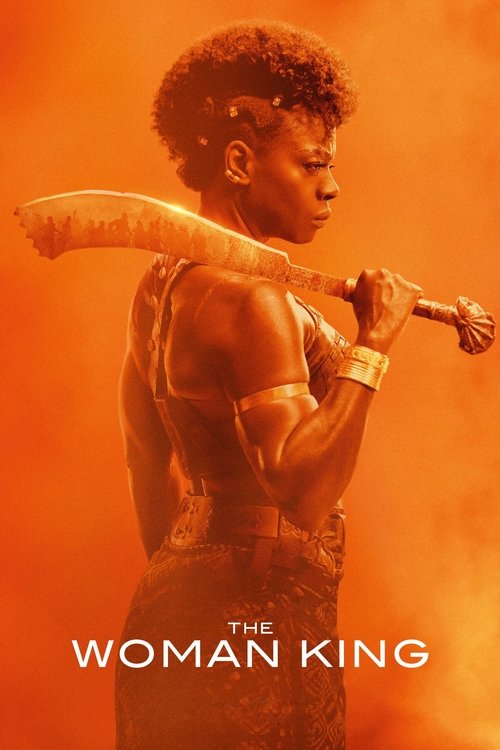
The Woman King
Gina Prince-Bythewood turns a historical action epic into training, formation, sisterhood, and command pressure carried on women’s bodies.
Latest video signal
Trailer slot ready
A widescreen slot for the newest official trailer, interview, or scene signal when the page has a playable source.
Why it matters
The Woman King matters here because it expands Cinema One breadth without leaving the house taste behind. This is not a representation checkbox; it is a pressure movie about discipline, hierarchy, formation, trauma, and whether a warrior culture can protect its people without being poisoned by the systems around it. Prince-Bythewood gives the Gina lane a theatrical epic beside The Old Guard: physical credibility, emotional consequence, and action that keeps asking what command costs.
Craft read
An Agojie general trains a new recruit, manages court pressure, faces personal history, and prepares for war against human trafficking and imperial violence
Every fight is built from formation, endurance, sisterhood, hierarchy, and the difference between personal rage and disciplined command
A women-directed historical action lane that fits Cinema One through body pressure, leadership, training, and performance rather than homework virtue
Themes
Cast and context
agojie • dahomey • viola davis • gina prince-bythewood • training • women warriors • historical epic
Gina Prince-Bythewood currently has 2 live movie pages in Cinema One.
View director pageCoverage status
A strong case file with real editorial shape: enough craft, context, and connection to guide a serious watch.
Production notes
- • Prince-Bythewood told Deadline the project connected to her as a mother-daughter story and a sisterhood story as much as an action epic, which is why the movie’s battle language keeps returning to family, formation, and chosen responsibility.
- • In Polygon, Prince-Bythewood described the cast becoming warriors through brutal training that bonded them because they were going through the ordeal together; that training history is visible in the movie’s best action because bodies move like a unit before they read as spectacle.
- • Rolling Stone’s interview is useful because Prince-Bythewood explains how her own athletic and kickboxing experience helped her direct Davis toward Nanisca’s fighting style: no wasted effort, no performative emotion, brutal efficiency under control.
Watch-next pathway
What should you do after The Woman King?
Three intentional continuations: stay with the filmmaker, chase the dominant pressure signal, or jump into the shelf or argument that best explains why this movie belongs here.
The Old Guard
The cleanest next move if Gina Prince-Bythewood's control, obsessions, or rhythm are what hooked you here.
More Agojie
Use the taste map to find movies, arguments, and shelves that share this page's strongest signal.
Women-Directed Pressure Rooms
Women-directed films where genre, image, bodies, and self-invention become pressure systems instead of soft-focus sidebars.
Movie-page argument
Defend The Woman King.
If this movie has a scene, performance, ending, or idea people underrate, make the case. The best defenses can become future Cinema One argument material.
Scene challenge
Pick the scene that proves it.
Cinema One is built around scenes that unlock the movie. Tell us which moment carries the pressure, style, argument, or rewatch charge.
Signature scene: the training ground makes sisterhood physical
The training sequences are the unlock because the movie makes belonging cost something. Recruits do not become Agojie through speeches; they become Agojie through breath, bruises, repetition, failure, and learning when individual fury has to submit to formation. That is Prince-Bythewood’s lane: emotion is real, but the body has to prove it under pressure.
Line worth carrying forward
“We are Agojie. We do not act alone.” The line is not just a team motto. It is the movie’s command system: strength becomes dangerous or useful depending on whether it serves the formation.
Why the ending keeps the victory complicated
The ending works best when read as earned breath, not historical cleanup. Nanisca and Nawi find connection, the Agojie assert power, and the movie lets triumph land, but the surrounding world remains compromised. That tension keeps the page from simple uplift: command can win a battle and still inherit a larger moral war.
Steelman the debate
The critique is that The Woman King compresses and softens difficult Dahomey history for a crowd-pleasing epic shape. The defense is that Prince-Bythewood is not making a museum placard; she is making a muscular action drama about women inside a compromised kingdom, and the film is strongest when it lets heroism and historical pressure occupy the same frame.
More from this director
Related picks
Read next
Benjamin Button matters because Fincher treats the reverse-aging premise less like a trick than a way to make timing itself feel tragic.
Cameron’s sequel works because it does not simply supersize Ridley Scott’s terror. It rebuilds the xenomorph threat around group collapse, siege pressure, and Ripley’s protective ferocity.
James Cameron’s sequel gets larger, louder, and more advanced, but it stays alive because every escalation feeds the movie’s protector-child-parent triangle.