
Promising Young Woman
Find the movies with rewatch gravity, live dossiers, and unfinished cases worth deepening.
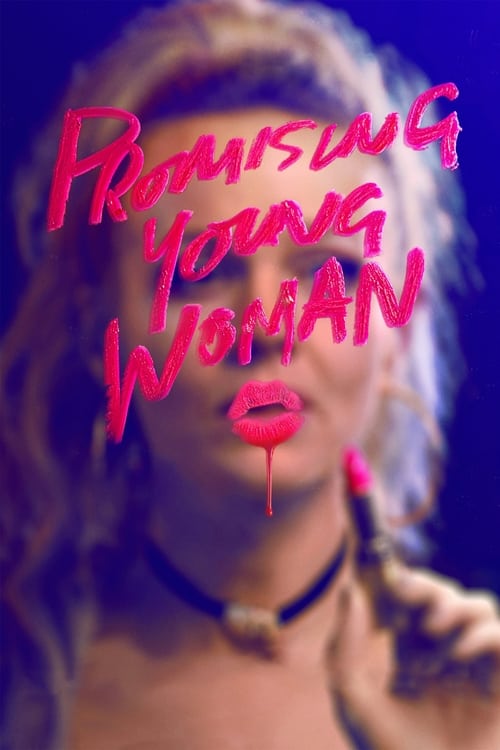
Movie dossier
Promising Young Woman
Emerald Fennell wraps a revenge thriller in pastel pop, then makes the sweetness feel like evidence at a crime scene.
Latest video signal
Trailer slot ready
A widescreen slot for the newest official trailer, interview, or scene signal when the page has a playable source.
Why it matters
Promising Young Woman matters here because it adds a women-directed breadth lane with real Cinema One pressure. The movie is not just a topical revenge piece or a discourse object. It is a control movie about surfaces: Cassie’s costumes, coffee-shop routine, notebook, club performances, romantic pause, and final plan all ask who gets to look harmless while harm keeps moving through the room. Fennell’s sharpest move is refusing the easy fantasy of empowerment. The candy shell is part of the trap, and the trap is aimed at the audience too.
Craft read
A grief-procedure thriller where Cassie keeps staging vulnerability to expose how quickly ordinary men convert permission into entitlement
Pastel costume, pop needle drops, nice-guy casting, parental rooms, and medical-school history all hide a harder structure about complicity
The second watch is about noticing how early the movie turns charm into evidence: every soft color, joke, and romantic beat is already being cross-examined
Themes
Cast and context
emerald fennell • carey mulligan • revenge thriller • toxic nice guys • pastel noir • grief • women-directed
Coverage status
A strong case file with real editorial shape: enough craft, context, and connection to guide a serious watch.
Production notes
- • Focus Features announced the film as an Emerald Fennell-helmed thriller starring Carey Mulligan, with FilmNation and LuckyChap in the production spine; that matters because the film arrives as a first-feature pressure test, not a studio-brand extension.
- • The Academy’s 93rd Oscar record lists Promising Young Woman across best picture, directing, original screenplay, actress, and editing, useful evidence that the film’s argument, performance, and structure all landed beyond the controversy cycle.
- • Costume designer Nancy Steiner’s interviews are essential to the Cinema One read: Cassie’s clothing is not cute wallpaper but a rotating set of personas, soft enough to lower the room’s guard and exact enough to make surface part of the weapon.
- • Vanity Fair’s music feature frames the soundtrack as a deliberate tonal trap, from pop pleasure to the string-quartet “Toxic” pivot; the music is not ironic garnish, it is how the movie makes sweetness curdle.
Watch-next pathway
What should you do after Promising Young Woman?
Three intentional continuations: stay with the filmmaker, chase the dominant pressure signal, or jump into the shelf or argument that best explains why this movie belongs here.
More Emerald Fennell
Use the taste map to find movies, arguments, and shelves that share this page's strongest signal.
Identity Traps
Doubles, false selves, role-play, and movies where the biggest danger is the story a person keeps telling about who they are.
Movie-page argument
Defend Promising Young Woman.
If this movie has a scene, performance, ending, or idea people underrate, make the case. The best defenses can become future Cinema One argument material.

Scene challenge
Pick the scene that proves it.
Cinema One is built around scenes that unlock the movie. Tell us which moment carries the pressure, style, argument, or rewatch charge.
Signature scene: the opening bar trap makes politeness incriminate itself
The opening works because Cassie barely has to move. The room does the work for her: jokes, glances, concern theater, a ride home, and the slow reveal that the “nice” man is only nice while he thinks there will be no witness. Fennell’s pressure system is brutally clean. Cassie is not hunting monsters from another world; she is letting ordinary permission talk long enough to confess.
Line worth carrying forward
“Can you guess what every woman’s worst nightmare is?” The line matters because it flips the movie’s whole social contract. The men keep talking about accusation as catastrophe; Cassie keeps dragging the room back to the danger that made the accusation possible.
Why the ending refuses clean release
The ending is designed to split the room. It gives the machinery of consequence a nasty little click, but it also denies the fantasy that Cassie can walk out untouched because the genre owes us release. That is why the movie stays argumentative: justice arrives through a plan so costly that victory cannot be mistaken for healing.
Steelman the debate
The critique is that Promising Young Woman turns trauma into an over-designed revenge mechanism and leans on shock to settle an argument it cannot fully hold. The defense is that the over-design is the point. Fennell is making a movie about a culture that packages danger beautifully, then asks why anyone believed the packaging in the first place.
Shows up in
Doubles, false selves, role-play, and movies where the biggest danger is the story a person keeps telling about who they are.
Movies about identity under construction, feminine self-authorship, and the pressure to turn feeling, ambition, and image into a life.
Women-directed films where genre, image, bodies, and self-invention become pressure systems instead of soft-focus sidebars.
More from this director
Related picks
Read next
Fincher’s Dragon Tattoo remake endures because research, pattern recognition, and bruised trust become as gripping as any chase scene.
Benjamin Button matters because Fincher treats the reverse-aging premise less like a trick than a way to make timing itself feel tragic.
Panic Room works because Fincher turns walls, sightlines, and delays into the whole suspense engine instead of treating them as setup for louder thrills.