
American Psycho
Find the movies with rewatch gravity, live dossiers, and unfinished cases worth deepening.
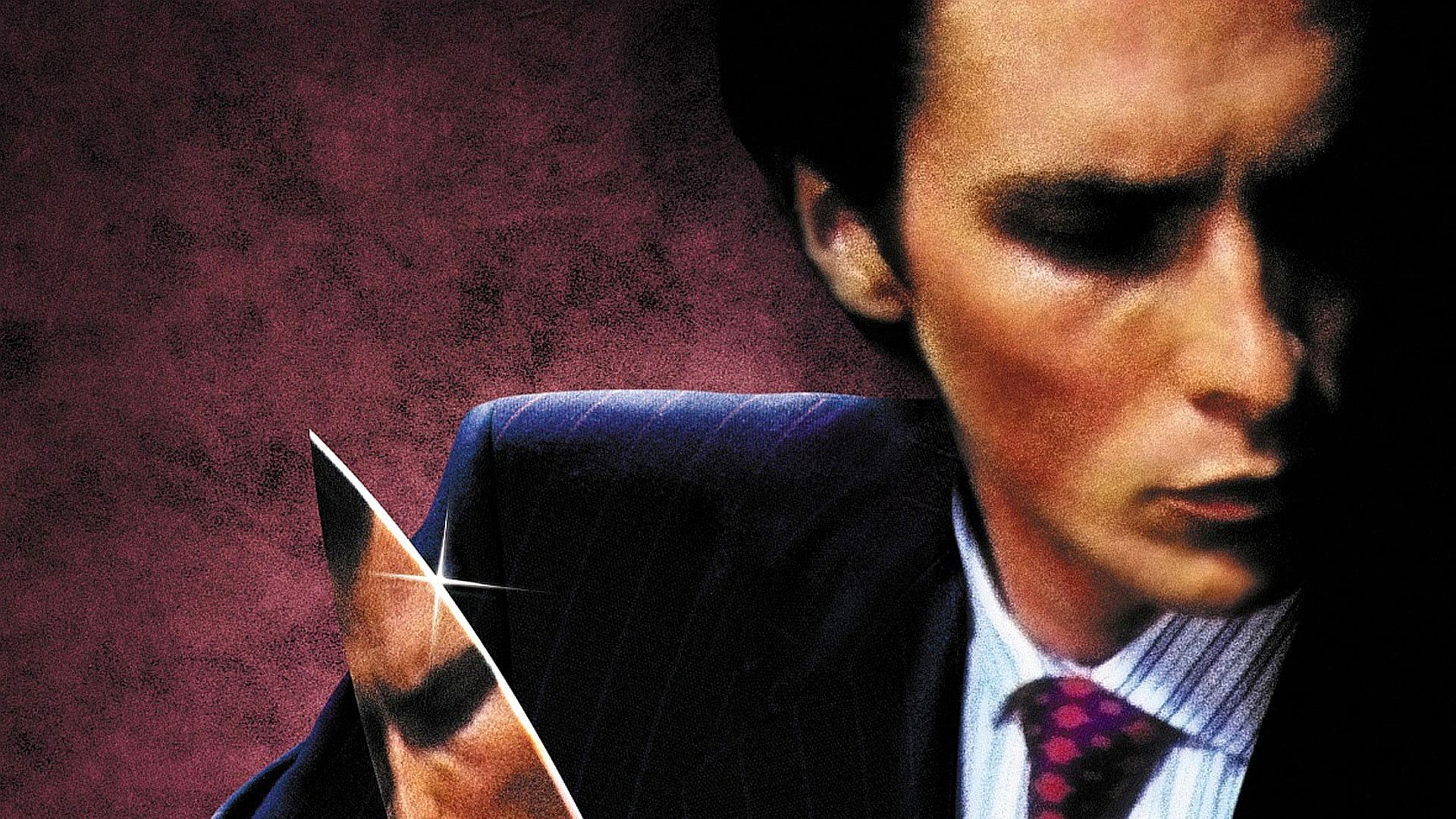
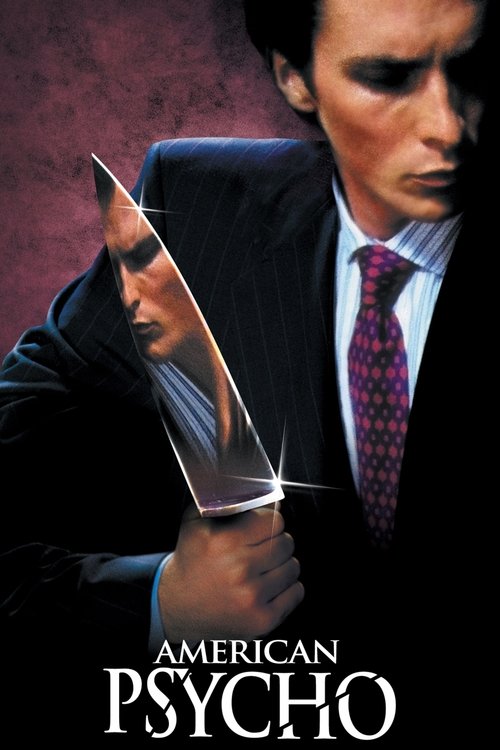
Movie dossier
American Psycho
A yuppie nightmare where status ritual, identity collapse, and black comedy all sharpen each other.
Latest video signal
Trailer slot ready
A widescreen slot for the newest official trailer, interview, or scene signal when the page has a playable source.
Why it matters
American Psycho matters because it turns 80s success mythology into horror without losing the joke. Mary Harron understands that Bateman is not frightening only as an individual monster, but as the polished endpoint of a culture that mistakes branding for personhood.
Craft read
Deadpan satire and serial-killer horror held in unstable balance
Christian Bale turns vanity, panic, and imitation into one continuous act
A key modern cult text about masculinity, consumption, and empty self-construction
Themes
Cast and context
serial killer • yuppie • wall street • identity crisis • materialism • psychopath
Coverage status
A fully shaped Cinema One case: the movie has enough authored context, pathway links, and argument to feel like more than a catalog entry.
Production notes
- • Harron’s direction is crucial because the movie has to stay funny, repulsive, and observant at the same time.
- • Bale’s performance survives meme culture because the underlying insecurity never disappears beneath the surface control.
- • A valuable page for Cinema One because it connects satire, horror, and finance-era image worship into one durable argument.
Watch-next pathway
What should you do after American Psycho?
Three intentional continuations: stay with the filmmaker, chase the dominant pressure signal, or jump into the shelf or argument that best explains why this movie belongs here.
More identity
Use the taste map to find movies, arguments, and shelves that share this page's strongest signal.
Status Traps
Ambition, reputation management, and movies where climbing the ladder quietly poisons the people doing it.
Movie-page argument
Defend American Psycho.
If this movie has a scene, performance, ending, or idea people underrate, make the case. The best defenses can become future Cinema One argument material.
Scene challenge
Pick the scene that proves it.
Cinema One is built around scenes that unlock the movie. Tell us which moment carries the pressure, style, argument, or rewatch charge.
Signature scene: the business-card comparison becomes existential terror
The business-card scene is funny until it suddenly is not. Harron turns microscopic differences in paper stock and typography into a full panic event, which is the movie teaching you that status performance has replaced personality so completely that a card can trigger identity collapse.
Line worth carrying forward
"I simply am not there." That confession is the cleanest key to the film. Beneath all the grooming, monologues, and rehearsed taste sits a void the movie refuses to sentimentalize.
Why the ending leaves such a bad taste on purpose
American Psycho closes by denying the release confession is supposed to provide. Bateman remains trapped in a system too self-absorbed to register truth, which makes the ending feel less like ambiguity for its own sake than like the final joke of a world built to absorb monstrosity as long as the surface stays expensive.
Steelman the debate
A fair critique is that the movie’s satirical exaggeration can flatten actual social analysis into quotable attitude and internet cosplay. The strongest defense is that Harron’s formal control keeps the ugliness legible. The film is not offering sociology homework; it is staging a culture of male vanity and status panic so extreme that its hollowness becomes impossible to ignore.
Shows up in
Ambition, reputation management, and movies where climbing the ladder quietly poisons the people doing it.
Doubles, false selves, role-play, and movies where the biggest danger is the story a person keeps telling about who they are.
Women-directed films where genre, image, bodies, and self-invention become pressure systems instead of soft-focus sidebars.
More from this director
Related picks
Read next
American Psycho survives because Mary Harron turns 80s status obsession into a performance nightmare where identity is just another item to curate.
Fincher’s Dragon Tattoo remake endures because research, pattern recognition, and bruised trust become as gripping as any chase scene.
Panic Room works because Fincher turns walls, sightlines, and delays into the whole suspense engine instead of treating them as setup for louder thrills.