
Little Women and the Price of Turning a Life Into an Ending
Greta Gerwig’s adaptation becomes great by refusing to separate romance, money, authorship, and the pressure to make a satisfying story out of a complicated life.
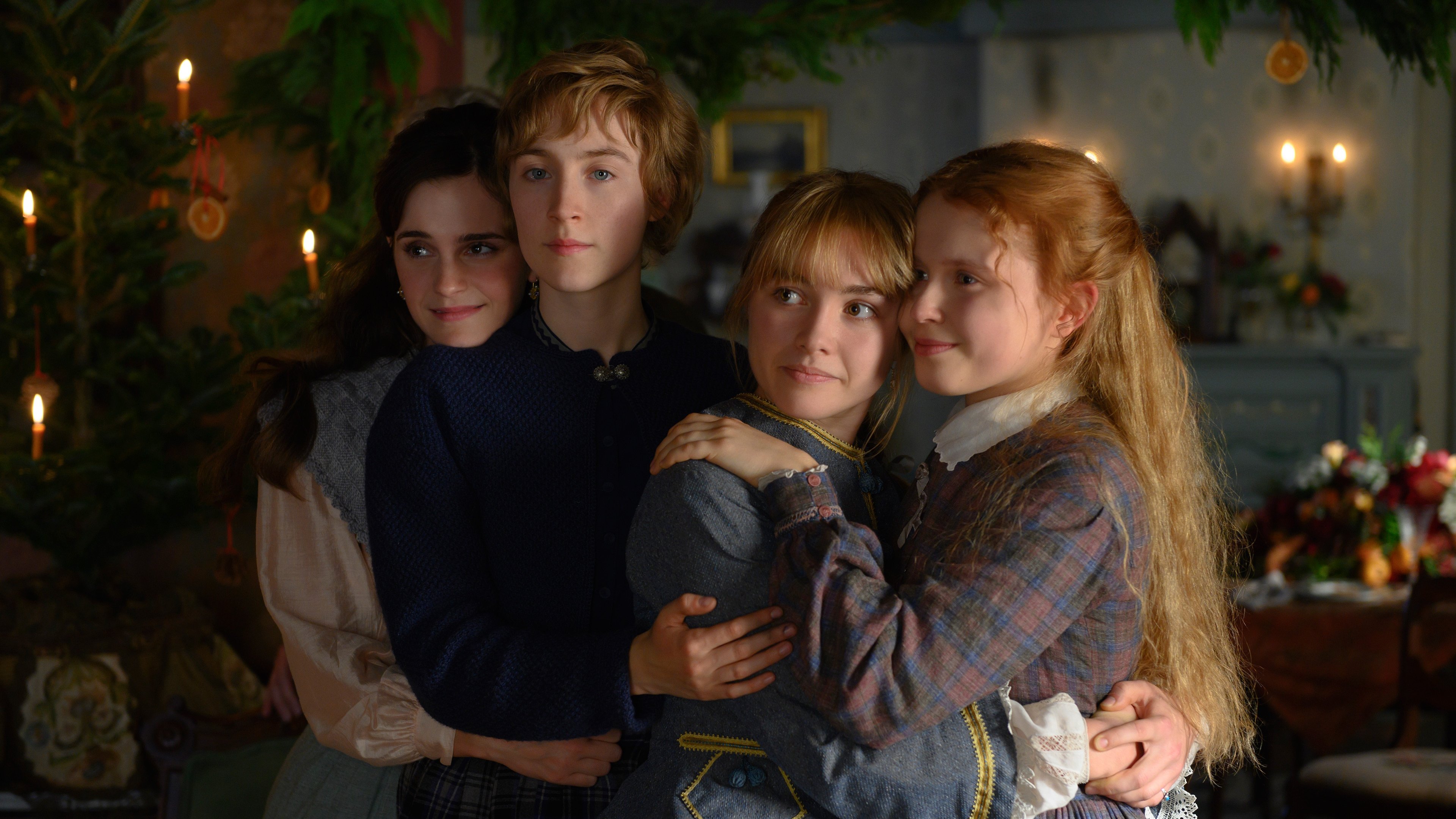
Little Women lands so strongly because Greta Gerwig treats adaptation as argument. She is not just retelling Alcott. She is staging a live negotiation between memory, commerce, girlhood intimacy, artistic ambition, and the kind of ending the culture most wants from women.
Structure as Interpretation
The braided timeline is not a flourish pasted on top of beloved material. It is the movie’s central insight. By moving between youth and adulthood, Gerwig lets warmth and loss occupy the same emotional space, which makes every March-sister scene feel touched by future knowledge.
Jo’s Real Opponent Is Form
One of the smartest things in the film is that Jo is not only fighting romance or convention. She is fighting the pressure to turn life into a neat shape that will sell. That is why the publisher sequence feels so electric. It makes authorship, market demand, and emotional compromise collide in the same room.
Why the Film Keeps Opening Up
Little Women stays alive on revisit because Gerwig refuses to lock the ending into one reading. The final stretch is moving precisely because it can be read as triumph, bargain, self-invention, or all three at once. The movie trusts ambiguity without surrendering feeling.
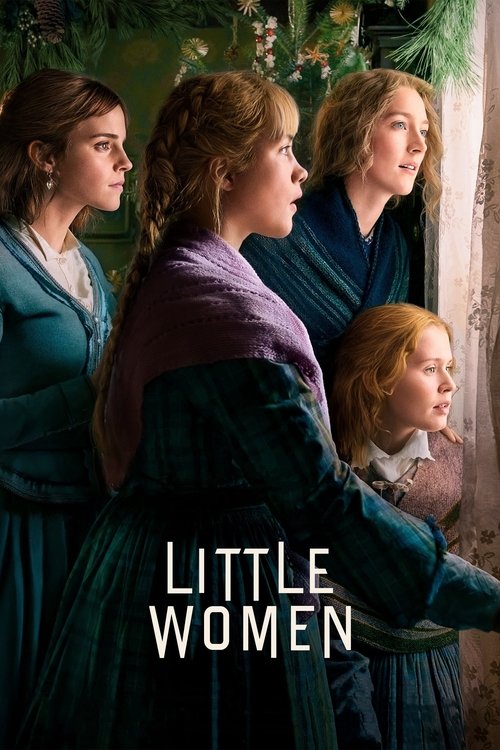
Little Women
2019 • Greta Gerwig
Own your story.
Movies to pair with this read




Becoming and Authorship
Movies about identity under construction, feminine self-authorship, and the pressure to turn feeling, ambition, and image into a life.
Women-Directed Pressure Rooms
Women-directed films where genre, image, bodies, and self-invention become pressure systems instead of soft-focus sidebars.

Barbie and the Risk of Becoming a Person Inside a Brand
Gerwig’s blockbuster works because it treats corporate fantasy as both playground and problem, then finds real feeling in the tension between the two.

Lady Bird and the Power of Making a Whole World Out of One Hometown
Greta Gerwig’s debut hits so hard because it understands that local detail, class stress, and family friction are not limits on scope. They are the scope.

Dune: Messiah and the Risk of Following Triumph With Spiritual Fallout
The real reason to track Dune: Messiah early is that it could force blockbuster franchise culture to sit inside consequence instead of momentum.
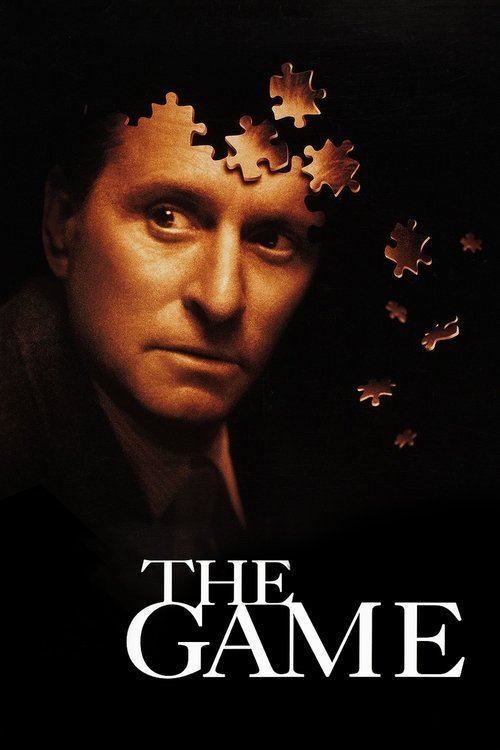
The Game and the Seduction of Letting a System Break You on Purpose
Fincher’s luxury paranoia machine still lands because every escalation turns wealth, control, and self-protection into liabilities instead of armor.