
The Piano
Find the movies with rewatch gravity, live dossiers, and unfinished cases worth deepening.
Movie dossier
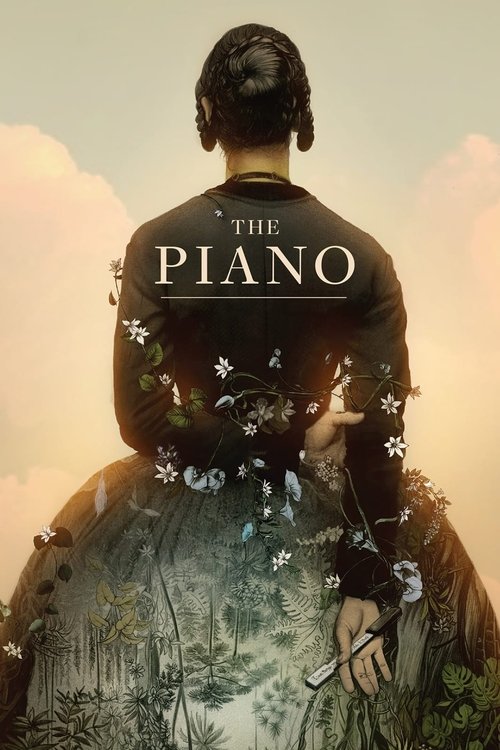
The Piano
Jane Campion turns period romance into a tactile pressure room: mud, surf, keys, silence, and desire fighting over who owns Ada’s voice.
Latest video signal
Trailer slot ready
A widescreen slot for the newest official trailer, interview, or scene signal when the page has a playable source.
Why it matters
The Piano matters here because it widens Cinema One without sanding off the taste model. This is not polite prestige wallpaper. It is a severe, sensual control movie about a woman whose silence is constantly misread as emptiness by men trying to trade, translate, marry, punish, or possess her. Campion makes every object carry pressure: the piano on the beach, the mud on the dresses, the key under a finger, the axe, the bargain, the missing voice. The rewatch charge is realizing how little Ada needs to explain herself for the movie to make her will legible.
Craft read
Ada and her daughter arrive in colonial New Zealand, where a marriage arrangement and a traded piano turn desire into negotiation and threat
The film traps language inside bodies and objects: music, sign, touch, land, and property keep replacing speech until replacement becomes violence
The first watch follows the romance and danger; the second watch notices how Campion makes every withheld word a question of authorship, consent, and survival
Themes
Cast and context
jane campion • holly hunter • anna paquin • the piano • new zealand • mute protagonist • colonial landscape • desire • michael nyman
Coverage status
A strong case file with real editorial shape: enough craft, context, and connection to guide a serious watch.
Production notes
- • The Academy’s 1994 record highlights The Piano’s three Oscar wins: Holly Hunter for Best Actress, Anna Paquin for Best Supporting Actress, and Jane Campion for Original Screenplay, useful because the page’s case depends on performance, writing, and Ada’s authored silence working as one system.
- • The film’s Cannes afterlife matters to the Cinema One lane: The Piano became the rare women-directed Palme d’Or breakthrough, making Campion’s pressure-drama grammar impossible to treat as a niche sidebar.
- • NZ On Screen’s Stuart Dryburgh interview archive frames Dryburgh through his work with Campion and New Zealand screen craft, a useful source trail for the page’s emphasis on landscape, available light, weather, and tactile image pressure rather than plot-summary prestige.
Watch-next pathway
What should you do after The Piano?
Three intentional continuations: stay with the filmmaker, chase the dominant pressure signal, or jump into the shelf or argument that best explains why this movie belongs here.
More Jane Campion
Use the taste map to find movies, arguments, and shelves that share this page's strongest signal.
Women-Directed Pressure Rooms
Women-directed films where genre, image, bodies, and self-invention become pressure systems instead of soft-focus sidebars.
Movie-page argument
Defend The Piano.
If this movie has a scene, performance, ending, or idea people underrate, make the case. The best defenses can become future Cinema One argument material.
Scene challenge
Pick the scene that proves it.
Cinema One is built around scenes that unlock the movie. Tell us which moment carries the pressure, style, argument, or rewatch charge.
Signature scene: the piano abandoned on the beach tells you how to watch the whole movie
The beach image is the unlock because the piano is not only an instrument; it is Ada’s body, history, voice, and bargaining power stranded in public. Campion makes the object absurdly heavy and emotionally exact. Everyone can see it, nobody understands it the same way, and the whole movie grows from that mismatch between possession and meaning.
Line worth carrying forward
“The voice you hear is not my speaking voice, but my mind’s voice.” That is the movie’s contract. The Piano is not about a woman without language; it is about a world too crude to hear the language she has chosen.
Why the ending keeps its undertow
The ending refuses simple liberation. Ada survives, chooses, and imagines the piano sinking beneath her like a private death she still visits. That underwater image keeps the romance from becoming neat. Freedom arrives with memory attached, and Campion lets the ghost weight remain.
Steelman the debate
The critique is that The Piano can romanticize a coercive relationship and turn colonial setting into gothic atmosphere around a white woman’s interior life. The defense is not that the discomfort disappears. The defense is that Campion’s movie is built from discomfort: desire, bargaining, ownership, consent, and power are never clean here, which is exactly why the film still starts arguments instead of settling into heritage-drama safety.
More from this director
Related picks
Read next
Benjamin Button matters because Fincher treats the reverse-aging premise less like a trick than a way to make timing itself feel tragic.
Titanic lasts because Cameron never treats feeling as the embarrassing part of the enterprise. The romance, class tension, and mechanical catastrophe are all designed to reinforce each other.
Tony Scott’s lovers-on-the-run movie still feels special because it never treats style and sincerity as enemies.