
The Equalizer
Find the movies with rewatch gravity, live dossiers, and unfinished cases worth deepening.
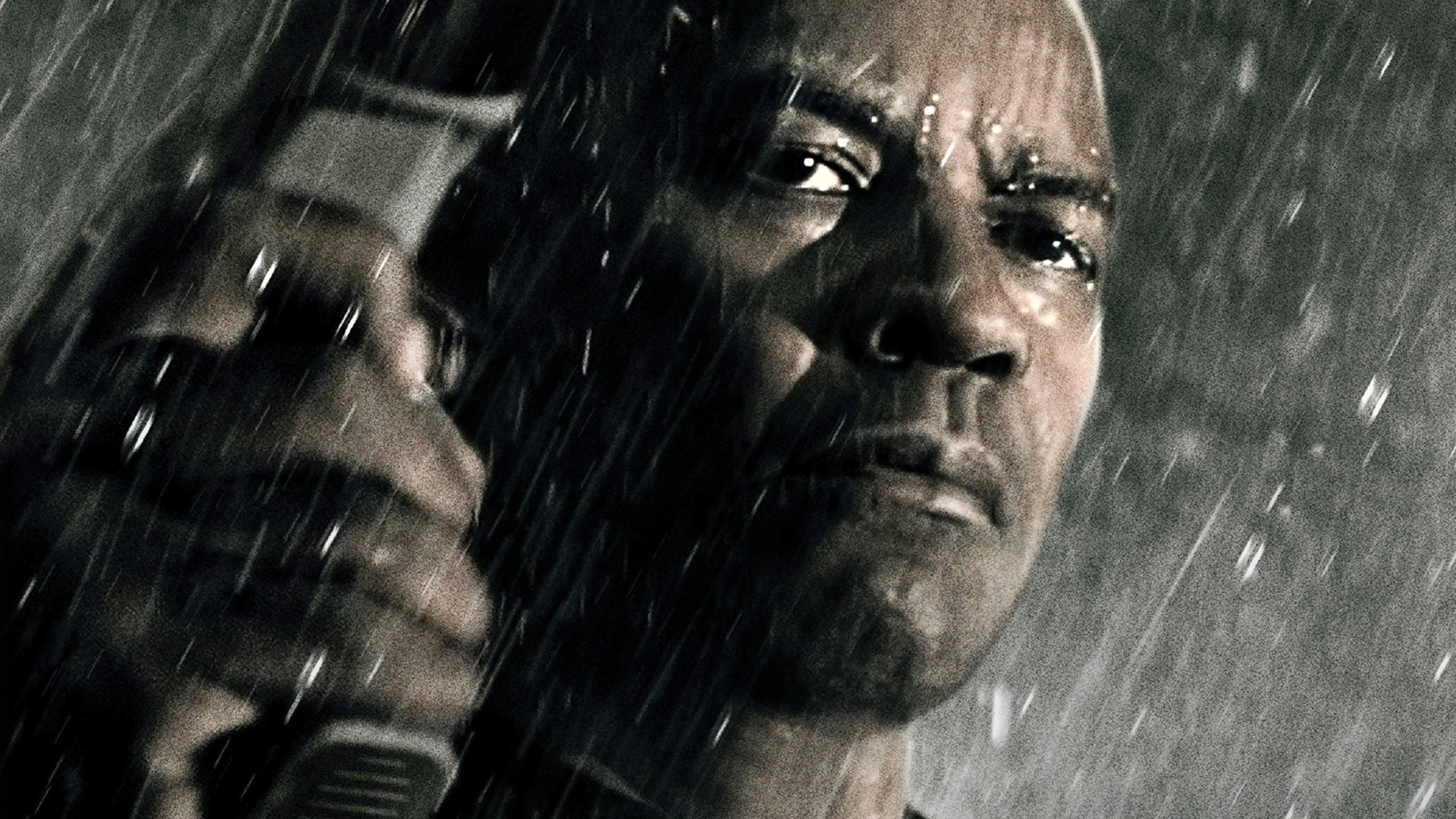
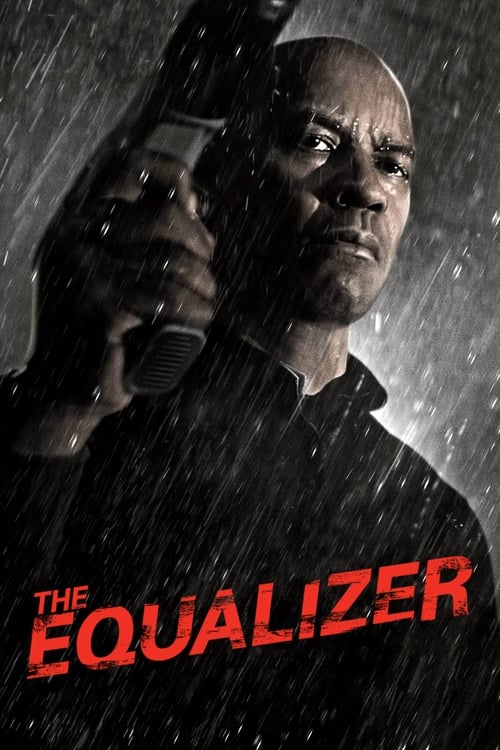
Movie dossier
The Equalizer
Denzel Washington and Antoine Fuqua turn vigilante pulp into a ritualized professional-code movie: quiet habits, exact timing, and violence that arrives like a decision already made.
Latest video signal
Trailer slot ready
A widescreen slot for the newest official trailer, interview, or scene signal when the page has a playable source.
Why it matters
The Equalizer matters here because it is not trying to be sleek spy cinema or superhero justice. It is a rewatch-comfort revenge machine built around restraint. McCall reads, works, cleans, helps, times the room, and keeps choosing not to become the old self until the movie makes that choice impossible. That makes it a Thomas Library Spine fit: Denzel as moral gravity, Fuqua as hard-R pressure engineer, and a final act that turns a retail store into a tactical map of who understands the room.
Craft read
A retired black-ops professional gets pulled back into violence after ordinary decency collides with organized cruelty
McCall is dangerous because he waits; every violent beat is preceded by observation, timing, and a refusal line being crossed
The pleasure is ritual: diner scenes, clock checks, reading lists, work routines, and Denzel letting stillness become threat before the action starts
Themes
Cast and context
robert mccall • vigilante • denzel washington • antoine fuqua • boston • hardware store • professional code
Coverage status
A strong case file with real editorial shape: enough craft, context, and connection to guide a serious watch.
Production notes
- • In Grantland, Fuqua said he wanted to avoid familiar Boston-crime cliches and researched East Coast Russian-mafia influence through books, documentaries, agents, and undercover cops, which helps explain why the movie treats the city less as accent tourism than as a port with hidden systems.
- • Fuqua told Grantland that the home-improvement-store climax was designed with Navy SEAL and special-forces advisers as “real urban warfare,” asking what McCall would use from wide aisles, sand, shelves, and tools rather than turning the finale into generic gunfire.
- • In Deadline, Fuqua emphasized that Washington grounds the action because character remains visible inside the violence; McCall works because the audience never loses the actor’s ordinary-man quiet under the righteous brutality.
Watch-next pathway
What should you do after The Equalizer?
Three intentional continuations: stay with the filmmaker, chase the dominant pressure signal, or jump into the shelf or argument that best explains why this movie belongs here.
More vigilante justice
Use the taste map to find movies, arguments, and shelves that share this page's strongest signal.
Rewatchables
Movies built for return visits, momentum, quotability, texture, and pure replay value.
Movie-page argument
Defend The Equalizer.
If this movie has a scene, performance, ending, or idea people underrate, make the case. The best defenses can become future Cinema One argument material.
Scene challenge
Pick the scene that proves it.
Cinema One is built around scenes that unlock the movie. Tell us which moment carries the pressure, style, argument, or rewatch charge.
Signature scene: the hardware-store finale turns retail space into a tactical pressure room
The climax works because McCall does not suddenly become a superhero. He becomes a reader of aisles. Nail guns, sprinklers, barbed wire, power tools, blind corners, and work lights stop being props and become decisions. Fuqua’s Grantland comments about building the sequence like urban warfare matter because that is exactly the scene’s charge: the room is ordinary until McCall understands it better than the men hunting him.
Line worth carrying forward
“When you pray for rain, you gotta deal with the mud too.” The line is pure McCall morality: justice is not clean, and once the old skill set comes back into the world, everybody has to live with the mess it makes.
Why the ending becomes a franchise promise
The ending matters because McCall does not simply return to hiding. He accepts a role: not public hero, not paid assassin, but a man willing to answer signals from people the system leaves exposed. That is why the movie can become a series without losing its original bargain — a quiet ritual life interrupted by cases that deserve teeth.
Steelman the debate
The critique is that The Equalizer is morally tidy revenge fantasy with a saintly killer at its center. The defense is that the tidiness is part of the appeal: Denzel and Fuqua make the fantasy disciplined, mournful, and tactile enough that the violence feels less like chaos than a grim service performed by someone who knows exactly what it costs.
More from this director
Related picks
Read next
Fincher’s Dragon Tattoo remake endures because research, pattern recognition, and bruised trust become as gripping as any chase scene.
Panic Room works because Fincher turns walls, sightlines, and delays into the whole suspense engine instead of treating them as setup for louder thrills.
Fincher’s luxury paranoia machine still lands because every escalation turns wealth, control, and self-protection into liabilities instead of armor.