
Minority Report and the Seduction of Frictionless Control
Spielberg’s future thriller keeps gaining power because it understands how easily safety, convenience, and surveillance start using the same sales pitch.
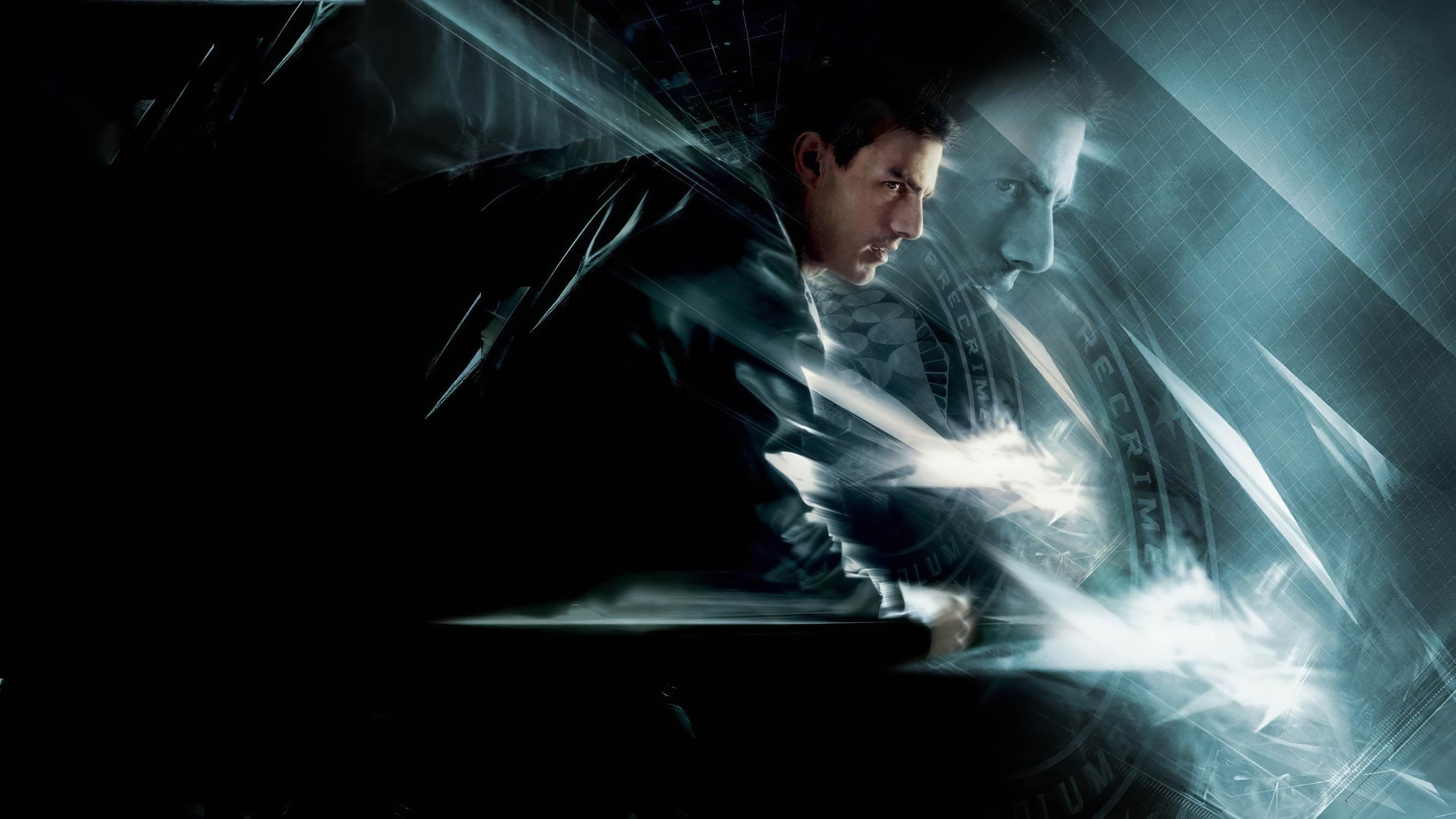
Minority Report works because it makes predictive policing feel exciting before it makes it feel intolerable. Spielberg lets the interfaces, transit systems, and personalized ads look dazzling enough to understand why a society would buy into them, then slowly reveals the moral cost of building certainty into the machinery of law.
Prediction as Politics
The premise is clever, but the movie lasts because it turns prediction into ideology. PreCrime promises a world without violent uncertainty, and that promise is precisely what makes the system dangerous. Once prevention becomes sacred, due process starts looking like an inconvenience.
Future Design With a Human Pulse
The gestures, floating screens, and retinal scans remain memorable because they are tied to behavior. This is not empty gadget porn. The interfaces tell us how people move, work, shop, and get watched, making the future feel systemic rather than decorative.
Why It Feels More Current Now
Algorithmic sorting, predictive scoring, and ambient tracking now shape everyday life in ways the movie only had to imagine. Minority Report stays alive because it saw that convenience would become the soft face of control.
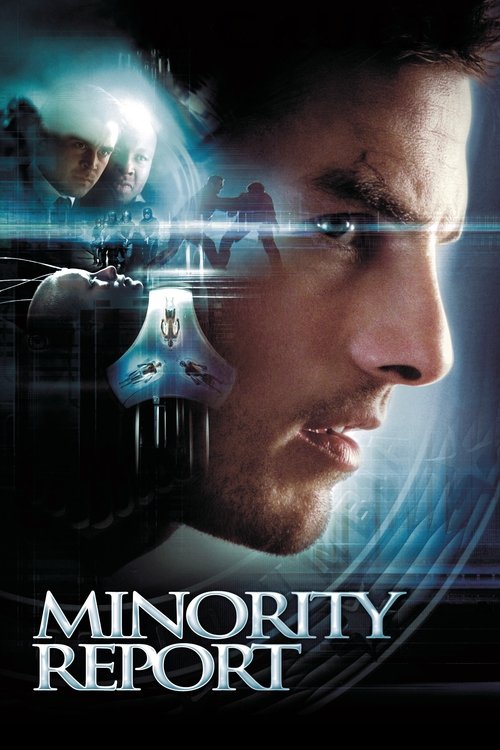
Minority Report
2002 • Steven Spielberg
Everybody runs.
Movies to pair with this read




Machine Nightmares
Cold systems, synthetic threats, and movies where technology stops feeling like a tool and starts feeling like an adversary.
Paranoia Machines
Containment, distrust, infiltration, and movies that trap characters inside systems they can no longer verify.

Following and the First Draft of Nolan as a Surveillance Storyteller
Christopher Nolan’s debut is tiny in scale but already obsessed with looking, self-invention, and how easily curiosity turns into entrapment.
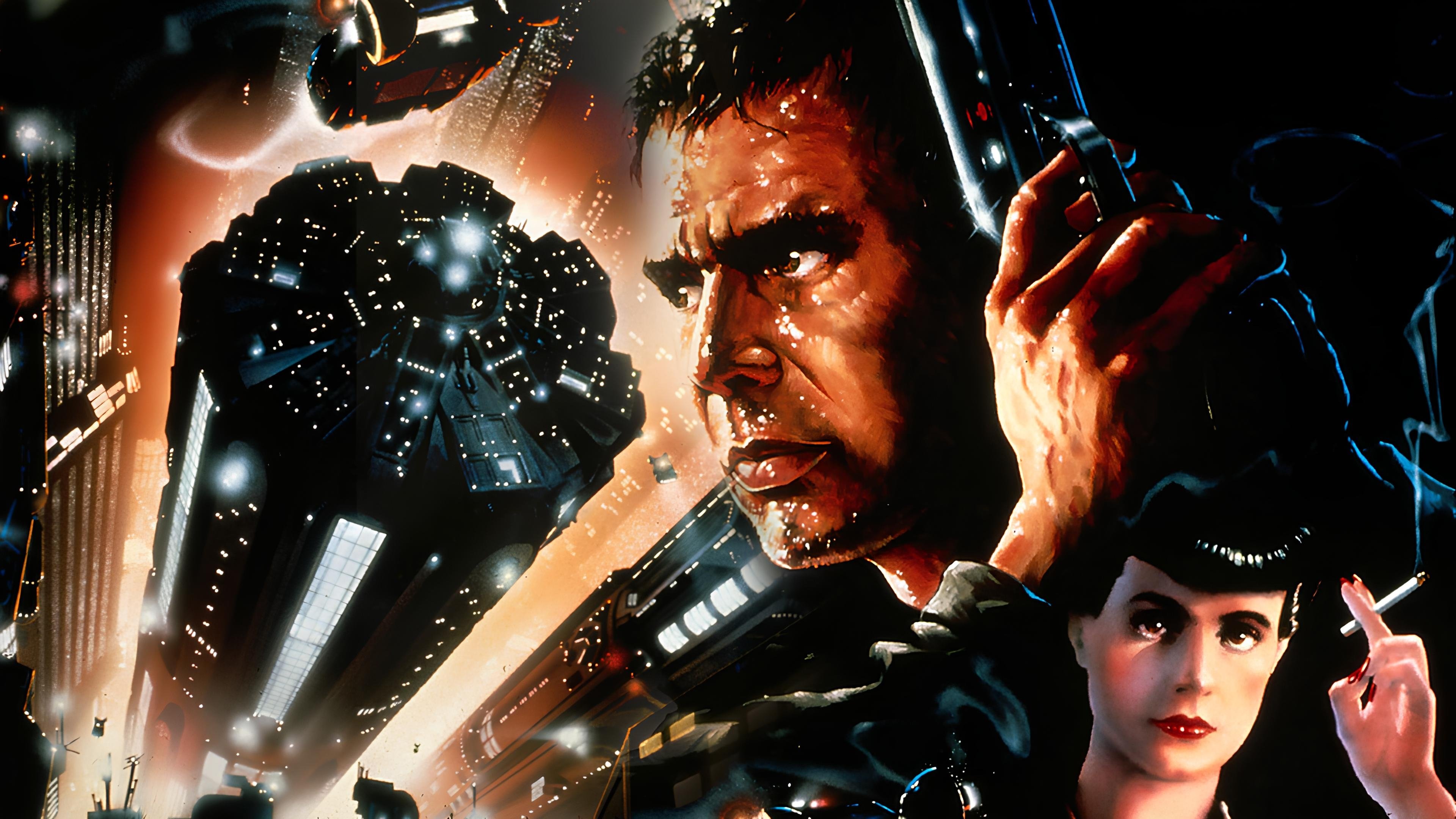
Blade Runner and the Melancholy of Manufactured Memory
Ridley Scott’s future-noir lasts because its atmosphere is not decoration, it is the emotional form of a movie about built lives and borrowed time.
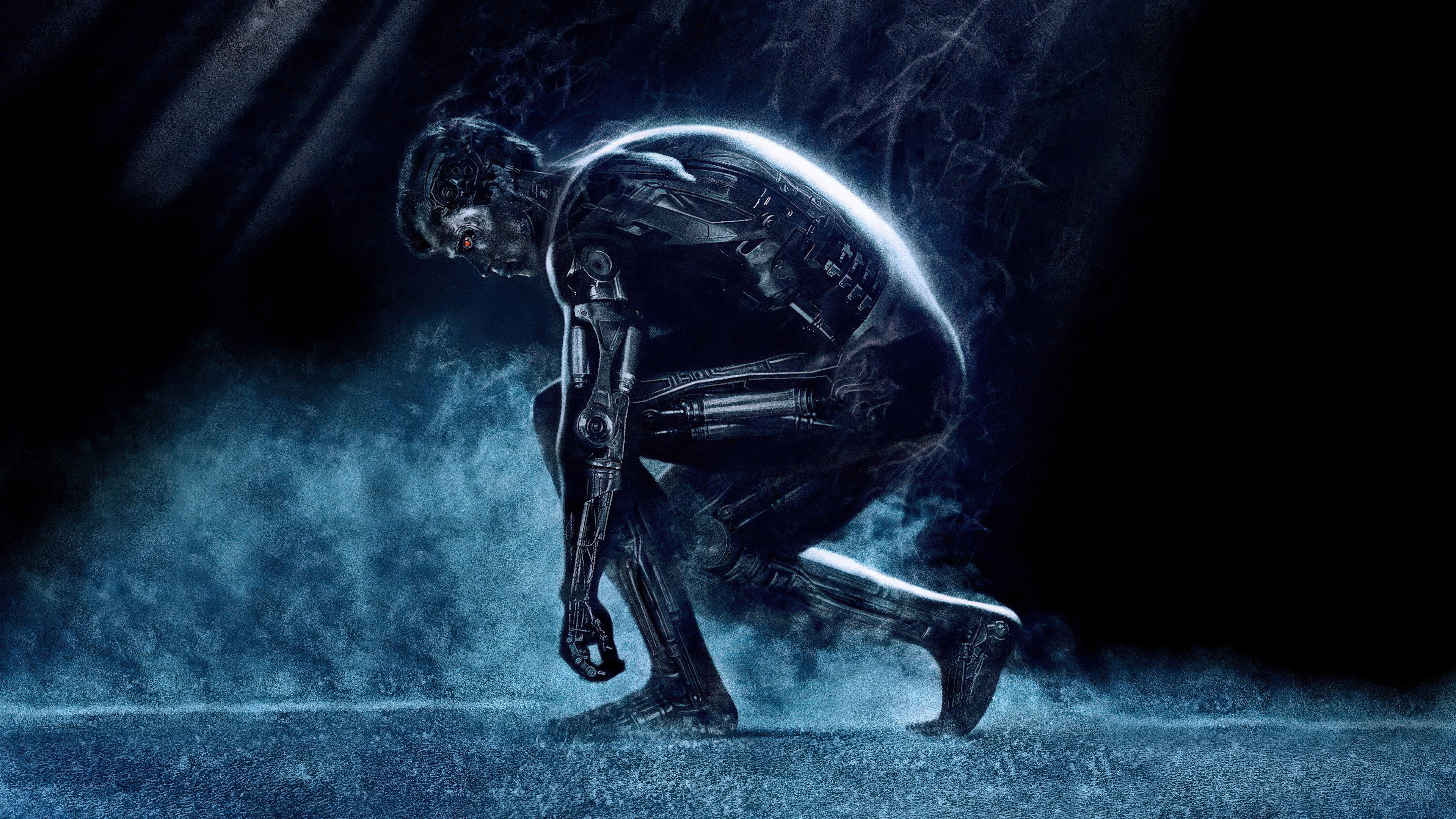
The Terminator: How James Cameron Turned Future War Into Pure Pursuit Cinema
The Terminator still hits because Cameron strips a huge sci-fi premise down to one merciless chase and lets horror logic do the rest.
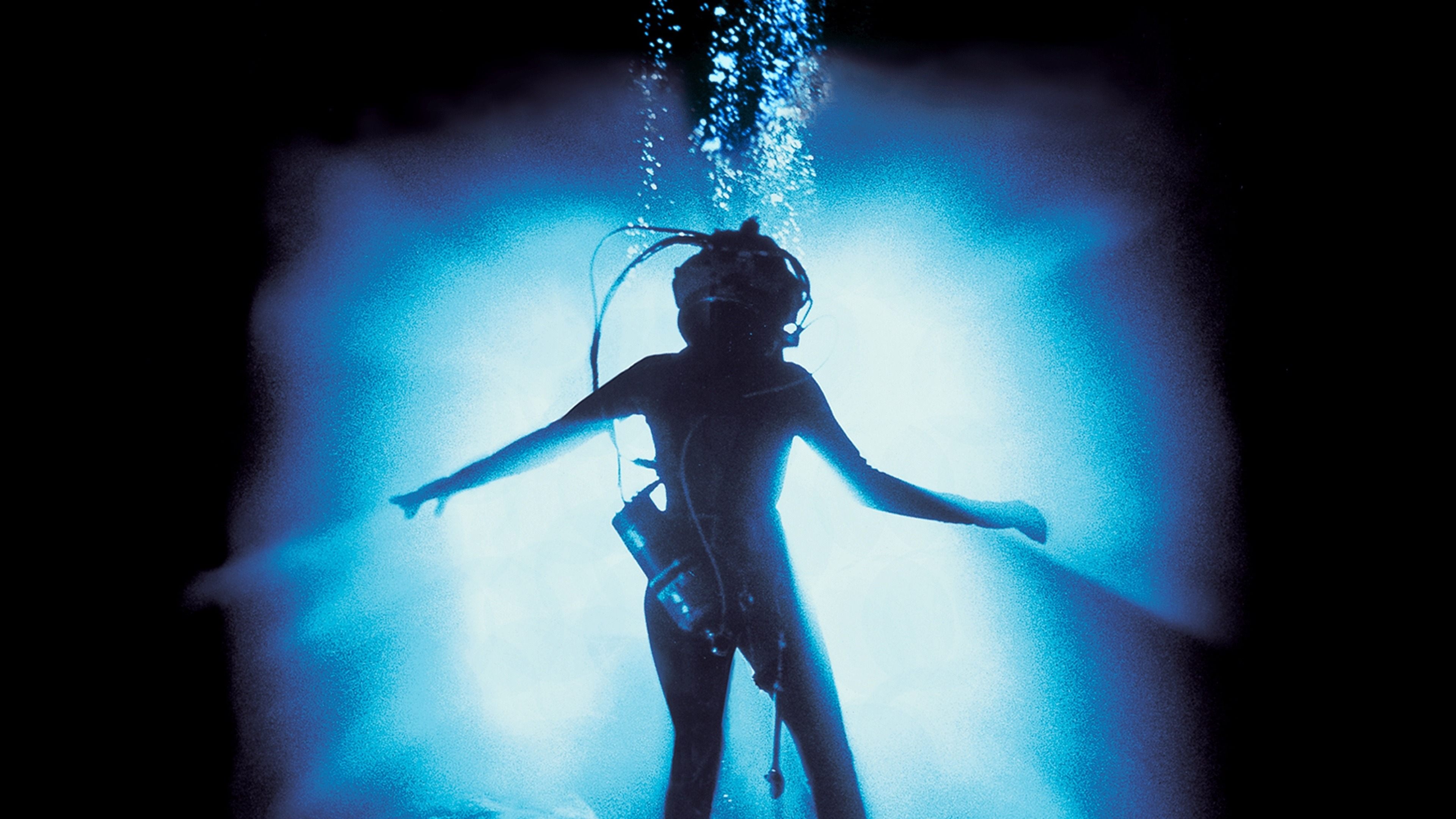
The Abyss and the Risky Beauty of Turning Industrial Pressure Into Contact Cinema
Cameron’s undersea epic stays alive because it never treats labor, machinery, and emotional damage as setup for the awe. They are the price of reaching it.