
Minority Report
Find the movies with rewatch gravity, live dossiers, and unfinished cases worth deepening.
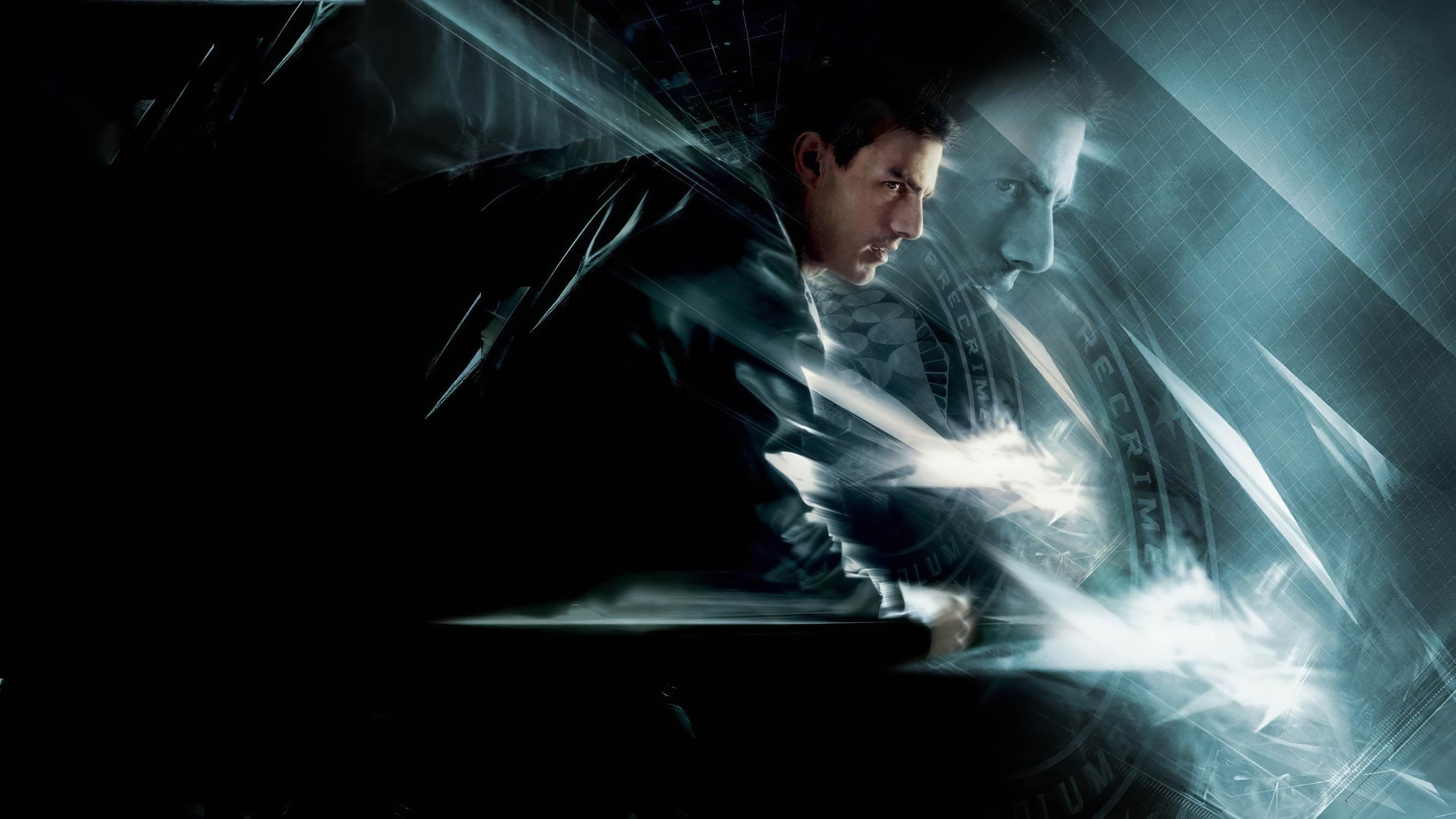
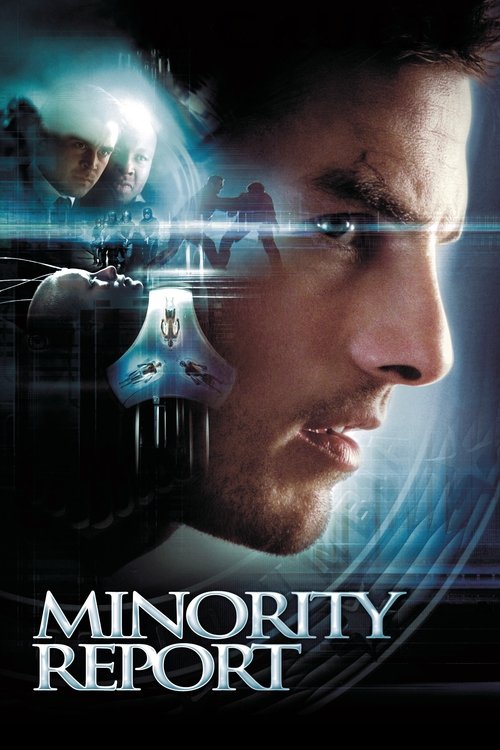
Movie dossier
Minority Report
A sleek future-thriller where predictive certainty becomes its own form of authoritarian temptation.
Latest video signal
Trailer slot ready
A widescreen slot for the newest official trailer, interview, or scene signal when the page has a playable source.
Why it matters
Minority Report matters because Spielberg turns a high-concept sci-fi premise into a movie about control, grief, and the seduction of systems that promise to remove uncertainty from public life. It feels even sharper in an era obsessed with data, surveillance, and preemption.
Craft read
Fugitive thriller momentum fused with speculative policing and moral paradox
Interface-rich future vision that still feels tactile and dirty enough to live in
One of the strongest mainstream movies about surveillance logic becoming governance
Themes
Cast and context
Coverage status
A fully shaped Cinema One case: the movie has enough authored context, pathway links, and argument to feel like more than a catalog entry.
Production notes
- • The movie’s future-tech aesthetic landed because Spielberg and his collaborators treated interfaces as behavior, not decoration.
- • Tom Cruise gives the premise urgency by playing John Anderton as a man already emotionally broken before the system turns on him.
- • A strong page for Cinema One’s AI-governance, paranoia-thriller, and future-law lanes.
Watch-next pathway
What should you do after Minority Report?
Three intentional continuations: stay with the filmmaker, chase the dominant pressure signal, or jump into the shelf or argument that best explains why this movie belongs here.
More surveillance
Use the taste map to find movies, arguments, and shelves that share this page's strongest signal.
Machine Nightmares
Cold systems, synthetic threats, and movies where technology stops feeling like a tool and starts feeling like an adversary.
Movie-page argument
Defend Minority Report.
If this movie has a scene, performance, ending, or idea people underrate, make the case. The best defenses can become future Cinema One argument material.
Scene challenge
Pick the scene that proves it.
Cinema One is built around scenes that unlock the movie. Tell us which moment carries the pressure, style, argument, or rewatch charge.
Signature scene: Anderton runs through the mall under total visibility
Minority Report’s future feels frightening because it makes recognition ambient. The mall sequence and surrounding chase beats show a world where commerce, policing, and personalized data have merged, turning everyday movement into something pre-screened and owned.
Line worth carrying forward
"You still have a choice" matters because the whole movie is organized around systems that deny choice while pretending to optimize for safety. The line is the ethical hinge that keeps the premise from becoming pure gadget fascination.
Why the ending lands as warning more than relief
The ending works because it dismantles the fantasy of perfect prevention without pretending that the damage was abstract. Spielberg closes the loop on the plot, but the real aftertaste is institutional distrust, the recognition that predictive certainty is dangerously easy to market when people are afraid.
Steelman the debate
One critique is that Minority Report turns rich philosophical material into a star-driven chase movie before the ideas can cut all the way down. The strongest rebuttal is that the chase structure is exactly what makes the ideas stick. Spielberg translates surveillance theory into lived panic, which is why the movie stays accessible and unsettling at once.
More from this director
Related picks
Read next
Spielberg’s future thriller keeps gaining power because it understands how easily safety, convenience, and surveillance start using the same sales pitch.
The real reason to track Dune: Messiah early is that it could force blockbuster franchise culture to sit inside consequence instead of momentum.
Fincher’s Dragon Tattoo remake endures because research, pattern recognition, and bruised trust become as gripping as any chase scene.