
Following and the First Draft of Nolan as a Surveillance Storyteller
Christopher Nolan’s debut is tiny in scale but already obsessed with looking, self-invention, and how easily curiosity turns into entrapment.
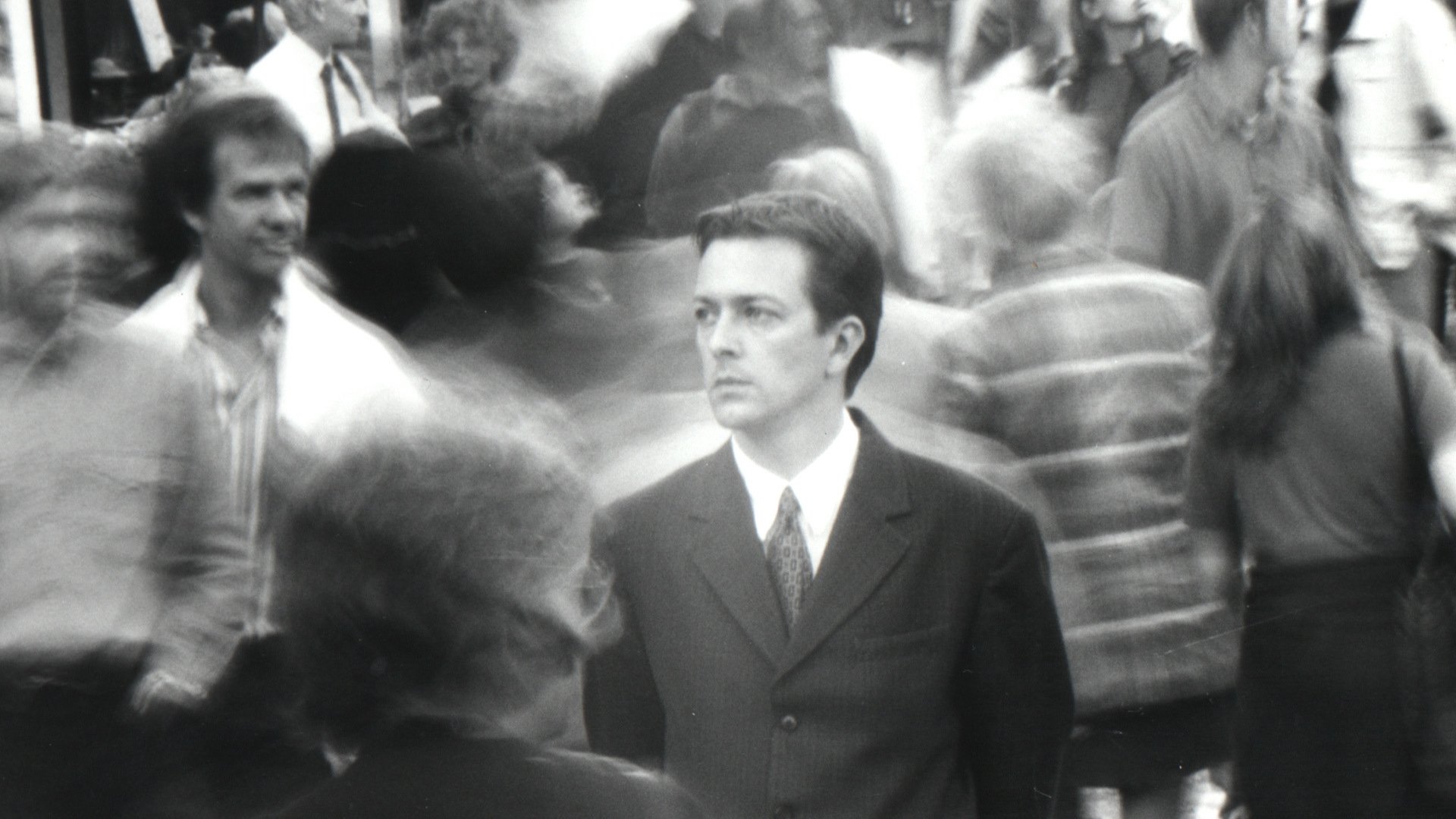
Following matters because it is not merely a rough early feature, it is a compact prototype for so many Nolan instincts that would later scale up. Even here, before the budgets and spectacle, he is interested in surveillance, identity drift, class aspiration, and characters who mistake observation for control.
Looking as Contamination
The film understands something Hitchcockian very quickly: looking is never neutral. The protagonist thinks following strangers will make life feel fuller, but the act of watching pulls him into a system of manipulation he is too inexperienced to recognize until it has already rewritten him.
Noir by Way of Self-Invention
What makes Following more than a clever shoestring puzzle is that burglary becomes a theory of identity. Clothes, apartments, and habits can all be borrowed, which means the movie is already asking one of Nolan’s favorite questions: what part of the self is stable once performance takes over?
Why the Debut Still Counts
The pleasure is not polish. It is seeing how much of the later filmmaker is already present in miniature, the fractured chronology, the unstable narrator, the fascination with systems that trap people while making them feel briefly empowered.
Following
1998 • Christopher Nolan
Obsession can be a dangerous substitute for a life.
Movies to pair with this read
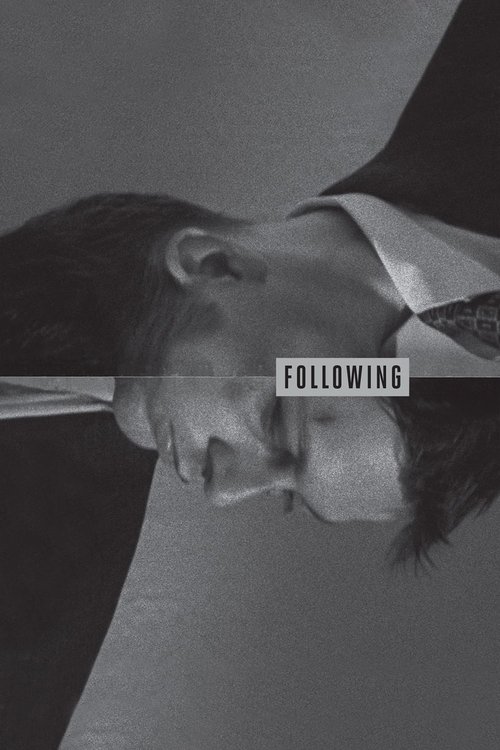

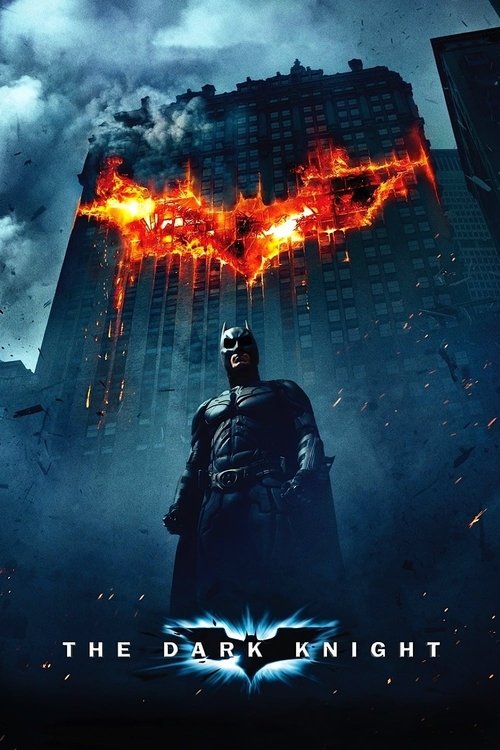


Cathedral Scale
Big-screen movies built around scale, countdown pressure, and the feeling that spectacle only matters because consequence rides inside it.
Identity Traps
Doubles, false selves, role-play, and movies where the biggest danger is the story a person keeps telling about who they are.

Memento and the Horror of Becoming Your Own False Narrator
Christopher Nolan’s breakthrough thriller hits hardest when you stop treating it like a twist machine and start reading it as a movie about self-authored reality.
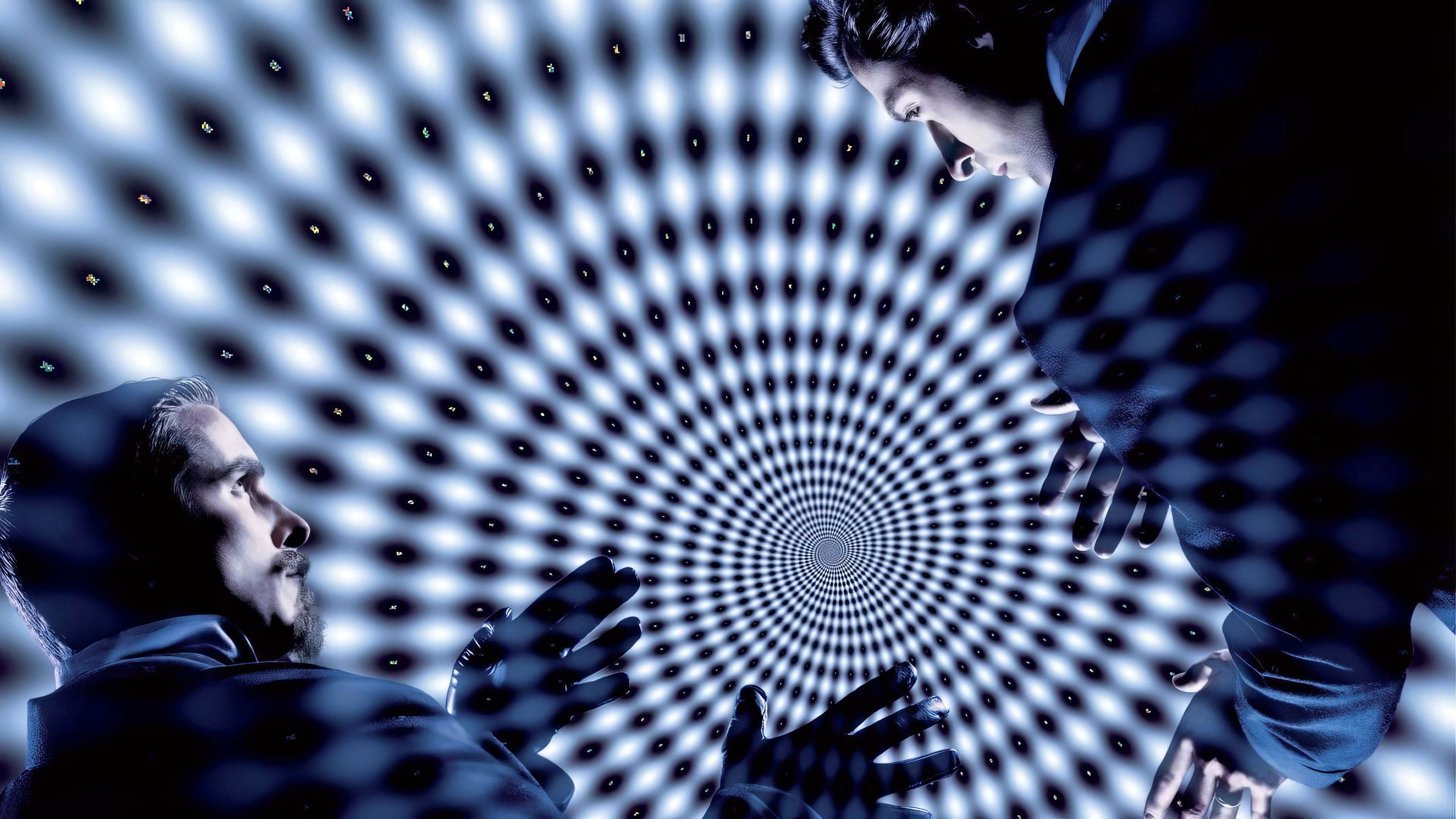
The Prestige and the Cost of Building a Life Around Winning
Christopher Nolan’s magic-rivalry thriller lands hardest when you stop treating it like a twist machine and start reading it as obsession cinema.
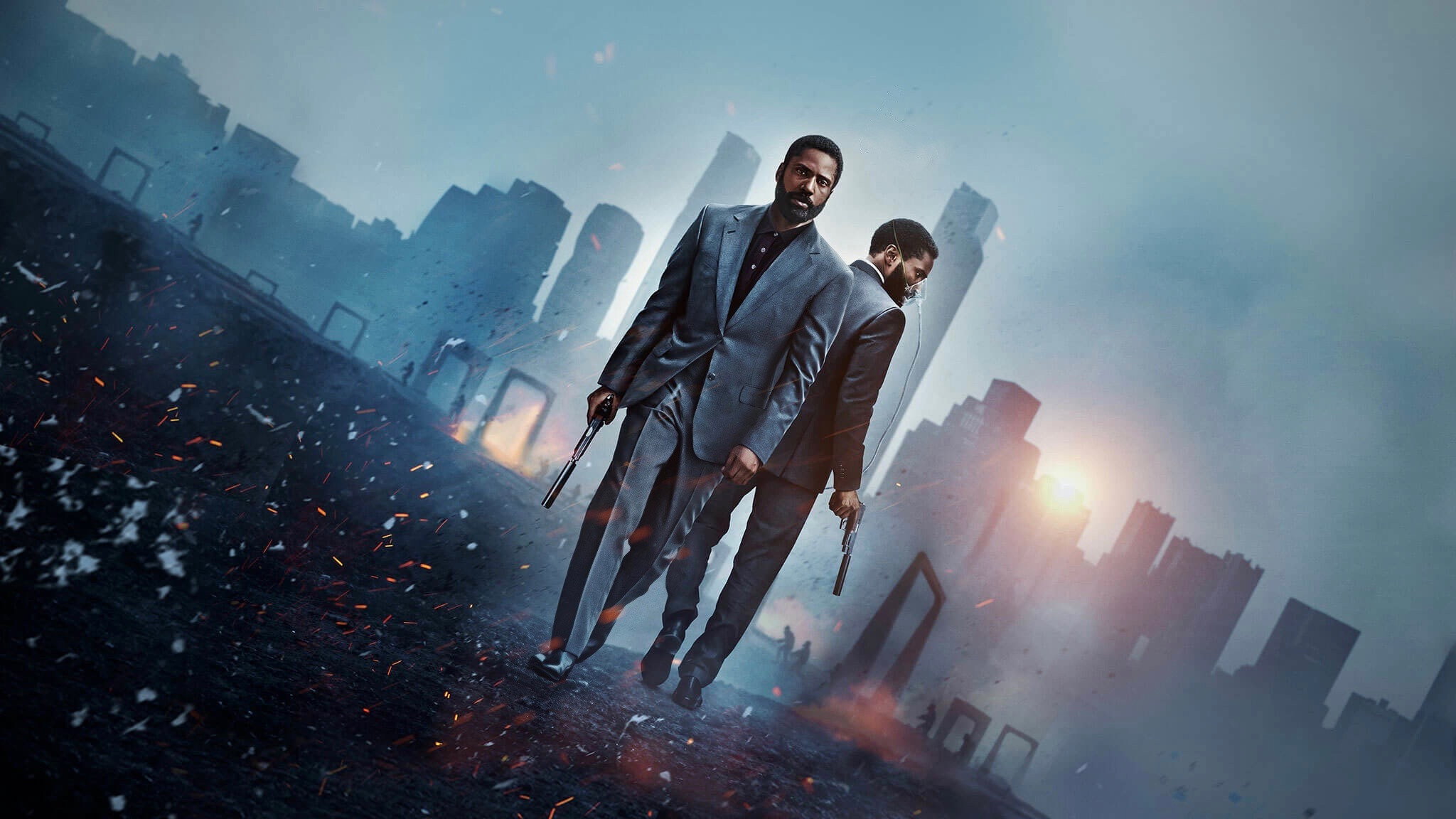
Tenet and the Thrill of a Blockbuster That Refuses to Simplify Its Hostile World
Tenet divides audiences for good reason, but its appeal is inseparable from the feeling that Nolan built a movie where time itself behaves like an antagonist.

Dunkirk and the Power of Treating Survival as Pure Duration
Dunkirk strips war-movie psychology down to time, space, and immediate peril, then finds feeling inside the compression.