
The Prestige and the Cost of Building a Life Around Winning
Christopher Nolan’s magic-rivalry thriller lands hardest when you stop treating it like a twist machine and start reading it as obsession cinema.

The Prestige is one of Nolan's purest movies because every formal choice serves the same conclusion: obsession does not sharpen these men, it hollows them out.
The Trick Is the Character Study
The structure gets most of the praise, deservedly, but what makes the movie sting is that each reveal is also a moral revelation. The more the film explains, the worse these lives look.
Rivalry as Self-Erasure
Borden and Angier are not just trying to beat each other. They are gradually reorganizing their whole identities around competition, secrecy, sacrifice, and performance until ordinary intimacy becomes impossible.
Why the Ending Feels Tragic Instead of Clever
The Prestige does not end with a magician's flourish. It ends with the realization that mastery, in this world, means consenting to mutilation, duplication, and loss on a scale no applause can justify.
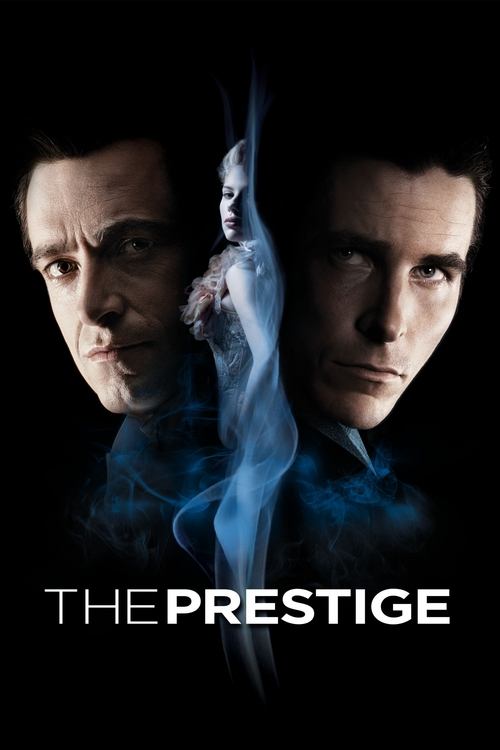
The Prestige
2006 • Christopher Nolan
Are you watching closely?
Movies to pair with this read


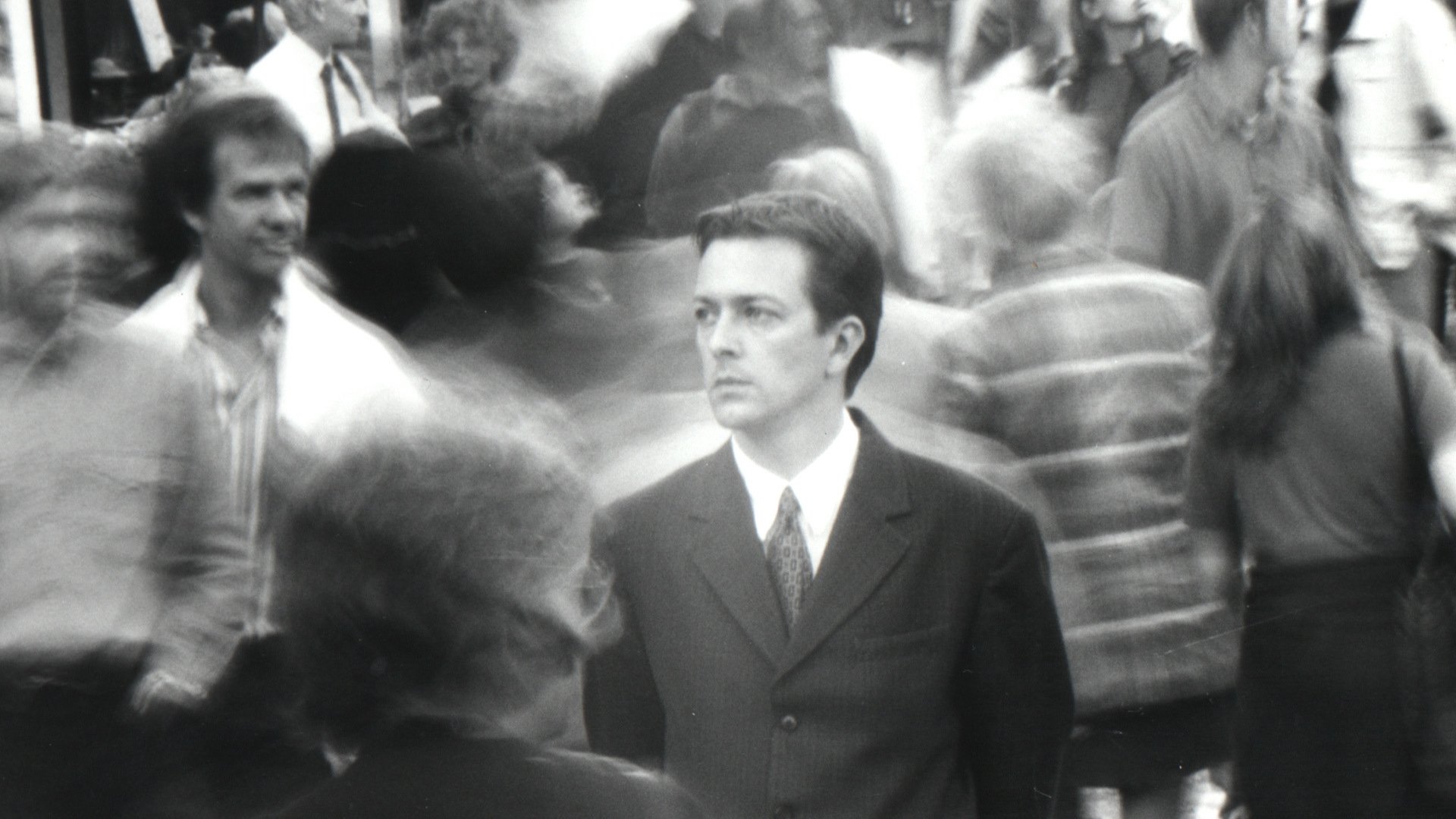
Following and the First Draft of Nolan as a Surveillance Storyteller
Christopher Nolan’s debut is tiny in scale but already obsessed with looking, self-invention, and how easily curiosity turns into entrapment.

Memento and the Horror of Becoming Your Own False Narrator
Christopher Nolan’s breakthrough thriller hits hardest when you stop treating it like a twist machine and start reading it as a movie about self-authored reality.
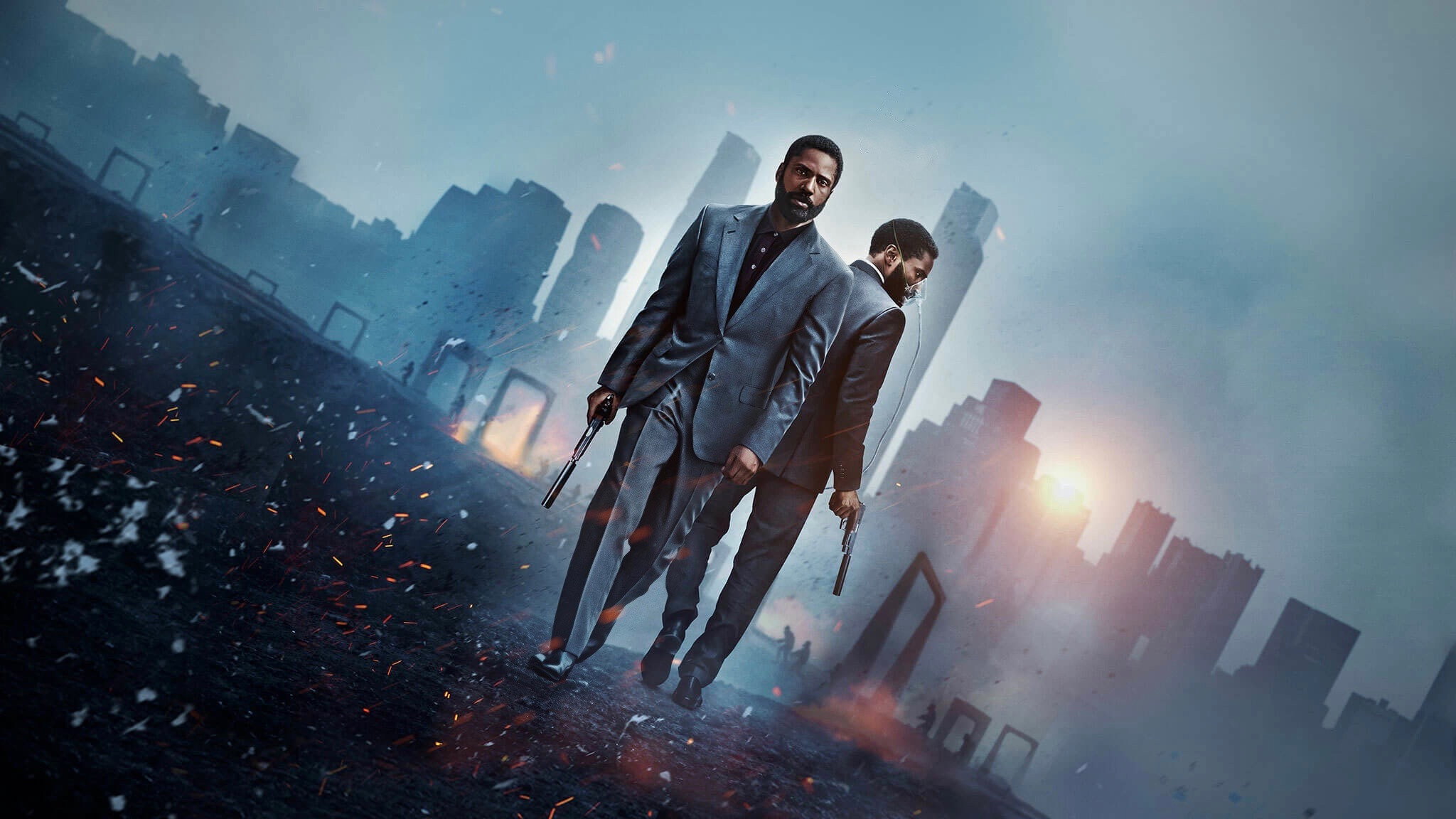
Tenet and the Thrill of a Blockbuster That Refuses to Simplify Its Hostile World
Tenet divides audiences for good reason, but its appeal is inseparable from the feeling that Nolan built a movie where time itself behaves like an antagonist.

Dunkirk and the Power of Treating Survival as Pure Duration
Dunkirk strips war-movie psychology down to time, space, and immediate peril, then finds feeling inside the compression.