
Vertigo and the Tragedy of Loving an Image More Than a Person
Hitchcock’s masterpiece grows more unsettling when you stop treating it as a mystery and start seeing it as a movie about desire trying to rewrite reality.
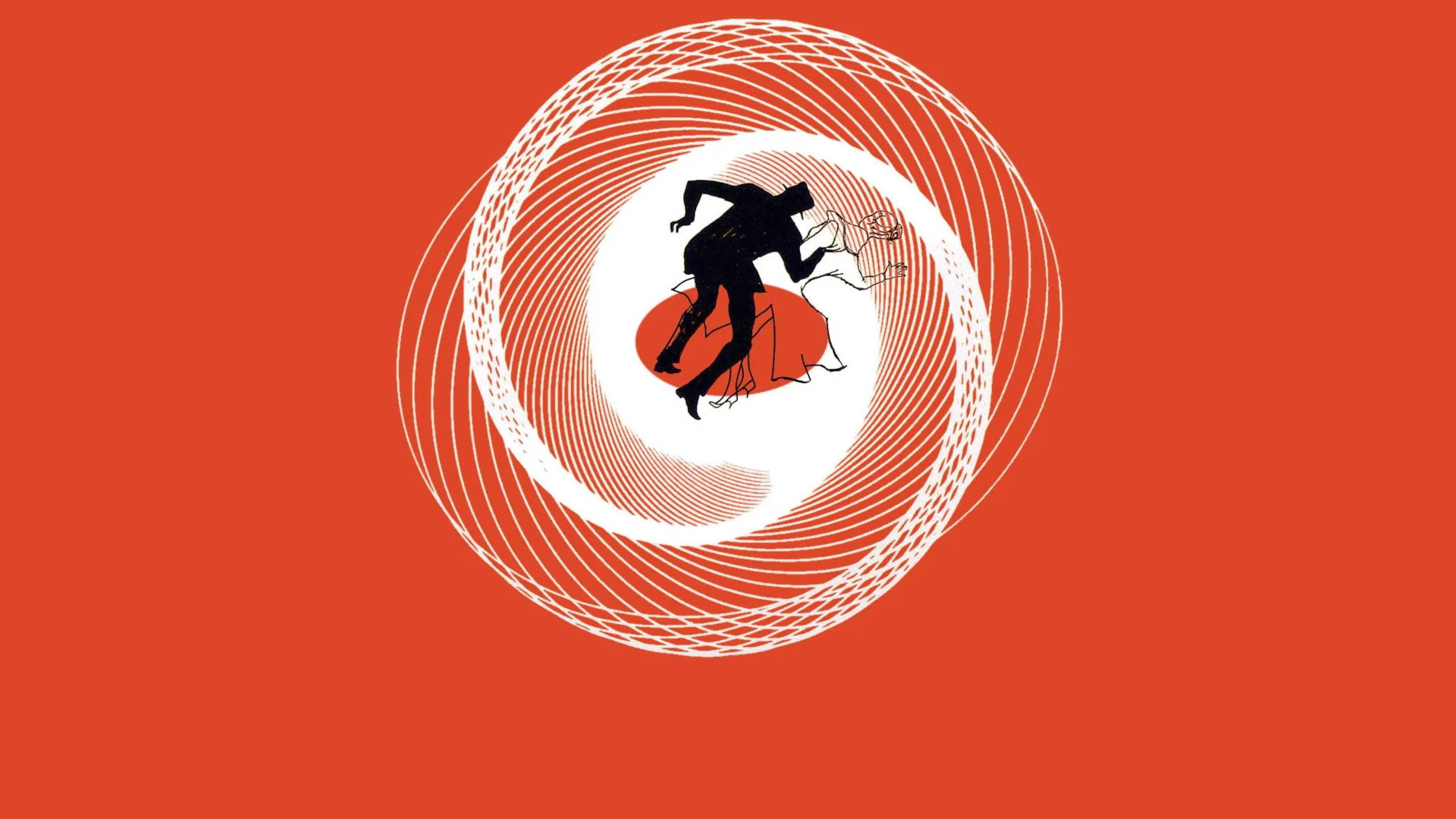
Vertigo is one of those canonical films that somehow keeps getting stranger. What begins as mystery gradually reveals itself as a study in obsession, projection, and emotional control, until the real subject is no longer the plot but the damage done by trying to turn another person into a recovered fantasy.
From Suspense to Fixation
One reason Vertigo feels so singular is that Hitchcock allows the mystery engine to give way to something sadder and more revealing. Once Scottie begins remaking Judy, the movie stops being about solving a puzzle and becomes a tragedy about authorship, possession, and the violence hidden inside idealization.
Style as Psychological Weather
The color design, the dream imagery, the camera instability, none of it feels ornamental. Hitchcock uses style to make desire itself feel unstable and contaminated. The movie looks beautiful because beauty is part of the trap. Every romantic high point carries the dread of someone disappearing inside an image.
Why It Keeps Deepening
Vertigo lasts because it refuses to become a respectable museum object. It is too disturbed for that. Each revisit makes its tenderness feel more painful and its control dynamics more visible, which is why the film stays alive instead of merely enshrined.
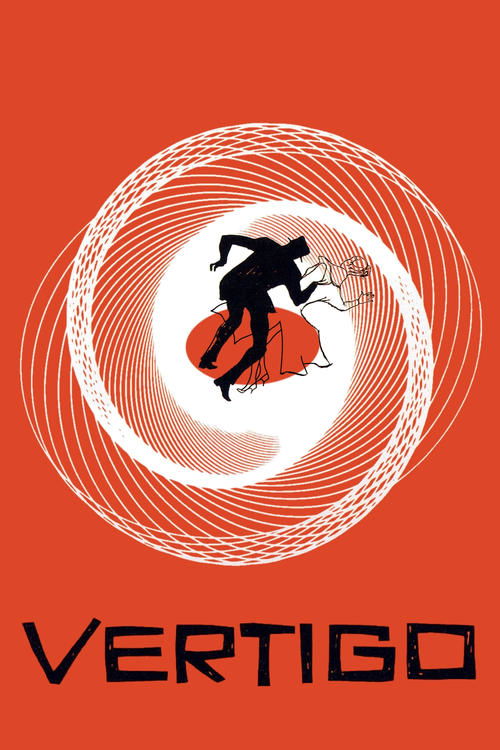
Vertigo
1958 • Alfred Hitchcock
Alfred Hitchcock engulfs you in a whirlpool of terror and tension.
Movies to pair with this read


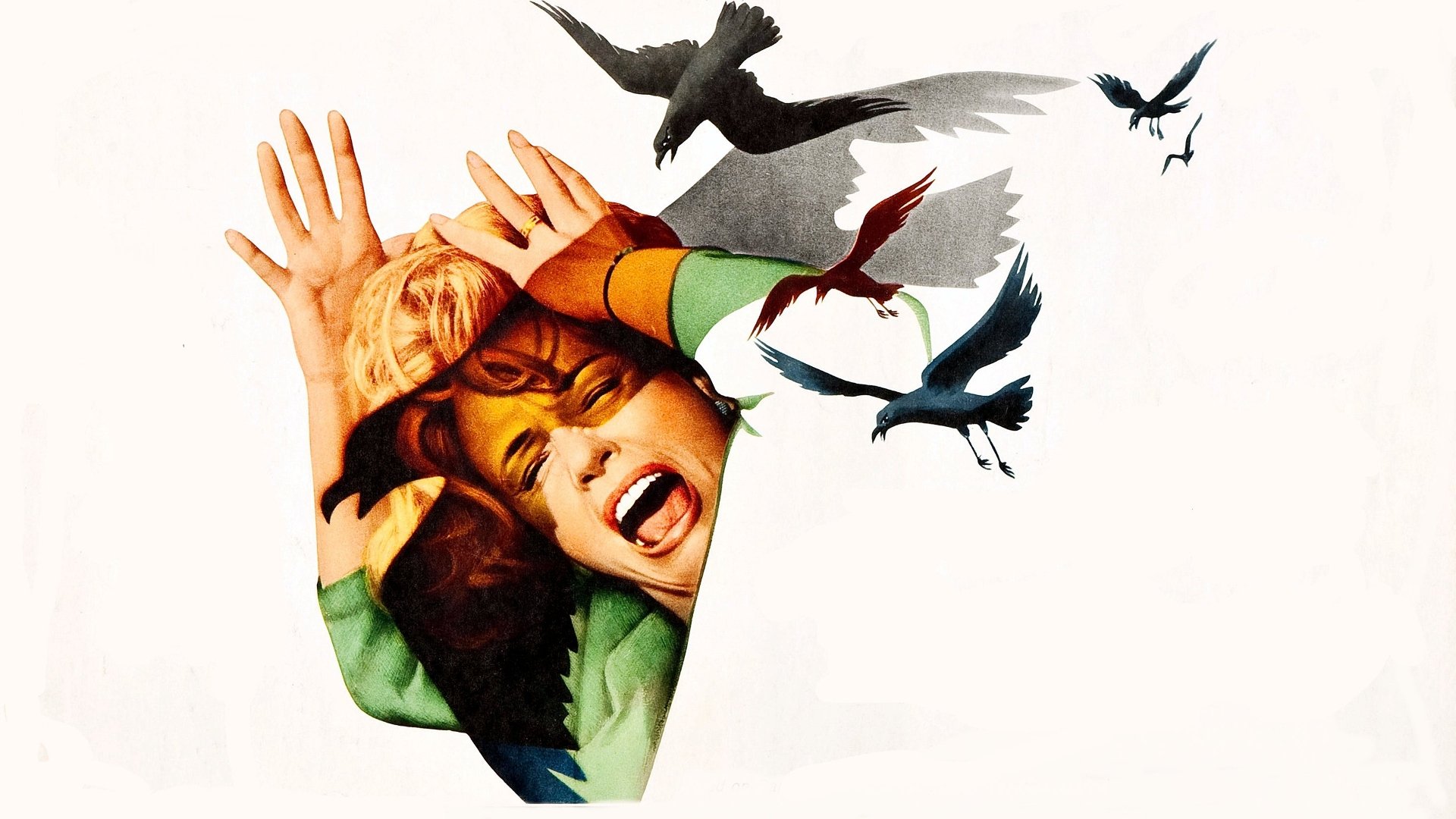
The Birds and the Horror of a World That Stops Explaining Itself
The Birds remains uncanny because Hitchcock refuses to turn catastrophe into a puzzle with a satisfying answer.
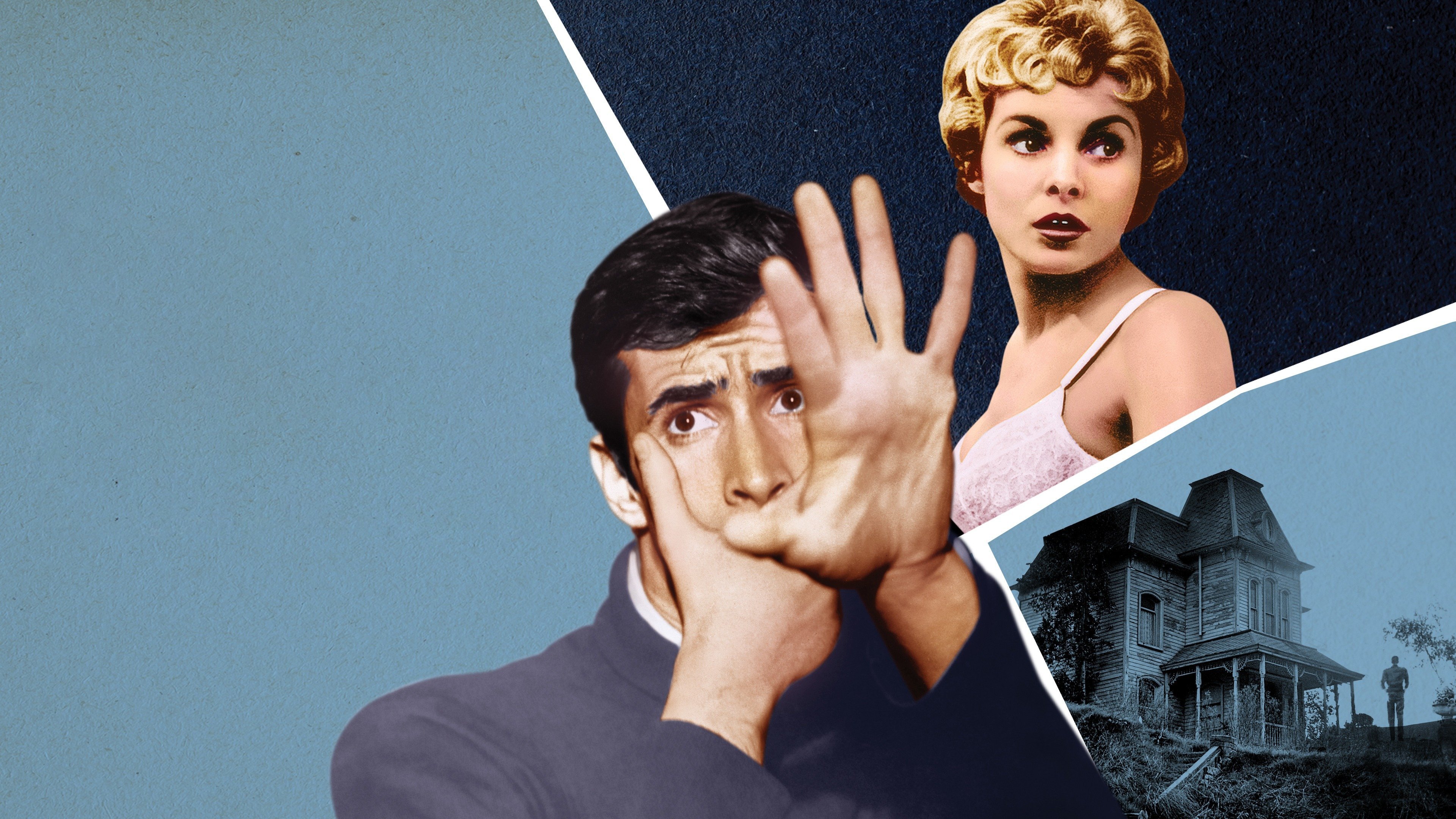
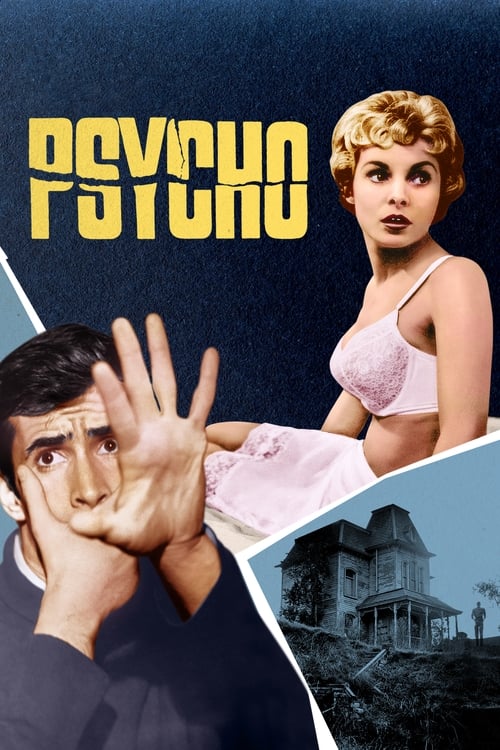
Psycho and the Terrifying Precision of Making the Audience Lose Its Footing
Psycho still cuts so deep because Hitchcock keeps changing the rules of the movie while making every new rule feel inevitable after the fact.
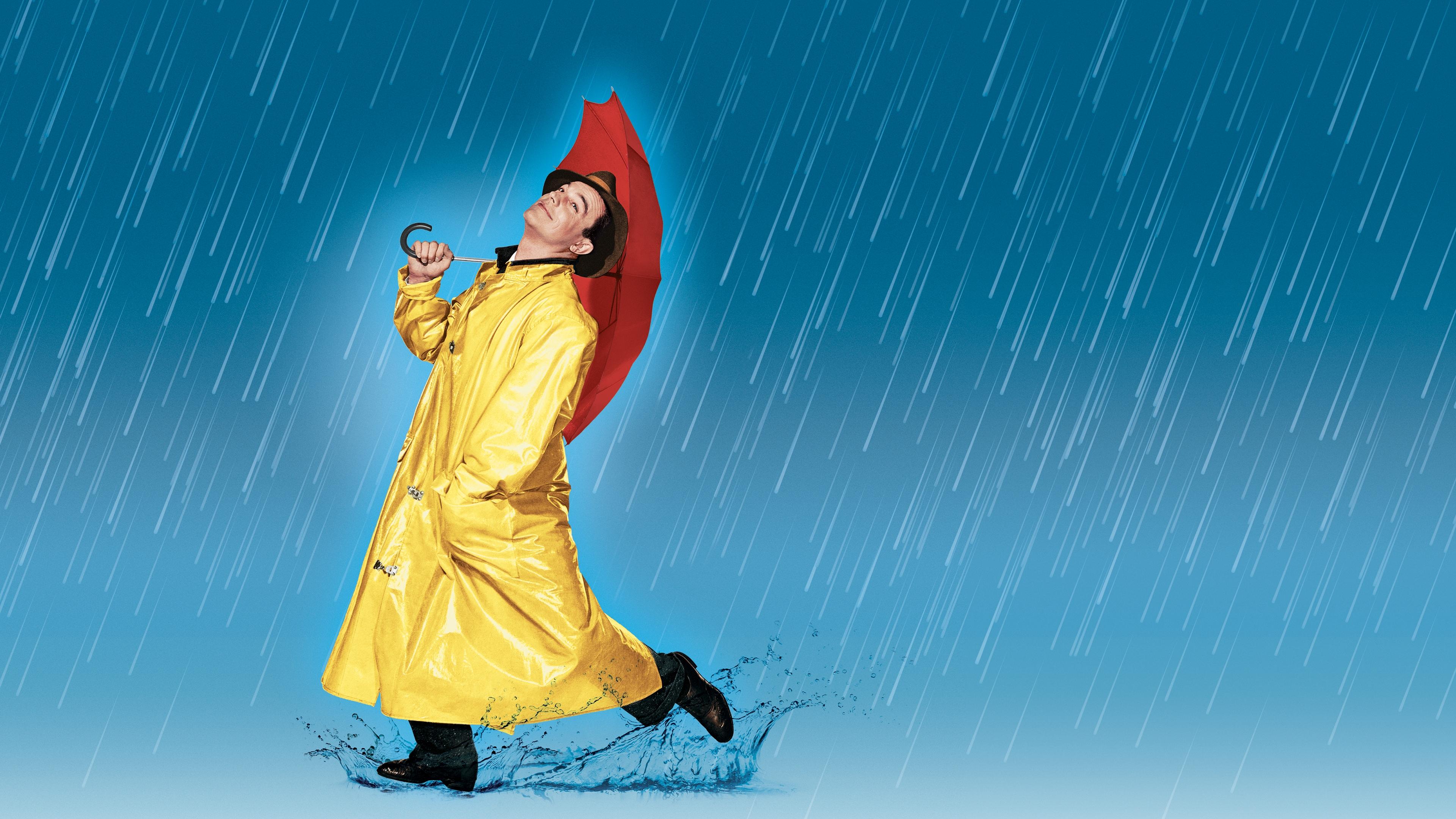
North by Northwest and the Pleasure of Pure Cinematic Momentum
North by Northwest still feels fresh because Hitchcock treats mistaken identity as an excuse to build one of the great motion machines in studio-era cinema.
Rear Window and the Suspense of Watching Too Closely
Rear Window turns voyeurism into suspense because Hitchcock understands that looking is never passive once desire, guilt, and curiosity start mixing together.