
Vertigo
Find the movies with rewatch gravity, live dossiers, and unfinished cases worth deepening.
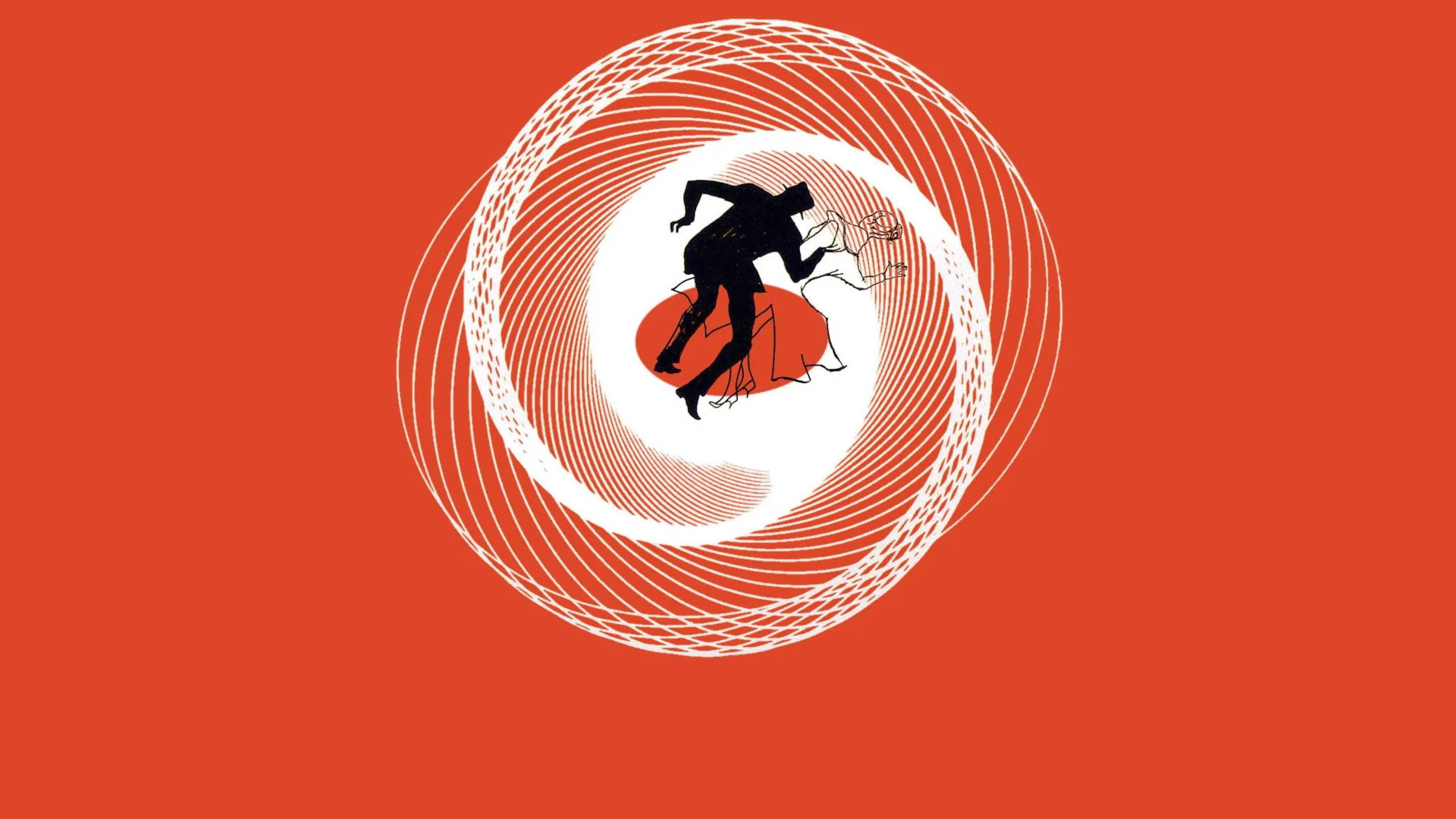
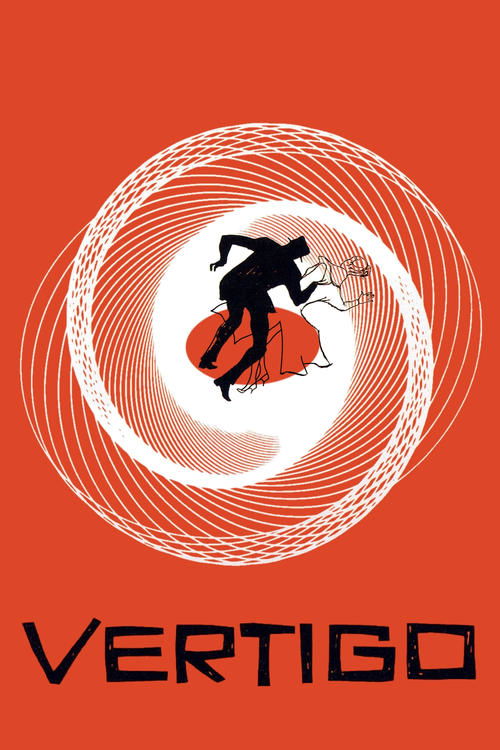
Movie dossier
Vertigo
A romantic obsession spiral where Hitchcock turns image-making, desire, and control into one of cinema’s most haunted masterpieces.
Latest video signal
Trailer slot ready
A widescreen slot for the newest official trailer, interview, or scene signal when the page has a playable source.
Why it matters
Vertigo matters because it is Hitchcock at his most nakedly obsessive, a movie where mystery gives way to fixation and every gesture of love starts looking like an act of authorship. It remains one of the clearest examples of a canonical classic that actually gets stranger, sadder, and more unnerving with age.
Craft read
Mystery dissolving into obsession, then rebuilding itself as tragic compulsion
Dream logic, color design, camera instability, and romantic unreality fused into one spell
A defining masterpiece of psychological cinema, spectatorship, and impossible desire
Themes
Cast and context
Coverage status
A fully shaped Cinema One case: the movie has enough authored context, pathway links, and argument to feel like more than a catalog entry.
Production notes
- • The dolly zoom effect is famous, but the deeper formal achievement is how the whole movie feels unsteady long before that technique appears.
- • Kim Novak and James Stewart give the film its ache because the relationship is always split between tenderness, fantasy, and manipulation.
- • An essential page for Cinema One’s Hitchcock, obsession-cinema, and movies-about-image-making lanes.
Watch-next pathway
What should you do after Vertigo?
Three intentional continuations: stay with the filmmaker, chase the dominant pressure signal, or jump into the shelf or argument that best explains why this movie belongs here.
Psycho
The cleanest next move if Alfred Hitchcock's control, obsessions, or rhythm are what hooked you here.
More obsession
Use the taste map to find movies, arguments, and shelves that share this page's strongest signal.
Master of Suspense
Voyeurism, pursuit, wit, and movies that make point of view feel dangerous.
Movie-page argument
Defend Vertigo.
If this movie has a scene, performance, ending, or idea people underrate, make the case. The best defenses can become future Cinema One argument material.
Scene challenge
Pick the scene that proves it.
Cinema One is built around scenes that unlock the movie. Tell us which moment carries the pressure, style, argument, or rewatch charge.
Signature scene: Judy emerges remade from the bathroom light
Vertigo becomes almost unbearably sad when Scottie finally gets Judy to reappear in Madeleine’s image. Hitchcock stages the transformation as romantic fulfillment on the surface, then lets the green light and Stewart’s expression reveal the truth underneath, that desire here means erasing the person in front of you so the fantasy can return.
Line worth carrying forward
"Only one is a wanderer. Two together are always going somewhere." The line lands because Vertigo keeps testing whether intimacy is discovery or direction, accompaniment or control. In retrospect, it sounds less like romance than a warning about one person deciding the shape of another person’s movement.
Why the ending feels final and unresolved at once
The ending devastates because Hitchcock withholds any emotional landing that could excuse the obsession we have just watched. Scottie survives the revelation but not in any meaningful sense of restoration. Vertigo closes on exposure, repetition, and emptiness, which is why the last image feels less like catharsis than a permanent wound.
Steelman the debate
A common pushback is that Vertigo asks viewers to invest in a male obsession so controlling and pathological that the movie risks reproducing the very gaze it means to expose. The strongest answer is that the risk is the design. Hitchcock does not sanitize Scottie’s fixation, he traps the audience inside its beauty and sickness at the same time, which is what makes the film so unsettlingly honest.
More from this director
Related picks
Read next
Hitchcock’s masterpiece grows more unsettling when you stop treating it as a mystery and start seeing it as a movie about desire trying to rewrite reality.
North by Northwest still feels fresh because Hitchcock treats mistaken identity as an excuse to build one of the great motion machines in studio-era cinema.
The Birds remains uncanny because Hitchcock refuses to turn catastrophe into a puzzle with a satisfying answer.