Blade
Find the movies with rewatch gravity, live dossiers, and unfinished cases worth deepening.
Movie dossier
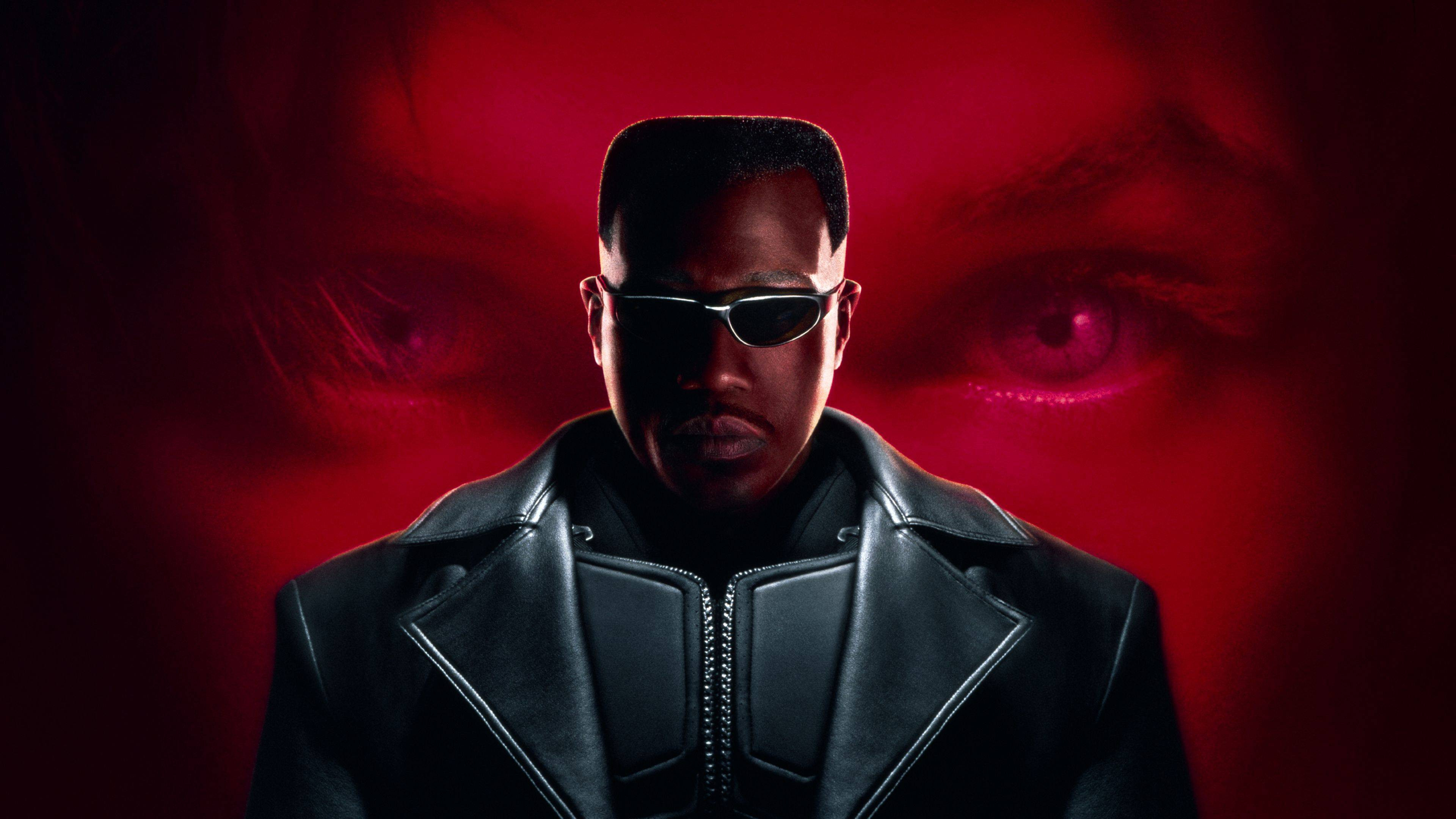
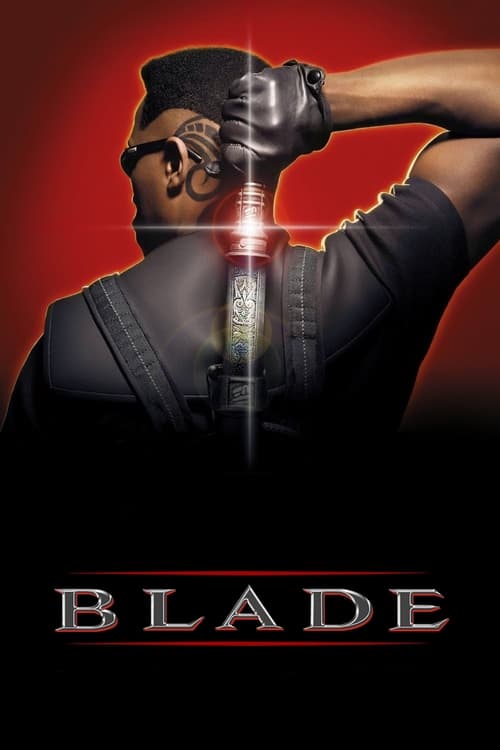
Blade
The comic-book movie that arrived hard, fast, and fully willing to look like midnight genre cinema instead of mass-market homework.
Latest video signal
Trailer slot ready
A widescreen slot for the newest official trailer, interview, or scene signal when the page has a playable source.
Why it matters
Blade matters because it helped prove the superhero adaptation could function as an actual movie object with attitude, velocity, and its own tonal law. Long before franchise polish became standard, it showed that comic-book material could win by being stylish, mean, and specific.
Craft read
Vampire-hunt action built on forward motion and nightclub-to-sewer underworld energy
Wesley Snipes gives the movie physical authority and instant icon status
A major bridge between 90s genre filmmaking and the modern superhero era
Themes
Cast and context
vampire • half vampire • superhero • marvel • daywalker • vampire hunter
Coverage status
A strong case file with real editorial shape: enough craft, context, and connection to guide a serious watch.
Production notes
- • The opening blood-rave sequence does a huge amount of worldbuilding in almost no time.
- • Snipes is the movie’s spine because his confidence keeps the pulp from turning flimsy.
- • An important Cinema One page because the film belongs in any honest origin story of modern comic-book cinema.
Watch-next pathway
What should you do after Blade?
Three intentional continuations: stay with the filmmaker, chase the dominant pressure signal, or jump into the shelf or argument that best explains why this movie belongs here.
More hybridity
Use the taste map to find movies, arguments, and shelves that share this page's strongest signal.
A useful reset whenever superhero history gets told as if the form only became legible once it got cleaner and safer.
Strong for superhero-origin stories, vampire-action lanes, and arguments that tonal specificity is often what gives adaptation its force.
Movie-page argument
Defend Blade.
If this movie has a scene, performance, ending, or idea people underrate, make the case. The best defenses can become future Cinema One argument material.
Scene challenge
Pick the scene that proves it.
Cinema One is built around scenes that unlock the movie. Tell us which moment carries the pressure, style, argument, or rewatch charge.
Signature scene: the blood-rave opener announces the whole movie’s terms
Blade’s opening is one of the great genre cold starts of its era. The blood sprinkler, the industrial beat, and Snipes slicing through the panic tell you immediately that the movie will not apologize for its pulp, it will weaponize it.
Line worth carrying forward
"Some motherfuckers are always trying to ice-skate uphill." The line endures because it condenses Blade’s entire posture into one sneer, contemptuous, amused, and absolutely certain of his own velocity.
Why the ending feels like coronation more than closure
Blade ends by confirming the movie already knows exactly what its hero is. The pleasure is not in discovering depth through a final twist; it is in watching the film’s style, mythology, and star presence lock together hard enough to create a franchise-grade icon without sanding off the rough edges.
Steelman the debate
The common pushback is that Blade is more important than it is profound, a historically useful movie whose writing is too thin for canon-level praise. The best response is that its thinness is partly discipline. Norrington and Snipes keep the movie lean enough for tone, movement, and image to become the actual substance, which is why it remains such a live object instead of a dusty prototype.
Shows up in
Collection pathway still being shaped.
More from this director
Related picks
Read next
Blade matters because Stephen Norrington and Wesley Snipes proved a comic-book movie could be sleek, violent, and rhythmically confident without explaining itself to death.
How Stephen Norrington's vampire hunter film rescued Marvel from bankruptcy and helped open the door to the superhero boom.
The real reason to track Dune: Messiah early is that it could force blockbuster franchise culture to sit inside consequence instead of momentum.