Blade and the Industrial Turn Where Comic-Book Cinema Learned to Move Mean
Blade matters because Stephen Norrington and Wesley Snipes proved a comic-book movie could be sleek, violent, and rhythmically confident without explaining itself to death.
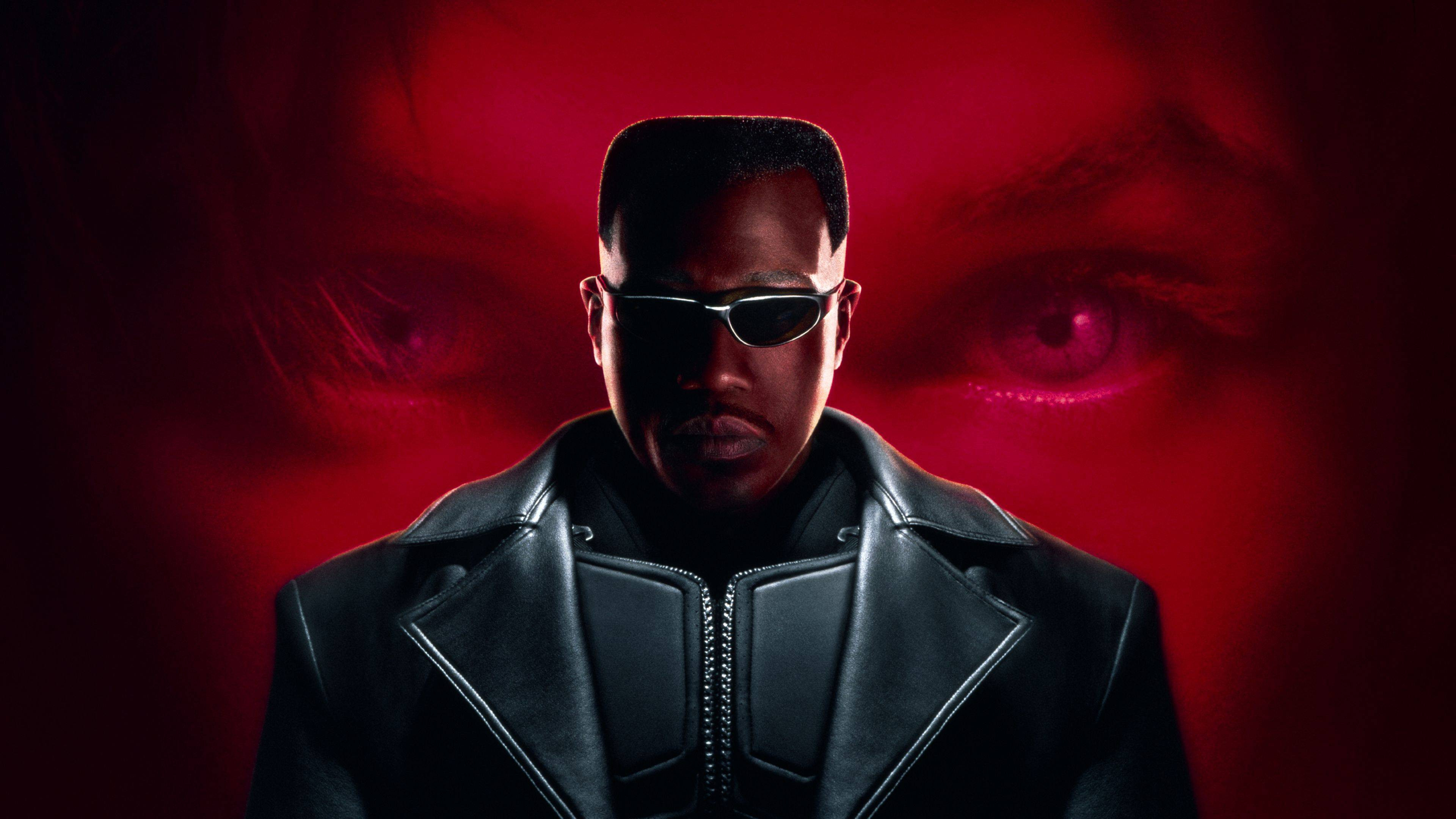
Blade feels more important the further superhero cinema drifts toward uniform polish. Norrington makes the movie fast, nasty, and cool in a way that still feels slightly disreputable, which is part of why it lands. It is not trying to reassure a four-quadrant audience. It is trying to hit.
Wesley Snipes Gives the Movie Authority
Snipes does not play Blade as a fan-service icon first. He gives the character physical certainty, contempt, and forward motion, which means the movie never has to spend energy convincing you he belongs in this world. He already rules it.
A Hybrid Before the Formula Locked In
What makes Blade so rewatchable is that it behaves like several genres at once. It is horror, martial-arts action, comic-book adaptation, vampire movie, and late-90s industrial-goth object all fused into a single propulsion system.
Why It Still Matters
Blade's historical importance is real, but the movie would not endure on importance alone. It lasts because the nightclub opener, the creature effects, the costuming, and the sheer confidence of its tone still deliver. It helped open the superhero door by refusing to look like a timid prototype.
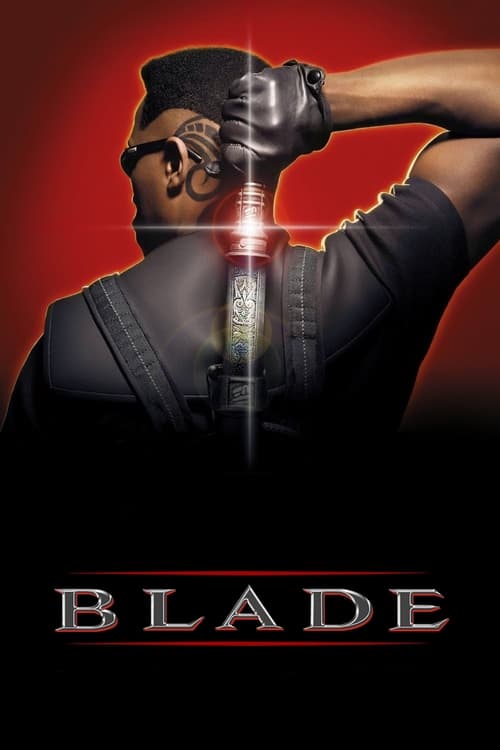
Blade
1998 • Stephen Norrington
The power of an immortal. The soul of a human. The heart of a hero.
Movies to pair with this read
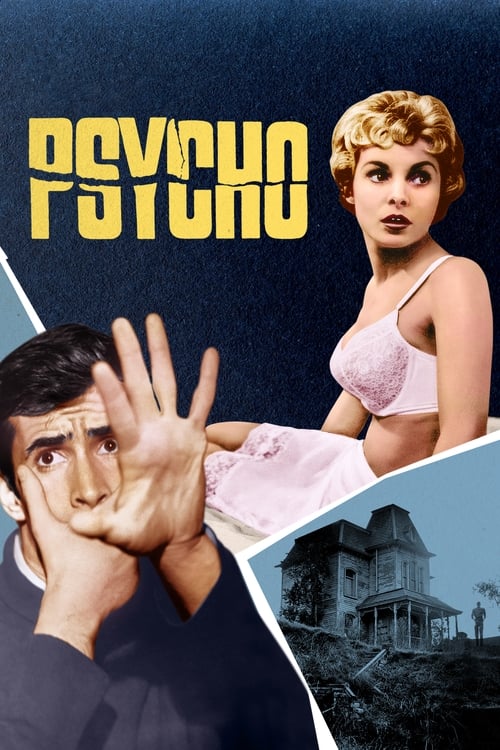


Blade: The Film That Saved Marvel Comics
How Stephen Norrington's vampire hunter film rescued Marvel from bankruptcy and helped open the door to the superhero boom.
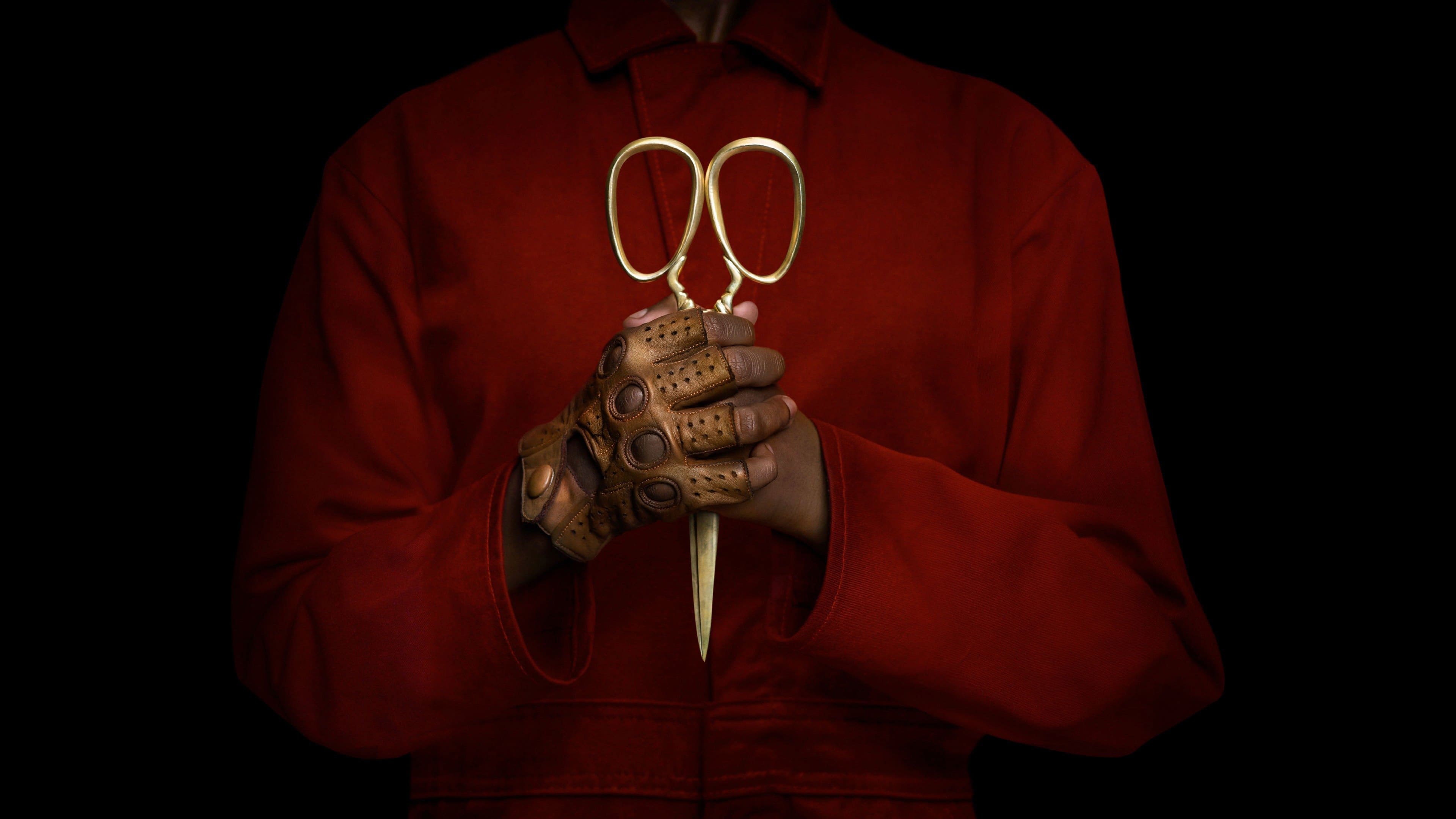
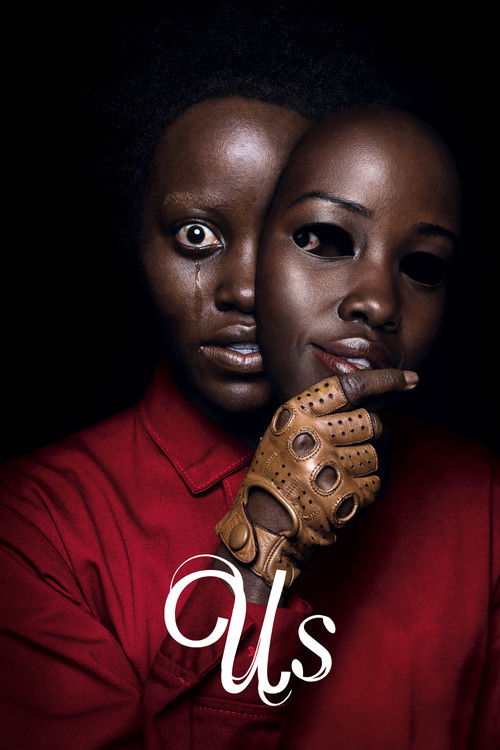
Us and the Terror of What America Needs to Keep Underground
Peele’s follow-up becomes more interesting the moment you stop asking it to behave like a puzzle and start watching it as a national ghost story.
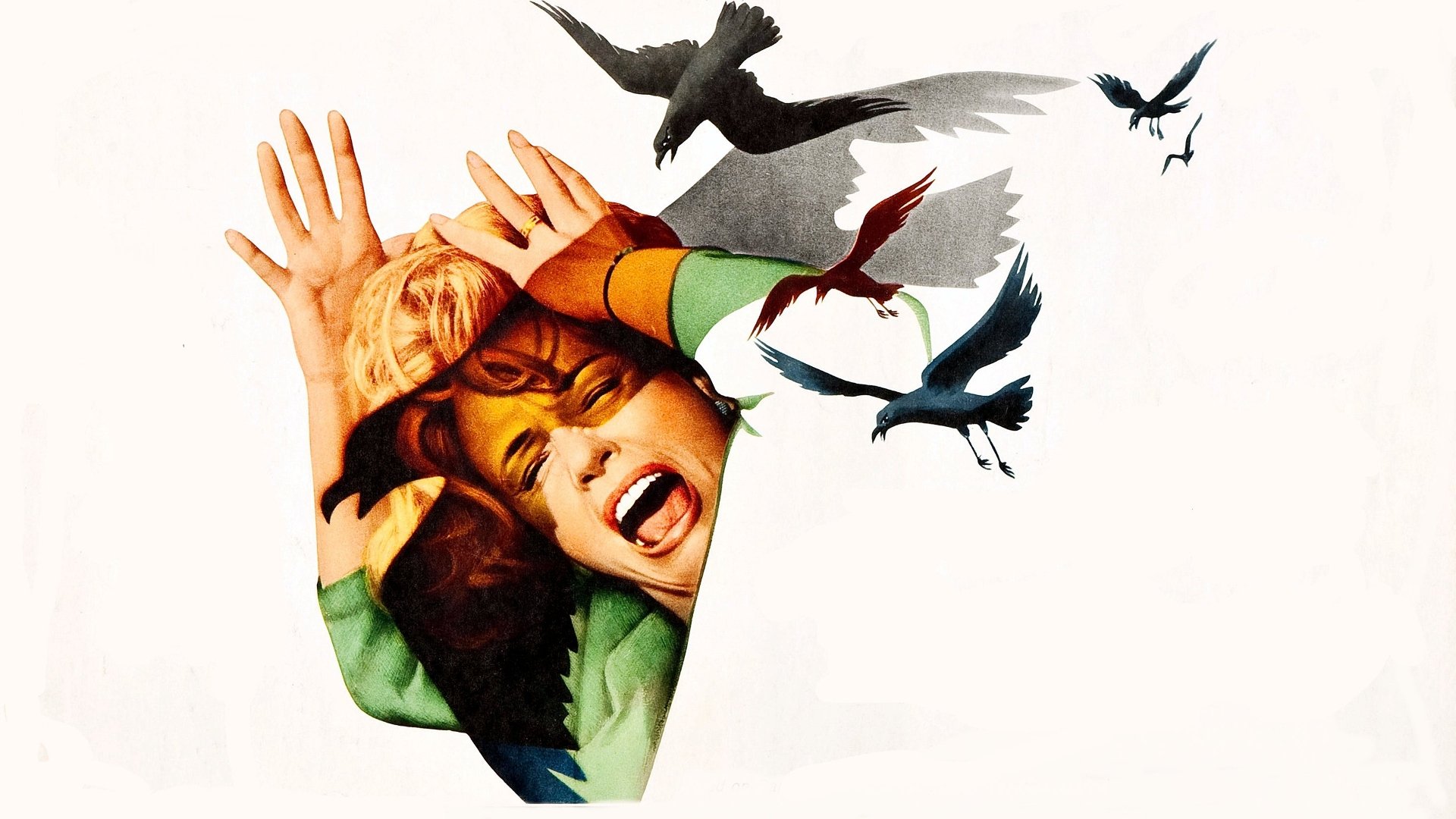
The Birds and the Horror of a World That Stops Explaining Itself
The Birds remains uncanny because Hitchcock refuses to turn catastrophe into a puzzle with a satisfying answer.
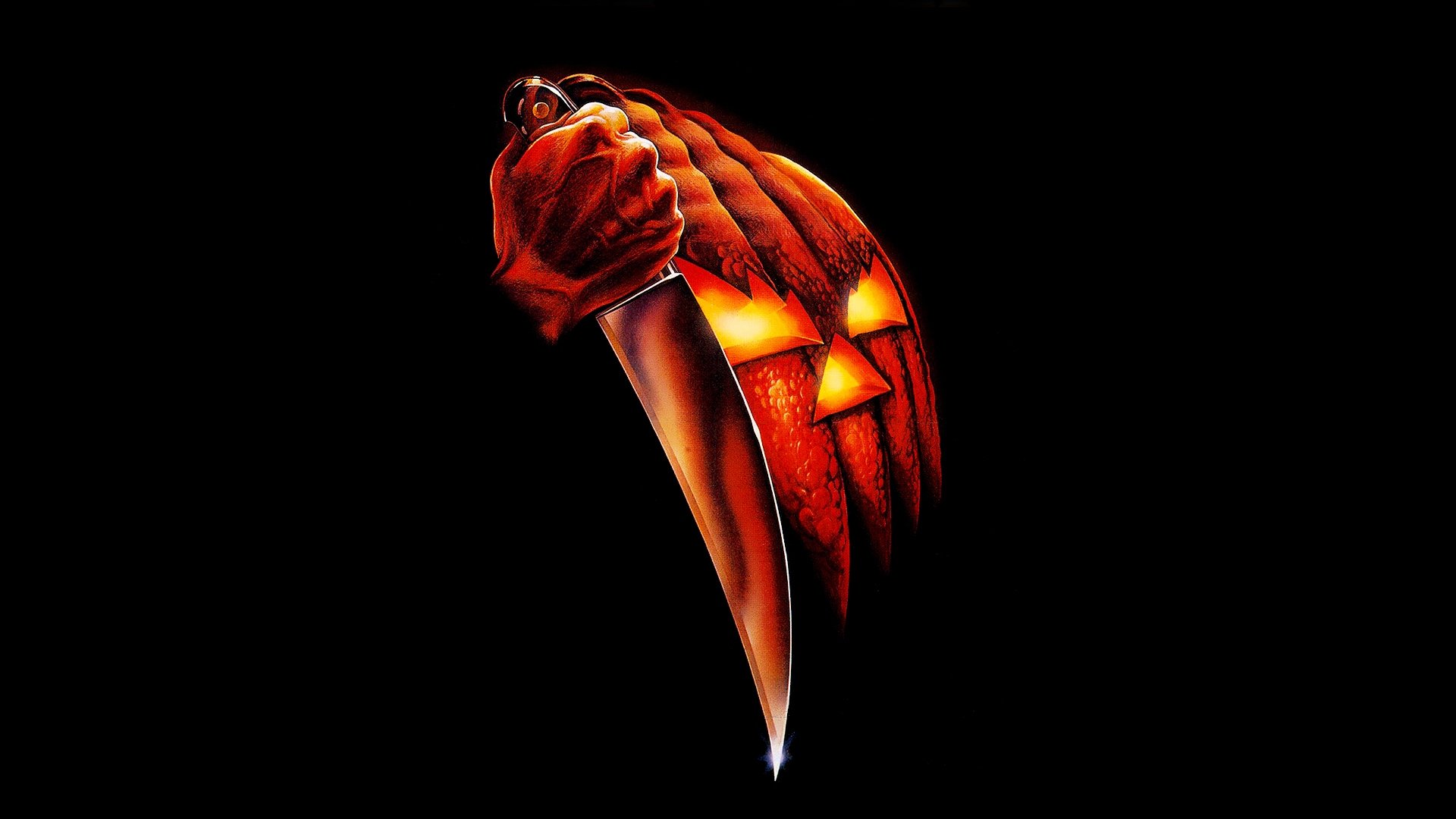
Halloween and the Power of Stripping Horror to Its Nerves
Halloween works because Carpenter removes almost everything nonessential and lets rhythm, space, and dread do the killing.