
Search
Find the right movie, director, article, or collection without falling into database sludge.
Find the strongest way into the room
Find the movie pressure, filmmaker system, shelf, or argument that fits the appetite.
Use the full search page when the question is bigger than a title: pressure rooms, control freaks, survival engines, record-collection movies, and the arguments that connect them.
Search pulse
Recommended route
A cleaner path through “memory” than a flat result list.
Start with the highest-signal entry, then move through authorship, mood, or argument depending on what the search surfaced.
First click
1The Virgin Suicides
Sofia Coppola · 1999 · Coming-of-Age Drama. Start with the strongest title match, then branch into linked reads and collection lanes.
Then trace the author
2Quentin Tarantino
Record-collection cinema where talk, violence, music, and movie memory become rhythm Use the filmmaker page to turn one match into a working system across Pulp Fiction and Kill Bill.
Then widen the mood
3Villeneuve Pressure Systems
Denis Villeneuve films where dread, scale, silence, and systems thinking turn genre premises into pressure chambers.
Refine this search pass
Movies
Movie matches

The Virgin Suicides
1999Sofia Coppola
Suburbia as a sealed room, memory as the unreliable narrator.
Next pressure pass: Add an editorial argument card so the page can make a sharper case.
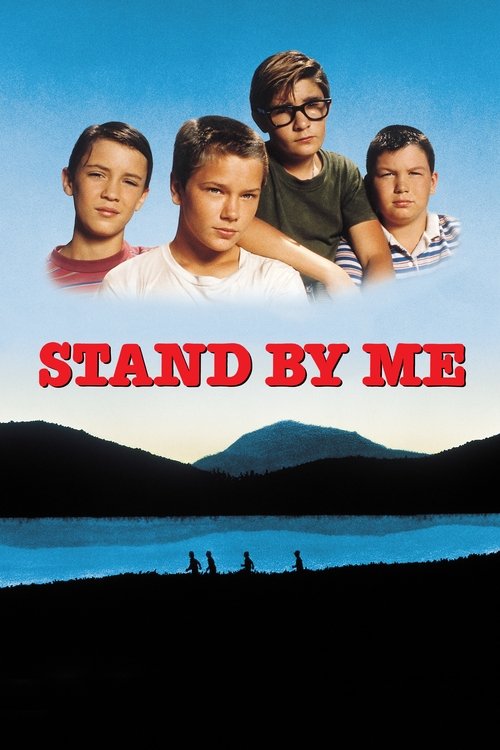
Stand by Me
1986Rob Reiner
A childhood walk that already knows what it lost.
Next pressure pass: Add an editorial argument card so the page can make a sharper case.

Blade Runner 2049
2017Denis Villeneuve
The key to the future is finally unearthed.
Next pressure pass: Add an editorial argument card so the page can make a sharper case.
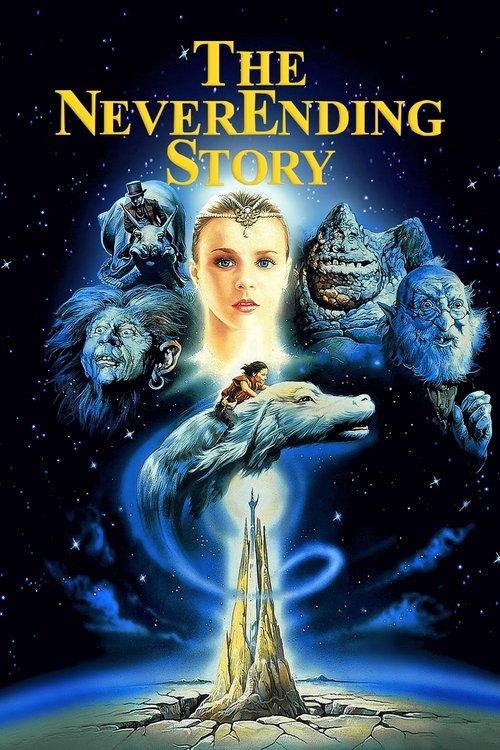
The NeverEnding Story
1984Wolfgang Petersen
A childhood fantasy where imagination is not escape; it is resistance.
Next pressure pass: Add an editorial argument card so the page can make a sharper case.
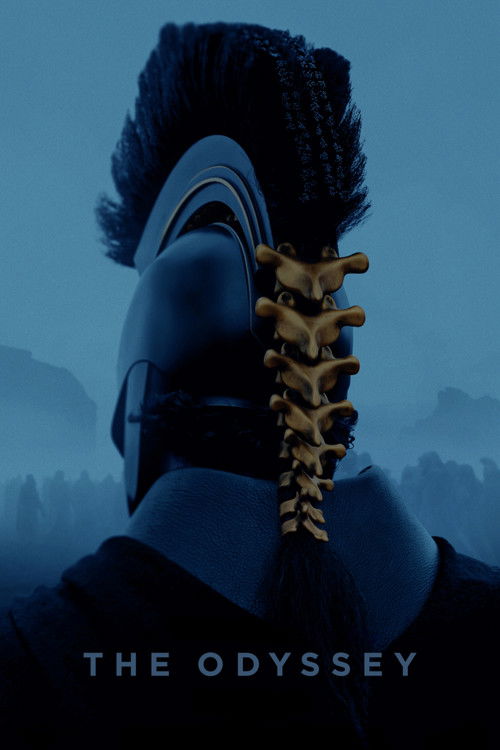
The Odyssey
2026Christopher Nolan
A long journey home becomes mythic trial by sea, gods, and memory.
Next pressure pass: Add the next dossier module, ideally signature scene.
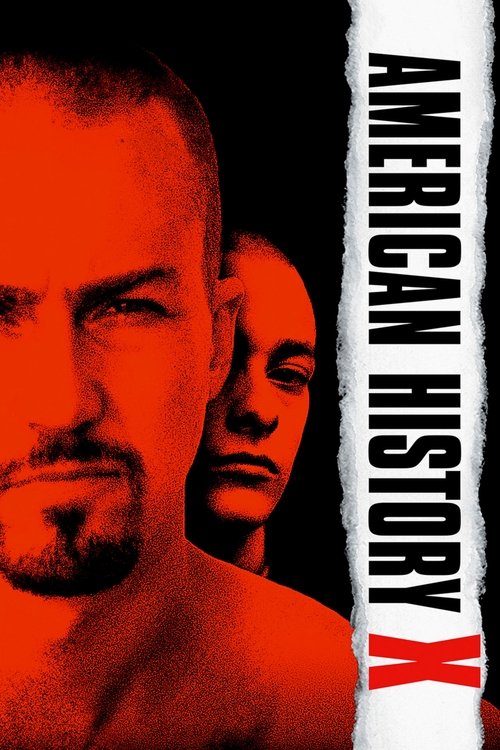
American History X
1998Tony Kaye
Some legacies must end.
Next pressure pass: This page is in strong shape. Add more authored context only if it serves a bigger lane.
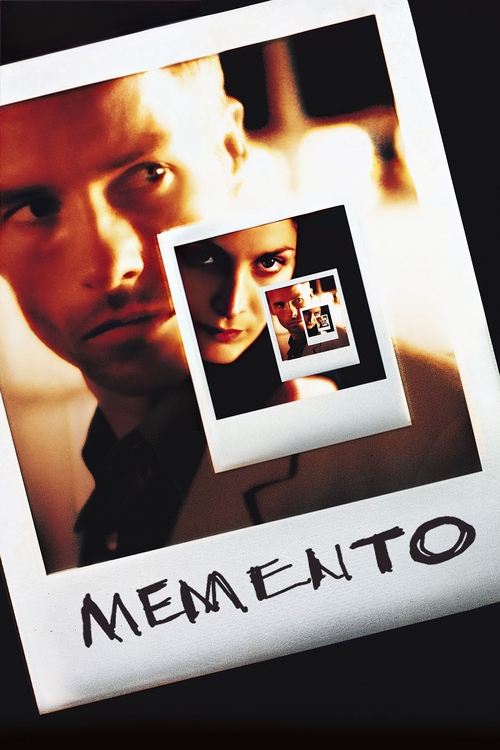
Memento
2000Christopher Nolan
Some memories are best forgotten.
Next pressure pass: This page is in strong shape. Add more authored context only if it serves a bigger lane.
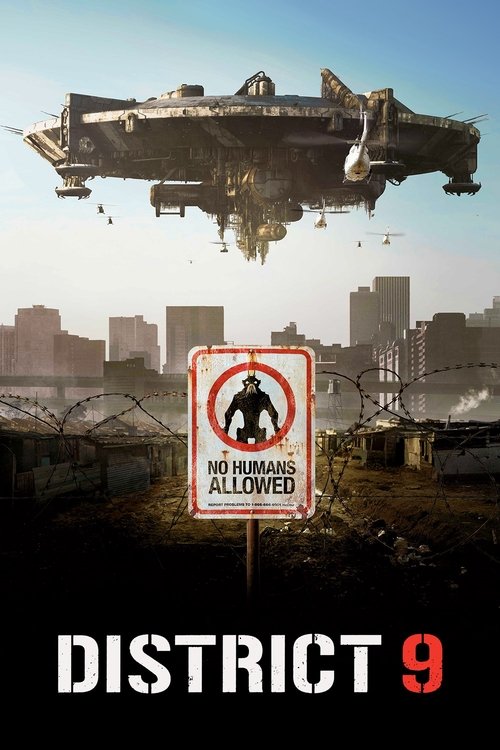
District 9
2009Neill Blomkamp
You are not welcome here.
Next pressure pass: Add an editorial argument card so the page can make a sharper case.
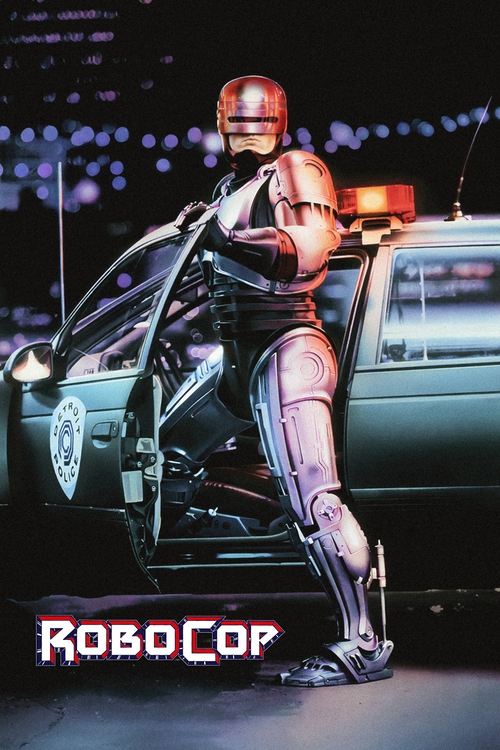
RoboCop
1987Paul Verhoeven
Part man. Part machine. All cop.
Next pressure pass: This page is in strong shape. Add more authored context only if it serves a bigger lane.
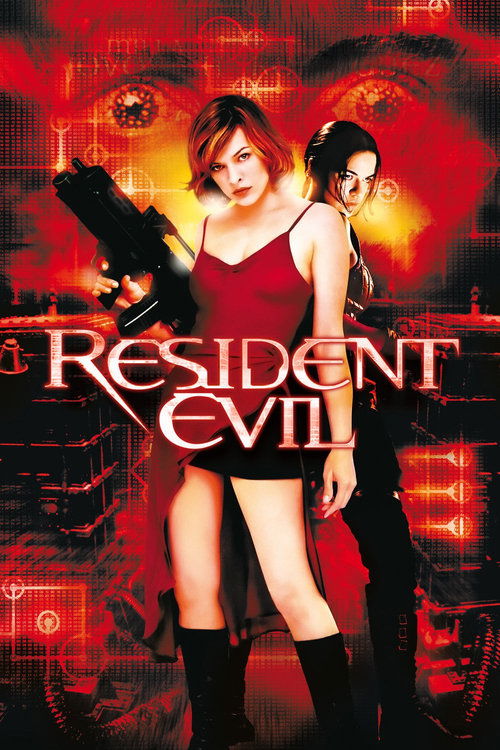
Resident Evil
2002Paul W. S. Anderson
A video-game nightmare turns corporate architecture into a kill box.
Next pressure pass: Add the next dossier module, ideally ending.
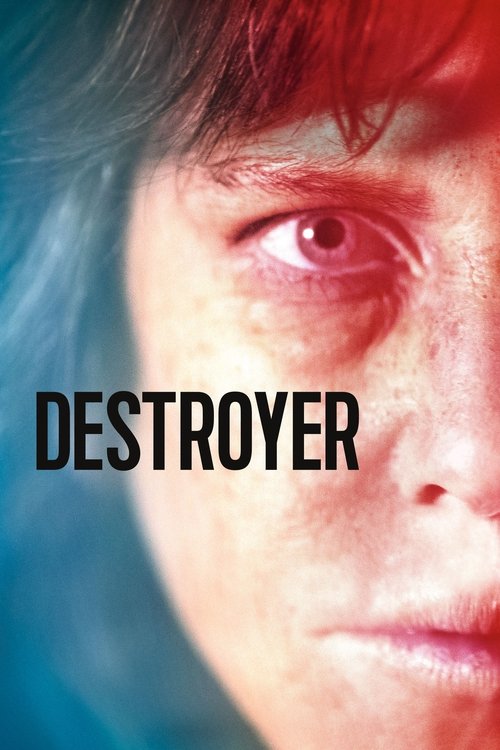
Destroyer
2018Karyn Kusama
A cop noir where the body keeps the case open.
Next pressure pass: Add an editorial argument card so the page can make a sharper case.
Directors
Director matches

Quentin Tarantino
Record-collection cinema where talk, violence, music, and movie memory become rhythm
Lynne Ramsay
Elliptical trauma cinema where memory, sound, and missing frames carry the violence

Christopher Nolan
Architectural blockbusters where time, rules, and guilt become pressure systems

Ridley Scott
Visual grandeur meets narrative intensity

Emerald Fennell
Candy-colored surfaces, social punishment, performance traps, and endings that force the audience to audit its appetite

Alex Proyas
Rain-slick cities, wounded outsiders, and comic-book myth treated like dream logic
Articles
Editorial matches
Memento and the Horror of Becoming Your Own False Narrator
Christopher Nolan’s breakthrough thriller hits hardest when you stop treating it like a twist machine and start reading it as a movie about self-authored reality.
Blade Runner and the Melancholy of Manufactured Memory
Ridley Scott’s future-noir lasts because its atmosphere is not decoration, it is the emotional form of a movie about built lives and borrowed time.
The Odyssey Opening Weekend Is Bigger Than a Box-Office Victory Lap
Nolan’s opening matters because authored spectacle, format consciousness, ancient myth, and theatrical culture all became part of the same public event.
Titanic and the Power of Making Industrial Spectacle Feel Emotionally Legible
Titanic lasts because Cameron never treats feeling as the embarrassing part of the enterprise. The romance, class tension, and mechanical catastrophe are all designed to reinforce each other.
How Tarantino’s Later Films Trade Cool for Consequence
Jackie Brown, Kill Bill: Vol. 2, The Hateful Eight, and Once Upon a Time in Hollywood all reveal a filmmaker getting more interested in aftermath, drift, and emotional residue than in pure pop detonation.
Zodiac and the Way Investigation Turns Into a Life-Consuming Infection
David Fincher’s procedural masterpiece gets under the skin by refusing release and letting accumulation itself become the source of dread.
Little Women and the Price of Turning a Life Into an Ending
Greta Gerwig’s adaptation becomes great by refusing to separate romance, money, authorship, and the pressure to make a satisfying story out of a complicated life.
Kill Bill: Vol. 1 and the High-Wire Pleasure of Turning Revenge Into Form
Kill Bill: Vol. 1 still rips because Tarantino treats genre citation as movement, not trivia, building a revenge movie that keeps changing shape without losing its line of attack.
RoboCop and the Horror of Being Rebuilt for Efficiency
Paul Verhoeven’s classic is not just a cyborg action movie, it is a brutal joke about what happens when corporate logic gets hold of the human body.
Inception: The Architecture of Dreams and Reality
Christopher Nolan's masterpiece explores the layers of consciousness while questioning the nature of reality itself.