Memento
Find the movies with rewatch gravity, live dossiers, and unfinished cases worth deepening.
Movie dossier
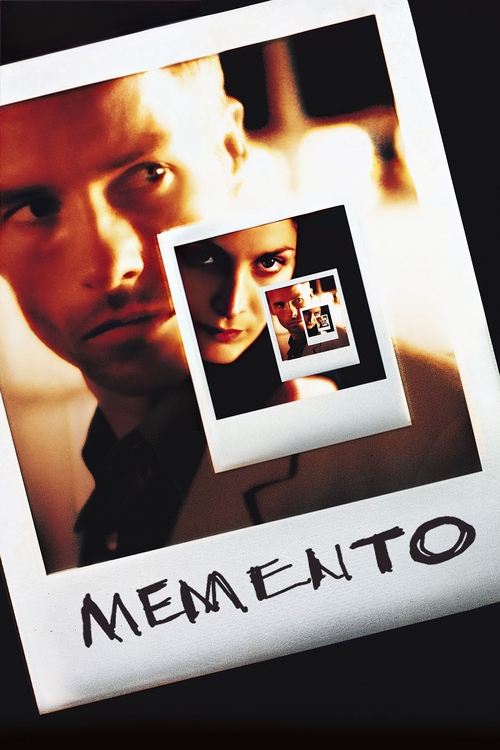
Memento
Nolan turns a revenge noir inside out until editing, memory damage, and self-deception become the same trap.
Latest video signal
Trailer slot ready
A widescreen slot for the newest official trailer, interview, or scene signal when the page has a playable source.
Why it matters
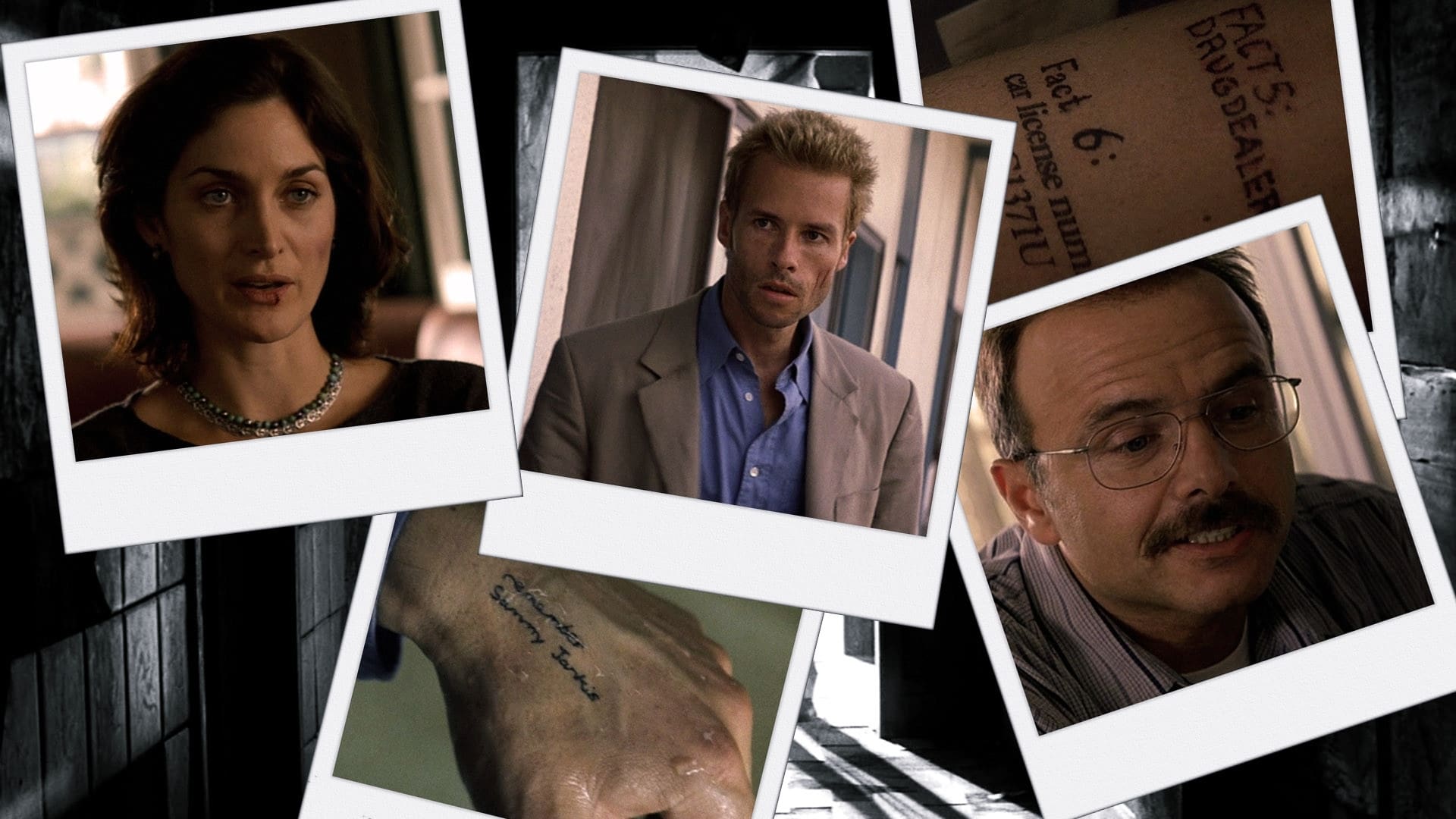
Memento matters here because it is the Nolan breakthrough where the puzzle is not decoration; it is the wound. The color scenes move backward, the black-and-white spine moves forward, and the audience keeps waking up with Leonard into a room where evidence looks objective until desire edits it. The rewatch charge is brutal: once you know the trick, the movie stops being a clever revenge story and becomes a case file about a man choosing the lie that lets him keep moving.
Craft read
Color scenes retreat through cause and effect while black-and-white scenes advance toward the fuse point
Every note, tattoo, Polaroid, and motel-room reset can be evidence or self-authored propaganda
The first watch solves the chronology; the second watch studies how badly Leonard wants the system to be corrupted
Themes
Cast and context
Coverage status
A fully shaped Cinema One case: the movie has enough authored context, pathway links, and argument to feel like more than a catalog entry.
Production notes
- • Filmmaker Magazine’s Nolan-brothers interview frames the movie as a new-model noir built from memory, metaphysics, and bifurcating narrative paths, which is the useful lens: Memento is not only backward, it is morally split.
- • The Motion Picture Association’s breakdown usefully states the formal contract: color moves chronologically backward, black-and-white moves forward, and the phone/Sammy Jankis material ties the halves together until the audience feels Leonard’s resets as suspense.
- • The Cinematography Podcast notes that Wally Pfister and Nolan shot the 25-day production with a naturalistic approach, which keeps the structure from feeling like a sterile diagram; the motel rooms, daylight, black-and-white phone calls, and cheap-object evidence stay tactile.
- • Gold Derby’s 25th-anniversary Dody Dorn interview is a strong rewatch clue: Dorn connects the movie to rereading a loved book, which is exactly how Memento survives beyond its twist — repetition changes the viewer’s responsibility, not just the order of information.
Watch-next pathway
What should you do after Memento?
Three intentional continuations: stay with the filmmaker, chase the dominant pressure signal, or jump into the shelf or argument that best explains why this movie belongs here.
The Dark Knight
The cleanest next move if Christopher Nolan's control, obsessions, or rhythm are what hooked you here.
More memory
Use the taste map to find movies, arguments, and shelves that share this page's strongest signal.
Rewatchables
Movies built for return visits, momentum, quotability, texture, and pure replay value.
Movie-page argument
Defend Memento.
If this movie has a scene, performance, ending, or idea people underrate, make the case. The best defenses can become future Cinema One argument material.
Scene challenge
Pick the scene that proves it.
Cinema One is built around scenes that unlock the movie. Tell us which moment carries the pressure, style, argument, or rewatch charge.
Cinema One case file
The argument this page is making
Leonard needs facts to replace memory, but the movie keeps asking who gets to choose which facts become permanent.
A noir about confirmation bias disguised as a revenge puzzle.
The early proof that Nolan’s structures work best when the mechanism is also the psychology.
Signature scene: Leonard realizes he has scripted himself
Memento’s defining power is not the backward gimmick. It is the moment the structure reveals Leonard as detective, suspect, victim, and author of his own trap. Nolan turns revelation into self-indictment: the system of notes and tattoos looks like discipline, but it also gives Leonard a way to launder appetite into evidence.
Line worth carrying forward
"I have to believe in a world outside my own mind. I have to believe that my actions still have meaning, even if I can’t remember them." That line is the whole movie trying to sound sane. Leonard is not wrong to need meaning; the tragedy is how easily meaning becomes something he can manufacture, label, and forget he made.
Why the ending keeps reopening the movie
The ending does not merely explain the timeline. It exposes the bargain Leonard has made with himself: if grief can keep finding a new target, then he never has to arrive at the emptiness after revenge. That is why Memento gets sadder on rewatch. The structure is not hiding the truth from Leonard; it is showing how efficiently Leonard can hide the truth from himself.
Steelman the debate
The smartest pushback is that Memento can feel like a formal stunt admired more for cleverness than for human depth. The best defense is that the cleverness is the human depth. Nolan uses the structure to make disorientation, grief, and bad-faith self-narration inseparable from the experience of watching.
More from this director
Related picks
Read next
Christopher Nolan’s breakthrough thriller hits hardest when you stop treating it like a twist machine and start reading it as a movie about self-authored reality.
Insomnia is often treated like a side assignment, but it already shows Nolan turning moral fatigue and unstable perception into atmosphere.
Tenet divides audiences for good reason, but its appeal is inseparable from the feeling that Nolan built a movie where time itself behaves like an antagonist.