Nope and the Cost of Turning Awe Into a Product
Jordan Peele’s sky-horror epic works because it treats spectacle as labor, danger, and appetite all at once.
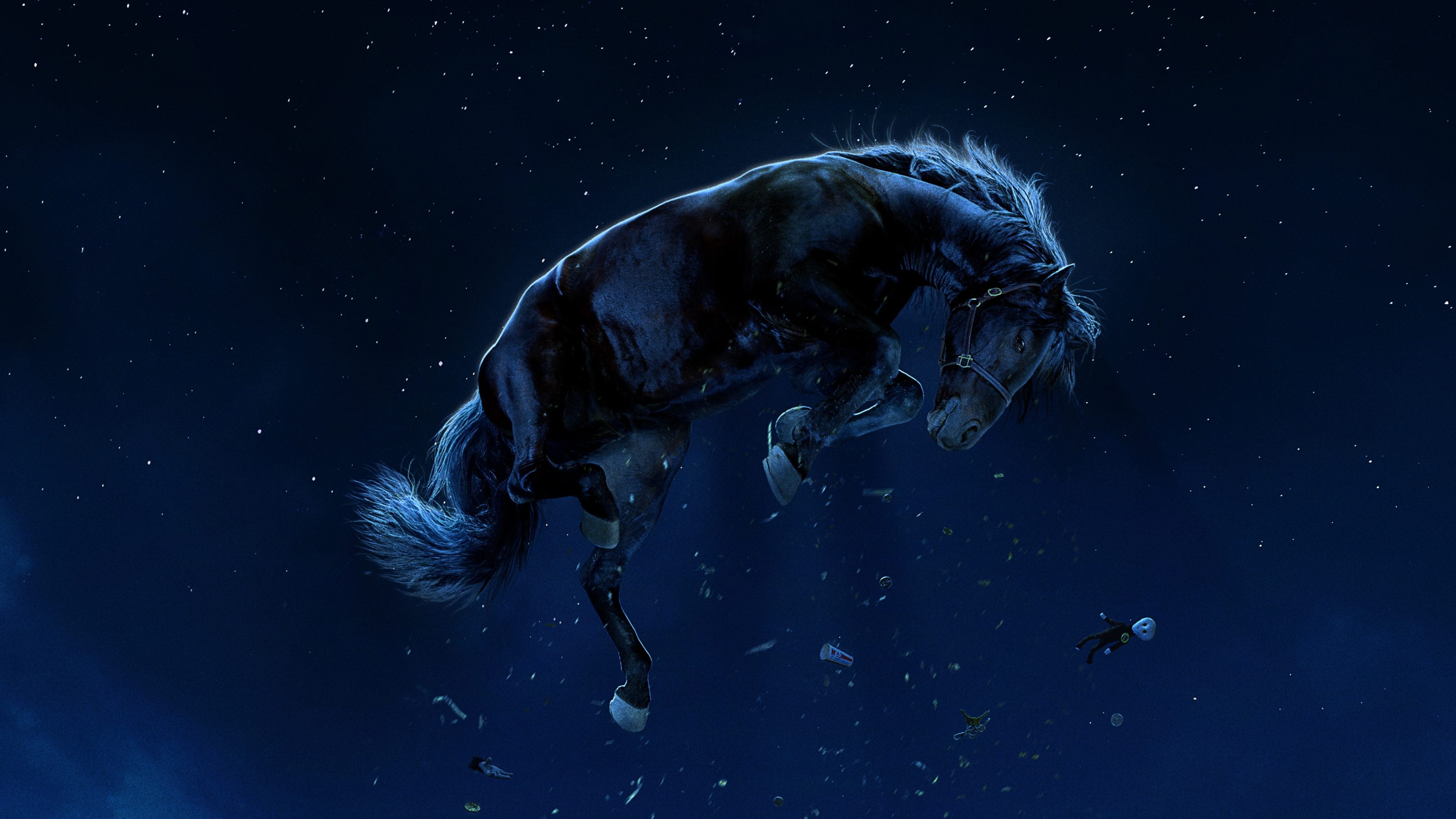
Nope gets richer every time you watch how much work is happening around the central mystery. Jordan Peele is not only staging a UFO thriller. He is making a movie about horse wrangling, set etiquette, stunt-era ancestry, camera obsession, animal unpredictability, and the way entertainment industries train people to treat danger as usable footage.
The Monster Is Also a Business Model
Jean Jacket is terrifying not just because of what it can do, but because everyone keeps trying to convert it into value. Proof, fame, money, redemption, relevance, viral ownership, the movie keeps showing how awe is immediately processed as a resource to capture.
Why the Gordy Material Matters
The sitcom massacre thread is the film’s hidden spine. It gives Nope a second entertainment-disaster parable and makes clear that the larger creature story is also about humans misreading trained danger as manageable spectacle.
A Big Movie About Looking Wrong
Nope deserves to last because it thinks hard about images without becoming essayistic homework. Peele delivers scale, suspense, humor, and monster-movie payoff while still asking what kinds of looking make people vulnerable in the first place.
Nope
2022 • Jordan Peele
What’s a bad miracle?
Movies to pair with this read

Villeneuve Pressure Systems
Denis Villeneuve films where dread, scale, silence, and systems thinking turn genre premises into pressure chambers.
Women-Directed Pressure Rooms
Women-directed films where genre, image, bodies, and self-invention become pressure systems instead of soft-focus sidebars.
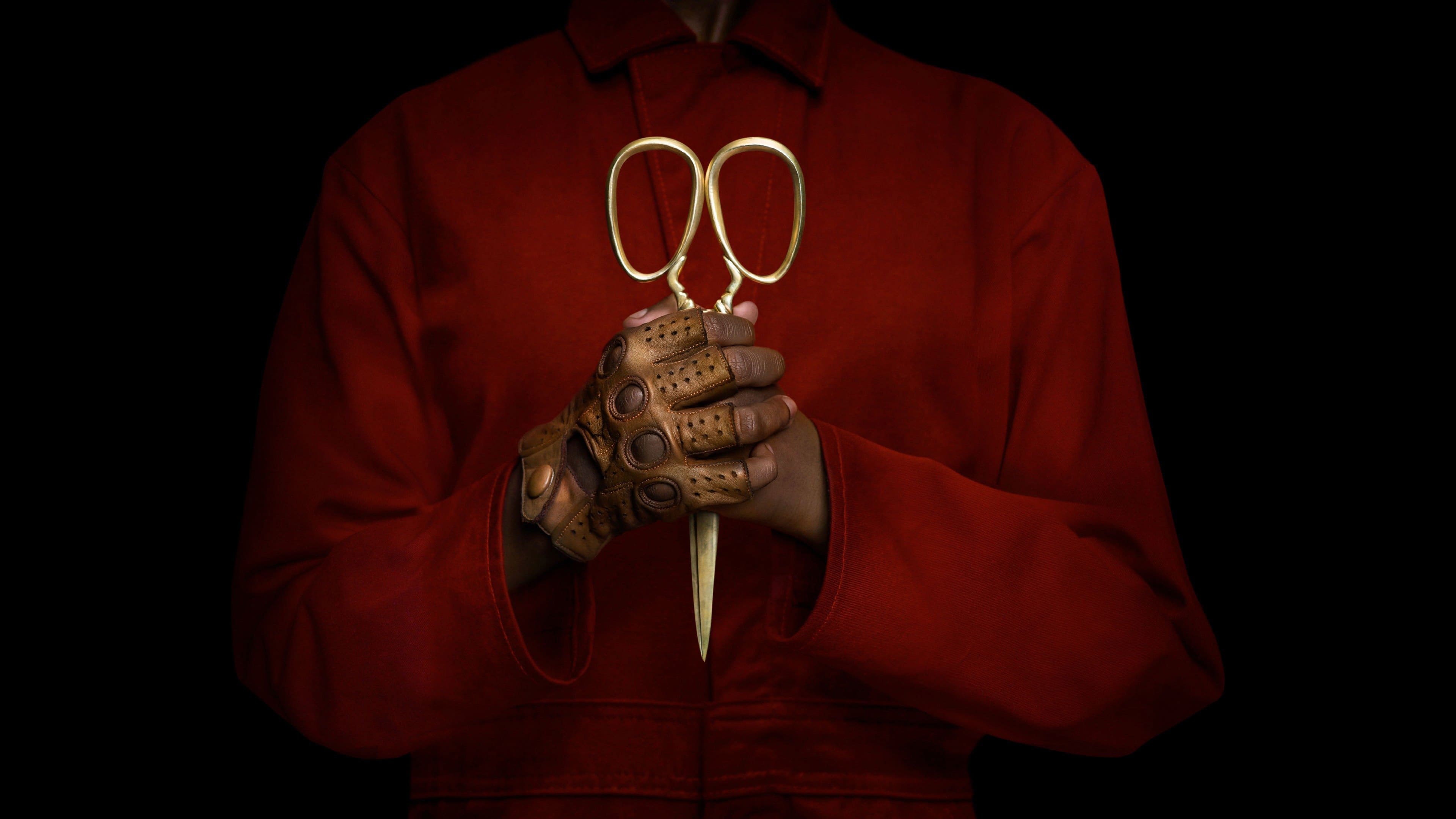
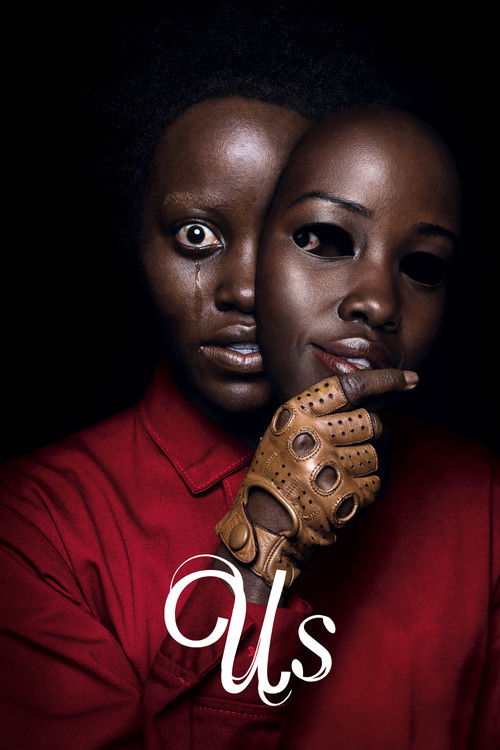
Us and the Terror of What America Needs to Keep Underground
Peele’s follow-up becomes more interesting the moment you stop asking it to behave like a puzzle and start watching it as a national ghost story.
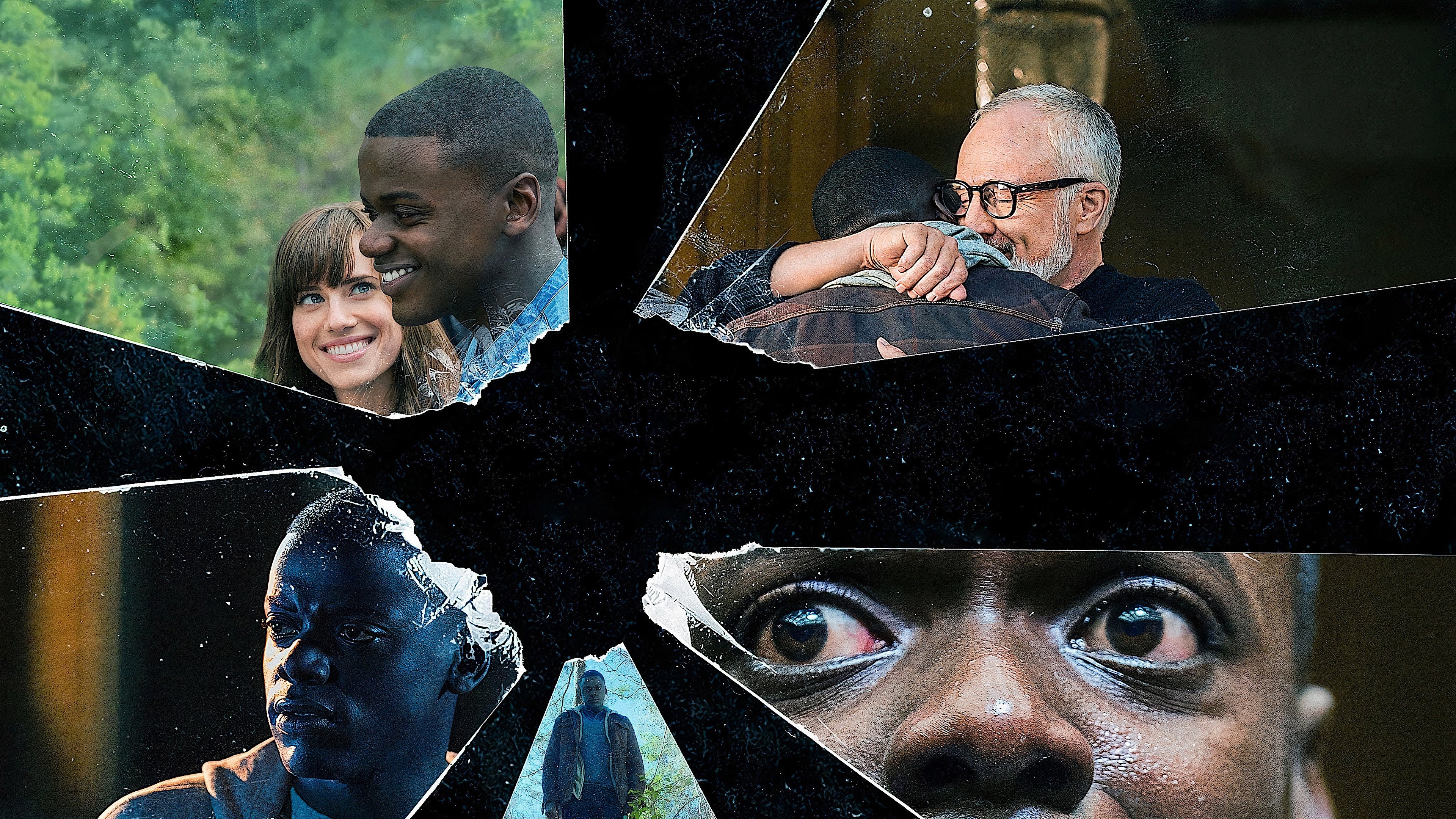
Get Out and the Horror of Realizing Politeness Is the Trap
Jordan Peele’s breakthrough lands so hard because every smile, compliment, and gesture of welcome feels like part of the extraction system.
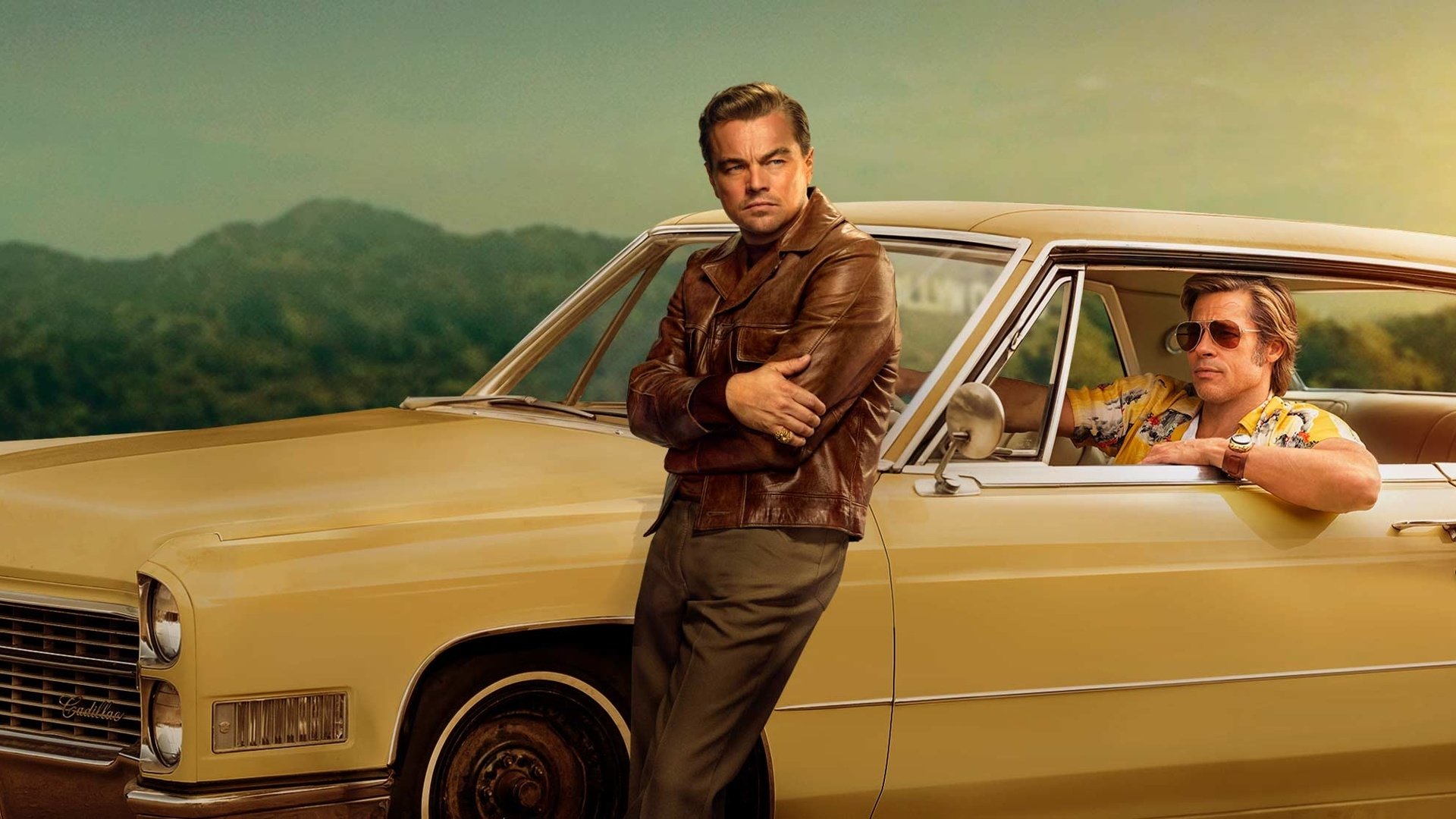
Once Upon a Time in Hollywood and the Strange Grace of Letting a Movie Drift Until History Arrives
Tarantino’s late masterpiece works because its looseness is strategic, building affection, routine, and end-of-era melancholy before the fairy tale turns protective.
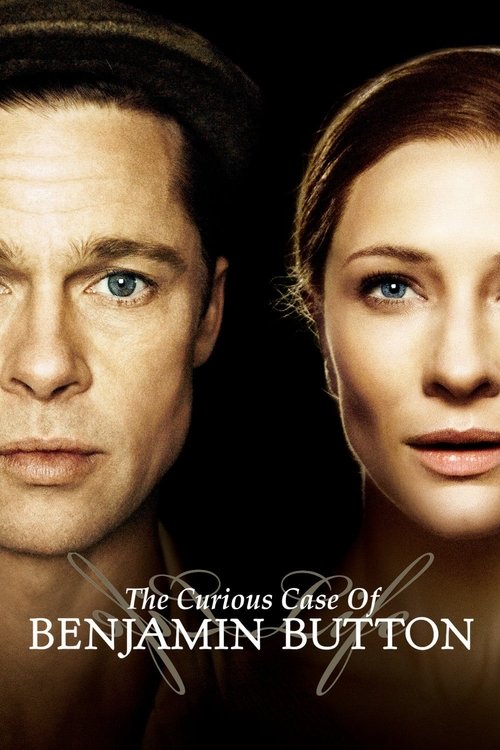
The Curious Case of Benjamin Button and the Sadness of Meeting Life Out of Sequence
Benjamin Button matters because Fincher treats the reverse-aging premise less like a trick than a way to make timing itself feel tragic.