Search
Find the right movie, director, article, or collection without falling into database sludge.
Find the strongest way into the room
Find the movie pressure, filmmaker system, shelf, or argument that fits the appetite.
Use the full search page when the question is bigger than a title: pressure rooms, control freaks, survival engines, record-collection movies, and the arguments that connect them.
Search pulse
Recommended route
A cleaner path through “power” than a flat result list.
Start with the highest-signal entry, then move through authorship, mood, or argument depending on what the search surfaced.
First click
1The Godfather Part II
Francis Ford Coppola · 1974 · Crime Drama. Start with the strongest title match, then branch into linked reads and collection lanes.
Then trace the author
2Jane Campion
Interior pressure, landscape as desire, and women whose silence or restraint becomes the loudest force in the room Use the filmmaker page to turn one match into a working system across Sweetie and An Angel at My Table.
Then read the argument
3The Godfather Part II and the Inheritance Trap at the Center of Power
A focused read tied to The Godfather Part II: Coppola’s sequel expands the family saga by showing how empire building and moral collapse can feel like the same process.
Refine this search pass
Movies
Movie matches
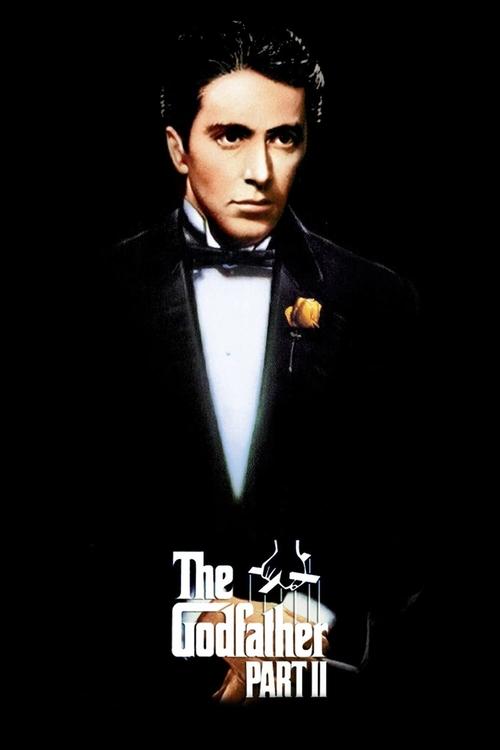
The Godfather Part II
1974Francis Ford Coppola
The rise and fall of the Corleone empire.
Next pressure pass: Place this title inside at least one collection for stronger discovery.
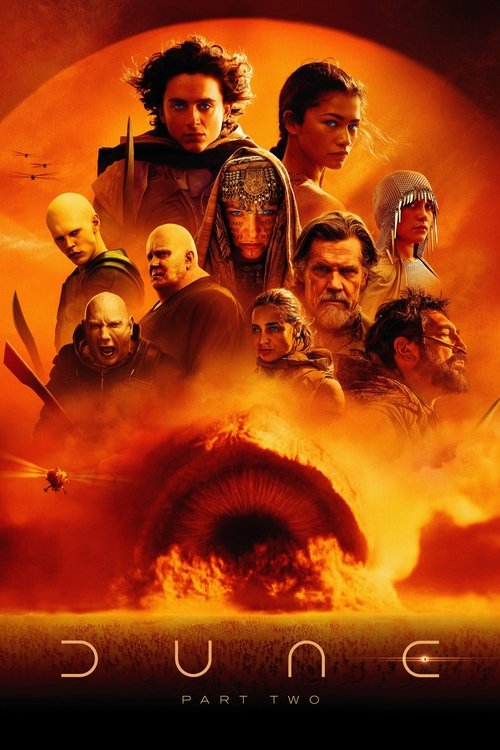
Dune: Part Two
2024Denis Villeneuve
Long live the fighters.
Next pressure pass: Add an editorial argument card so the page can make a sharper case.
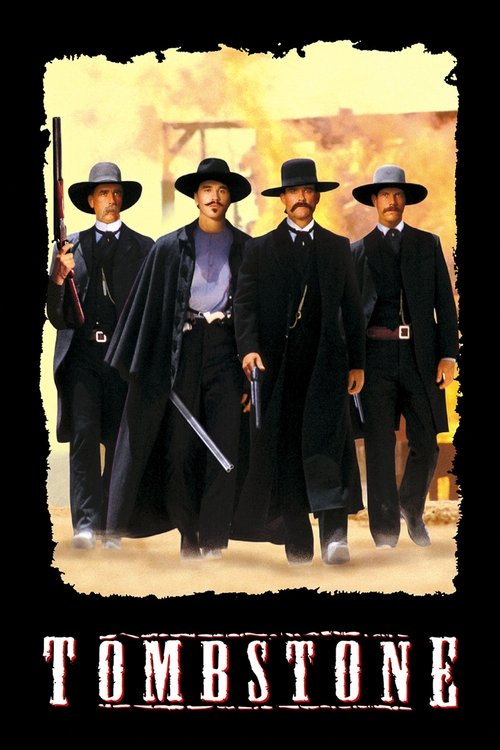
Tombstone
1993George P. Cosmatos
Justice is coming.
Next pressure pass: This page is in strong shape. Add more authored context only if it serves a bigger lane.
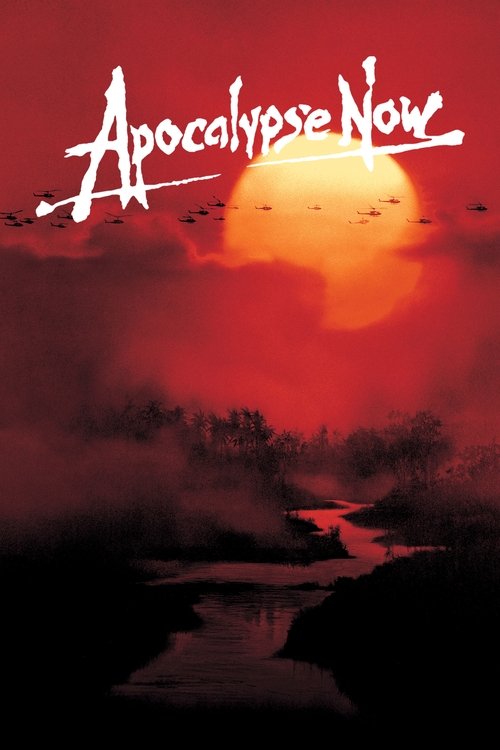
Apocalypse Now
1979Francis Ford Coppola
The horror. The horror.
Next pressure pass: Add an editorial argument card so the page can make a sharper case.
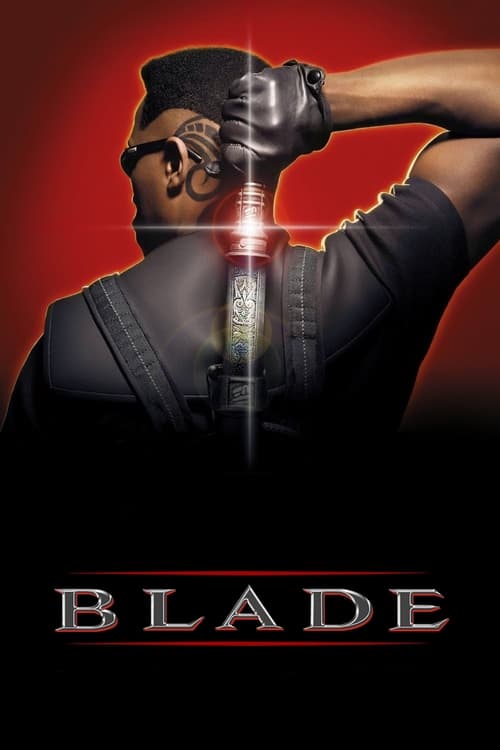
Blade
1998Stephen Norrington
The power of an immortal. The soul of a human. The heart of a hero.
Next pressure pass: Place this title inside at least one collection for stronger discovery.
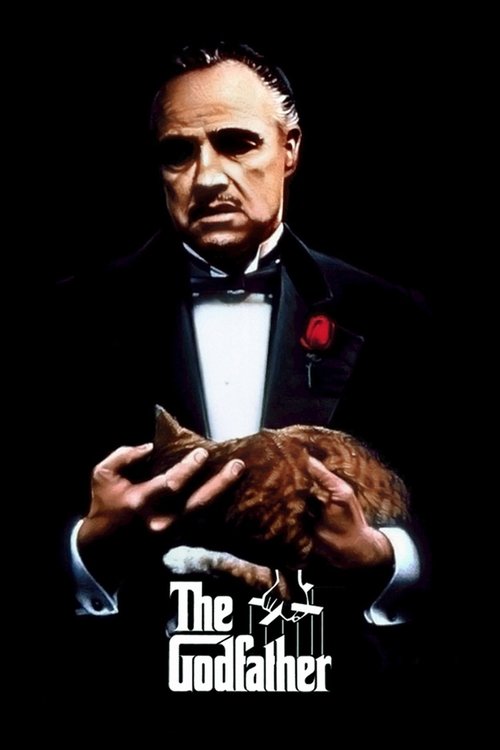
The Godfather
1972Francis Ford Coppola
An offer you can't refuse.
Next pressure pass: This page is in strong shape. Add more authored context only if it serves a bigger lane.
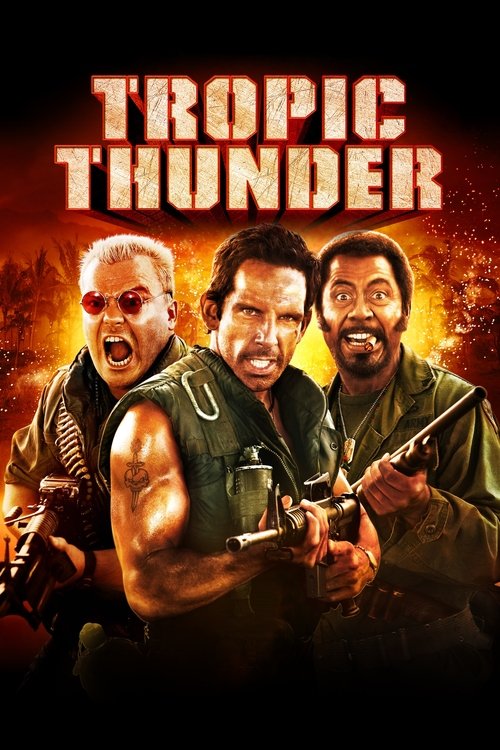
Tropic Thunder
2008Ben Stiller
Get Some.
Next pressure pass: This page is in strong shape. Add more authored context only if it serves a bigger lane.

American History X
1998Tony Kaye
Some legacies must end.
Next pressure pass: This page is in strong shape. Add more authored context only if it serves a bigger lane.
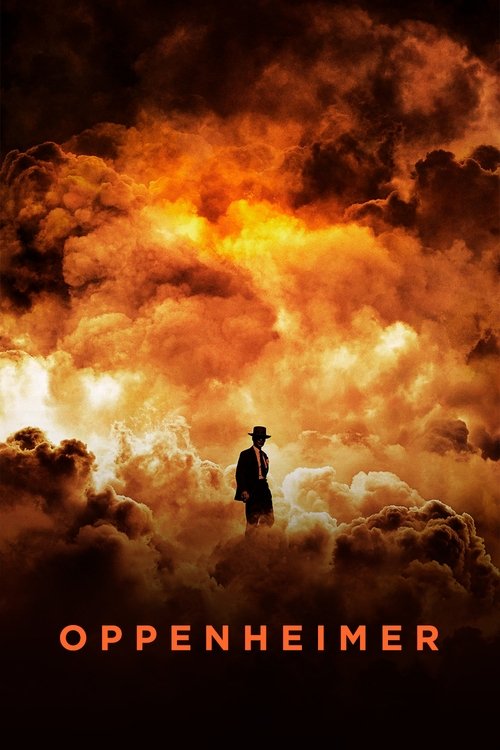
Oppenheimer
2023Christopher Nolan
The world forever changes.
Next pressure pass: This page is in strong shape. Add more authored context only if it serves a bigger lane.
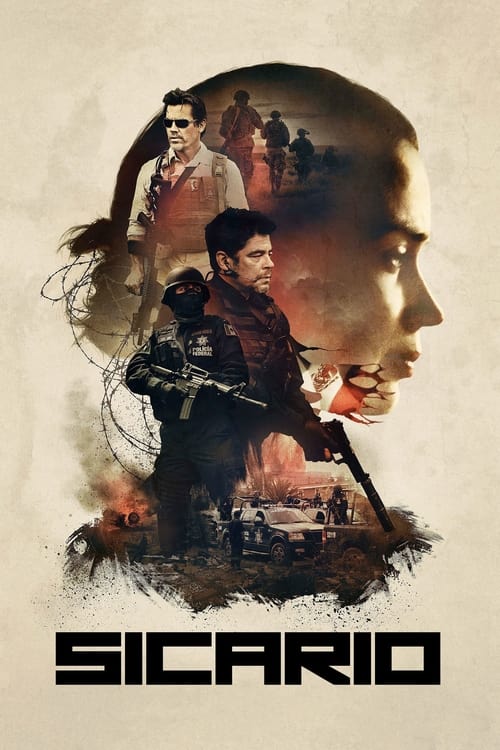
Sicario
2015Denis Villeneuve
The border is just another line to cross.
Next pressure pass: Add an editorial argument card so the page can make a sharper case.
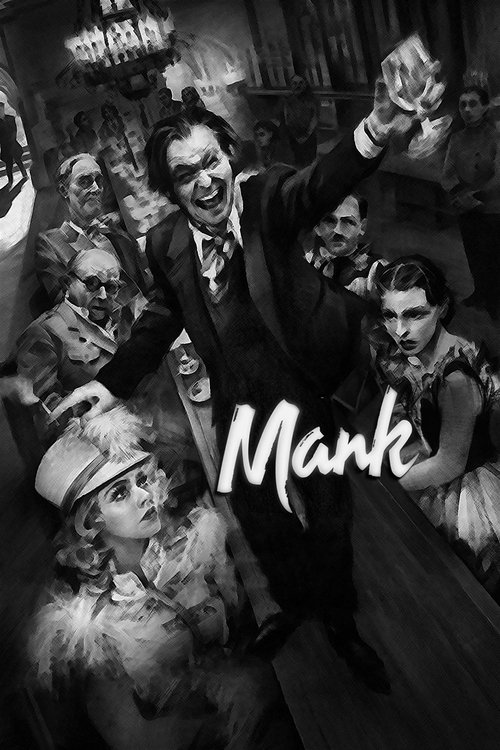
Mank
2020David Fincher
Hollywood’s greatest story was never told.
Next pressure pass: This page is in strong shape. Add more authored context only if it serves a bigger lane.

Dune: Messiah
2027Denis Villeneuve
The victory is where the tragedy really begins.
Next pressure pass: This page is in strong shape. Add more authored context only if it serves a bigger lane.
Directors
Director matches

Jane Campion
Interior pressure, landscape as desire, and women whose silence or restraint becomes the loudest force in the room

Francis Ford Coppola
Operatic family power, ritual, and moral corrosion

Oliver Stone
Aggressive, argumentative filmmaking charged with power, paranoia, and American appetite

Kathryn Bigelow
Kinetic procedure, bodies under pressure, and systems that turn danger into addiction
Articles
Editorial matches
The Godfather Part II and the Inheritance Trap at the Center of Power
Coppola’s sequel expands the family saga by showing how empire building and moral collapse can feel like the same process.
Dune: Messiah and the Risk of Following Triumph With Spiritual Fallout
The real reason to track Dune: Messiah early is that it could force blockbuster franchise culture to sit inside consequence instead of momentum.
Titanic and the Power of Making Industrial Spectacle Feel Emotionally Legible
Titanic lasts because Cameron never treats feeling as the embarrassing part of the enterprise. The romance, class tension, and mechanical catastrophe are all designed to reinforce each other.
Lady Bird and the Power of Making a Whole World Out of One Hometown
Greta Gerwig’s debut hits so hard because it understands that local detail, class stress, and family friction are not limits on scope. They are the scope.
Halloween and the Power of Stripping Horror to Its Nerves
Halloween works because Carpenter removes almost everything nonessential and lets rhythm, space, and dread do the killing.
Dunkirk and the Power of Treating Survival as Pure Duration
Dunkirk strips war-movie psychology down to time, space, and immediate peril, then finds feeling inside the compression.
The Social Network and the Violence of Turning Status Into a Product
Fincher and Sorkin make ambition move fast enough to feel intoxicating, then show how quickly that speed turns relationships into collateral.
Minority Report and the Seduction of Frictionless Control
Spielberg’s future thriller keeps gaining power because it understands how easily safety, convenience, and surveillance start using the same sales pitch.
The Game and the Seduction of Letting a System Break You on Purpose
Fincher’s luxury paranoia machine still lands because every escalation turns wealth, control, and self-protection into liabilities instead of armor.
Aliens and the Brilliant Decision to Turn Survival Horror Into Platoon Panic
Cameron’s sequel works because it does not simply supersize Ridley Scott’s terror. It rebuilds the xenomorph threat around group collapse, siege pressure, and Ripley’s protective ferocity.
Inglourious Basterds and the Thrill of Turning Language Into a Weapon
Tarantino’s war fantasia works because the suspense is not built on firefights first. It is built on who can control the room, the accent, the cover story, and the next sentence.
Us and the Terror of What America Needs to Keep Underground
Peele’s follow-up becomes more interesting the moment you stop asking it to behave like a puzzle and start watching it as a national ghost story.
Zodiac and the Way Investigation Turns Into a Life-Consuming Infection
David Fincher’s procedural masterpiece gets under the skin by refusing release and letting accumulation itself become the source of dread.
The Wizard of Oz and the Moment Hollywood Learned How to Turn Longing Into a World
The Wizard of Oz still feels alive because it makes fantasy tactile, frightening, and emotionally precise instead of merely whimsical.
Gone Girl and the Pleasure of Watching a Marriage Become a Media Weapon
Gone Girl works because Fincher treats domestic resentment, TV narration, and image management as parts of the same poison system.
The Hateful Eight and the Decision to Make the Whole Room Feel Spiritually Uninhabitable
Tarantino’s snowbound chamber piece matters because it traps performance, prejudice, and national rot together until suspicion itself becomes the atmosphere.
Death Proof and the Dirty Fun of Letting a Hangout Movie Turn Into a Stunt Manifesto
Death Proof has aged upward because its loose talk, abrasive structure, and practical-car violence all serve a movie that cares more about recoil, attitude, and physical cinema than consensus approval.
They Live: Satire That Knows a Cult Movie Can Also Hit Like a Brick
They Live lasts because Carpenter makes his anti-consumer nightmare blunt on purpose, then gives it just enough pulp propulsion to keep the sermon alive.
The Departed: A Remake That Wins by Getting Meaner, Hotter, and More American
Scorsese’s Boston pressure cooker works because it turns identity, class hostility, and institutional rot into one loud, filthy propulsion system.
Crimson Tide and the Art of Turning Procedure Into Suspense
Tony Scott’s submarine thriller hits so hard because every command decision feels like a moral argument with launch codes attached.
Man on Fire: Tony Scott’s Revenge Movie as Grief Event
What makes Man on Fire hit is not just vengeance. It is the way Tony Scott turns a broken protector’s inner damage into the movie’s whole visual weather system.
RoboCop and the Horror of Being Rebuilt for Efficiency
Paul Verhoeven’s classic is not just a cyborg action movie, it is a brutal joke about what happens when corporate logic gets hold of the human body.
Blade Runner and the Melancholy of Manufactured Memory
Ridley Scott’s future-noir lasts because its atmosphere is not decoration, it is the emotional form of a movie about built lives and borrowed time.
The Terminator: How James Cameron Turned Future War Into Pure Pursuit Cinema
The Terminator still hits because Cameron strips a huge sci-fi premise down to one merciless chase and lets horror logic do the rest.
Memento and the Horror of Becoming Your Own False Narrator
Christopher Nolan’s breakthrough thriller hits hardest when you stop treating it like a twist machine and start reading it as a movie about self-authored reality.
Oppenheimer and the Chain Reaction of Consequence
Nolan’s historical drama feels so alive because it treats hearings, conversations, and scientific breakthroughs like stages of the same moral detonation.
The Godfather Saga: How Coppola Redefined Epic Cinema
Francis Ford Coppola's masterpiece transformed the crime genre and established the template for modern epic filmmaking.
The Dark Knight: Order, Chaos, and the Hero's Moral Dilemma
How Christopher Nolan elevated superhero cinema by exploring the philosophical battle between Batman and the Joker.
Blade: The Film That Saved Marvel Comics
How Stephen Norrington's vampire hunter film rescued Marvel from bankruptcy and helped open the door to the superhero boom.
Following and the First Draft of Nolan as a Surveillance Storyteller
Christopher Nolan’s debut is tiny in scale but already obsessed with looking, self-invention, and how easily curiosity turns into entrapment.