
Death Proof and the Dirty Fun of Letting a Hangout Movie Turn Into a Stunt Manifesto
Death Proof has aged upward because its loose talk, abrasive structure, and practical-car violence all serve a movie that cares more about recoil, attitude, and physical cinema than consensus approval.
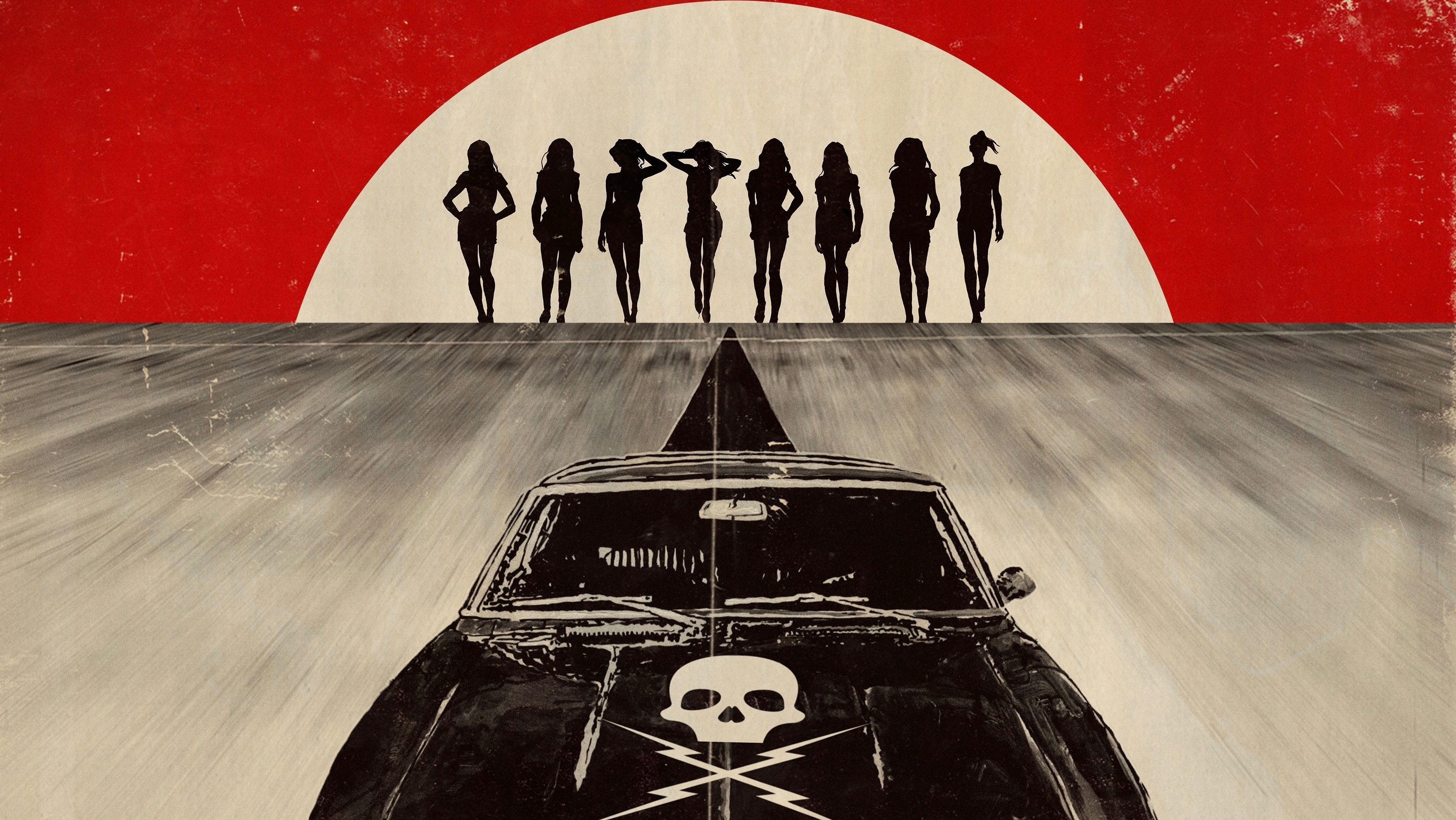
Death Proof may be the clearest case of Tarantino making a movie for a wavelength rather than a broad vote. The first half lingers, flirts, jokes, and circles its own menace until some viewers get impatient. That patience is the point. Tarantino wants the audience to live in the texture long enough for the rupture to feel ugly and personal rather than purely clever.
Why the Talk Matters
The hangout sprawl is not wasted time. Tarantino is using conversation to build attitude, vulnerability, and a sense of embodied presence before the cars take over. Death Proof only works if the women feel like people with rhythms of their own instead of sacrificial setup for a grindhouse punchline.
Stunt Work as Moral Counterattack
The back half lands so hard because the movie shifts from predation to retaliation without changing its commitment to physical reality. Zoe Bell hanging off the hood is not just an amazing image. It is Tarantino making practical stunt craft itself feel like a rebuke to the smugness that powered Stuntman Mike’s whole persona.
A Movie That Trusts Taste More Than Consensus
Death Proof lasts because it is willing to be shaggy, fetishistic, and a little rude in pursuit of its own pleasures. That roughness is not a flaw to be corrected after the fact. It is part of what makes the film feel alive, a work of cinephile appetite that would rather be specific than universally liked.
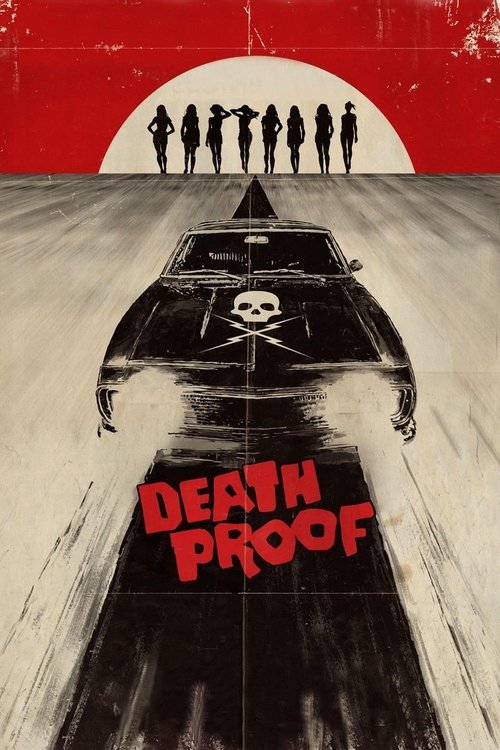
Death Proof
2007 • Quentin Tarantino
A crash course in revenge.
Movies to pair with this read


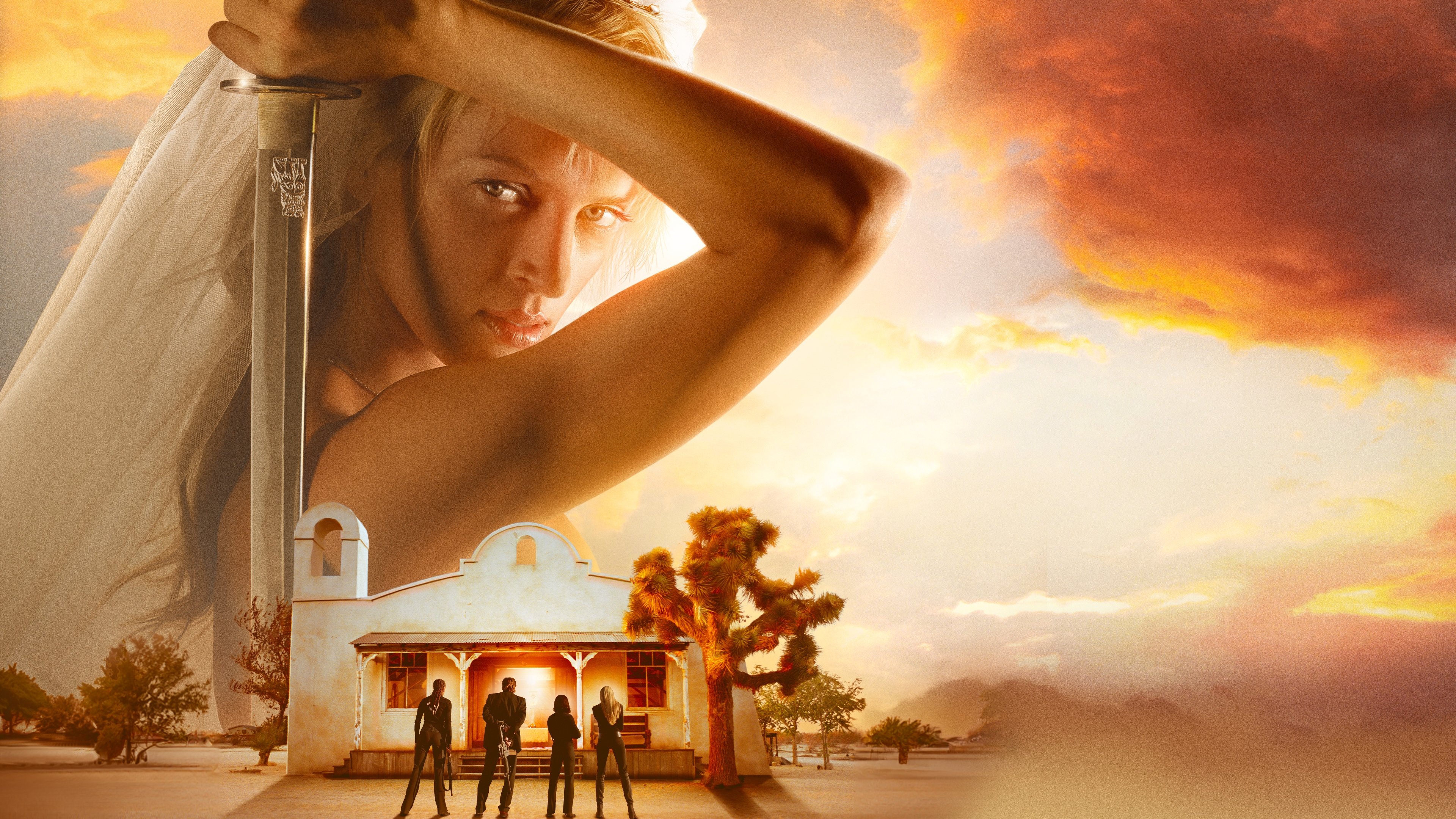
How Tarantino’s Later Films Trade Cool for Consequence
Jackie Brown, Kill Bill: Vol. 2, The Hateful Eight, and Once Upon a Time in Hollywood all reveal a filmmaker getting more interested in aftermath, drift, and emotional residue than in pure pop detonation.
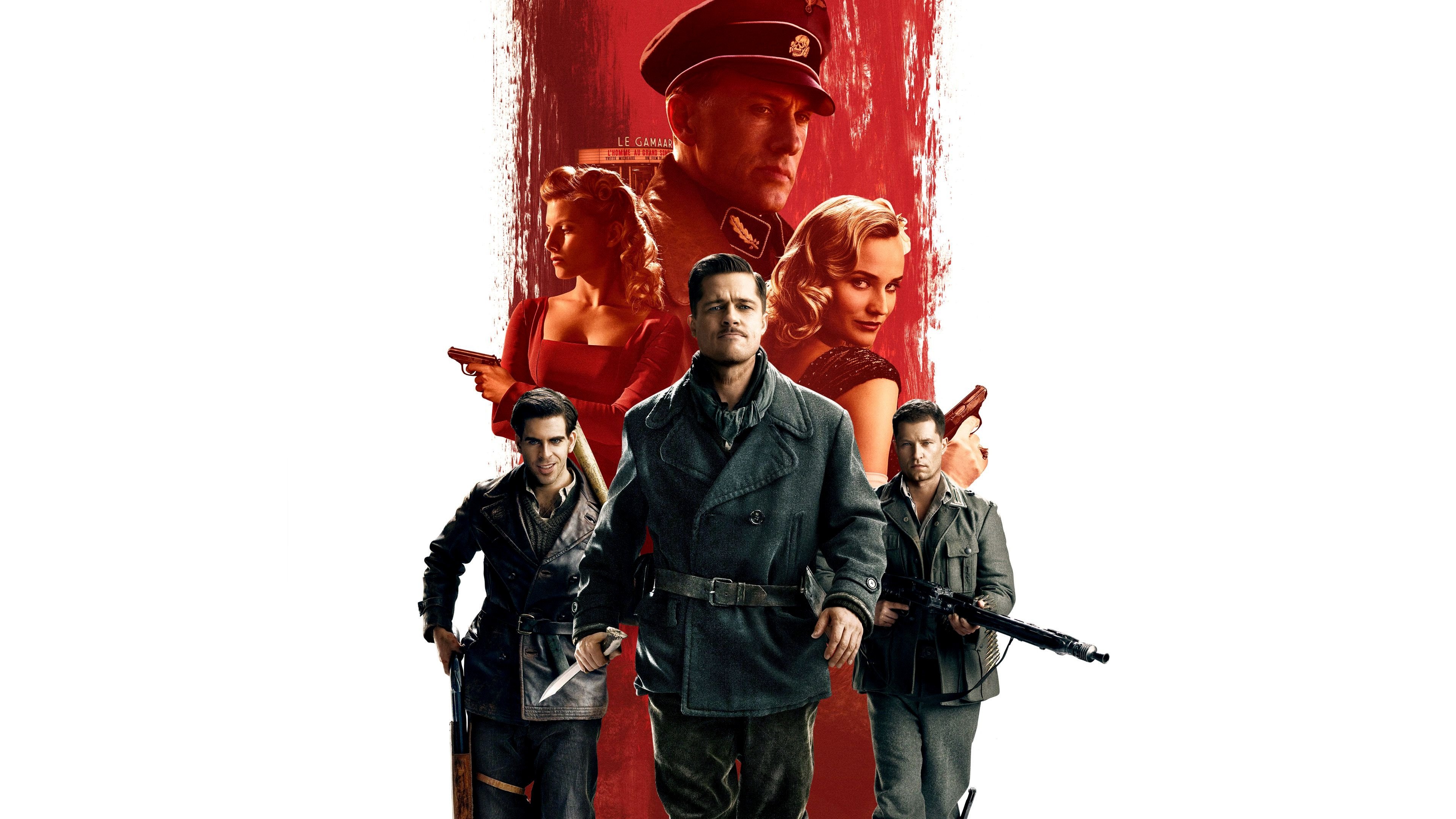
Inglourious Basterds and the Thrill of Turning Language Into a Weapon
Tarantino’s war fantasia works because the suspense is not built on firefights first. It is built on who can control the room, the accent, the cover story, and the next sentence.
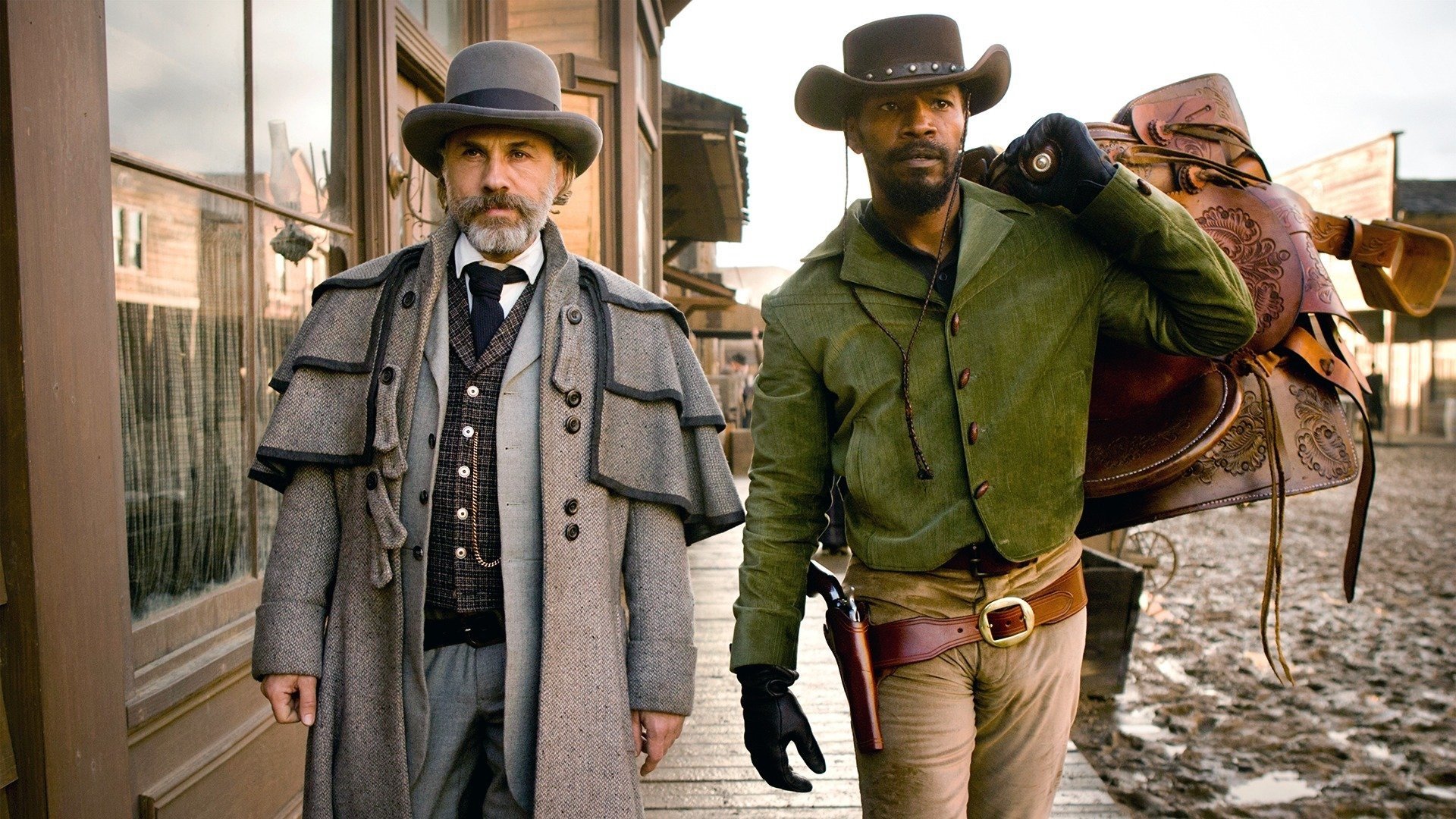
Django Unchained and the Dangerous Charge of Turning History Into Revenge Myth
Django Unchained keeps provoking real argument because Tarantino binds romance, atrocity, comedy, and blood-soaked fantasy into one intentionally unstable western object.
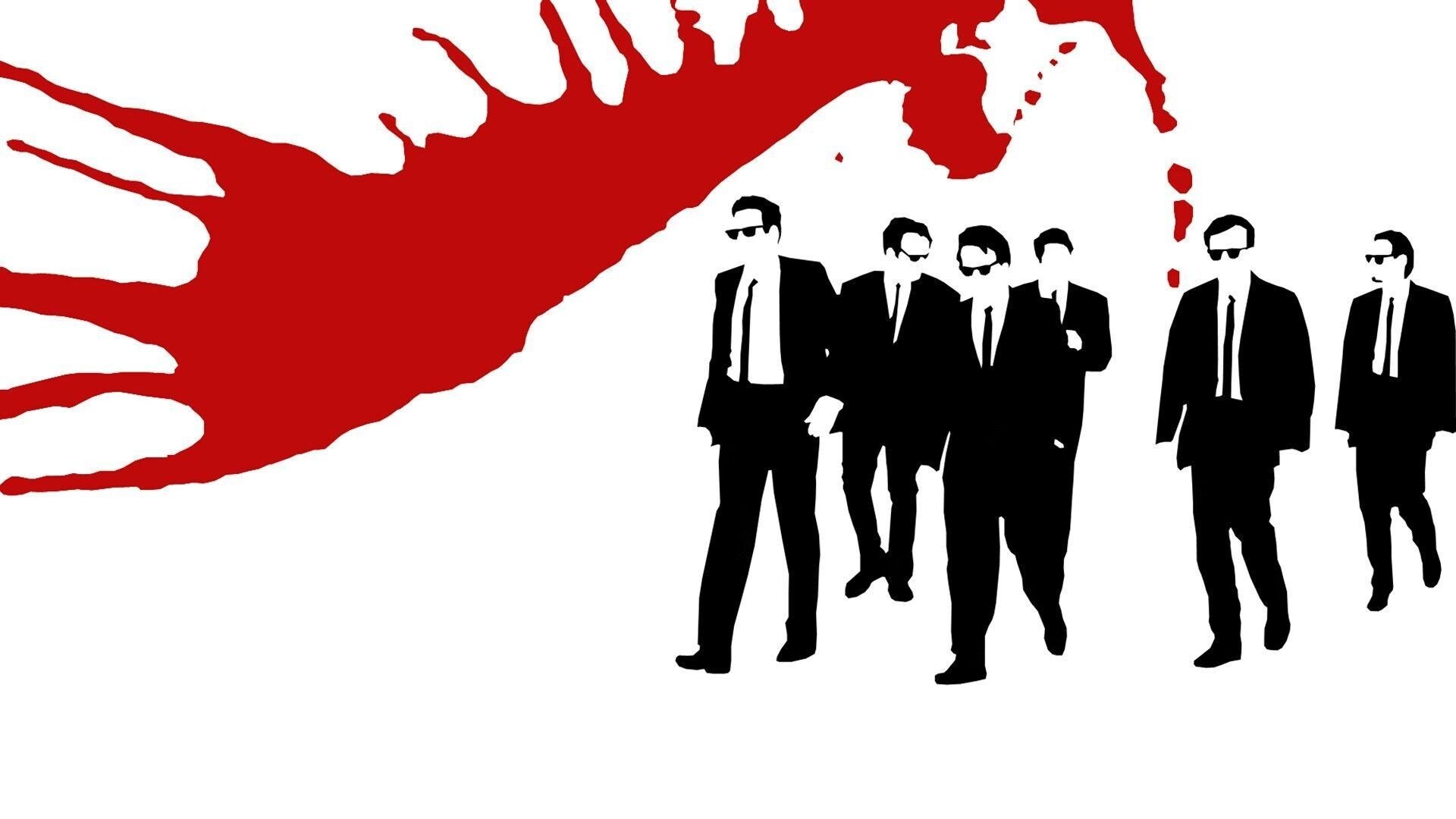
Reservoir Dogs and the Genius of Building a Crime Movie Out of the Aftermath
Tarantino’s debut still crackles because it treats the failed heist as an excuse to trap voice, ego, and suspicion in one room until everyone starts bleeding through their own performance.